
Landscape Architecture and Integration
Landscape architecture is a multidisciplinary field that combines art and science to design and manage outdoor spaces, including golf courses. In the context of golf course architectural planning, landscape architecture plays a crucial role…
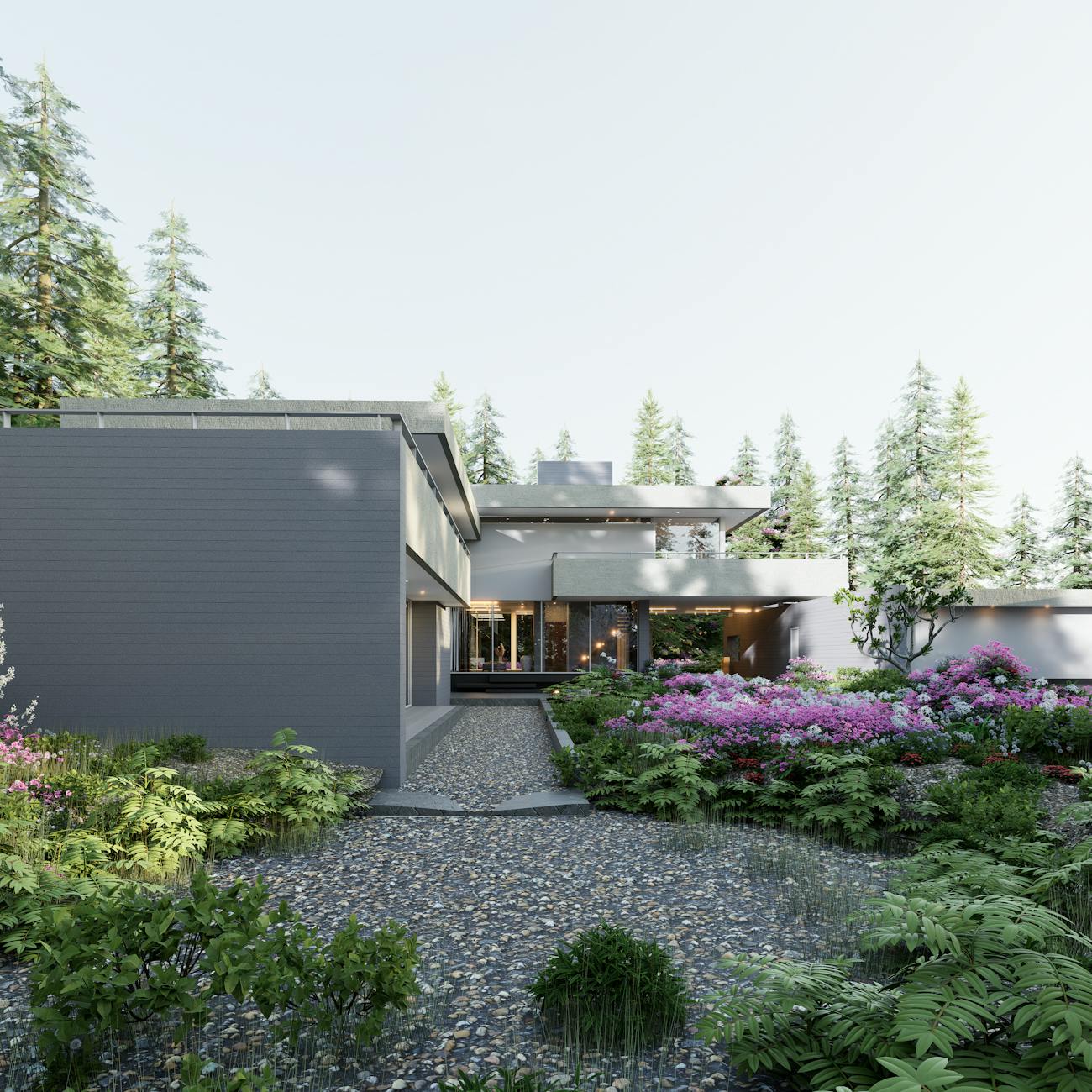
Landscape architecture is a multidisciplinary field that combines art and science to design and manage outdoor spaces, including golf courses. In the context of golf course architectural planning, landscape architecture plays a crucial role in creating functional and aesthetically pleasing environments that enhance the overall golfing experience. One of the key terms in landscape architecture is sustainability, which refers to the ability of a golf course to maintain its ecological balance and minimize its environmental impact. This can be achieved through the use of native plants, efficient irrigation systems, and recycling programs.
Golf course architects must also consider the topography of the land, which includes the natural features and contours of the terrain. This can involve working with steep slopes, wetlands, and other challenging site conditions. The use of GIS (Geographic Information Systems) and CAD (Computer-Aided Design) software can help architects to analyze and visualize the site conditions, and to create detailed designs and plans. For example, a golf course architect might use GIS to identify areas of high conservation value, and to design buffer zones to protect these areas from the impacts of golf course development.
In addition to sustainability and topography, golf course architects must also consider the aesthetics of the course. This includes the use of landforms, water features, and vegetation to create a visually appealing environment. The selection of plant species is also critical, as it can affect the playability of the course, as well as its maintainability. For example, a golf course architect might choose to use low-maintenance grasses, such as bentgrass or bermudagrass, in high-traffic areas, while using more ornamental species, such as azaleas or rhododendrons, in out-of-play areas.
Another key term in golf course architectural planning is Routing, which refers to the way in which the holes are laid out across the site. A good routing plan should take into account the topography of the land, as well as the strategic and tactical requirements of the game. This includes the placement of tees, greens, and bunkers, as well as the creation of hazards and obstacles to challenge golfers. For example, a golf course architect might use doglegs and blind shots to create a more strategic and interesting game.
The use of water features is also an important aspect of golf course design. This can include lakes, ponds, and streams, which can be used to create hazards and obstacles, as well as to enhance the aesthetics of the course. However, the use of water features can also pose environmental and maintenance challenges, such as the need for pumping and treating systems. For example, a golf course architect might use wetlands or buffer zones to help to filter and cleanse water before it enters a lake or pond.
In terms of integration, golf course architects must work closely with other professionals, such as engineers, ecologists, and contractors, to ensure that the course is designed and built in a sustainable and environmentally responsible manner. This can involve the use of environmental impact assessments and mitigation strategies to minimize the negative impacts of the course on the surrounding ecosystem. For example, a golf course architect might work with an ecologist to identify areas of high conservation value, and to develop strategies for protecting and enhancing these areas.
The construction process is also a critical aspect of golf course development, as it can have a significant impact on the environment and the community. Golf course architects must work closely with contractors and subcontractors to ensure that the course is built in a sustainable and responsible manner, using best management practices and minimizing waste and pollution. For example, a golf course architect might specify the use of recycled materials, such as recycled plastic or reclaimed wood, in the construction of cart paths and buildings.
In addition to the technical aspects of golf course design, golf course architects must also consider the business and economic aspects of the project. This includes the development of business plans and marketing strategies, as well as the management of budgets and finances. For example, a golf course architect might work with a developer to create a business plan that outlines the financial projections and marketing strategies for the course.
The use of technology is also becoming increasingly important in golf course design, with the use of CAD software, GIS mapping, and drone technology to create detailed designs and plans. For example, a golf course architect might use drone technology to create aerial maps and 3D models of the site, which can be used to analyze and visualize the topography and ecology of the area.
In terms of challenges, golf course architects must navigate a range of environmental, social, and economic challenges, from climate change and water scarcity, to community opposition and financial constraints. For example, a golf course architect might need to develop strategies for adapting to climate change, such as the use of drought-tolerant grasses and water conservation measures.
The future of golf course design is likely to be shaped by a range of technological, environmental, and societal trends, from the use of artificial intelligence and machine learning, to the growing importance of sustainability and environmental responsibility. For example, a golf course architect might use artificial intelligence to analyze player behavior and course conditions, and to develop personalized recommendations for improvement.
The role of the golf course architect is also evolving, with a growing emphasis on sustainability, environmental responsibility, and community engagement. Golf course architects must be able to work closely with a range of stakeholders, from developers and investors, to communities and environmental groups. For example, a golf course architect might work with a community group to develop a master plan that balances the needs of golfers with the needs of local residents and wildlife.
In terms of education and training, golf course architects typically require a degree in landscape architecture or a related field, as well as experience working on golf course design and construction projects. Many golf course architects also choose to pursue certification or accreditation through professional organizations, such as the ASGCA (American Society of Golf Course Architects). For example, a golf course architect might pursue certification in sustainable design or environmental planning, in order to demonstrate their expertise and commitment to sustainability.
The tools and techniques used by golf course architects are also evolving, with a growing emphasis on digital technologies, such as CAD software and GIS mapping. Golf course architects must be able to use these tools to create detailed designs and plans, as well as to analyze and visualize data and information. For example, a golf course architect might use CAD software to create a 3D model of the course, which can be used to simulate different scenarios and test different design options.
In terms of best practices, golf course architects should strive to create sustainable and environmentally responsible designs, which minimize waste and pollution, and promote biodiversity and ecological balance. This can involve the use of native plants, water conservation measures, and recycling programs, as well as the creation of habitat for wildlife and ecological corridors. For example, a golf course architect might use native plants to create a wildlife corridor, which can help to connect isolated habitats and ecosystems.
The importance of communication and collaboration cannot be overstated, as golf course architects must work closely with a range of stakeholders, from developers and investors, to communities and environmental groups. This can involve the use of public outreach and engagement strategies, as well as the creation of education and outreach programs, to promote awareness and understanding of the environmental and social benefits of sustainable golf course design. For example, a golf course architect might work with a community group to develop a public outreach program, which can help to educate and engage local residents and stakeholders in the design and development process.
In terms of case studies, there are many examples of sustainable and environmentally responsible golf course designs, which can provide inspiration and guidance for golf course architects. For example, the Streamsong Resort in Florida, which was designed by Coore and Crenshaw, is a model of sustainable golf course design, with its use of native plants, water conservation measures, and recycling programs. Similarly, the Cape Wickham Links in Tasmania, which was designed by Mike Devries, is a example of a sustainable golf course design, which incorporates native plants, wildlife corridors, and ecological restoration.
The benefits of sustainable golf course design are numerous, and can include cost savings, environmental benefits, and social benefits. For example, the use of native plants and water conservation measures can help to reduce water consumption and lower maintenance costs. Similarly, the creation of habitat for wildlife and ecological corridors can help to promote biodiversity and ecological balance, while also providing recreational and educational opportunities for golfers and non-golfers alike.
In terms of research and development, there are many opportunities for golf course architects to innovate and improve their designs, through the use of new technologies, materials, and techniques. For example, the use of drone technology and GIS mapping can help to improve the accuracy and efficiency of golf course design, while the use of sustainable materials and practices can help to reduce the environmental impact of golf course development. Similarly, the creation of education and outreach programs can help to promote awareness and understanding of the environmental and social benefits of sustainable golf course design.
As such, golf course architects must be able to adapt and evolve their designs, to meet the changing needs and expectations of golfers and communities. This can involve the use of new technologies and innovations, as well as the creation of education and outreach programs, to promote awareness and understanding of the environmental and social benefits of sustainable golf course design.
As such, golf course architects must be able to think critically and creatively, to develop innovative solutions and strategies, which can help to address these challenges and opportunities. This can involve the use of collaboration and partnership, as well as the creation of education and outreach programs, to promote awareness and understanding of the environmental and social benefits of sustainable golf course design.
The importance of community engagement and participation cannot be overstated, as golf course architects must work closely with communities and stakeholders to develop and implement sustainable golf course designs. This can involve the use of public outreach and engagement strategies, as well as the creation of education and outreach programs, to promote awareness and understanding of the environmental and social benefits of sustainable golf course design. For example, a golf course architect might work with a community group to develop a public outreach program, which can help to educate and engage local residents and stakeholders in the design and development process.
For example, the use of drone technology and GIS mapping can help to improve the accuracy and efficiency of golf course design, while the use of sustainable materials and practices can help to reduce the environmental impact of golf course development.
Key takeaways
- In the context of golf course architectural planning, landscape architecture plays a crucial role in creating functional and aesthetically pleasing environments that enhance the overall golfing experience.
- The use of GIS (Geographic Information Systems) and CAD (Computer-Aided Design) software can help architects to analyze and visualize the site conditions, and to create detailed designs and plans.
- The selection of plant species is also critical, as it can affect the playability of the course, as well as its maintainability.
- This includes the placement of tees, greens, and bunkers, as well as the creation of hazards and obstacles to challenge golfers.
- This can include lakes, ponds, and streams, which can be used to create hazards and obstacles, as well as to enhance the aesthetics of the course.
- For example, a golf course architect might work with an ecologist to identify areas of high conservation value, and to develop strategies for protecting and enhancing these areas.
- For example, a golf course architect might specify the use of recycled materials, such as recycled plastic or reclaimed wood, in the construction of cart paths and buildings.