
Drone Sensors and Payloads
Drone Sensors and Payloads are critical components of any drone system, and understanding the key terms and vocabulary associated with them is essential for anyone pursuing an Undergraduate Certificate in Drone Technology Engineering. In th…
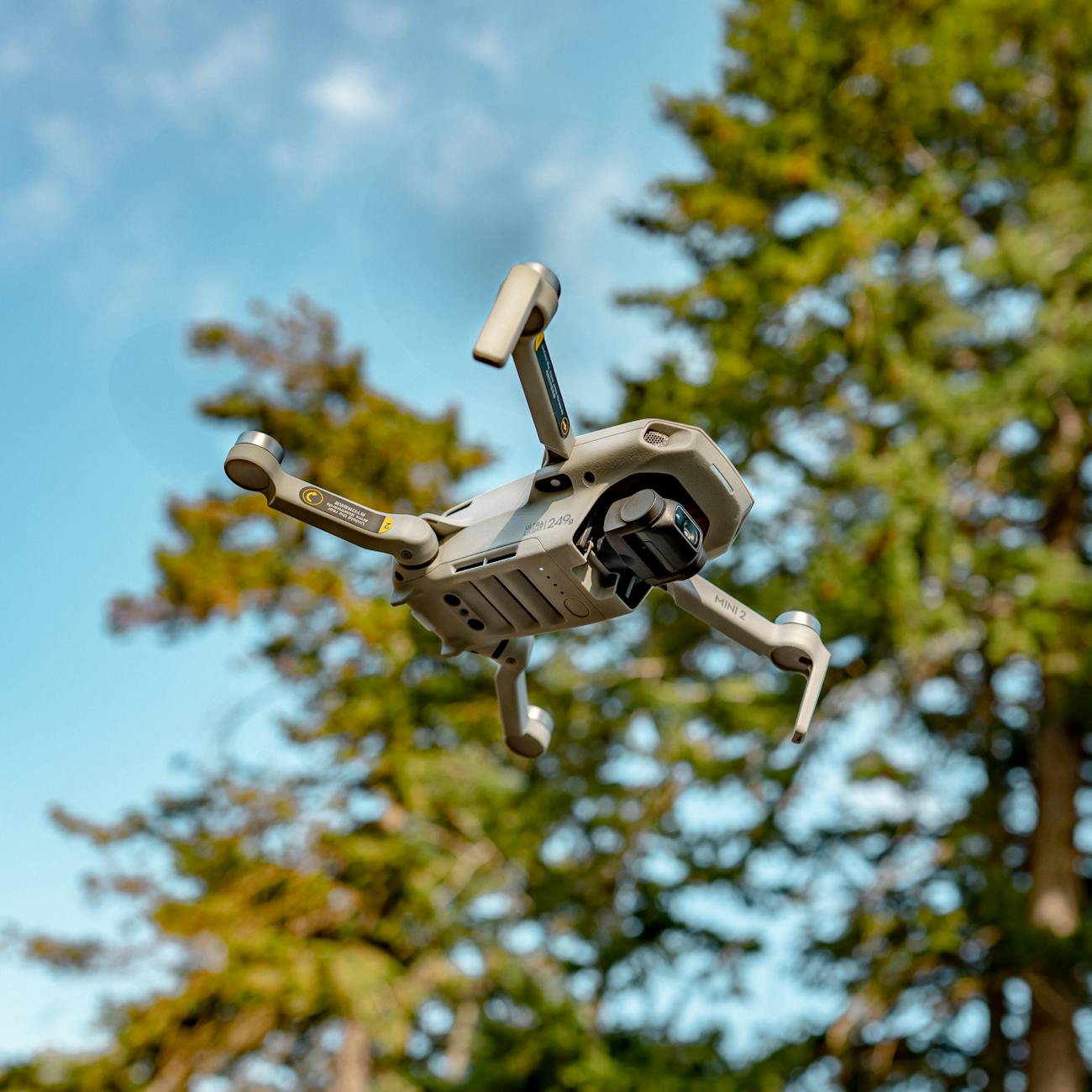
Drone Sensors and Payloads are critical components of any drone system, and understanding the key terms and vocabulary associated with them is essential for anyone pursuing an Undergraduate Certificate in Drone Technology Engineering. In this explanation, we will cover various sensors and payloads used in drone technology, along with their practical applications, examples, and challenges.
1. Sensors
Sensors are devices that measure physical quantities and convert them into electrical signals. In drone technology, sensors are used to gather data about the drone's environment, providing information that is essential for navigation, stabilization, and automation. Here are some of the key sensors used in drone technology:
- Accelerometers: Accelerometers measure the acceleration or force applied to a drone. They are used to determine the drone's speed, orientation, and movement. Accelerometers are typically used in conjunction with other sensors, such as gyroscopes, to provide accurate data. - Gyroscopes: Gyroscopes measure the angular velocity or rotation of a drone. They are used to maintain the drone's stability and orientation, ensuring that it remains level and steady during flight. Gyroscopes are often used in combination with accelerometers to improve the accuracy of the data. - Magnetometers: Magnetometers measure the magnetic field of the Earth, providing information about the drone's heading or direction. They are used to maintain the drone's course and prevent it from drifting off-course. - Barometers: Barometers measure the atmospheric pressure, providing information about the drone's altitude. They are used to maintain the drone's altitude and prevent it from ascending or descending uncontrollably. - Temperature and Humidity Sensors: Temperature and humidity sensors measure the environmental conditions around the drone. They are used to ensure that the drone operates within safe temperature and humidity ranges, preventing damage to the drone's components. - Infrared Sensors: Infrared sensors detect the presence of objects in the drone's environment, providing information about obstacles and potential hazards. They are used to prevent collisions and ensure safe flight. - Lidar Sensors: Lidar sensors use light to measure the distance between the drone and objects in its environment. They are used for mapping and surveying applications, providing accurate and detailed data about the terrain.
2. Payloads
Payloads are the devices or equipment that a drone carries to perform a specific task. Payloads can include cameras, sensors, or other tools that are used to gather data or perform a function. Here are some of the key payloads used in drone technology:
- Cameras: Cameras are the most common payloads used in drone technology. They are used for a variety of applications, including aerial photography, videography, and surveillance. Cameras can be mounted on gimbals to provide stable and smooth footage, even in windy conditions. - Thermal Imaging Cameras: Thermal imaging cameras detect heat signatures, providing information about the temperature of objects in the drone's environment. They are used for search and rescue missions, agricultural applications, and building inspections. - Multispectral and Hyperspectral Imaging Cameras: Multispectral and hyperspectral imaging cameras capture data across multiple wavelengths, providing detailed information about the chemical and physical properties of objects in the drone's environment. They are used for agricultural applications, environmental monitoring, and mineral exploration. - LiDAR Sensors: LiDAR sensors use light to measure the distance between the drone and objects in its environment, providing accurate and detailed data about the terrain. They are used for mapping and surveying applications, providing accurate and detailed data about the terrain. - Gas Sensors: Gas sensors detect the presence of gases in the drone's environment, providing information about air quality and potential hazards. They are used for environmental monitoring, industrial inspections, and emergency response. - Radiation Sensors: Radiation sensors detect the presence of radiation, providing information about potential hazards in the drone's environment. They are used for environmental monitoring, nuclear power plant inspections, and emergency response.
3. Practical Applications
Drone sensors and payloads have a wide range of practical applications, from agriculture and environmental monitoring to search and rescue missions and industrial inspections. Here are some examples:
- Agriculture: Drones equipped with multispectral and hyperspectral imaging cameras can provide detailed information about crop health, enabling farmers to identify issues early and take corrective action. Drones can also be used to apply pesticides and fertilizers, reducing the need for manual labor. - Environmental Monitoring: Drones equipped with temperature, humidity, and gas sensors can provide detailed information about air quality, enabling environmental agencies to monitor pollution levels and identify sources of emissions. Drones can also be used to monitor wildlife populations, track the spread of invasive species, and map ecosystems. - Search and Rescue Missions: Drones equipped with thermal imaging cameras and infrared sensors can be used to locate missing persons, even in low visibility conditions. Drones can also be used to deliver supplies and medical equipment to remote areas, improving response times and saving lives. - Industrial Inspections: Drones equipped with cameras and sensors can be used to inspect infrastructure, such as bridges, pipelines, and power lines. Drones can provide detailed data about the condition of these assets, enabling maintenance teams to identify issues early and prevent failures. - Surveying and Mapping: Drones equipped with LiDAR sensors can provide accurate and detailed data about the terrain, enabling engineers and surveyors to create detailed maps and models. Drones can also be used to inspect construction sites and monitor progress.
4. Challenges
While drone sensors and payloads offer many benefits, they also present several challenges. Here are some of the key challenges:
- Regulation: Drone technology is subject to strict regulations, and operators must comply with rules related to flight altitude, airspace restrictions, and data privacy. Operators must also obtain permission from landowners before flying over private property. - Data Security: Drones collect and transmit large amounts of data, making them vulnerable to cyber attacks and data breaches. Operators must take steps to secure their data and prevent unauthorized access. - Battery Life: Drones rely on batteries for power, and battery life is a significant limitation. Operators must plan their flights carefully to ensure that they have enough battery power to complete their missions. - Interference: Drone sensors and payloads can be affected by interference from other devices, such as mobile phones and Wi-Fi networks. Operators must take steps to minimize interference and ensure that their data is accurate.
In conclusion, drone sensors and payloads are essential components of any drone system, and understanding the key terms and vocabulary associated with them is essential for anyone pursuing an Undergraduate Certificate in Drone Technology Engineering. Sensors provide data about the drone's environment, enabling navigation, stabilization, and automation. Payloads are the devices or equipment that a drone carries to perform a specific task, such as cameras, sensors, or other tools. Drone sensors and payloads have a wide range of practical applications, from agriculture and environmental monitoring to search and rescue missions and industrial inspections. However, they also present several challenges, such as regulation, data security, battery life, and interference. By understanding these challenges and taking steps to mitigate them, operators can ensure safe and effective drone operations.
Key takeaways
- Drone Sensors and Payloads are critical components of any drone system, and understanding the key terms and vocabulary associated with them is essential for anyone pursuing an Undergraduate Certificate in Drone Technology Engineering.
- In drone technology, sensors are used to gather data about the drone's environment, providing information that is essential for navigation, stabilization, and automation.
- - Infrared Sensors: Infrared sensors detect the presence of objects in the drone's environment, providing information about obstacles and potential hazards.
- Payloads can include cameras, sensors, or other tools that are used to gather data or perform a function.
- - LiDAR Sensors: LiDAR sensors use light to measure the distance between the drone and objects in its environment, providing accurate and detailed data about the terrain.
- Drone sensors and payloads have a wide range of practical applications, from agriculture and environmental monitoring to search and rescue missions and industrial inspections.
- - Agriculture: Drones equipped with multispectral and hyperspectral imaging cameras can provide detailed information about crop health, enabling farmers to identify issues early and take corrective action.