
Climate Change and Energy Policy
Climate Change: Climate change refers to significant changes in global temperatures and weather patterns over time. This is primarily caused by the increase in greenhouse gases, such as carbon dioxide, in the atmosphere due to human activit…
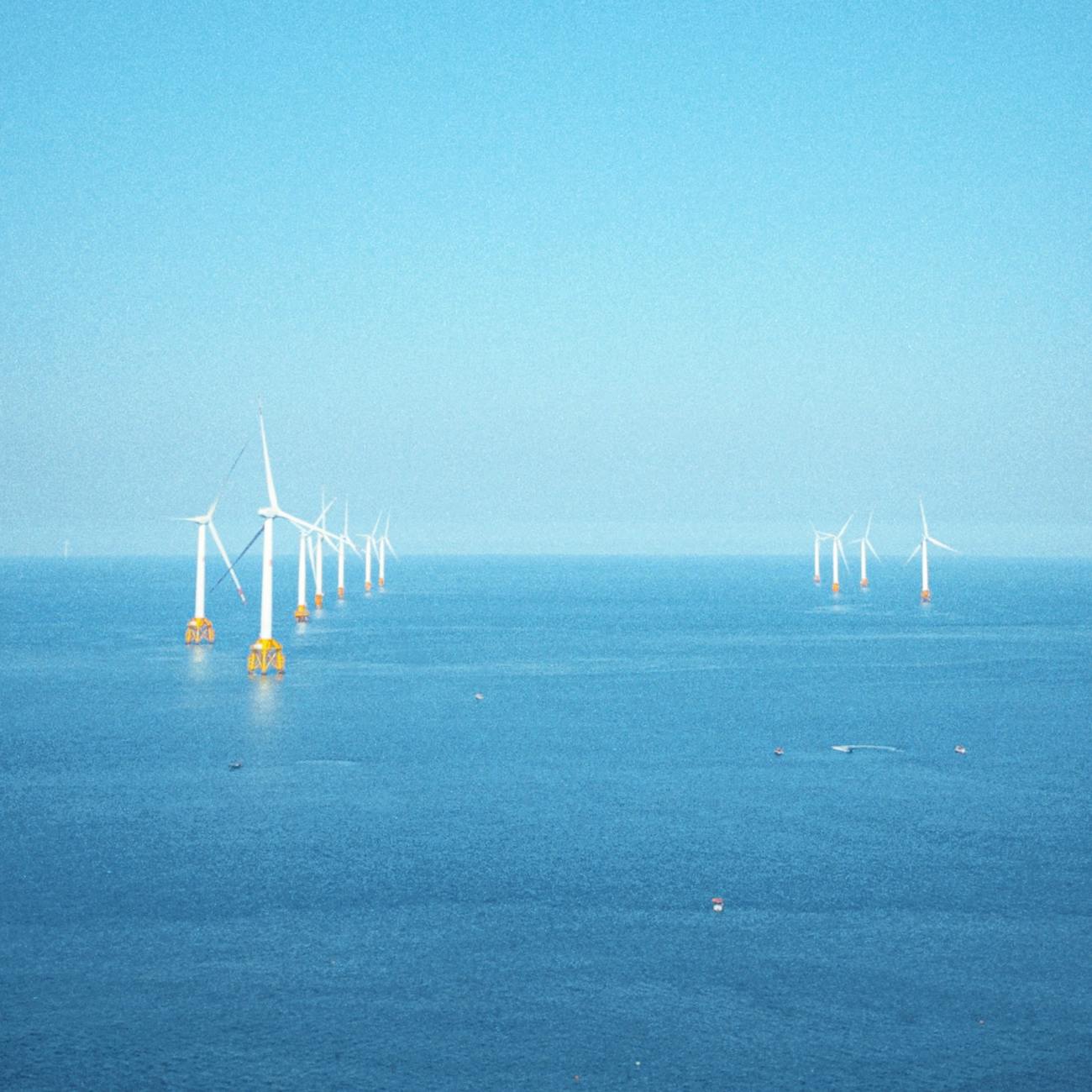
Climate Change: Climate change refers to significant changes in global temperatures and weather patterns over time. This is primarily caused by the increase in greenhouse gases, such as carbon dioxide, in the atmosphere due to human activities like burning fossil fuels. The consequences of climate change include rising sea levels, more frequent and severe weather events, and negative impacts on agriculture, biodiversity, and human health.
Greenhouse Gases (GHGs): Greenhouse gases are gases in the atmosphere that trap heat from the sun and prevent it from escaping back into space. The main greenhouse gases are carbon dioxide (CO2), methane (CH4), and nitrous oxide (N2O). Human activities, such as burning fossil fuels and deforestation, have significantly increased the concentration of these gases in the atmosphere, leading to global warming and climate change.
Mitigation: Mitigation refers to efforts to reduce the amount of greenhouse gases being released into the atmosphere, or to increase the amount of carbon that is being removed from the atmosphere. This can be achieved through various means, such as increasing energy efficiency, transitioning to renewable energy sources, and reducing deforestation.
Adaptation: Adaptation refers to the actions taken to prepare for and respond to the negative impacts of climate change. This can include building sea walls to protect against rising sea levels, developing drought-resistant crops, and improving infrastructure to withstand extreme weather events.
Renewable Energy: Renewable energy is energy that comes from natural resources that can be replenished over time, such as solar, wind, and hydro power. Renewable energy sources emit significantly less carbon dioxide than fossil fuels, making them an important part of efforts to combat climate change.
Energy Efficiency: Energy efficiency refers to using less energy to perform the same task. This can include things like improving insulation in buildings, using more efficient appliances, and reducing energy waste in industrial processes. Increasing energy efficiency is an important part of efforts to reduce greenhouse gas emissions.
Carbon Footprint: A carbon footprint is the total amount of greenhouse gases that are emitted into the atmosphere as a result of the activities of an individual, organization, or community. This can include things like driving a car, heating a home, and manufacturing products.
Carbon Pricing: Carbon pricing is a policy tool used to reduce greenhouse gas emissions by putting a financial cost on carbon pollution. This can be done through a carbon tax, where a fee is charged on the carbon content of fuels, or through a cap-and-trade system, where a limit is placed on the total amount of greenhouse gases that can be emitted and companies can trade allowances to emit within that limit.
Emissions Trading System (ETS): An emissions trading system (ETS) is a market-based approach to controlling pollution by providing economic incentives for reducing emissions. In an ETS, a limit is placed on the total amount of greenhouse gases that can be emitted by a certain sector or the entire economy, and companies can trade allowances to emit within that limit.
European Union Emissions Trading System (EU ETS): The European Union Emissions Trading System (EU ETS) is the world's first and largest emissions trading system, covering around 45% of the EU's greenhouse gas emissions. The EU ETS covers various sectors, including power and heat generation, industry, and aviation.
2030 Climate and Energy Framework: The 2030 Climate and Energy Framework is a set of policy objectives established by the European Union to reduce greenhouse gas emissions, increase the use of renewable energy, and improve energy efficiency by 2030. The framework includes targets of at least 40% reduction in greenhouse gas emissions, at least 32% share of renewable energy, and at least 32.5% improvement in energy efficiency compared to 2005 levels.
2050 Long-term Strategy: The 2050 Long-term Strategy is the European Union's vision for achieving a climate-neutral economy by 2050. The strategy outlines various pathways for reducing greenhouse gas emissions, increasing the use of renewable energy, and improving energy efficiency. It also highlights the need for international cooperation and investment in low-carbon technologies.
Fossil Fuels: Fossil fuels are hydrocarbons, such as coal, oil, and natural gas, that are formed from the remains of ancient plants and animals. When burned, fossil fuels release large amounts of carbon dioxide and other greenhouse gases, contributing to climate change.
Decarbonization: Decarbonization refers to the process of reducing the amount of carbon dioxide and other greenhouse gases emitted into the atmosphere. This can be achieved through various means, such as transitioning to renewable energy sources, increasing energy efficiency, and reducing the use of fossil fuels.
Climate Neutrality: Climate neutrality refers to achieving a balance between the amount of greenhouse gases emitted into the atmosphere and the amount removed from the atmosphere. This can be achieved through various means, such as increasing the use of renewable energy sources, improving energy efficiency, and removing carbon dioxide from the atmosphere.
Just Transition: Just transition is a principle that emphasizes the need to ensure that the transition to a low-carbon economy is fair and equitable, taking into account the social and economic impacts on workers, communities, and regions. This includes providing support for workers who are affected by the transition, such as retraining and employment opportunities, and investing in regions that are heavily dependent on fossil fuels.
Circular Economy: A circular economy is an economic system that is designed to be restorative and regenerative, with the aim of minimizing waste and maximizing the use of resources. This includes reducing the use of raw materials, reusing and repairing products, and recycling materials.
Sustainable Development: Sustainable development is a principle that emphasizes the need to meet the needs of the present without compromising the ability of future generations to meet their own needs. This includes balancing economic, social, and environmental objectives, and taking into account the impacts of decisions on the environment, society, and the economy.
Green Growth: Green growth is a concept that emphasizes the need to promote economic growth while also protecting the environment. This includes investing in low-carbon technologies, increasing energy efficiency, and promoting sustainable practices in agriculture, forestry, and fisheries.
Bioeconomy: The bioeconomy is a concept that refers to the use of renewable biological resources, such as plants and microorganisms, to produce food, energy, and other products. This includes the use of biotechnology, such as genetic engineering and synthetic biology, to develop new products and processes.
Climate Diplomacy: Climate diplomacy is the practice of conducting international relations with the aim of addressing climate change. This includes negotiating international agreements, such as the Paris Agreement, and promoting cooperation on climate change research, technology development, and capacity building.
Climate Finance: Climate finance is the flow of financial resources, including public and private funds, to support climate change mitigation and adaptation activities. This includes funding for low-carbon technologies, renewable energy projects, and adaptation measures in vulnerable communities.
Climate Resilience: Climate resilience is the ability of a system, community, or society to adapt to, cope with, and recover from the negative impacts of climate change. This includes building infrastructure to withstand extreme weather events, developing drought-resistant crops, and improving early warning systems.
Climate Risk: Climate risk refers to the potential negative impacts of climate change on human and natural systems. This includes the risks of extreme weather events, sea level rise, and changes in temperature and precipitation patterns.
Climate Vulnerability: Climate vulnerability refers to the degree to which a system, community, or society is susceptible to the negative impacts of climate change. This includes factors such as geographic location, economic dependence on climate-sensitive sectors, and social and political factors.
Climate Services: Climate services are information and knowledge services that support decision-making on climate change mitigation and adaptation. This includes climate forecasts, impact assessments, and advisory services.
Climate Science: Climate science is the scientific study of climate and its impacts on the Earth system. This includes the study of the atmosphere, oceans, land surface, and cryosphere, as well as the interactions between these systems.
Climate Modeling: Climate modeling is the use of mathematical models to simulate the behavior of the climate system. This includes the use of global climate models (GCMs) to simulate the impacts of greenhouse gas emissions on temperature and precipitation patterns, and the use of regional climate models (RCMs) to simulate the impacts of climate change at the local level.
Climate Policy: Climate policy is the set of policies and measures adopted by governments to address climate change. This includes policies on greenhouse gas
Key takeaways
- The consequences of climate change include rising sea levels, more frequent and severe weather events, and negative impacts on agriculture, biodiversity, and human health.
- Human activities, such as burning fossil fuels and deforestation, have significantly increased the concentration of these gases in the atmosphere, leading to global warming and climate change.
- Mitigation: Mitigation refers to efforts to reduce the amount of greenhouse gases being released into the atmosphere, or to increase the amount of carbon that is being removed from the atmosphere.
- This can include building sea walls to protect against rising sea levels, developing drought-resistant crops, and improving infrastructure to withstand extreme weather events.
- Renewable Energy: Renewable energy is energy that comes from natural resources that can be replenished over time, such as solar, wind, and hydro power.
- This can include things like improving insulation in buildings, using more efficient appliances, and reducing energy waste in industrial processes.
- Carbon Footprint: A carbon footprint is the total amount of greenhouse gases that are emitted into the atmosphere as a result of the activities of an individual, organization, or community.