
Nature Conservation and Biodiversity
Nature conservation and biodiversity are essential components of the environmental agenda, and understanding the key terms and vocabulary is crucial for effective implementation of policies and laws. The concept of nature conservation encom…
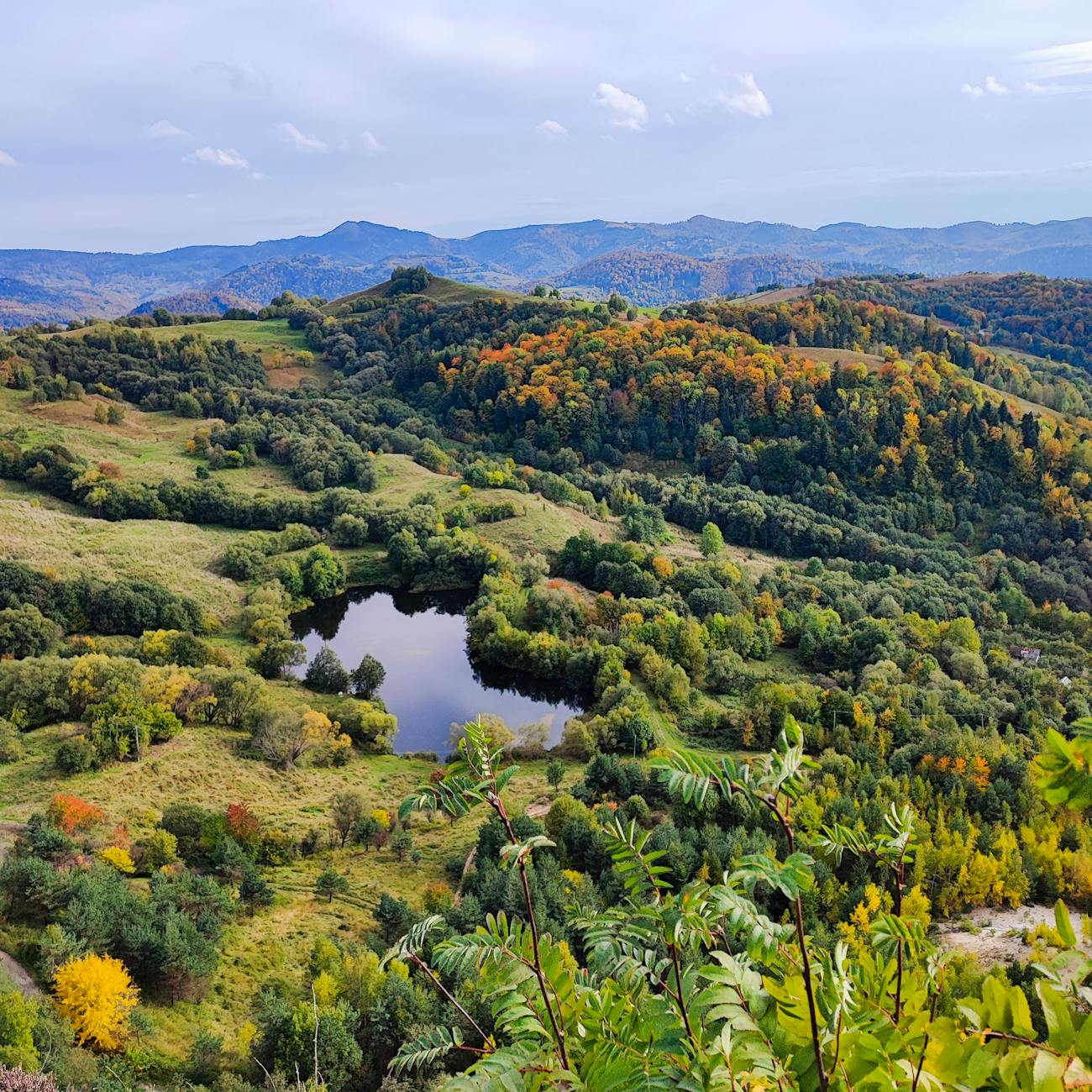
Nature conservation and biodiversity are essential components of the environmental agenda, and understanding the key terms and vocabulary is crucial for effective implementation of policies and laws. The concept of nature conservation encompasses the preservation and protection of natural resources, including ecosystems, species, and habitats. Biodiversity refers to the variety of different species of plants, animals, and microorganisms that live in an ecosystem or on Earth as a whole. The importance of biodiversity cannot be overstated, as it provides numerous ecosystem services, including air and water purification, soil formation, and climate regulation.
One of the key concepts in nature conservation is the idea of ecosystems, which are complex networks of relationships between living organisms and their environment. Ecosystems can be terrestrial, freshwater, or marine, and each has its unique characteristics and components. The health of an ecosystem is often measured by its biodiversity, which can be assessed using various indicators, such as species richness, evenness, and abundance. Understanding the interactions between different species and their environment is critical for developing effective conservation strategies.
The loss of biodiversity is a major concern globally, and it is primarily driven by human activities, such as deforestation, habitat destruction, pollution, and climate change. The impact of these activities can be seen in the decline of many species, including iconic animals like elephants, rhinos, and pandas. The conservation of these species requires a comprehensive approach that addresses the root causes of their decline and involves the participation of local communities, governments, and other stakeholders.
In the context of the European Union, nature conservation and biodiversity are governed by a range of policies and laws, including the Habitats Directive and the Birds Directive. These directives provide a framework for the conservation of natural habitats and species, and they require member states to designate protected areas and develop conservation plans. The EU also has a Biodiversity Strategy, which aims to halt the loss of biodiversity and restore ecosystems by 2020.
The implementation of these policies and laws requires a strong understanding of the key concepts and vocabulary related to nature conservation and biodiversity. For example, the term habitat refers to the natural environment in which a species or community of species lives. Habitat destruction is a major driver of biodiversity loss, and it can be caused by human activities, such as deforestation, urbanization, and agriculture. The conservation of habitats requires a comprehensive approach that addresses the root causes of their destruction and involves the participation of local communities and other stakeholders.
Another key concept in nature conservation is the idea of species conservation. This involves the protection and management of species populations to prevent their extinction. Species conservation can be achieved through a range of strategies, including the designation of protected areas, the development of conservation plans, and the regulation of human activities that impact species populations. The EU has a range of laws and policies related to species conservation, including the Habitats Directive and the Convention on International Trade in Endangered Species of Wild Fauna and Flora (CITES).
The conservation of ecosystems and species is often challenging due to the complexity of the issues involved. For example, the impact of climate change on biodiversity is a major concern, and it requires a comprehensive approach that addresses the root causes of the problem. The EU has a range of policies and laws related to climate change, including the Paris Agreement and the EU Climate and Energy Framework. These policies and laws provide a framework for reducing greenhouse gas emissions and mitigating the impact of climate change on biodiversity.
In addition to the conservation of ecosystems and species, the restoration of degraded habitats is also an important aspect of nature conservation. Habitat restoration involves the rehabilitation of degraded or damaged habitats to restore their natural function and biodiversity. This can be achieved through a range of strategies, including the reintroduction of native species, the removal of invasive species, and the restoration of natural processes such as hydrology and geology. The EU has a range of policies and laws related to habitat restoration, including the Habitats Directive and the EU Biodiversity Strategy.
The implementation of nature conservation and biodiversity policies requires a strong understanding of the key concepts and vocabulary related to the field. For example, the term ecological network refers to a network of habitats and ecosystems that are connected and interdependent. Ecological networks are important for maintaining biodiversity and providing ecosystem services, and they can be used to inform conservation planning and management. The EU has a range of policies and laws related to ecological networks, including the Habitats Directive and the EU Biodiversity Strategy.
In addition to the conservation of ecosystems and species, the promotion of sustainable land use is also an important aspect of nature conservation. Sustainable land use involves the management of land in a way that maintains its natural resources and ecosystem services, while also providing benefits for human wellbeing. This can be achieved through a range of strategies, including agroforestry, permaculture, and regenerative agriculture. The EU has a range of policies and laws related to sustainable land use, including the Common Agricultural Policy and the EU Biodiversity Strategy.
The integration of nature conservation and biodiversity into other policies and sectors is also an important aspect of the EU environmental agenda. For example, the integration of biodiversity into agricultural policy is crucial for maintaining ecosystem services and promoting sustainable agriculture. The EU has a range of policies and laws related to the integration of biodiversity into agricultural policy, including the Common Agricultural Policy and the EU Biodiversity Strategy.
The role of stakeholders in nature conservation and biodiversity is also crucial. Stakeholders include local communities, NGOs, businesses, and governments, and they can play a key role in informing conservation planning and management. The EU has a range of policies and laws related to stakeholder participation, including the Aarhus Convention and the EU Environmental Impact Assessment Directive.
The monitoring and evaluation of nature conservation and biodiversity policies is also essential for ensuring their effectiveness. This involves the use of indicators and metrics to assess the impact of policies on biodiversity and ecosystem services. The EU has a range of policies and laws related to monitoring and evaluation, including the EU Biodiversity Strategy and the Environmental Impact Assessment Directive.
In terms of practical applications, nature conservation and biodiversity can be applied in a range of contexts, including agriculture, forestry, and urban planning. For example, agroecology is a approach to agriculture that prioritizes biodiversity and ecosystem services, and it can be used to promote sustainable agriculture and reduce the impact of agriculture on the environment. The EU has a range of policies and laws related to agroecology, including the Common Agricultural Policy and the EU Biodiversity Strategy.
The challenges facing nature conservation and biodiversity are numerous and complex.
In addition to the challenges facing nature conservation and biodiversity, there are also many opportunities for promoting sustainable development and reducing the impact of human activities on the environment. For example, the use of renewable energy sources, such as wind and solar power, can help to reduce greenhouse gas emissions and mitigate the impact of climate change on biodiversity. The EU has a range of policies and laws related to renewable energy, including the EU Renewable Energy Directive and the EU Climate and Energy Framework.
The future of nature conservation and biodiversity will depend on the ability of governments, businesses, and civil society to work together to address the challenges facing the environment. This will require a comprehensive approach that addresses the root causes of biodiversity loss and promotes sustainable development. The EU has a range of policies and laws related to nature conservation and biodiversity, including the EU Biodiversity Strategy and the Environmental Impact Assessment Directive. These policies and laws provide a framework for promoting sustainable development and reducing the impact of human activities on the environment.
In terms of case studies, there are many examples of successful nature conservation and biodiversity projects around the world. For example, the reintroduction of the gray wolf to Yellowstone National Park in the United States is a well-known example of a successful conservation project. The project involved the reintroduction of a small number of gray wolves to the park, and it has been successful in restoring the ecosystem and promoting biodiversity. The project has also had a range of benefits for the local community, including the creation of jobs and the promotion of ecotourism.
Another example of a successful nature conservation and biodiversity project is the restoration of the wetlands in the Camargue region of France. The project involved the restoration of a large area of wetlands, and it has been successful in promoting biodiversity and reducing the impact of human activities on the environment.
In conclusion, nature conservation and biodiversity are essential components of the environmental agenda, and understanding the key concepts and vocabulary related to the field is crucial for effective implementation of policies and laws.
Key takeaways
- Nature conservation and biodiversity are essential components of the environmental agenda, and understanding the key terms and vocabulary is crucial for effective implementation of policies and laws.
- One of the key concepts in nature conservation is the idea of ecosystems, which are complex networks of relationships between living organisms and their environment.
- The conservation of these species requires a comprehensive approach that addresses the root causes of their decline and involves the participation of local communities, governments, and other stakeholders.
- In the context of the European Union, nature conservation and biodiversity are governed by a range of policies and laws, including the Habitats Directive and the Birds Directive.
- The conservation of habitats requires a comprehensive approach that addresses the root causes of their destruction and involves the participation of local communities and other stakeholders.
- This involves the protection and management of species populations to prevent their extinction.
- For example, the impact of climate change on biodiversity is a major concern, and it requires a comprehensive approach that addresses the root causes of the problem.