
The Role of Media in Environmental Discourse
In the Professional Certificate in Environmental Communication, the Role of Media in Environmental Discourse is a key unit that explores the relationship between media, communication, and the environment. This explanation will cover some of…
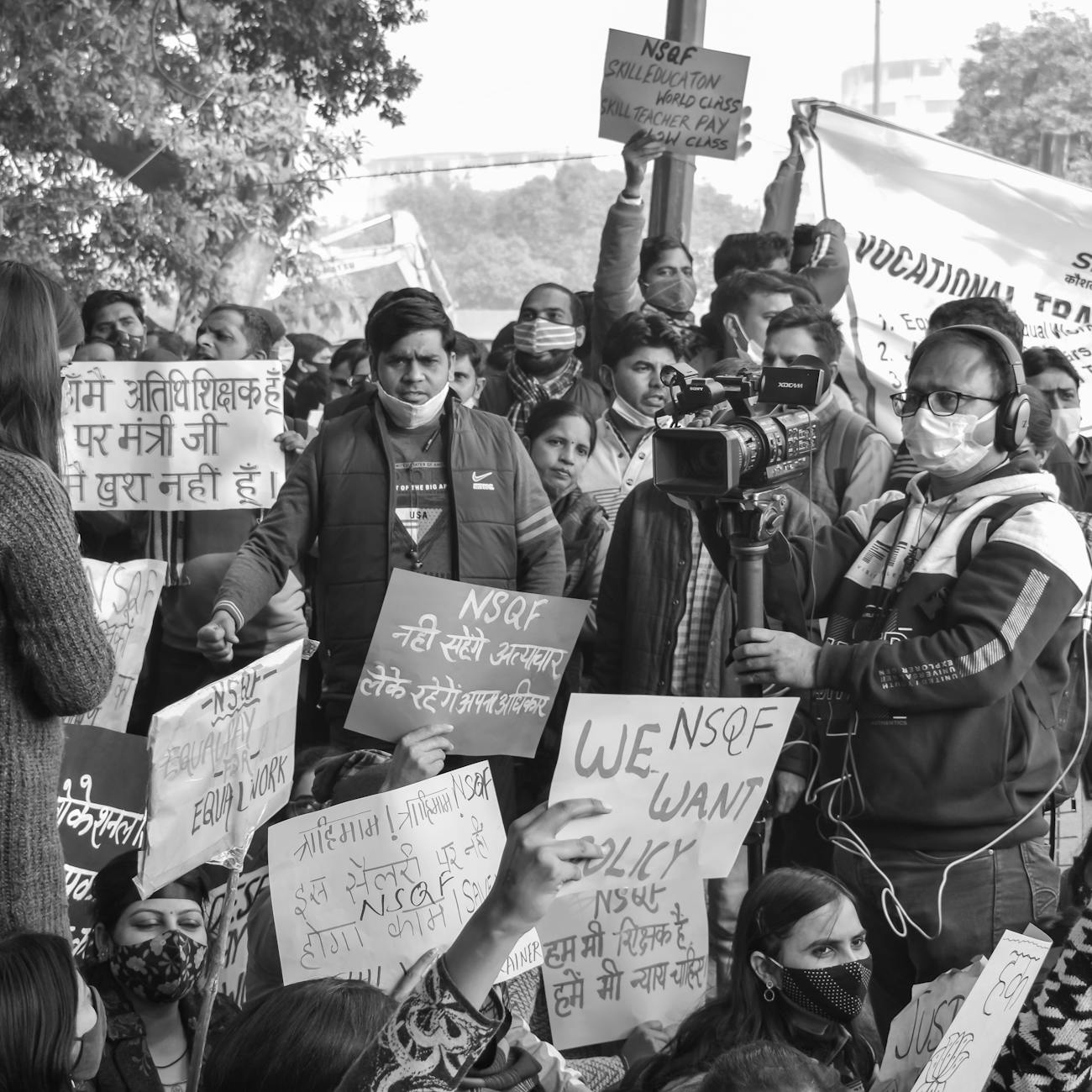
In the Professional Certificate in Environmental Communication, the Role of Media in Environmental Discourse is a key unit that explores the relationship between media, communication, and the environment. This explanation will cover some of the key terms and vocabulary related to this unit.
1. Media: Media refers to the various means of communication, such as television, radio, newspapers, and the internet. Media plays a crucial role in shaping public opinion and awareness about environmental issues. 2. Environmental Discourse: Environmental discourse refers to the way environmental issues are discussed and represented in the media. This can include the language used, the frames and narratives employed, and the values and assumptions underlying the discourse. 3. Framing: Framing is the way that issues are presented and contextualized in the media. Different frames can lead to different interpretations and responses to environmental issues. For example, a frame that emphasizes the economic benefits of environmental protection may be more persuasive to some audiences than a frame that emphasizes the ecological risks of not taking action. 4. Narrative: Narratives are the stories that are told about environmental issues in the media. These narratives can shape public perceptions and attitudes towards the environment. For example, a narrative that portrays the environment as a pristine wilderness that must be protected at all costs may be more effective in mobilizing public support for environmental protection than a narrative that portrays the environment as a resource to be exploited for human benefit. 5. Environmental Justice: Environmental justice refers to the fair distribution of environmental benefits and burdens across different communities and social groups. This includes issues such as the location of polluting industries, the allocation of natural resources, and the impact of climate change on marginalized communities. 6. Climate Change: Climate change refers to the long-term changes in global temperatures and weather patterns, largely due to human activities such as burning fossil fuels. Climate change is one of the most significant environmental challenges facing the world today, and the media plays a critical role in informing the public about its causes, consequences, and potential solutions. 7. Sustainability: Sustainability refers to the ability of a system to meet the needs of the present without compromising the ability of future generations to meet their own needs. Sustainability is a key concept in environmental communication, as it emphasizes the need for long-term thinking and holistic approaches to environmental issues. 8. Public Opinion: Public opinion refers to the collective attitudes and beliefs of a population towards a particular issue. The media can shape public opinion by presenting information and arguments that influence people's perceptions and attitudes towards the environment. 9. Media Literacy: Media literacy refers to the ability to critically analyze and evaluate media messages. Media literacy is an important skill in environmental communication, as it enables people to understand the underlying assumptions and values of environmental discourse and to make informed decisions about environmental issues. 10. Environmental Advocacy: Environmental advocacy refers to the efforts of individuals and organizations to promote environmental protection and conservation. The media can play a key role in environmental advocacy by amplifying the voices of marginalized communities, highlighting environmental injustices, and promoting sustainable practices.
Examples and Practical Applications:
* The media can frame environmental issues in different ways to appeal to different audiences. For example, a frame that emphasizes the economic benefits of renewable energy may be more persuasive to business leaders than a frame that emphasizes the ecological risks of fossil fuels. * Narratives about the environment can have a powerful impact on public perceptions and attitudes. For example, a narrative that portrays the environment as a source of wonder and inspiration may be more effective in mobilizing public support for conservation than a narrative that portrays the environment as a threat or a problem to be solved. * Media literacy is an important skill in evaluating environmental discourse. For example, being able to identify the sources of information, the underlying assumptions, and the values and ideologies at play can help people make informed decisions about environmental issues. * Environmental advocacy can be amplified through the media. For example, social media platforms can be used to mobilize public support for environmental causes, and traditional media outlets can be used to raise awareness about environmental injustices and promote sustainable practices.
Challenges:
* The media can sometimes reproduce dominant ideologies and power structures, which can perpetuate environmental injustices and undermine sustainability. * The media can also contribute to the public's lack of understanding or misinformation about environmental issues, making it difficult for people to make informed decisions. * Environmental advocacy can be challenging due to the influence of powerful interests, such as fossil fuel companies, that may seek to undermine or co-opt environmental messages.
Conclusion:
Understanding the role of media in environmental discourse is crucial for effective environmental communication. By understanding key terms and concepts, such as framing, narrative, environmental justice, and sustainability, communicators can develop strategies to engage audiences, promote sustainable practices, and advocate for environmental protection. However, there are also challenges to effective environmental communication, such as the influence of powerful interests and the potential for media to perpetuate environmental injustices. Media literacy is an important skill for navigating these challenges and making informed decisions about environmental issues.
Word Count: 612 (excluding this sentence)
Key takeaways
- In the Professional Certificate in Environmental Communication, the Role of Media in Environmental Discourse is a key unit that explores the relationship between media, communication, and the environment.
- Media literacy is an important skill in environmental communication, as it enables people to understand the underlying assumptions and values of environmental discourse and to make informed decisions about environmental issues.
- For example, social media platforms can be used to mobilize public support for environmental causes, and traditional media outlets can be used to raise awareness about environmental injustices and promote sustainable practices.
- * Environmental advocacy can be challenging due to the influence of powerful interests, such as fossil fuel companies, that may seek to undermine or co-opt environmental messages.
- However, there are also challenges to effective environmental communication, such as the influence of powerful interests and the potential for media to perpetuate environmental injustices.