
Virtual and Augmented Reality for Cricket Training
Virtual Reality (VR) is a computer‑generated environment that completely replaces the user’s perception of the physical world. In cricket training, VR creates a fully immersive simulation of a pitch, stadium, or practice facility, allowing …
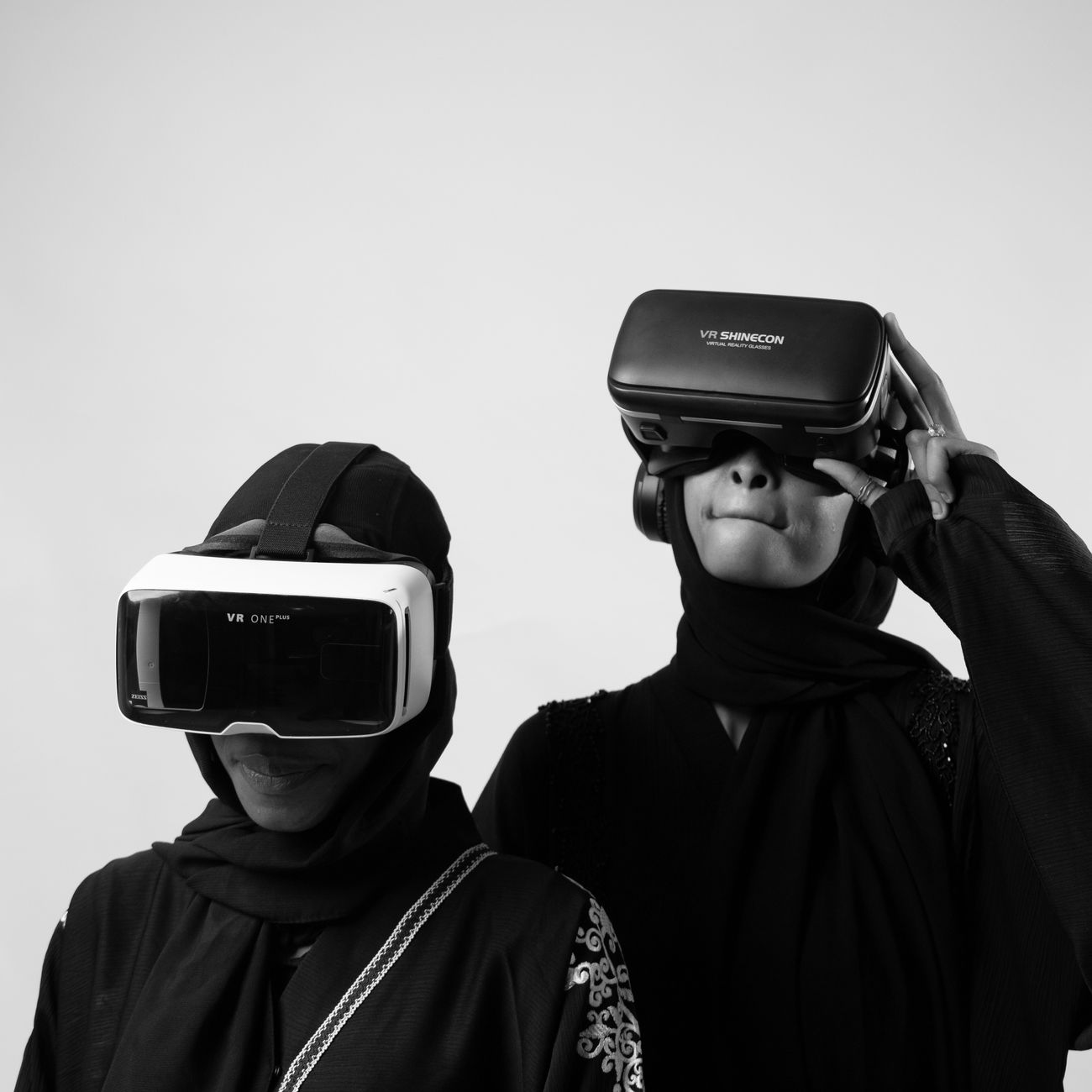
Virtual Reality (VR) is a computer‑generated environment that completely replaces the user’s perception of the physical world. In cricket training, VR creates a fully immersive simulation of a pitch, stadium, or practice facility, allowing players to rehearse batting, bowling, and fielding without the constraints of weather, time, or physical space. The core components of a VR system include a Head‑Mounted Display (HMD), motion‑tracking sensors, and a processing unit that renders three‑dimensional graphics at high frame rates. When the HMD presents stereoscopic images to each eye, the brain interprets depth cues, resulting in a sense of presence that can be measured by the user’s physiological responses and performance metrics.
Augmented Reality (AR) overlays digital information onto the real world, blending virtual objects with the player’s actual environment. For cricket coaches, AR can project a virtual ball trajectory onto a real net, display real‑time biomechanical data on a player’s swing, or annotate field positions on the grass in front of the bowler. The technology typically relies on see‑through headsets, handheld tablets, or smart glasses that combine camera feeds with computer‑generated graphics. By maintaining a direct view of the physical surroundings, AR supports a higher degree of interaction with real equipment while still delivering data‑driven insights.
Mixed Reality (MR) is a hybrid of VR and AR, allowing virtual elements to interact with the physical world in a bidirectional manner. In an MR cricket drill, a virtual batsman could respond to a real ball, or a simulated fielding scenario could react to the player’s actual movement. This requires sophisticated spatial mapping, where the system creates a digital replica of the training space, identifies surfaces, and anchors virtual objects accordingly.
Key Vocabulary for VR and AR in Cricket Training
Head‑Mounted Display – The wearable device that presents visual content to the user’s eyes. Modern HMDs for sports training incorporate high resolution, low latency, and integrated eye‑tracking to gauge focus and attention.
Latency – The delay between a user’s physical movement and the visual update on the display. In cricket simulations, latency above 20 milliseconds can disrupt timing perception, especially for fast bowlers and batsmen reacting to sub‑second events.
Frame Rate – The number of images displayed per second, measured in Hertz (Hz). A stable frame rate of 90 Hz or higher is recommended for smooth motion representation, reducing motion sickness and preserving the fidelity of fast ball deliveries.
Motion Capture – The process of recording the three‑dimensional positions of body markers or sensor data to reconstruct a player’s movement. In VR training, motion capture data drives the avatar’s animation, while in AR it can be used to overlay joint angles on the live video feed.
Tracking System – The hardware and software that determine the position and orientation of the user and any tracked objects. Tracking can be optical (using infrared cameras), inertial (using accelerometers and gyroscopes), or a hybrid of both. Accurate tracking ensures that virtual balls follow realistic trajectories and that the player’s stance is correctly aligned with the simulated pitch.
Haptic Feedback – Tactile sensations delivered through wearable devices, such as vibration motors in gloves or exoskeletons. Haptic cues can simulate the impact of a ball on the bat, the resistance of a bowling run‑up, or the “feel” of a catch, enhancing proprioception and muscle memory.
Spatial Mapping – The creation of a digital representation of the physical environment, including walls, floors, and obstacles. In AR cricket drills, spatial mapping allows virtual markers to stay anchored to the net or the crease, even as the player moves.
Eye‑Tracking – The technology that monitors where the user is looking on the display. Eye‑tracking data can reveal a batsman’s visual fixation patterns, helping coaches identify whether the player is tracking the ball early enough or focusing on the bowler’s release point.
Pose Estimation – The computational technique that determines the orientation of body segments from video or sensor data. Pose estimation algorithms are essential for real‑time feedback on batting stance, bowling action, and fielding movement.
Computer Vision – The field of study that enables machines to interpret visual information. In AR cricket training, computer vision processes the camera feed to detect the ball, the bat, and the player’s body, enabling dynamic overlays such as trajectory predictions.
Machine Learning – A subset of artificial intelligence that uses statistical models to learn patterns from data. Machine learning models can predict a bowler’s delivery type, classify batting shot selection, or recommend field placements based on historical performance.
Neural Network – A machine‑learning architecture inspired by the human brain, often used for complex pattern recognition tasks. Convolutional neural networks (CNNs) are particularly effective for analyzing video frames of cricket actions.
Dataset – A collection of labeled examples used to train machine‑learning models. For cricket VR/AR, datasets may include thousands of annotated deliveries, shot outcomes, and biomechanical measurements.
Ground Truth – The accurate reference data against which model predictions are compared. In training a pose‑estimation system, ground‑truth joint coordinates are obtained through high‑precision motion‑capture rigs.
Simulation Fidelity – The degree to which a virtual environment replicates real‑world physics, visual appearance, and sensory cues. High fidelity is crucial for skill transfer, ensuring that a technique learned in VR translates to on‑field performance.
Skill Transfer – The process by which abilities acquired in a simulated environment are applied to the real sport. Researchers measure transfer by comparing pre‑ and post‑intervention performance metrics such as strike rate, bowling speed, or fielding efficiency.
Cognitive Load – The amount of mental effort required to process information during a task. VR and AR training must balance informative overlays with the risk of overwhelming the player, which can impede learning.
Scenario‑Based Training – The practice of recreating specific match situations, such as a final over chase, a spin‑rich pitch, or a high‑pressure catch. Scenario‑based drills allow coaches to embed decision‑making practice within immersive environments.
Real‑Time Analytics – The immediate processing and display of performance data, such as bat swing speed, ball release angle, or fielding reaction time. Real‑time analytics enable instantaneous corrective feedback.
Personalised Avatar – A digital representation of the player that mirrors their body dimensions and movement style. Personalised avatars increase immersion and provide a reference for comparing ideal technique versus actual execution.
Digital Twin – A virtual replica of a physical entity that updates continuously with sensor data. In cricket, a digital twin of a bowler can simulate the effect of minor adjustments to run‑up length or wrist position, allowing coaches to experiment without physical risk.
Calibration – The process of aligning the virtual coordinate system with the real world, ensuring that virtual objects appear at the correct location relative to the player. Accurate calibration is essential for AR overlays that guide foot placement on the crease.
Latency Compensation – Techniques used to mitigate the effects of system lag, such as predictive tracking algorithms that estimate future positions based on current motion trends. Compensation helps maintain the illusion of immediate response, which is vital for high‑speed batting drills.
Field‑of‑View (FOV) – The angular extent of the observable world seen through the display. A wide FOV (e.G., 110 Degrees) allows a batsman to perceive the full bowler’s action and the ball’s trajectory without feeling constrained.
Immersion – The subjective feeling of being “inside” the virtual environment. Immersion is influenced by visual fidelity, audio realism, haptic cues, and the absence of external distractions.
Presence – The psychological sense of existing within the simulated space. Presence can be measured through questionnaires, physiological indicators, or performance consistency between virtual and real tasks.
Audio Spatialisation – The rendering of sound sources in three dimensions, creating realistic auditory cues such as the crowd roar, ball impact, or footfalls. Accurate audio helps players develop timing based on auditory as well as visual signals.
Environmental Mapping – The capture and reconstruction of a real‑world location for use in VR scenarios. For cricket, environmental mapping can recreate iconic stadiums like the MCG or the SCG, providing context‑rich training experiences.
Data Fusion – The integration of information from multiple sensors (e.G., Inertial, optical, and pressure) to produce a more accurate representation of movement. Data fusion improves the reliability of biomechanical feedback.
Biomechanical Modelling – The use of physics‑based simulations to analyze forces, torques, and energy transfer in a player’s movement. Biomechanical models can predict injury risk and suggest technique refinements.
Performance Metric – Quantitative indicators of skill, such as bat swing velocity, ball spin rate, foot placement accuracy, or reaction time. Metrics are extracted from sensor data and presented to the player and coach for evaluation.
Feedback Loop – The cyclic process of measurement, analysis, and corrective instruction. In VR/AR cricket training, feedback loops can be automated, delivering instant visual cues (e.G., A red line indicating an over‑extended reach) or delayed coach commentary.
Training Load – The total amount of physical and mental work performed during a training session. Monitoring training load in immersive environments helps prevent overtraining and ensures progressive overload.
Adaptive Difficulty – The dynamic adjustment of challenge level based on the player’s performance. Adaptive algorithms can increase ball speed, vary spin, or introduce deceptive deliveries as the player improves.
Gamification – The incorporation of game‑like elements such as points, leaderboards, and achievements to motivate engagement. In VR cricket drills, gamification can encourage repeat practice and foster competitive spirit.
Scenario Randomisation – The deliberate variation of match conditions (e.G., Pitch type, weather, opposition bowler) to promote robust skill development. Randomisation prevents over‑fitting to a single set of conditions.
Wearable Sensors – Devices attached to the body (e.G., Inertial measurement units, EMG patches) that capture motion and physiological data. Wearables enhance the richness of VR/AR feedback by providing internal metrics like muscle activation.
Latency Threshold – The maximum permissible delay before the user perceives the system as unresponsive. For cricket batting, a latency threshold of roughly 15 ms is often cited as the upper limit for maintaining natural timing.
Motion Sickness – A discomfort experienced when visual motion cues conflict with vestibular signals. Proper frame rates, low latency, and accurate tracking help mitigate motion sickness in VR cricket simulations.
Projection Mapping – The technique of casting images onto physical surfaces, which can be used to turn a practice net into a dynamic visual display of ball trajectories and target zones.
Contextual Awareness – The system’s ability to recognise the player’s surroundings and adapt content accordingly. In AR, contextual awareness might involve detecting whether the player is on a concrete pitch versus a grass field and adjusting visual overlays.
Real‑World Validation – The process of testing whether improvements observed in VR/AR translate to actual on‑field performance. Validation studies often involve pre‑ and post‑intervention testing in live matches.
Latency Compensation Algorithms – Predictive models that anticipate user movement to render frames ahead of time, reducing perceived lag. Common approaches include Kalman filters and machine‑learning‑based motion predictors.
Spatial Audio – Sound rendering that mimics the direction and distance of sources, reinforcing the sense of depth. Spatial audio can cue a batsman to the side‑on delivery of a swing bowler, enhancing anticipatory skills.
Haptic Gloves – Wearable devices that provide tactile sensations at the fingertips, allowing players to feel the texture and impact of a virtual ball. Haptic gloves can be programmed to vary resistance based on ball speed and spin.
Virtual Coach – An AI‑driven avatar that offers real‑time guidance, such as reminding a bowler to keep the front foot behind the crease or suggesting a corrective cue for a batsman’s grip.
Data Privacy – The protection of personal performance data collected during training. Coaches must ensure compliance with privacy regulations when storing and analysing biometric information.
System Integration – The combination of hardware components (HMDs, trackers, wearables) and software platforms (game engine, analytics dashboard) into a seamless training solution. Effective integration reduces setup time and technical barriers.
Cloud Processing – Off‑loading computationally intensive tasks (e.G., Deep‑learning inference) to remote servers, enabling lighter on‑device hardware. Cloud processing can support real‑time analytics without sacrificing performance.
Edge Computing – Performing data processing close to the sensor source, reducing latency and bandwidth usage. Edge computing is valuable for delivering instantaneous feedback during fast‑paced drills.
Open‑Source Frameworks – Publicly available software libraries (e.G., OpenXR, TensorFlow) that facilitate development of VR/AR applications. Leveraging open‑source tools can accelerate prototype creation and foster community collaboration.
User Interface (UI) – The visual and interactive elements through which the player interacts with the system, such as menus, icons, and control panels. A well‑designed UI minimises distraction while providing essential information.
User Experience (UX) – The overall experience of the player, encompassing usability, comfort, and satisfaction. UX design in cricket VR should prioritise intuitive controls, ergonomic hardware, and clear feedback mechanisms.
Ergonomics – The study of how equipment fits the human body. Ergonomic design of headsets and wearables reduces fatigue and encourages longer training sessions.
Calibration Routine – A step‑by‑step procedure that aligns sensors, defines the player’s neutral stance, and establishes reference points for measurement. A thorough calibration routine improves data accuracy.
Simulation Environment – The virtual world where training occurs, built using game engines such as Unity or Unreal. The environment may include realistic stadium lighting, crowd ambience, and weather effects.
Physics Engine – The software component that computes realistic motion, collisions, and forces. In cricket simulations, physics engines model ball bounce, spin decay, and bat‑ball interaction.
Real‑World Anchor – A fixed point in the physical space used to align virtual objects. Anchors ensure that AR markers remain stable relative to the crease or the pitch markings.
Digital Overlay – Visual elements superimposed onto the live video feed, such as a trajectory line, swing arc, or foot‑placement grid. Overlays provide immediate visual cues without requiring separate screens.
Trajectory Prediction – The calculation of the ball’s future path based on launch parameters, spin, and environmental factors. Accurate trajectory prediction assists players in visualising where to aim their shots.
Spin Axis – The orientation of the ball’s rotational vector, which determines the direction and magnitude of swing or turn. Spin axis data can be visualised in AR to help bowlers understand their delivery mechanics.
Release Point – The spatial location where the ball leaves the bowler’s hand. Tracking release point enables coaches to assess consistency and adjust bowling angles.
Foot‑Placement Grid – An AR grid projected onto the pitch to guide a batsman’s stance and weight distribution. The grid can adapt to different batting styles, such as front‑foot dominant or back‑foot defensive approaches.
Shot‑Selection Matrix – A decision‑support tool that presents optimal shot options based on ball trajectory, field placement, and match context. The matrix can be displayed in VR to train cognitive decision‑making.
Field‑Setting Optimiser – An AI algorithm that recommends field placements based on bowler type, batter tendencies, and pitch conditions. In AR, the optimiser can project suggested positions onto the ground for the captain to review.
Performance Dashboard – A visual summary of key metrics, including batting average, bowling economy, and fielding efficiency, presented after each training session. The dashboard may incorporate trend graphs and comparative benchmarks.
Data Normalisation – The process of scaling raw sensor values to a common range, facilitating fair comparison across players and sessions. Normalisation is essential when aggregating data from different hardware setups.
Cross‑Platform Compatibility – The ability of the training software to run on multiple hardware ecosystems, such as PC‑based VR rigs, standalone headsets, and mobile AR devices. Compatibility expands accessibility for clubs with varying resources.
Real‑World Transfer Test – An assessment where a player performs a skill learned in VR/AR on an actual pitch, allowing coaches to quantify the effectiveness of the immersive training method.
Statistical Significance – The likelihood that observed performance changes are not due to random variation. Coaches use statistical tests to validate the impact of VR interventions before scaling them.
Iterative Development – A design approach that involves repeated cycles of prototyping, testing, and refinement. Iterative development ensures that the VR/AR system evolves based on user feedback and performance data.
Stakeholder Engagement – Involving coaches, players, administrators, and technical staff in the design and deployment of immersive training tools. Engaged stakeholders are more likely to adopt and champion the technology.
Regulatory Compliance – Adhering to sport governing body guidelines regarding equipment, safety, and data handling. For Australian cricket, compliance with Cricket Australia’s technology policies is mandatory.
Practical Applications
1. Virtual Bowling Alley – A VR scenario that replicates a full-length pitch with adjustable bowler avatars. Players can practice batting against a range of deliveries, from pace to spin, while the system records swing tempo, shot selection, and decision latency. Coaches can replay specific balls, alter the bowler’s angle, and compare the batsman’s response across multiple repetitions.
2. AR Net Training – Using AR glasses, a batsman faces a real net while a virtual ball is projected onto the mesh. The ball’s speed, spin, and bounce are controlled by the software, allowing the player to face deliveries that would be unsafe to generate physically. Real‑time visual cues highlight the optimal swing plane, and haptic gloves provide impact feedback when the bat meets the virtual ball.
3. Biomechanical Feedback Loop – Wearable inertial sensors capture a bowler’s run‑up and delivery mechanics. The data streams to a VR avatar that mirrors the live motion, while an AI model analyses joint angles and compares them to an ideal template. Deviations are displayed as colour‑coded overlays on the avatar, and the system proposes corrective drills.
4. Field Placement Visualiser – In AR mode, a captain points the headset toward the outfield, and the system draws suggested fielding circles based on the current bowler’s style and the batter’s historical tendencies. The visualiser updates in real time as the bowler adjusts line and length, helping the captain make dynamic strategic decisions.
5. Scenario‑Based Pressure Training – A VR session recreates a final‑over chase with realistic crowd noise and scoreboard updates. The batsman must manage run‑rate, strike rotation, and wicket preservation. The system tracks decision‑making speed, risk assessment, and physiological stress markers (e.G., Heart rate), providing a holistic view of performance under pressure.
6. Adaptive Drill Generator – An AI engine analyses a player’s recent training data and automatically generates a sequence of drills that target identified weaknesses. For a batsman struggling with short‑ball handling, the generator schedules a series of virtual bouncers with varying bounce heights and spin, gradually increasing difficulty as proficiency improves.
7. Virtual Reality Match Replay – After a live match, coaches can import video data into a VR environment, reconstructing each ball’s trajectory and player positions. Players can then step into the simulation, view the delivery from the bowler’s perspective, and rehearse alternative shot options in a safe, controlled setting.
Challenges and Considerations
Hardware Limitations – Despite rapid advancements, current HMDs may still be bulky, have limited battery life, or suffer from reduced resolution at the edges of the field of view. These constraints can affect comfort during extended training sessions and may limit the realism of peripheral cues that are vital for a batsman’s situational awareness.
Tracking Accuracy – Indoor tracking systems can experience occlusion when the player’s limbs block infrared markers, leading to jittery avatar movement. Outdoor AR applications must contend with variable lighting, reflective surfaces, and GPS drift, all of which can degrade positional fidelity.
Latency Management – Achieving sub‑15 ms latency requires careful optimisation of the entire pipeline, from sensor sampling to rendering. Network latency becomes a factor when cloud processing is employed, necessitating edge‑computing solutions or predictive algorithms to bridge the gap.
Data Overload – The richness of sensor data can overwhelm both players and coaches if not presented judiciously. Selecting the most relevant metrics and designing intuitive visualisations are essential to prevent cognitive overload and ensure actionable insights.
Skill Transfer Validation – Demonstrating that VR‑derived improvements translate to on‑field success is non‑trivial. Controlled studies must account for confounding variables such as environmental conditions, opponent variability, and psychological factors. Longitudinal tracking of performance indicators is required to establish causality.
Motion Sickness Mitigation – Even with high frame rates, some players experience nausea due to mismatched vestibular cues. Strategies include reducing acceleration, providing a stable horizon, and allowing users to control the pace of the simulation. Gradual exposure protocols can also acclimate players to immersive environments.
Privacy and Security – Biometric and performance data are sensitive, and improper handling can lead to breaches. Implementing encryption, secure authentication, and clear consent procedures safeguards player information and complies with Australian privacy legislation.
Cost Barriers – High‑end VR rigs and specialized wearables represent a significant investment for grassroots clubs. Developing scalable solutions that can operate on affordable hardware, such as mobile AR devices, is crucial for widespread adoption.
Standardisation of Metrics – The cricket community lacks a unified framework for reporting VR/AR performance data. Establishing industry‑wide standards for metrics such as “virtual swing speed” or “AR field‑placement accuracy” would facilitate benchmarking and research collaboration.
Integration with Existing Coaching Practices – Coaches accustomed to traditional drills may resist adopting immersive technologies. Providing clear evidence of efficacy, offering training for coaches, and aligning VR/AR tools with established coaching curricula can ease the transition.
Environmental Constraints – Outdoor AR training must contend with weather, lighting, and space availability. Protective enclosures for hardware, adaptive brightness control, and modular setups can mitigate these challenges.
Software Update Cycle – Rapid evolution of VR platforms can lead to compatibility issues. Maintaining backward‑compatible code, employing modular architecture, and planning for regular updates helps ensure longevity of training solutions.
Ethical Use of AI – AI‑driven recommendations, such as field‑setting optimisers, must be transparent and avoid reinforcing biases present in historical data. Auditing AI models for fairness and providing explainable outputs fosters trust among coaches and players.
Physical Safety – Immersive training can encourage players to move aggressively within limited spaces, raising the risk of collisions with furniture or other participants. Clear safety zones, floor markers, and supervision protocols are necessary to prevent injuries.
User Acceptance – Individual differences in technology affinity can affect adoption rates. Providing optional “low‑immersion” modes, offering hands‑on demonstrations, and collecting user feedback throughout development increase acceptance.
Battery Management – Extended training sessions can drain headset batteries, causing interruptions. Swappable battery packs, fast‑charging docks, and session scheduling that incorporates charging breaks help maintain continuity.
Calibration Drift – Over time, sensor calibration may shift, leading to progressive error in motion capture. Implementing automated recalibration checks before each session, or using self‑correcting algorithms, preserves data integrity.
Network Bandwidth – Streaming high‑resolution video for AR overlays or transmitting sensor data to cloud servers demands robust network infrastructure. In remote training locations, offline modes that store data locally and sync later are essential.
Interoperability with Wearables – The market offers a wide variety of inertial sensors, EMG devices, and heart‑rate monitors. Designing open APIs and adhering to industry standards such as Bluetooth Low Energy (BLE) facilitates seamless integration.
Learning Curve for Players – New users may need time to adapt to the visual and haptic cues of VR/AR. Structured onboarding sessions that gradually introduce complexity can accelerate proficiency and reduce frustration.
Regulatory Approval for Medical Claims – When biomechanics data is used to claim injury‑prevention benefits, regulatory bodies may require clinical validation. Collaborating with sports medicine experts and conducting peer‑reviewed research ensures compliance.
Scalability of Content Creation – Developing high‑fidelity cricket environments, realistic ball physics, and diverse player avatars is resource‑intensive. Leveraging procedural generation, reusable asset libraries, and community contributions can reduce development overhead.
Localization and Cultural Relevance – Training content should reflect the specific contexts of Australian cricket, including local pitch characteristics, climate, and competition structures. Customising scenarios to regional conditions enhances relevance and engagement.
Performance Benchmarking – Establishing baseline metrics for each skill (e.G., Average reaction time to a yorker) enables meaningful progress tracking. Benchmarks should be derived from a representative sample of players across skill levels.
Feedback Timing – Immediate feedback is valuable for motor learning, yet excessive interruptions can hinder flow. Designing feedback mechanisms that trigger at natural pause points (e.G., After a delivery) balances reinforcement with continuity.
Multi‑User Collaboration – Some training drills involve simultaneous participation of multiple players, such as fielding practice with a virtual ball. Synchronising avatars, managing network latency, and ensuring consistent physics across users are technical challenges that must be addressed.
Cross‑Disciplinary Expertise – Successful implementation of VR/AR cricket training requires collaboration among software engineers, sports scientists, biomechanics experts, and experienced coaches. Building interdisciplinary teams ensures that technological solutions are grounded in cricket‑specific knowledge.
Future Directions – Emerging technologies such as brain‑computer interfaces (BCI) could eventually provide direct neural feedback on decision‑making processes. Integration with 5G networks promises ultra‑low latency for cloud‑rendered experiences, while advances in haptic actuation may deliver more nuanced tactile sensations, such as the subtle vibration of seam movement.
By mastering this terminology, coaches and developers can communicate precisely about the design, implementation, and evaluation of immersive cricket training solutions. The vocabulary serves as a shared language that bridges the gap between cutting‑edge technology and the practical demands of elite performance development in Australian cricket.
Key takeaways
- In cricket training, VR creates a fully immersive simulation of a pitch, stadium, or practice facility, allowing players to rehearse batting, bowling, and fielding without the constraints of weather, time, or physical space.
- For cricket coaches, AR can project a virtual ball trajectory onto a real net, display real‑time biomechanical data on a player’s swing, or annotate field positions on the grass in front of the bowler.
- This requires sophisticated spatial mapping, where the system creates a digital replica of the training space, identifies surfaces, and anchors virtual objects accordingly.
- Modern HMDs for sports training incorporate high resolution, low latency, and integrated eye‑tracking to gauge focus and attention.
- In cricket simulations, latency above 20 milliseconds can disrupt timing perception, especially for fast bowlers and batsmen reacting to sub‑second events.
- A stable frame rate of 90 Hz or higher is recommended for smooth motion representation, reducing motion sickness and preserving the fidelity of fast ball deliveries.
- Motion Capture – The process of recording the three‑dimensional positions of body markers or sensor data to reconstruct a player’s movement.