
Observation And Planning
Observation is the systematic process of watching children’s actions, interactions, and expressions to gain insight into their learning processes, interests, and developmental progress. In the Reggio Emilia approach, observation is not mere…
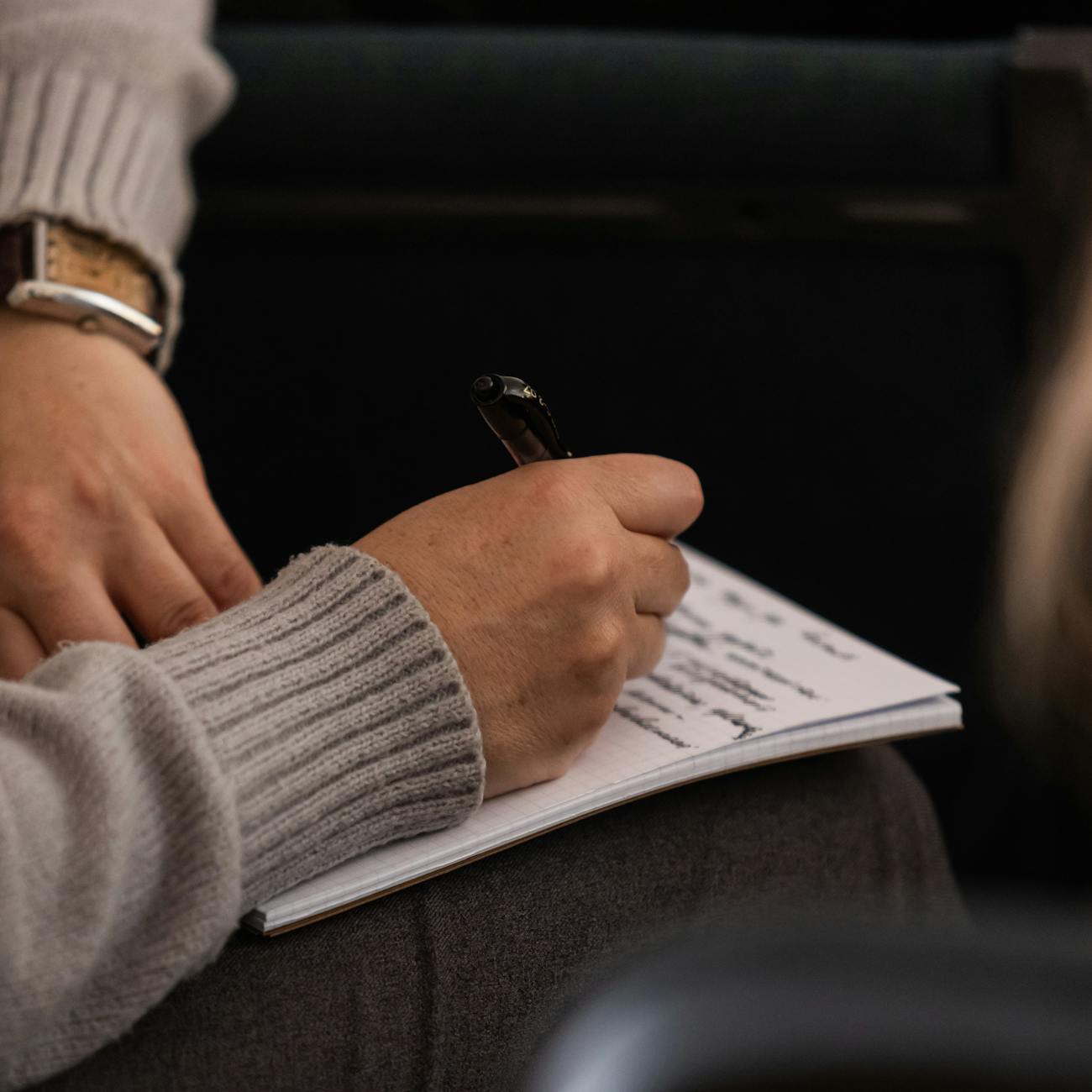
Observation is the systematic process of watching children’s actions, interactions, and expressions to gain insight into their learning processes, interests, and developmental progress. In the Reggio Emilia approach, observation is not merely a data‑collection exercise; it is an open‑ended, reflective practice that respects the child as an active participant in meaning‑making. For example, a practitioner may notice a group of children gathering around a low‑lying table, repeatedly stacking wooden blocks and then knocking them down. By noting the frequency, duration, and variations of this activity, the educator can infer emerging concepts of balance, cause‑and‑effect, and collaborative problem‑solving.
Practical application of observation involves using a variety of tools such as field notes, video recordings, and photographic documentation. A common practice is the “snapshot” method, where the educator captures a brief, focused moment of a child’s engagement, then annotates the image with brief descriptive notes. This method helps preserve the immediacy of the child’s experience while providing a tangible record for later analysis. Challenges may arise when observers unintentionally influence the child’s behavior, a phenomenon known as the “observer effect.” To mitigate this, practitioners are encouraged to adopt a low‑profile stance, allowing children to lead the interaction and intervening only when safety or ethical concerns arise.
Documentation in the Reggio Emilia context refers to the process of collecting, organizing, and displaying evidence of children’s learning over time. It includes written narratives, photographs, children’s artwork, audio recordings, and even three‑dimensional artifacts. Documentation serves multiple purposes: It makes learning visible, supports reflective practice, informs curriculum planning, and communicates with families and the wider community. An example of effective documentation is a “learning story” displayed on a wall, where a series of photographs shows a child’s exploration of water, accompanied by short captions that capture the child’s thoughts and the educator’s observations.
One practical strategy for documentation is the use of “learning walls” or “documentation panels,” where educators curate a selection of artifacts that illustrate a particular project or theme. The panels are regularly updated, allowing children to revisit and extend their ideas. A challenge in documentation is ensuring authenticity; the educator must avoid imposing adult interpretations that obscure the child’s perspective. To address this, many practitioners involve children in the documentation process, inviting them to label their own photographs or to select which pieces of work they feel best represent their learning.
Pedagogical Documentation extends the concept of documentation by integrating it into the planning and assessment cycles. It is a collaborative, interpretive practice where educators, children, and families co‑construct meaning from observed experiences. The term emphasizes the pedagogical intent behind the collection and presentation of evidence. For instance, after a series of observations on children’s use of natural materials, an educator may create a visual narrative that highlights patterns of inquiry, then uses this narrative to design a new project that deepens the children’s understanding of ecological concepts.
A practical application of pedagogical documentation is the “documentary interview,” where an educator records a child’s verbal explanation of an activity, then transcribes or captions the interview for inclusion in a display. This method foregrounds the child’s voice, reinforcing the principle that children are competent researchers of their own world. Challenges include time constraints and the need for skilled transcription, which may require additional support staff or digital tools to streamline the process.
Atelier is the dedicated studio space for artistic exploration, typically equipped with a range of high‑quality materials, tools, and resources. In the Reggio Emilia philosophy, the atelier is more than a room; it is a hub of creativity where children can experiment, reflect, and communicate through multiple expressive media. The presence of a trained “atelierista” (studio specialist) further enriches the learning environment, providing expertise in artistic processes and guiding children’s inquiry without dictating outcomes.
For example, an atelier might contain a collection of natural pigments, clay, recycled cardboard, and digital media tools. Children may choose to create a collage using leaf fragments, then later discuss the textures and colors they discovered, thereby linking sensory experiences with artistic expression. A practical challenge is ensuring equitable access to the atelier, especially in schools with limited space. Solutions may involve scheduling rotational visits, integrating atelier‑based activities into the wider curriculum, or creating mini‑atelier corners within other learning areas.
Environment in the Reggio Emilia approach is considered the “third teacher,” alongside adults and peers. The physical setting is intentionally designed to be flexible, aesthetically pleasing, and responsive to children’s evolving interests. Elements such as natural light, open‑ended materials, and clearly defined yet adaptable spaces encourage exploration and autonomy. An example of an environment‑based strategy is the use of “cavities” – small, cozy nooks with cushions and books that invite quiet reflection and solitary play.
Practical application of the environment as a teacher involves regular re‑arrangement of furniture and materials based on observed interests. For instance, if children show a sustained fascination with water, educators might create a water‑play station with basins, measuring cups, and waterproof materials, and then observe how the children expand their investigations. A key challenge is balancing the need for stability with the desire for change; too frequent alterations can cause confusion, while a static environment may limit opportunities for new discoveries. Careful documentation of environmental changes and their impact on learning helps educators find an optimal rhythm.
Project refers to a sustained, inquiry‑based learning experience that emerges from children’s curiosities and is co‑constructed by educators and families. Projects are not pre‑determined curricula; rather, they evolve over weeks or months, allowing deep exploration of a theme. A classic example is a “light and shadow” project, where children initially notice how sunlight creates patterns on the floor, then investigate the properties of light, experiment with mirrors, and create shadow drawings.
In practice, initiating a project begins with a careful observation phase, followed by a “inciting incident” – a prompt or question that sparks deeper inquiry. Educators then document the emerging ideas and plan for resources, experiences, and extensions that support the children’s investigations. Challenges include maintaining momentum while respecting the children’s pacing, and ensuring that the project remains open‑ended rather than narrowing into a predetermined outcome. Regular reflection meetings among staff, using documentation as a focal point, help keep the project aligned with children’s interests.
Child’s Voice is the principle that children’s ideas, opinions, and choices should be central to the planning and evaluation of educational experiences. In the Reggio Emilia framework, the child’s voice is not merely heard; it actively shapes the direction of learning. For instance, a child may express a desire to explore how different materials feel, leading educators to introduce a sensory bin with sand, rice, and fabric scraps, thereby validating the child’s curiosity.
Practical strategies for amplifying the child’s voice include using “talking circles,” where children sit together and discuss their observations, and employing visual prompts such as “idea boards” where children can attach pictures or drawings that represent their interests. A common challenge is ensuring that all children, including those who are shy or have communication difficulties, have opportunities to contribute. Differentiated methods, such as offering drawing or digital recording options, can help capture a broader range of voices.
Inquiry is the process of questioning, investigating, and constructing meaning through active engagement with the environment. It is the engine that drives projects and learning experiences in the Reggio Emilia approach. Inquiry is child‑initiated, meaning that the questions arise from the children’s own observations and wonderings. For example, after noticing that some leaves are green while others are brown, children may ask why colors change, prompting investigations into seasons, chlorophyll, and the life cycle of plants.
To support inquiry, educators provide open‑ended materials, ask probing questions, and model investigative thinking without providing direct answers. A practical technique is the “thinking aloud” strategy, where the teacher verbalizes their own reasoning process while exploring a problem, thereby modeling reflective thinking. Challenges include resisting the urge to “solve” the problem for the children, which can limit the depth of inquiry. Ongoing professional development in inquiry‑based facilitation helps educators maintain a stance of curiosity and openness.
Scaffolding refers to the temporary support provided by educators to extend children’s current capabilities toward more complex understanding. In the Reggio Emilia context, scaffolding is subtle, responsive, and fades as competence grows. An example of scaffolding is an educator who notices a child struggling to articulate a thought about a painting; the educator may ask, “What do you notice about the colors you used?” Prompting the child to reflect and expand their expression.
Effective scaffolding requires careful observation to gauge the child’s zone of proximal development. Practitioners may use “prompt cards,” visual cues that invite children to consider different aspects of their work, such as texture, shape, or narrative. A challenge is ensuring that scaffolding does not become directive, which could undermine the child’s agency. Reflective practice, supported by documentation, enables educators to assess whether their interventions are truly supportive or overly prescriptive.
Co‑Construction is the collaborative process through which educators, children, families, and the community jointly develop learning experiences and meaning. It reflects the belief that knowledge is socially constructed, and that diverse perspectives enrich understanding. For instance, during a project on community helpers, parents may be invited to share photographs of their workplaces, and children may integrate these images into a collective mural, thereby co‑creating a shared representation of community life.
In practice, co‑construction can be facilitated through “planning meetings” where educators present documentation of children’s interests, and families contribute ideas for extensions. The outcome may be a shared schedule of visits, guest speakers, or resource donations that align with the children’s emerging questions. Challenges include coordinating between multiple stakeholders, respecting differing cultural expectations, and managing logistical constraints. Clear communication channels and flexible planning structures help navigate these complexities.
Authentic Assessment in the Reggio Emilia framework moves beyond standardized testing to evaluate learning through observation, documentation, and reflective dialogue. It focuses on the process of learning rather than solely on outcomes. An example of authentic assessment is a portfolio that compiles a child’s photographs, drawings, and recorded conversations over a semester, providing a holistic picture of growth and development.
Practically, educators may use “learning narratives” that combine descriptive observations with analytical comments, aligning them with developmental milestones and curriculum goals. These narratives are shared with families during regular conferences, fostering collaborative reflection. A significant challenge is aligning authentic assessment with external accountability requirements, such as those set by inspection bodies. To address this, schools often map their documentation to national standards, demonstrating how rich, qualitative evidence meets required benchmarks.
Intentionality denotes the purposeful design and implementation of learning experiences that arise from observed interests. Intentionality does not mean rigid planning; rather, it signifies a thoughtful alignment of materials, questions, and spaces with the child’s current focus. For example, after observing children’s fascination with magnetic stones, an educator intentionally introduces a set of magnetic letters and invites the children to experiment with word formation, thereby extending the original interest into a literacy context.
Practical strategies for maintaining intentionality include maintaining an “interest inventory,” a dynamic list of observed themes that can be drawn upon for future planning. Educators regularly review this inventory during team meetings, ensuring that the curriculum remains responsive. A challenge lies in balancing intentionality with the need for spontaneity; overly scripted experiences can stifle the organic emergence of ideas. Reflective documentation helps educators calibrate the level of intentionality appropriate for each situation.
Emergent Curriculum is a curriculum that develops in response to children’s interests, observations, and the evolving context of the learning environment. It is fluid, adaptable, and co‑constructed, contrasting with a fixed, pre‑determined syllabus. In an emergent curriculum, the sequence of topics may shift dramatically based on the children’s discoveries. For instance, a simple observation of a garden worm may lead to a multidisciplinary investigation encompassing biology, art, storytelling, and mathematics.
Implementing an emergent curriculum requires flexible scheduling, resourcefulness in sourcing materials, and a collaborative team culture that values shared decision‑making. Practical tools include “learning logs” that capture the progression of ideas, and “resource banks” where educators store a variety of open‑ended materials ready for use. Challenges include ensuring coverage of statutory learning outcomes while honoring the emergent nature of the curriculum. Mapping emergent themes to required outcomes, and documenting the connections, helps satisfy both pedagogical and regulatory expectations.
Reflective Practice is the continuous process of analyzing one’s own actions, decisions, and assumptions to improve professional effectiveness. In the Reggio Emilia approach, reflective practice is deeply linked to documentation; educators review their observation notes, photographs, and narratives to uncover patterns and insights. A reflective session might involve a small group of teachers examining a recent project’s documentation, discussing what facilitated children’s engagement, and identifying areas for refinement.
Practically, reflective practice can be structured through “critical incident” discussions, where educators focus on a specific moment that raised questions or highlighted learning. Journaling is another common method, allowing individuals to record personal reflections after each day’s work. Challenges include finding time for genuine reflection amidst busy schedules, and avoiding superficial analysis that merely recounts events without deeper inquiry. Embedding reflection into regular staff meetings and linking it to professional development goals promotes sustained, meaningful practice.
Collaborative Inquiry combines the principles of inquiry and collaboration, wherein educators work together to investigate a shared question or challenge. This process not only models collaborative problem‑solving for children but also strengthens the professional community. For example, a team may notice that children are less engaged during outdoor free play and collaboratively explore factors such as weather, space layout, and material availability.
In practice, collaborative inquiry follows cycles of planning, action, observation, and reflection. Teams may use shared digital platforms to upload documentation, annotate findings, and co‑author next‑step plans. A common challenge is achieving consensus among diverse perspectives, which can lead to prolonged discussions. Establishing clear protocols for decision‑making, such as “majority vote” or “consensus building,” helps streamline the process while respecting each member’s contribution.
Multiple Languages of Expression acknowledges that children communicate their ideas through a variety of symbolic systems, including drawing, sculpture, movement, music, and digital media. The Reggio Emilia philosophy values each of these “languages” equally, encouraging children to choose the medium that best fits their thought. For instance, a child who struggles to verbalize a concept may create a clay model that conveys the idea vividly.
Practical implementation involves providing a rich array of materials in the environment—paint, clay, natural objects, musical instruments, cameras—and allowing children to move fluidly between them. Documentation captures the breadth of expression, often through “multimodal portfolios” that combine photographs of artwork, audio recordings of songs, and video clips of dramatic play. Challenges include ensuring that assessment frameworks recognize and value non‑verbal expressions, and training educators to interpret these languages accurately. Ongoing professional learning that explores semiotics and child development supports educators in meeting this challenge.
Environment of Inquiry is the purposeful arrangement of space, materials, and social interactions that invite children to ask questions, explore, and construct knowledge. It includes “provocations”—deliberately placed objects or situations designed to spark curiosity. An example of a provocation is a tray of assorted seeds placed near a windowsill, encouraging children to observe germination, compare sizes, and discuss plant needs.
To create an environment of inquiry, educators conduct “environmental walks,” systematically reviewing each area for potential provocations and ensuring that materials are accessible at child height. They also consider “affordances”—the possibilities for action that a particular object offers. A wooden block, for instance, affords stacking, rolling, and balancing. Challenges include avoiding overly prescriptive arrangements that limit children’s agency and ensuring that provocations remain open‑ended rather than leading to a predetermined outcome. Regular reflection on how children interact with the space informs ongoing adjustments.
Documentation Panels are visual displays that showcase a curated selection of children’s work, observations, and reflections related to a particular theme or project. These panels serve as both a record of learning and a communication tool for families and the wider community. A typical panel might include a timeline of photographs, excerpts from children’s conversations, and a teacher’s analytical commentary, all arranged in a coherent visual narrative.
Creating effective documentation panels involves collaborative design, where educators and children decide which artifacts best represent their learning journey. The panels are often updated weekly, providing a dynamic, evolving showcase. Practical challenges include limited wall space, the need for clear labeling, and ensuring accessibility for all viewers, including those with visual impairments. Solutions may involve rotating displays, using high‑contrast fonts for captions, and incorporating tactile elements that invite touch.
Learning Stories are narrative accounts that weave together observation, child voice, and educator interpretation to illustrate a specific learning episode. They differ from traditional assessment reports by focusing on the child’s perspective and emphasizing strengths and interests. For example, a learning story might describe how a child, after observing a rainstorm, used colored water to recreate the pattern of raindrops on a piece of paper, highlighting the child’s emerging scientific thinking and artistic expression.
Practically, learning stories are written in an engaging, story‑like style, often accompanied by photographs or drawings. They are shared with families through newsletters, digital platforms, or personal conversations, fostering a partnership in supporting the child’s development. Challenges include maintaining a balance between descriptive detail and brevity, and ensuring that the stories are accessible to families with varying literacy levels. Using clear language, supportive visuals, and offering translations where needed can address these concerns.
Portfolio refers to a collection of a child’s work over an extended period, showcasing growth, development, and breadth of experience. Portfolios may be physical (e.G., A binder) or digital (e.G., An online gallery). In the Reggio Emilia setting, portfolios are often organized thematically, reflecting the child’s involvement in multiple projects and investigations.
A practical approach to portfolio development involves periodic “portfolio reviews” where the child, educator, and family examine the contents together, discussing achievements and setting goals for future learning. Challenges include ensuring that the portfolio remains a living document rather than a static archive, and managing the logistics of storing and updating large quantities of work. Digital portfolios, supported by cloud storage and user‑friendly platforms, can alleviate physical storage constraints while providing easy access for families.
Co‑Design is the collaborative creation of learning experiences, spaces, or resources by educators, children, and families. It embodies the Reggio Emilia belief that learning environments and curricula are not imposed but jointly crafted. An example of co‑design is the planning of a “sensory garden,” where children suggest planting lavender for its scent, teachers provide the gardening tools, and families contribute seeds and volunteer time.
In practice, co‑design sessions may be facilitated through “design workshops,” where participants sketch ideas, discuss possibilities, and prototype materials. The outcomes can range from simple layout plans to more complex resource kits. Challenges include reconciling differing ideas, managing expectations, and ensuring that the final design remains flexible enough to accommodate future changes. Clear communication of constraints (budget, space, safety) and a shared commitment to experimentation help navigate these issues.
Responsive Curriculum describes a curriculum that adapts in real time to the evolving interests, needs, and abilities of children. It is grounded in the principle that learning is a dynamic process, and that educators must be attuned to subtle shifts in children’s focus. For instance, if a group of children begins to show fascination with patterns in the pavement, the curriculum may quickly incorporate geometry activities, pattern‑making games, and related artistic projects.
Implementing a responsive curriculum requires educators to maintain an ongoing “interest log,” documenting emerging themes as they arise. Regular team meetings then translate these observations into actionable plans, selecting appropriate materials and experiences. A key challenge is ensuring that the curriculum remains comprehensive, covering essential domains while remaining flexible. Mapping emergent themes to statutory objectives provides a framework that satisfies both responsiveness and accountability.
Inquiry Cycle encompasses the stages of questioning, investigating, reflecting, and extending that characterize the learning process. In the Reggio Emilia model, the inquiry cycle is not linear but iterative, with children revisiting earlier questions as new insights emerge. A typical cycle may begin with a child asking, “Why does the water in the sink flow faster when the tap is opened wider?” The investigation might involve experimenting with different tap openings, measuring flow rates, and recording observations. Reflection follows, where children discuss their findings, and extension could involve exploring water pressure in a garden hose.
Practically, educators support each phase by providing relevant materials, asking open‑ended questions, and facilitating group discussions. Documentation captures each stage, offering a record for later analysis. Challenges include maintaining momentum without imposing premature conclusions, and ensuring that all children remain engaged throughout the cycle. Differentiated support, such as offering visual charts for measurement or providing symbolic representations for younger children, can sustain inclusive participation.
Scaffolded Dialogue is a conversational technique that gently guides children toward deeper understanding while respecting their autonomy. It involves the educator asking purposeful, layered questions that build upon the child’s responses. For example, after a child describes a drawing of a tree, the educator might ask, “What colors did you choose for the leaves?”, Followed by, “How do those colors change in different seasons?” This progression encourages the child to think critically about their work.
In practice, scaffolded dialogue is recorded in documentation notes, highlighting the child’s evolving thought process. Educators may also use “question cards” that prompt specific types of inquiry, such as “cause and effect,” “prediction,” or “comparison.” Challenges include avoiding leading questions that limit the child’s original ideas, and ensuring that the dialogue remains age‑appropriate. Ongoing professional development focused on questioning techniques helps educators refine this skill.
Learning Trajectories are pathways that describe typical progressions of development within a particular domain, such as language, mathematics, or social skills. They provide a framework for interpreting observations and planning experiences that support advancement along the trajectory. In the Reggio Emilia context, learning trajectories are used as guides rather than strict benchmarks, allowing for individual variation.
A practical use of learning trajectories involves aligning documentation evidence with specific milestones, such as a child’s ability to use symbolic representation in play. Educators then select activities that extend the child’s current level, such as introducing narrative props to deepen storytelling. Challenges include the risk of over‑reliance on trajectories, which may inadvertently constrain the child’s unique path. Maintaining a balance between using trajectories for insight and honoring each child’s individuality is essential.
Community of Practice refers to a group of educators who share a common commitment to the Reggio Emilia philosophy and engage in continuous learning together. This community fosters shared values, collaborative problem‑solving, and collective inquiry. For example, a community of practice may meet monthly to discuss recent documentation, exchange ideas for provocations, and reflect on challenges such as integrating technology responsibly.
Practical strategies for sustaining a community of practice include establishing a shared digital repository for documentation, rotating facilitation roles among members, and inviting external experts for workshops. A challenge is ensuring that participation is equitable, as some practitioners may dominate discussions while others remain silent. Structured turn‑taking techniques and small‑group breakout sessions can promote inclusive engagement.
Reggio Emilia Pedagogy is the overarching educational philosophy that emphasizes child‑centered learning, the environment as a teacher, documentation, collaboration, and the respect for multiple intelligences. It is grounded in constructivist theories and draws heavily on the work of Loris Malaguzzi. Central to this pedagogy is the belief that children are capable, curious, and competent researchers of their own world.
In practice, the pedagogy manifests through daily routines that prioritize open‑ended exploration, the use of ateliers, and the integration of families as partners. Documentation panels, learning stories, and portfolios become tangible expressions of this philosophy. Challenges arise when adapting the pedagogy to diverse settings, such as schools with limited resources or strict curriculum mandates. Creative adaptation, strategic use of community resources, and strong advocacy for the philosophy’s core principles help navigate these constraints.
Ethical Considerations in observation and planning encompass respecting children’s privacy, obtaining informed consent from families, and ensuring that documentation does not exploit or misrepresent the child. Practitioners must be vigilant about how images and recordings are stored, shared, and displayed. For instance, before photographing a child’s artwork, the educator should seek parental permission and clarify how the image will be used.
Practical measures include maintaining a secure, password‑protected digital archive, providing families with options to opt‑out of public displays, and using pseudonyms when sharing documentation with external audiences. Challenges involve balancing transparency with confidentiality, especially when showcasing work for inspection or promotional purposes. Clear policies, regular staff training, and open communication with families mitigate ethical risks.
Professional Dialogue is the ongoing exchange of ideas, observations, and reflections among educators, aimed at deepening understanding and improving practice. In the Reggio Emilia setting, professional dialogue often occurs during “documentation walks,” where staff move through the environment, discuss displayed artifacts, and share insights. This process reinforces a shared language and collective sense‑making.
A practical approach to professional dialogue includes scheduling “reflection circles” at the end of each day, where educators briefly discuss notable observations and potential next steps. Challenges may include time pressures and differing levels of experience among staff, which can affect the depth of discussion. Establishing a supportive culture that values every contribution and providing mentorship opportunities enhance the quality of professional dialogue.
Learning Environment Audit is a systematic review of the physical and relational aspects of the setting to ensure alignment with Reggio Emilia principles. The audit examines factors such as natural light, accessibility of materials, arrangement of workspaces, and the presence of provocations. An audit might reveal that a corner of the room lacks adequate shelving for children’s books, prompting a redesign to improve accessibility.
Practically, educators conduct the audit using a checklist that includes criteria such as “materials at child height,” “visible documentation,” and “flexible seating.” Findings are documented and shared with the team to inform immediate adjustments. Challenges include maintaining consistency across audits and ensuring that changes are sustainable. Involving families in the audit process can provide fresh perspectives and foster community ownership.
Child‑Led Inquiry emphasizes that the direction, questions, and pace of investigation originate from the children themselves. This approach honors the child’s agency and promotes intrinsic motivation. For example, a child who shows fascination with shadows may initiate a series of experiments using flashlights, opaque objects, and colored gels to explore how light behaves.
In practice, educators respond to child‑led inquiry by providing relevant materials, recording observations, and asking open‑ended questions that deepen the investigation. A challenge is that children’s interests may shift quickly, potentially leaving projects unfinished. Flexible documentation strategies, such as capturing “snapshot” moments rather than requiring a final product, allow educators to honor the spontaneity of child‑led inquiry while preserving valuable learning evidence.
Interdisciplinary Connections refer to the intentional linking of concepts across different domains, such as mathematics, language, art, and science, within a single investigative thread. The Reggio Emilia approach naturally fosters these connections, as children’s explorations often transcend disciplinary boundaries. A project on “patterns” may involve counting beads (mathematics), creating rhythmic claps (music), and painting repetitive designs (visual art).
Practical implementation includes mapping observed interests to multiple learning outcomes, designing provocations that invite cross‑disciplinary engagement, and documenting the resultant connections. Challenges include ensuring that each discipline receives adequate attention without diluting focus. Collaborative planning among specialists (e.G., A language teacher and an art teacher) can enrich interdisciplinary design while maintaining coherence.
Family Partnership is the collaborative relationship between educators and families, recognizing parents as co‑researchers and co‑builders of children’s learning experiences. In the Reggio Emilia model, families are invited to participate in project planning, share cultural knowledge, and contribute resources. For instance, a family might bring in a traditional craft technique that becomes a focal point for a community‑wide investigation.
Practically, family partnership is facilitated through regular “home‑school communication” channels, such as newsletters, digital galleries, and parent‑teacher meetings that focus on documentation rather than assessment. Challenges include bridging cultural differences, language barriers, and varying levels of parental availability. Providing translation services, flexible meeting times, and multiple modes of participation (e.G., Virtual contributions) helps create an inclusive partnership.
Reflective Documentation combines the act of recording observations with the educator’s reflective analysis, producing a layered account that captures both what happened and why it matters. This form of documentation often includes marginal notes, arrows, and captions that highlight key moments, patterns, or questions. For example, a photograph of children building a tower may be accompanied by a note such as “Notice how children negotiate roles during construction.”
In practice, reflective documentation is used during staff meetings to stimulate discussion about pedagogical intentions and to plan next steps. A challenge is the risk of over‑interpretation, where the educator’s biases may color the description. Engaging in peer‑review of documentation, where colleagues provide alternative perspectives, mitigates this risk and enriches the reflective process.
Learning Environment as Canvas conceptualizes the space as a dynamic medium that can be painted, rearranged, and transformed in response to children’s ideas. This metaphor encourages educators to view walls, shelves, and floors as surfaces for displaying work, ideas, and provocations. For instance, a wall may become a “story board” where children attach pictures that narrate a collective adventure.
Practical strategies include using removable adhesive strips for flexible displays, creating “idea zones” where children can pin their own materials, and rotating themes regularly to keep the environment fresh. Challenges involve maintaining safety standards while allowing flexibility, and ensuring that the constant change does not overwhelm children. Clear visual cues, such as color‑coded zones, help children navigate the evolving canvas with confidence.
Emergent Documentation is the process of capturing learning evidence in real time as projects develop, rather than waiting until a project concludes. This approach aligns with the Reggio Emilia emphasis on the fluidity of learning. For example, during a week‑long investigation of insects, educators may photograph daily discoveries, record children’s hypotheses, and collect specimens, creating a living record of the inquiry.
Practically, emergent documentation requires educators to have ready access to cameras, audio devices, and note‑taking tools. It also demands a habit of quick annotation, noting the context and participants involved in each capture. A challenge is the potential for information overload, where the sheer volume of data becomes difficult to organize. Implementing a tagging system—categorizing documentation by theme, date, and participant—helps manage and retrieve evidence efficiently.
Co‑Construction of Meaning involves the collaborative interpretation of observations, artifacts, and experiences to build shared understandings. In the Reggio Emilia setting, meaning is not imposed by the teacher but emerges through dialogue among children, educators, and families. For instance, after a community walk, children may discuss the various types of transportation they observed, and together with the educator, they create a mural that represents their collective interpretation of mobility.
Practical techniques include “meaning‑making circles,” where participants share their perspectives on a piece of documentation, and “concept mapping,” where ideas are visually linked on a large sheet of paper. Challenges include negotiating differing viewpoints and ensuring that all voices are heard. Structured turn‑taking and the use of visual symbols can support equitable participation and facilitate deeper co‑construction.
Responsive Planning denotes the ongoing adjustment of curriculum and activities based on continuous observation and feedback. This planning is not a one‑off event but a dynamic process that aligns with the evolving interests of children. For example, after noticing a surge in interest in musical rhythms, educators may incorporate more percussion instruments, design rhythmic movement activities, and document the outcomes to inform future planning.
Practical implementation involves maintaining a “planning ledger” where observations, ideas, and actions are recorded chronologically. Regular review of the ledger during staff meetings ensures that plans remain responsive. Challenges include balancing responsiveness with the need for structure, particularly when external curriculum requirements impose fixed timelines. Mapping emergent interests to required outcomes helps integrate flexibility within mandated frameworks.
Collaborative Design is the joint creation of learning spaces, resources, and experiences by educators, children, and families. This process embodies the democratic ethos of the Reggio Emilia philosophy. An example is the co‑design of a “reading nook” where children suggest comfortable seating, choose color schemes, and select books that reflect their cultural backgrounds.
In practice, collaborative design sessions may use “design thinking” stages: Empathize, define, ideate, prototype, and test. Children actively participate in each stage, contributing ideas and feedback. Challenges include coordinating schedules, managing diverse ideas, and ensuring that the final design remains functional and safe. Prototyping with low‑cost materials and iterating based on feedback allows for flexible, inclusive design outcomes.
Learning Communities are groups of children who engage collaboratively in inquiry, sharing ideas, resources, and responsibilities. These communities foster social learning, peer support, and collective problem‑solving. For example, a group of children working on a “bridge building” project may assign roles such as designer, builder, and tester, learning to negotiate and reflect on each other’s contributions.
Practical support for learning communities includes providing shared work surfaces, establishing norms for respectful communication, and documenting group processes alongside individual contributions. A challenge is ensuring that more dominant personalities do not marginalize quieter peers. Facilitators can use “round‑robin” speaking techniques and visual tools like “participation charts” to encourage balanced involvement.
Scaffolded Exploration blends the concepts of scaffolding and inquiry, where educators provide just‑right support to extend children’s investigations without directing them. For instance, when children experiment with magnetic blocks, an educator may introduce a new set of metal objects, prompting children to test new magnetic interactions while still leading the exploration.
In practice, scaffolded exploration is recorded in documentation, noting the specific supports offered and the resulting child responses. Challenges include accurately gauging when to intervene and when to step back. Ongoing reflection on documentation helps educators fine‑tune their level of support, ensuring that scaffolding remains subtle and empowering.
Responsive Documentation is the practice of adapting documentation methods to suit the evolving nature of children’s projects. Rather than adhering to a rigid template, educators modify how they capture evidence—switching from written notes to audio recordings, or from static photographs to time‑lapse videos—based on the project’s needs. For a music‑focused investigation, educators might record children’s improvisations and later annotate the recordings with observations about rhythm and expression.
Practical steps include maintaining a “documentation toolbox” with varied media devices, and establishing a protocol for selecting the most appropriate format for each learning moment. A challenge is ensuring consistency in how documentation is organized and stored, especially when multiple formats are used. Developing a unified metadata system—capturing date, participants, project, and media type—facilitates retrieval and analysis across diverse documentation forms.
Learning Environment as Reflective Surface suggests that the setting not only influences learning but also mirrors children’s thinking and emotions. By observing how children arrange materials, display artwork, or organize collaborative spaces, educators gain insight into their internal states. For example, a child who arranges a series of stones in a line may be expressing a desire for order or exploring concepts of sequencing.
In practice, educators engage in “environmental reflection,” taking note of such arrangements and using them as conversation starters. They might ask, “I see you placed the stones one after another—what does that mean for you?” This dialogue validates the child’s expression and opens pathways for deeper inquiry. Challenges include interpreting symbolic arrangements accurately without imposing adult meanings. Collaborative reflection with families and peers can provide multiple perspectives, enriching understanding of the child’s reflective expressions.
Pedagogical Provocation is a deliberately placed stimulus—such as an unusual object, a question, or a scenario—designed to spark curiosity and invite inquiry. Provocations are open‑ended, allowing children to take the idea in any direction they choose. A classic provocation is the “mystery bag” filled with assorted items, encouraging children to hypothesize about its contents and explore sensory experiences.
Practically, educators design provocations based on observed interests, ensuring relevance and accessibility. They monitor children’s responses, documenting emergent questions and pathways of exploration. A challenge is avoiding overly prescriptive provocations that limit children’s freedom to interpret. Keeping provocations ambiguous and providing a variety of materials for children to respond with helps maintain openness and creativity.
Learning Pathways represent the individualized routes that each child follows as they navigate knowledge, skills, and attitudes. In the Reggio Emilia approach, learning pathways are not predetermined tracks but fluid journeys shaped by the child’s interests, strengths, and experiences. For example, a child who shows an early affinity for storytelling may follow a pathway that weaves together language development, dramatic play, and visual arts.
Key takeaways
- In the Reggio Emilia approach, observation is not merely a data‑collection exercise; it is an open‑ended, reflective practice that respects the child as an active participant in meaning‑making.
- ” To mitigate this, practitioners are encouraged to adopt a low‑profile stance, allowing children to lead the interaction and intervening only when safety or ethical concerns arise.
- Documentation serves multiple purposes: It makes learning visible, supports reflective practice, informs curriculum planning, and communicates with families and the wider community.
- To address this, many practitioners involve children in the documentation process, inviting them to label their own photographs or to select which pieces of work they feel best represent their learning.
- It is a collaborative, interpretive practice where educators, children, and families co‑construct meaning from observed experiences.
- A practical application of pedagogical documentation is the “documentary interview,” where an educator records a child’s verbal explanation of an activity, then transcribes or captions the interview for inclusion in a display.
- The presence of a trained “atelierista” (studio specialist) further enriches the learning environment, providing expertise in artistic processes and guiding children’s inquiry without dictating outcomes.