
Lead Paint Hazard Identification
Lead‑based paint is any paint, primer, or coating that contains more than 0.5 Percent lead by weight. This definition is the cornerstone of hazard identification because it determines whether a surface is subject to regulatory control. In p…
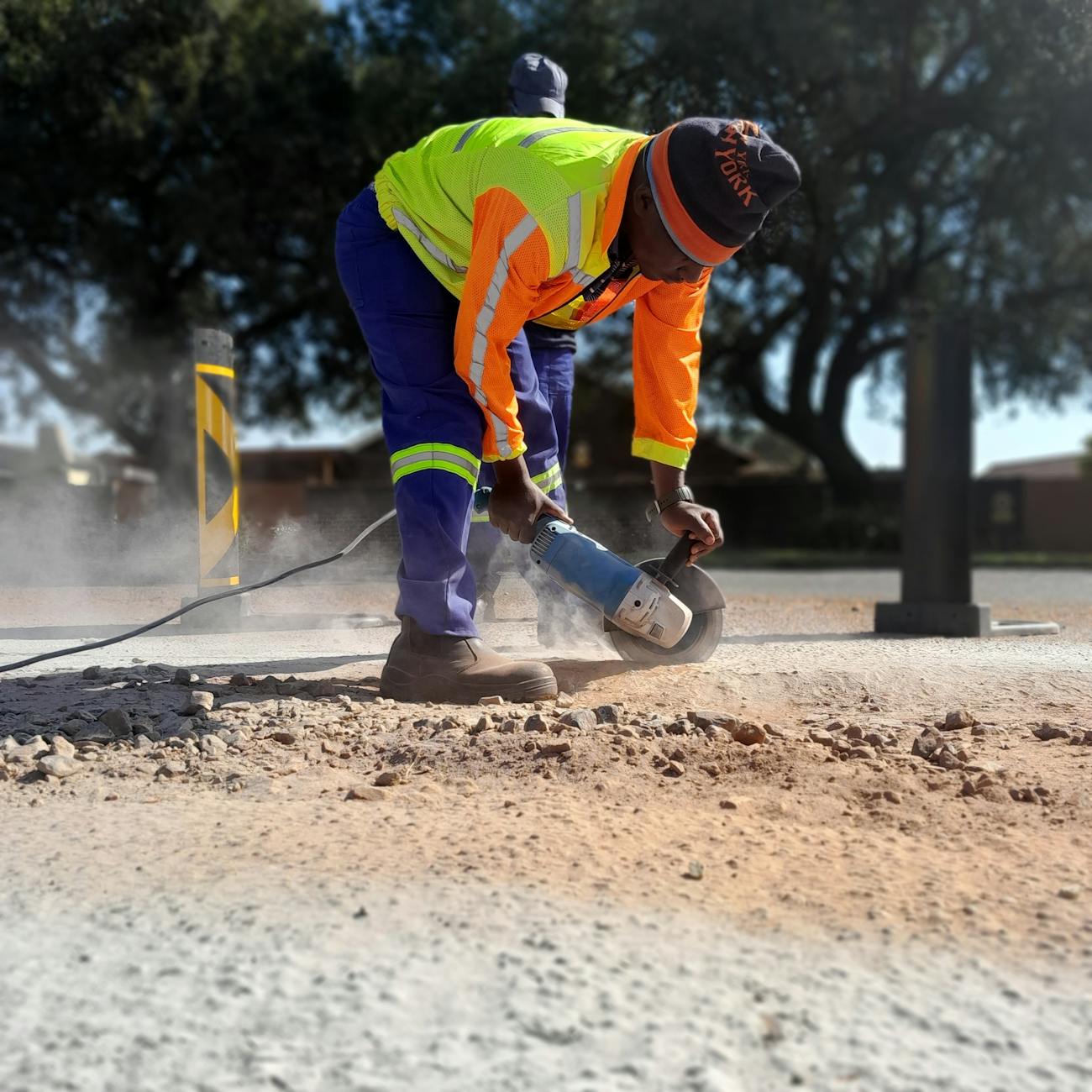
Lead‑based paint is any paint, primer, or coating that contains more than 0.5 Percent lead by weight. This definition is the cornerstone of hazard identification because it determines whether a surface is subject to regulatory control. In practice, a building constructed before 1978 is highly likely to contain lead‑based paint, especially on interior walls, doors, window frames, and trim. Recognizing the presence of this material is the first step in any lead‑paint project.
The term lead hazard refers to the potential for lead exposure that can result from deteriorated or disturbed paint. When paint chips, dust, or fumes are generated, they can be inhaled or ingested, especially by children who are prone to hand‑to‑mouth behavior. A lead hazard is therefore a condition, not a substance; it exists when the environment contains lead at levels that pose a risk to health.
Hazard identification is the systematic process of locating, evaluating, and documenting sources of lead that could become exposure pathways. It involves visual inspection, sampling, and risk assessment. The outcome is a set of findings that guide the selection of control measures, such as removal, enclosure, or encapsulation.
The phrase lead exposure encompasses all routes by which lead can enter the body. In a construction setting, the most common routes are inhalation of lead‑containing dust and ingestion of paint chips or contaminated hands. Blood lead levels (BLLs) are the clinical metric used to assess exposure, with a BLL of 5 µg/dL or higher considered a public health concern for children.
Blood lead level (BLL) is measured in micrograms of lead per deciliter of blood. It provides a direct indication of the amount of lead that has entered a person’s system. For occupational health monitoring, a BLL of 10 µg/dL is often used as a threshold for further evaluation and possible removal from lead‑exposed work.
The term lead‑containing dust describes fine particles that result from sanding, scraping, or demolition of lead‑based paint. These particles can remain airborne for extended periods and settle on surfaces, creating secondary contamination. Dust sampling is a critical component of hazard identification because it quantifies the amount of lead that could be inhaled or ingested.
Surface lead loading is the amount of lead measured on a flat surface, expressed in micrograms per square foot (µg/ft²). This metric is used to evaluate the risk posed by lead dust on floors, windowsills, and other horizontal surfaces. Regulatory standards often set a threshold of 10 µg/ft² for interior residential spaces.
Lead‑based paint risk assessment (LBR) is a structured evaluation that combines visual inspection data with laboratory analysis to determine the likelihood of lead exposure. The LBR typically follows a tiered approach: Initial visual screening, targeted sampling, and, if necessary, a full risk assessment. This process helps prioritize remediation efforts.
The concept of lead‑based paint work practices (LBWP) refers to the set of procedures designed to minimize the release of lead particles during renovation or demolition. These practices include using wet methods, containing the work area, and employing proper personal protective equipment (PPE). LBWP are mandatory under most lead‑hazard regulations and are essential for protecting both workers and occupants.
Personal protective equipment (PPE) includes items such as respirators, disposable coveralls, gloves, and eye protection. In lead‑paint work, a properly fitted respirator with a P100 filter is required when dust control measures may be insufficient. PPE must be selected based on the specific hazards identified during the hazard identification phase.
Engineering controls are physical modifications to the work environment that reduce lead exposure. Examples include local exhaust ventilation, HEPA filtration units, and negative pressure containment. These controls are often more effective than administrative controls because they do not rely on worker behavior.
Administrative controls involve policies and procedures that limit exposure, such as rotating workers, limiting work duration, and providing training. While essential, administrative controls are considered secondary to engineering controls and PPE because they depend on consistent implementation.
The term lead‑based paint sampling encompasses various methods used to collect material for laboratory analysis. Common techniques include wipe sampling, dust sampling, and paint chip sampling. Each method is appropriate for different surfaces and exposure scenarios.
Wipe sampling is performed by using a pre‑moistened filter paper to collect lead dust from a defined area, typically a 10 × 10 cm square. The collected sample is then sent to a certified laboratory for analysis. Wipe sampling provides a direct measurement of surface lead loading and is often used for quick assessments.
Dust sampling involves collecting bulk dust from floors, windowsills, or other horizontal surfaces using a vacuum device equipped with a special collection filter. Dust samples are analyzed for lead content and are critical for evaluating indoor air quality, especially in homes with young children.
Paint chip sampling is used to confirm the presence of lead in painted layers. A small fragment of paint is removed from the surface, often using a utility knife, and sent to a laboratory for X‑ray fluorescence (XRF) or atomic absorption spectroscopy (AAS) analysis. This method is definitive for establishing whether a coating is lead‑based.
Lead‑based paint analysis methods include X‑ray fluorescence (XRF), atomic absorption spectroscopy (AAS), and inductively coupled plasma mass spectrometry (ICP‑MS). XRF is a field‑portable technique that provides rapid, non‑destructive results, while AAS and ICP‑MS are laboratory methods that offer higher accuracy and lower detection limits.
X‑ray fluorescence (XRF) devices emit low‑energy X‑rays that excite lead atoms within the paint, causing them to emit secondary X‑rays that are measured by the detector. XRF is valuable for on‑site screening but requires calibration and operator training to ensure reliable data.
Atomic absorption spectroscopy (AAS) works by atomizing a sample and measuring the absorption of light at a wavelength specific to lead. AAS is commonly used for paint chip and dust sample analysis due to its robustness and relatively low cost.
Inductively coupled plasma mass spectrometry (ICP‑MS) is the most sensitive analytical technique, capable of detecting lead at parts‑per‑billion levels. It is typically reserved for confirmatory testing or for samples that require the highest precision.
The phrase lead‑based paint regulatory standards refers to the legal limits and requirements established by agencies such as the Environmental Protection Agency (EPA) and the Occupational Safety and Health Administration (OSHA). In the United States, the EPA’s Renovation, Repair and Painting (RRP) Rule and the OSHA Lead Standard are the primary regulations governing lead‑paint work.
Renovation, Repair and Painting Rule (RRP) mandates that any contractor performing renovation, repair, or painting projects that disturb lead‑based paint in pre‑1978 structures must be certified and must follow specific work practices. The rule also requires that owners be notified of the potential hazards and that a lead‑hazard assessment be performed before work begins.
OSHA Lead Standard (29 CFR 1926.62) Applies to construction activities that involve lead exposure. The standard sets permissible exposure limits (PELs), requires medical surveillance, and outlines requirements for training, PPE, and engineering controls. Compliance with OSHA is mandatory for all construction employers.
In the context of hazard identification, the term lead‑hazard control plan (LHCP) is used to describe the documented strategy for mitigating identified lead hazards. The LHCP includes details on work practices, engineering controls, PPE, waste disposal, and verification procedures. It must be approved by the client or a regulatory authority before work commences.
Verification sampling is the process of collecting additional samples after control measures have been implemented to confirm that lead levels have been reduced to acceptable levels. This step is essential for demonstrating compliance and for ensuring the safety of occupants and workers.
The notion of lead‑containing waste management addresses the handling, transportation, and disposal of materials that have been removed or generated during lead‑paint work. Waste must be placed in sealed containers, labeled as hazardous, and disposed of at a facility licensed to accept lead‑containing waste. Improper disposal can lead to environmental contamination and legal penalties.
Lead‑based paint disposal regulations vary by jurisdiction but generally require that waste be treated as hazardous material. In many regions, the waste must be shipped to a state‑approved landfill or incinerator that can safely process lead‑containing substances. Documentation such as manifests and disposal certificates is required for compliance.
Another important term is lead exposure risk communication. This involves informing building occupants, workers, and other stakeholders about the presence of lead, the associated risks, and the steps being taken to mitigate those risks. Effective communication is vital for gaining cooperation and for ensuring that protective measures are respected.
Child‑specific exposure pathways are routes through which children are most likely to encounter lead. These include ingestion of paint chips, hand‑to‑mouth transfer of lead dust, and inhalation of airborne lead particles. Hazard identification must pay special attention to areas where children spend time, such as classrooms, nurseries, and playrooms.
Occupational exposure pathways focus on the ways that construction workers may encounter lead, primarily through inhalation of dust and fumes generated during sanding, scraping, or demolition. These pathways are addressed through the selection of appropriate work practices, engineering controls, and PPE.
The term lead‑based paint clearance testing refers to the final verification step that confirms all lead hazards have been eliminated or reduced to acceptable levels after remediation. Clearance testing typically includes visual inspection, dust sampling, and sometimes air monitoring. Only after clearance can a space be re‑occupied without restrictions.
Air monitoring is the measurement of lead concentrations in the workplace air. It is performed using personal air sampling pumps worn by workers and stationary monitors placed in the work area. Results are compared to the OSHA PEL of 50 µg/m³ (as an 8‑hour time‑weighted average). Air monitoring is essential when work activities generate airborne lead particles.
Lead‑based paint training is a required component for anyone who works on or supervises lead‑paint projects. Training covers the health effects of lead, regulatory requirements, work practices, PPE use, and emergency procedures. Certified training programs must be approved by the EPA or OSHA, depending on the jurisdiction.
Lead‑based paint certification is the credential that demonstrates an individual’s competence in lead‑paint work. In the United States, the EPA issues a certification for renovators, while OSHA requires employers to ensure that workers are trained and competent. Certification is renewed periodically and may require continuing education.
The concept of lead‑hazard decontamination involves cleaning workers, equipment, and the worksite to remove residual lead after a project. Decontamination procedures typically include thorough washing of PPE, using HEPA‑filtered vacuums, and wiping surfaces with lead‑specific cleaning agents. Proper decontamination prevents cross‑contamination and protects subsequent occupants.
Lead‑specific cleaning agents are formulated to bind lead particles and prevent them from becoming airborne during removal. These agents often contain chelating compounds such as EDTA, which immobilize lead ions. Using appropriate cleaning agents is part of a comprehensive hazard control strategy.
Lead‑based paint labeling refers to the requirement to label areas where lead‑based paint has been identified or where work is being performed. Labels must include warnings, the date of identification, and contact information for the responsible party. Proper labeling alerts occupants and maintenance personnel to the presence of lead hazards.
Lead‑based paint documentation includes all records related to the identification, sampling, analysis, control measures, and clearance of lead hazards. This documentation is essential for regulatory compliance, legal protection, and future building maintenance. It typically comprises inspection reports, laboratory results, work plans, and clearance certificates.
The term lead‑based paint exposure limits defines the maximum allowable concentrations of lead in various media. For occupational settings, OSHA’s permissible exposure limit (PEL) is 50 µg/m³ for an 8‑hour time‑weighted average. For residential environments, the EPA’s lead‑in‑dust standards are 10 µg/ft² for floors and 40 µg/ft² for interior windowsills.
Lead‑in‑dust standards are part of the EPA’s Residential Lead-Based Paint Hazard Reduction regulations. They are used to assess the risk to children in residential settings and guide remediation decisions. These standards are more stringent than occupational limits because children are more vulnerable to the effects of lead.
The phrase lead‑based paint risk management encompasses the entire process of identifying, assessing, controlling, and monitoring lead hazards. Effective risk management requires a systematic approach that integrates inspection, sampling, engineering controls, PPE, training, and documentation.
Lead‑based paint risk matrix is a tool used to prioritize hazards based on the likelihood of exposure and the severity of potential health effects. The matrix helps project managers allocate resources to the most critical hazards first. For example, a deteriorated paint surface with high dust loading would receive a higher risk rating than intact paint in a low‑traffic area.
The term lead‑based paint condition assessment describes the evaluation of the physical state of painted surfaces. Conditions are typically classified as “intact,” “chalky,” “cracking,” or “peeling.” The condition directly influences the potential for lead release and therefore the urgency of remediation.
Intact paint is paint that remains firmly adhered to the substrate, showing no signs of flaking, cracking, or chalking. While intact paint may still contain lead, it poses a lower immediate risk because it does not release particles under normal use. However, future disturbances could change its condition.
Chalky paint appears as a fine powder on the surface, indicating that the paint is beginning to degrade. This condition increases the likelihood of dust generation, especially when disturbed. Chalky paint requires monitoring and may necessitate remedial action if dust levels exceed standards.
Cracking paint develops fissures that can allow lead particles to escape from the substrate. Cracks provide pathways for moisture and air, accelerating degradation. Cracking paint often requires removal or encapsulation to prevent exposure.
Peeling paint is the most hazardous condition, as it indicates that the paint has lost adhesion and is actively shedding fragments. Peeling paint generates both dust and paint chips, creating multiple exposure pathways. Immediate remediation is typically required for peeling paint in occupied spaces.
The term lead‑based paint remediation refers to the process of eliminating or controlling lead hazards. Remediation methods include removal, enclosure, encapsulation, and interim controls. The choice of method depends on the condition of the paint, the location, the occupancy status, and cost considerations.
Lead‑based paint removal is the complete physical elimination of lead‑based paint from a surface. Removal is the most definitive control but also the most labor‑intensive and costly. It requires strict containment, air monitoring, and waste management to prevent secondary contamination.
Lead‑based paint enclosure involves covering the lead‑based paint with a durable, non‑porous material, such as a solid barrier or a protective coating, to prevent the release of lead particles. Enclosure is often used when removal is impractical due to structural constraints.
Lead‑based paint encapsulation applies a specialized coating that bonds to the lead‑based paint, sealing it in place. Encapsulation is less invasive than removal and can be effective when the underlying paint is in good condition and the area is not subject to frequent disturbance.
Interim control is a temporary measure that reduces lead exposure until a permanent solution can be implemented. Examples include applying a temporary sealant, restricting access, or increasing cleaning frequency. Interim controls are documented and must be monitored for effectiveness.
The concept of lead‑based paint work area containment is essential for preventing the spread of lead dust beyond the immediate job site. Containment is achieved by erecting physical barriers, using negative pressure, and sealing openings. Proper containment reduces the risk of cross‑contamination.
Negative pressure containment uses a combination of fans and filters to create a pressure differential that draws air into the work area rather than allowing it to escape. This method is often combined with HEPA filtration to capture airborne lead particles.
HEPA filtration refers to high‑efficiency particulate air filters that can remove at least 99.97 Percent of particles 0.3 Microns in size. HEPA filters are employed in ventilation systems, vacuums, and air cleaners to capture lead dust and protect the breathing zone of workers.
The term lead‑based paint exposure control plan is synonymous with the earlier mentioned LHCP but emphasizes the procedural aspect. The plan outlines specific steps, responsibilities, timelines, and verification methods. It is a living document that is updated as conditions change.
Lead‑based paint sampling plan details the locations, methods, and frequency of sampling activities. A well‑structured sampling plan ensures that data are representative and that sampling resources are used efficiently. It also helps satisfy regulatory requirements for documentation.
Lead‑based paint analytical reporting provides the results of laboratory analyses in a format that includes the sample identification, method used, detection limit, and measured concentration. Clear reporting is crucial for interpreting data and making informed decisions about remediation.
The phrase lead‑based paint hazard communication extends beyond simple notification; it involves providing comprehensive information on the hazards, control measures, and responsibilities of each stakeholder. Effective communication can be achieved through signage, written notices, and verbal briefings.
Lead‑based paint signage must be posted at the entrance to any area where lead work is being performed. Signs typically include warnings such as “Lead‑Based Paint Hazard – Do Not Enter” and must be visible to both workers and occupants. Signage remains in place until the hazard is fully mitigated.
Lead‑based paint worker health surveillance is a systematic approach to monitor the health of employees who may be exposed to lead. Surveillance includes periodic blood lead testing, medical examinations, and record‑keeping of exposure incidents. Early detection of elevated BLLs enables timely intervention.
Lead‑based paint medical surveillance is required by OSHA for workers who have been exposed to lead at or above the action level (30 µg/m³) for an 8‑hour time‑weighted average. The surveillance program includes baseline testing, periodic follow‑up, and counseling on exposure reduction.
The term lead‑based paint exposure action level is the occupational exposure concentration at which employers must implement additional controls and medical surveillance. OSHA’s action level is 30 µg/m³, measured as an 8‑hour time‑weighted average. Exceeding this level triggers mandatory response actions.
Lead‑based paint exposure limit (PEL) is the maximum permissible concentration of lead in workplace air. The current OSHA PEL is 50 µg/m³ for an 8‑hour time‑weighted average. Employers must ensure that exposures do not exceed this limit, and exposure monitoring must be conducted as required.
The phrase lead‑based paint exposure reduction strategies includes engineering controls, administrative controls, PPE, work practice modifications, and housekeeping. A comprehensive strategy combines multiple elements to achieve the lowest feasible exposure.
Lead‑based paint housekeeping refers to routine cleaning practices that remove lead dust from surfaces. Housekeeping procedures may involve damp mopping, HEPA‑vacuuming, and wiping with lead‑specific cleaning agents. Regular housekeeping helps maintain low dust levels and protects occupants.
Lead‑based paint waste segregation involves separating lead‑containing waste from non‑hazardous waste. Segregation is essential for compliance with disposal regulations and for minimizing the volume of hazardous waste. Distinct containers, labeling, and secondary containment are common practices.
Lead‑based paint waste labeling requires that each container of lead‑containing waste be marked with the words “Hazardous Waste – Lead‑Based Paint” and include the date, generator’s name, and a hazard symbol. Proper labeling ensures that waste handlers are aware of the material’s nature.
The term lead‑based paint decontamination station describes a designated area where workers can remove PPE, wash hands, and perform final cleaning before leaving the job site. A decontamination station typically includes a sink with running water, disposable gloves, and waste containers for contaminated PPE.
Lead‑based paint disposal manifest is a tracking document required for the transportation of hazardous waste. The manifest records the generator, transporter, and disposal facility, as well as the quantity and type of waste. Accurate manifest completion is critical for regulatory compliance.
Lead‑based paint regulatory compliance audit is an inspection conducted by an internal or external auditor to verify that all lead‑related activities meet applicable regulations. Audits examine documentation, work practices, training records, and waste management to identify gaps and recommend corrective actions.
Lead‑based paint corrective action is the set of measures taken to address deficiencies identified during an audit or inspection. Corrective actions may include retraining staff, updating work procedures, improving containment, or re‑sampling to verify compliance.
The phrase lead‑based paint exposure scenario is a hypothetical or real-world description of how lead could be released and encountered in a specific environment. Developing exposure scenarios helps planners anticipate potential problems and design appropriate controls.
Lead‑based paint exposure pathway analysis breaks down each route by which lead could travel from the source to the receptor (person). Pathway analysis includes source identification, transfer mechanisms (air, dust, water), and receptor characteristics (age, health status). This analysis informs risk mitigation.
Lead‑based paint risk communication plan outlines how information about lead hazards will be shared with stakeholders. The plan includes target audiences, key messages, communication channels (e.G., Meetings, flyers, digital alerts), and timing. Effective risk communication reduces anxiety and promotes cooperation.
Lead‑based paint stakeholder engagement involves actively involving owners, occupants, contractors, and regulators in the hazard identification and remediation process. Engagement builds trust, ensures that concerns are addressed, and facilitates smoother project execution.
The term lead‑based paint exposure control hierarchy is a framework that ranks control methods from most to least effective. The hierarchy typically follows: Elimination, substitution, engineering controls, administrative controls, PPE. While elimination of lead paint is rarely feasible, moving up the hierarchy reduces reliance on PPE.
Lead‑based paint surface preparation is the set of actions taken before applying a new coating or before performing removal. Proper surface preparation reduces the likelihood of dust generation and ensures that subsequent control measures are effective. Techniques include wet sanding, using low‑dust tools, and sealing edges.
Lead‑based paint low‑dust tools are equipment designed to minimize the creation of airborne particles. Examples include hand‑held rotary sanders with dust extraction ports, scraping tools with built‑in suction, and vacuum‑assist sanding systems. Selecting low‑dust tools is an essential part of work practice planning.
Lead‑based paint wet methods involve applying water or a mist to the paint surface before disturbance. Wet methods suppress dust and reduce the amount of lead that becomes airborne. Common wet methods include misting with a spray bottle, using a wet sanding pad, or applying a chemical stripper that contains a wetting agent.
Lead‑based paint chemical stripping utilizes solvents or proprietary formulations to soften and dissolve paint layers, allowing removal without excessive mechanical disturbance. Chemical stripping can be effective for delicate substrates but requires careful handling, ventilation, and disposal of the resulting waste.
Lead‑based paint respirator fit testing is a mandatory procedure to ensure that a respirator provides an adequate seal on the wearer’s face. Fit testing must be performed before initial use and at least annually thereafter. Proper fit testing is essential for protecting workers from inhalation exposure.
Lead‑based paint respirator maintenance includes regular inspection, cleaning, filter replacement, and storage of respirators. Maintenance schedules are typically documented in a log and must be followed to preserve the effectiveness of the protective equipment.
The phrase lead‑based paint exposure control verification refers to the systematic checking that implemented controls are performing as intended. Verification may involve re‑sampling, air monitoring, visual inspection, and reviewing work practice compliance. Ongoing verification ensures that protective measures remain effective over time.
Lead‑based paint emergency response plan outlines the actions to be taken in the event of an accidental release, fire, or other incident involving lead‑containing materials. The plan includes evacuation routes, spill containment procedures, medical evaluation, and notification of authorities.
Lead‑based paint incident reporting requires that any exposure incident, such as a breach in containment or a worker’s elevated BLL, be documented and reported to the appropriate regulatory agency within a specified time frame. Prompt reporting enables timely corrective action.
Lead‑based paint occupational health and safety (OHS) program integrates all aspects of lead hazard management into a cohesive system. The OHS program includes policies, training, monitoring, record‑keeping, and continuous improvement processes. A robust OHS program reduces risk and demonstrates compliance.
Lead‑based paint training curriculum is structured to cover the essential knowledge areas: Health effects of lead, regulatory frameworks, hazard identification methods, work practices, PPE selection, waste management, and emergency procedures. The curriculum is delivered through classroom instruction, hands‑on practice, and assessment.
Lead‑based paint competency assessment evaluates an individual’s ability to apply knowledge in real‑world situations. Assessment methods may include written exams, practical demonstrations, and scenario‑based evaluations. Successful completion leads to certification or qualification for specific tasks.
Lead‑based paint certification renewal is required to maintain the validity of a professional’s credentials. Renewal typically involves completing a set number of continuing education hours, updating knowledge of regulatory changes, and demonstrating ongoing competence.
The term lead‑based paint risk management software refers to digital tools that assist in planning, documenting, and tracking lead‑paint projects. Features may include inspection checklists, sampling schedules, data analysis, reporting templates, and compliance alerts. Software can streamline workflow and improve data accuracy.
Lead‑based paint data integrity is the assurance that all information collected during a project is accurate, complete, and protected from alteration. Maintaining data integrity involves secure storage, version control, and audit trails. Reliable data support regulatory compliance and legal defensibility.
The phrase lead‑based paint project handover describes the transfer of responsibility from the remediation contractor to the building owner or facility manager. Handover includes delivering all documentation, clearance certificates, and maintenance recommendations. A thorough handover ensures that the new custodian understands the remaining responsibilities.
Lead‑based paint post‑remediation monitoring is an ongoing program that tracks the condition of the site after remediation. Monitoring may involve periodic dust sampling, visual inspections, and occupant feedback. Post‑remediation monitoring helps detect any re‑contamination early.
Lead‑based paint re‑contamination risk arises when previously remediated areas become contaminated again due to activities such as renovation, high traffic, or inadequate cleaning. Understanding re‑contamination risks informs maintenance schedules and preventive measures.
The term lead‑based paint regulatory enforcement describes the actions taken by agencies to ensure compliance with lead statutes. Enforcement mechanisms may include inspections, citations, fines, and legal action. Awareness of enforcement trends motivates proactive compliance.
Lead‑based paint compliance checklist is a practical tool that lists all required steps and documentation for meeting regulatory obligations. Checklists help project managers verify that each component of hazard identification and control has been addressed.
Lead‑based paint cost‑benefit analysis evaluates the financial implications of different remediation options. The analysis weighs the costs of removal, enclosure, encapsulation, and interim controls against the benefits of reduced health risks, regulatory compliance, and property value preservation.
Lead‑based paint insurance considerations include the need for liability coverage that addresses potential exposure claims, property damage, and worker injury. Insurance policies may require proof of compliance with lead regulations as a condition of coverage.
The phrase lead‑based paint stakeholder risk perception acknowledges that different parties may view the severity of lead hazards differently. Understanding risk perception helps tailor communication strategies and address concerns effectively.
Lead‑based paint cultural competency involves recognizing and respecting the diverse backgrounds of occupants and workers, especially in communities with historical exposure concerns. Culturally competent communication can improve trust and cooperation in remediation projects.
Lead‑based paint community outreach programs aim to educate the public about lead hazards, prevention measures, and available resources. Outreach may involve workshops, flyers, school presentations, and collaboration with local health departments.
Lead‑based paint environmental impact assessment examines the potential effects of remediation activities on soil, water, and air quality. The assessment identifies mitigation measures to prevent secondary contamination, such as runoff controls and dust suppression.
Lead‑based paint soil contamination can occur when lead dust settles on the ground and is incorporated into the soil matrix. Soil testing may be required for exterior projects, and contaminated soil may need to be removed or capped.
Lead‑based paint water contamination is a less common pathway but can arise if lead particles enter stormwater drains or domestic water supplies. Proper containment and disposal practices minimize the risk of waterborne lead.
Lead‑based paint air quality monitoring includes both personal and area sampling to assess airborne lead concentrations. Monitoring devices may be portable real‑time detectors or laboratory‑based samplers. Continuous monitoring is especially important during high‑risk activities.
Lead‑based paint dust control measures encompass wet methods, HEPA vacuuming, containment barriers, and regular cleaning. Combining multiple measures provides redundancy and enhances overall effectiveness.
Lead‑based paint worker training refresher courses are short sessions that reinforce key concepts, update participants on regulatory changes, and address any observed deficiencies. Refresher training helps maintain a high level of competency over time.
Lead‑based paint project documentation archive is a secure, long‑term storage system for all records related to a lead project. Archives may be physical or digital and must be accessible for future reference, audits, or legal inquiries.
Lead‑based paint project risk register is a living document that logs identified risks, their likelihood, impact, mitigation strategies, and status. The register supports proactive risk management throughout the project lifecycle.
Lead‑based paint stakeholder responsibilities matrix clarifies who is responsible for each task, such as sampling, containment, waste disposal, and clearance testing. Clear assignment of responsibilities reduces confusion and ensures accountability.
Lead‑based paint legal liability can arise from failure to comply with regulations, inadequate warning, or exposure incidents. Liability may be civil, criminal, or both, and can result in fines, remediation orders, and damages.
Lead‑based paint regulatory updates occur periodically as new scientific data emerge and policy priorities shift. Staying informed about updates is essential for maintaining compliance and implementing best practices.
Lead‑based paint best practice guidelines are published by professional organizations, government agencies, and industry groups. Guidelines synthesize research findings and field experience into practical recommendations for hazard identification and control.
Lead‑based paint case studies provide real‑world examples of successful (or unsuccessful) hazard identification and remediation. Analyzing case studies helps learners understand the application of concepts and the challenges that may arise.
Lead‑based paint lessons learned capture insights gained from past projects, such as the importance of early stakeholder engagement, the need for rigorous verification sampling, or the effectiveness of certain containment designs. Documenting lessons learned fosters continuous improvement.
Lead‑based paint future trends include the development of more sensitive detection technologies, such as portable laser‑induced breakdown spectroscopy (LIBS), and the integration of digital twins for predictive risk modeling. Anticipating trends prepares professionals for evolving industry standards.
Lead‑based paint interdisciplinary collaboration recognizes that effective hazard identification often requires input from architects, engineers, industrial hygienists, toxicologists, and legal counsel. Collaborative approaches lead to more comprehensive and robust solutions.
Lead‑based paint project scheduling must account for lead‑hazard activities, such as containment setup, sampling, remediation, clearance testing, and documentation. Proper scheduling ensures that each phase receives adequate time for safe completion.
Lead‑based paint resource allocation involves budgeting for equipment, labor, laboratory analysis, waste disposal, and training. Efficient allocation balances cost constraints with the need for thorough hazard identification.
Lead‑based paint quality assurance programs establish standards for work performance, sampling accuracy, and documentation consistency. Quality assurance activities include peer reviews, audits, and performance metrics.
Lead‑based paint performance metrics may track indicators such as number of samples collected, percentage of hazards mitigated, compliance rate, and incident frequency. Metrics provide objective data to assess project success.
Lead‑based paint continuous improvement is a systematic process that uses feedback, audit results, and performance data to refine procedures, enhance training, and update control measures. Continuous improvement drives higher safety standards over time.
Lead‑based paint stakeholder satisfaction surveys gauge the perceptions of owners, occupants, and regulators regarding the handling of lead hazards. Survey results inform adjustments to communication strategies and project management practices.
Lead‑based paint risk communication tools include visual aids such as infographics, color‑coded signage, and interactive digital platforms. Effective tools translate technical information into understandable messages for non‑technical audiences.
Lead‑based paint documentation templates simplify the creation of consistent reports, checklists, and clearance certificates. Templates ensure that all required elements are captured and presented in a professional format.
Lead‑based paint project close‑out package compiles all final documentation, including inspection reports, laboratory results, clearance certificates, waste manifests, training records, and a summary of lessons learned. The package serves as a comprehensive record of compliance.
Lead‑based paint regulatory liaison is a designated individual who interacts with government agencies, obtains permits, and responds to inquiries. A skilled liaison facilitates smoother regulatory approval and helps resolve compliance issues quickly.
Lead‑based paint incident command system (ICS) provides a structured framework for managing emergencies related to lead hazards. The ICS defines roles, communication protocols, and decision‑making hierarchies during an incident.
Lead‑based paint exposure scenario modeling uses software to simulate how lead particles might disperse under various conditions, such as different ventilation rates or work practices. Modeling helps predict potential exposure hotspots and guides control selection.
Lead‑based paint stakeholder risk mitigation plan outlines specific actions each stakeholder will take to reduce exposure, such as routine cleaning schedules, access restrictions, or health monitoring. The plan aligns responsibilities with identified risks.
Lead‑based paint field verification checklist is used by supervisors to confirm that workers are following prescribed work practices, wearing appropriate PPE, and maintaining containment integrity. Field verification ensures real‑time compliance.
Lead‑based paint occupational exposure banding categorizes jobs based on the level of lead exposure risk, ranging from low‑risk (administrative tasks) to high‑risk (abrasive sanding). Banding informs the selection of controls and monitoring frequency.
Key takeaways
- In practice, a building constructed before 1978 is highly likely to contain lead‑based paint, especially on interior walls, doors, window frames, and trim.
- When paint chips, dust, or fumes are generated, they can be inhaled or ingested, especially by children who are prone to hand‑to‑mouth behavior.
- Hazard identification is the systematic process of locating, evaluating, and documenting sources of lead that could become exposure pathways.
- Blood lead levels (BLLs) are the clinical metric used to assess exposure, with a BLL of 5 µg/dL or higher considered a public health concern for children.
- For occupational health monitoring, a BLL of 10 µg/dL is often used as a threshold for further evaluation and possible removal from lead‑exposed work.
- Dust sampling is a critical component of hazard identification because it quantifies the amount of lead that could be inhaled or ingested.
- Surface lead loading is the amount of lead measured on a flat surface, expressed in micrograms per square foot (µg/ft²).