
Fraud Risk Assessment and Management
… Controls focus on identifying fraud after it has occurred. They include reconciliations, exception reporting, continuous monitoring, and data analytics. For example, an automated variance analysis that flags any payroll expense that exceeds a historical average by more than 20 % can quickly bring attention to potential ghost‑employee schemes. Detective controls are most eff …

Fraud Risk Assessment and Management
Fraud Impact Analysis is a systematic process used to quantify the potential consequences of fraudulent activity on an organization. It involves identifying the various types of loss that could arise, …

Compliance and Anti Money Laundering
… example, and common challenges that may arise in day‑to‑day operations. Anti‑Money Laundering (AML) refers to the set of laws, regulations, and internal procedures designed to prevent criminals from disguising illicit funds as legitimate income. AML programs typically include customer due diligence (CDD), transaction monitoring, reporting of suspicious activity, and ong …

Compliance and Anti Money Laundering
… luxury vehicles, and then sells those assets to generate “clean” proceeds. The three‑stage model—placement, layering, and integration—remains a useful framework for understanding how criminals attempt to conceal illicit origins. Placement refers to the initial introduction of illegal cash into the financial system. Common techniques include structuring deposits just be …

Compliance and Anti Money Laundering
… regulations, or supervisory expectations. In the context of anti‑money‑laundering (AML) programs, regulatory risk is heightened because violations can trigger fines, sanctions, or criminal prosecution. Effective regulatory risk management therefore begins with a clear understanding of the legal environment, including domestic statutes, international standards, and s …

Compliance and Anti Money Laundering
… funds so they appear to be derived from legitimate sources. The three‑stage model— placement , layering , and integration —remains the foundational framework for understanding how criminals attempt to insert dirty money into the financial system, obscure its trail, and eventually use it without detection. For example, a drug trafficker may deposit cash from street s …

Compliance and Anti Money Laundering
Anti‑Money Laundering (AML) is the set of laws, regulations and procedures designed to prevent criminals from disguising the proceeds of illegal activity as legitimate earnings. The primary purpose of AML is to detect, deter and report suspicious financial transactions that could be …

International Anti Money Laundering Standards
… For instance, a bank may flag a new client who is a PEP from a country that appears on the Financial Action Task Force (FATF) high‑risk list, thereby triggering deeper scrutiny. Risk analysis follows identification and seeks to understand the likelihood and potential impact of each identified risk. This stage often uses a matrix that plots likelihood on one axis and im …

International Anti Money Laundering Standards
Suspicious Activity Report (SAR) is the cornerstone document used by financial institutions and other reporting entities to convey information about transactions or behavior that may indicate money laundering, terrorist financing, or other illicit activity. A SAR must contain a clear description of the facts, the parties involved, and the reason why t …

International Anti Money Laundering Standards
… apply SDD to a customer who should have been subject to full CDD, thereby creating a compliance gap. Ongoing Monitoring refers to the continuous review of a customer’s transactions and behavior throughout the life of the relationship to detect deviations from the expected profile. It is a dynamic component of AML that complements the static snapshot obtained at onboardin …

Certified Professional in Lead Paint Removal in Construction
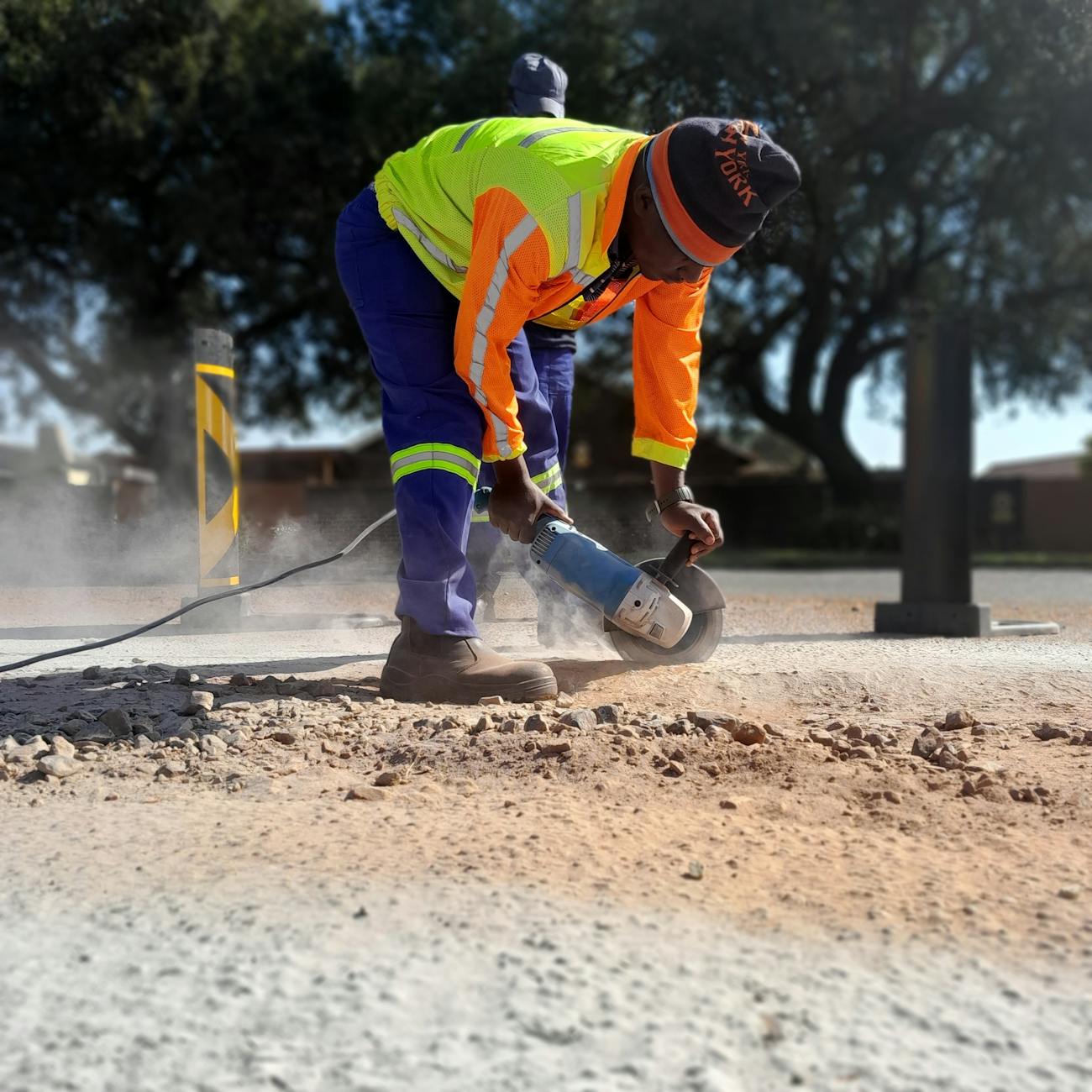
… During the survey, a qualified professional determines the presence, location, and condition of lead‑based paint. The survey may involve paint chip sampling, X‑ray fluorescence (XRF) analysis, or laboratory testing. The results are documented in a written report that includes photographs, paint condition ratings, and recommendations for remediation or control. For exam …
Certified Professional in Lead Paint Removal in Construction
… result from deteriorated or disturbed paint. When paint chips, dust, or fumes are generated, they can be inhaled or ingested, especially by children who are prone to hand‑to‑mouth behavior. A lead hazard is therefore a condition, not a substance; it exists when the environment contains lead at levels that pose a risk to health. Hazard identification is the systemati …

Regulatory Compliance Management
… policies. Stakeholders can be internal (employees, management, board) or external (customers, regulators, suppliers, community groups). Effective policy development requires stakeholder analysis to understand expectations, identify potential conflicts, and secure buy‑in. Compliance Officer is the designated professional responsible for overseeing the organization’s compli …

Regulatory Compliance Management
… recurrence. A corrective action resolves the immediate issue, while a preventive action tackles root causes to avoid future occurrences. Effective CAPA programs include root‑cause analysis techniques such as the 5 Why’s or Fishbone diagram. A practical CAPA might involve retraining personnel on aseptic technique (corrective) and revising the cleaning validation prot …

Regulatory Compliance Management
… data‑handling procedures. When regulators issue updated guidance, firms must quickly assess how the changes affect their current controls. Legal risk encompasses the danger of civil or criminal liability arising from non‑compliance. While regulatory risk often focuses on administrative penalties, legal risk can lead to lawsuits, injunctions, or criminal prosecution. A ma …

Regulatory Compliance Management
Regulatory Framework is the collection of laws, regulations, standards, and guidance that govern the behavior of organizations within a particular jurisdiction or industry. It establishes the boundaries of what is legally permissible and outlines the expectations for corporate conduct. In …

Criminal Behavior Analysis
Behavioral Analysis refers to the systematic study of an offender’s actions, decisions, and patterns to infer psychological characteristics, motivations, and future behavior. In criminal i …

Criminal Behavior Analysis
… presence of multiple occupants who may unintentionally alter the scene before it is secured. Evidence is any material, impression, or testimony that can be used to establish facts in a criminal proceeding. It is classified into two major categories: direct evidence , which directly links a suspect to the crime (e.g., a weapon found in the suspect’s possession), and circu …

Criminal Behavior Analysis
Forensic psychology is a specialized branch of psychology that intersects with the legal system, providing expertise on the mental processes, behaviors, and motivations of individuals involved in criminal activity. Understanding the terminology used in this field is essential for students of criminal behavior analysis, as each t …

Criminal Behavior Analysis
Criminal profiling is a systematic method used to infer characteristics of an unknown offender based on the analysis of crime scene evidence, victim selection, and the behavior displayed d …
