
Community-Based Ecological Restoration
Community-Based Ecological Restoration
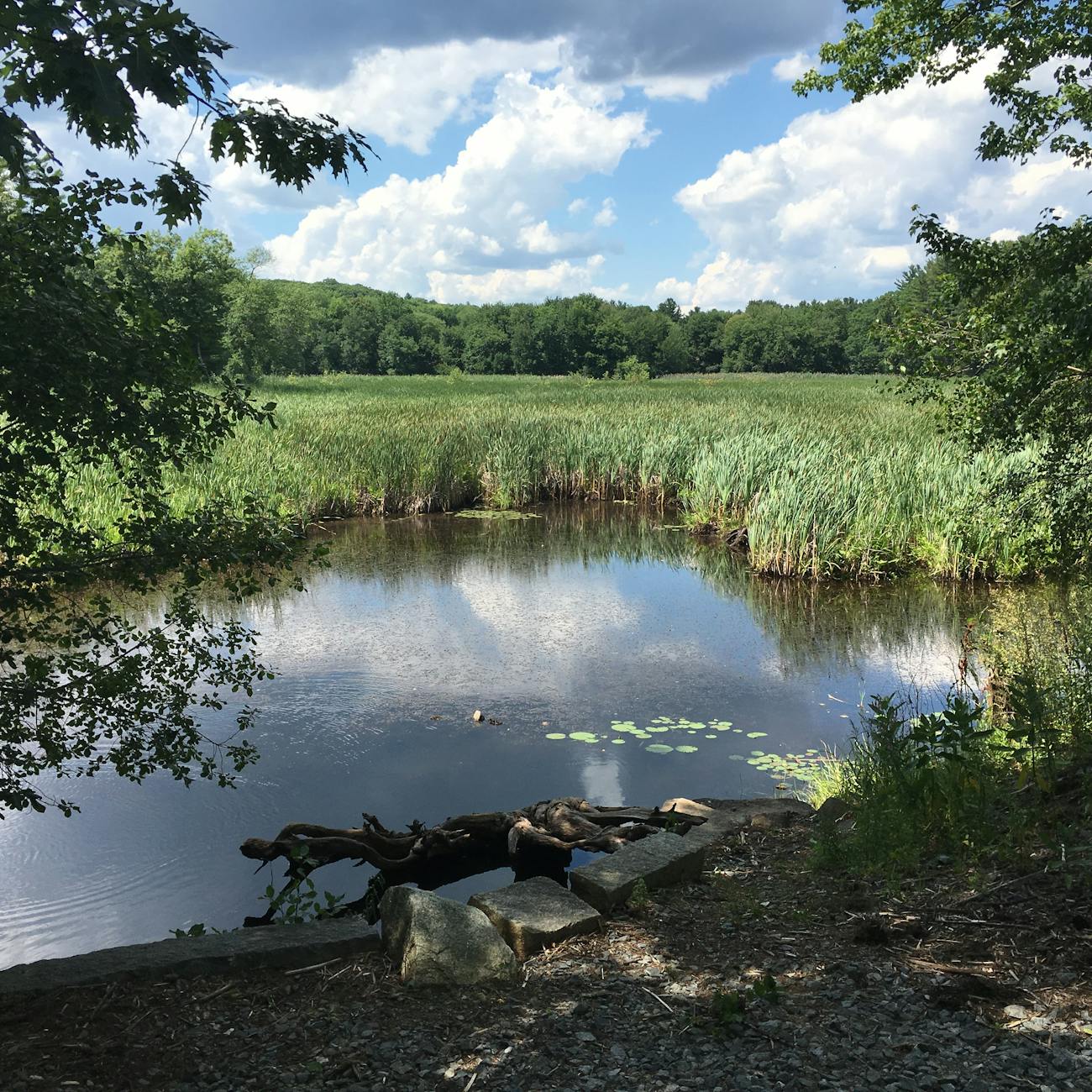
Community-Based Ecological Restoration
Ecological restoration is the process of assisting the recovery of an ecosystem that has been degraded, damaged, or destroyed. It involves actively restoring the ecological functions and biodiversity of an area to a more natural state. Community-based ecological restoration goes one step further by actively involving local communities in the restoration process. This approach recognizes the importance of community engagement, participation, and ownership in restoration projects. It aims to build a sense of stewardship and responsibility among community members towards their local environment.
Social Ecology
Social ecology is a field of study that focuses on the relationship between human societies and their natural environment. It explores how social structures, institutions, and practices impact the environment and vice versa. Social ecologists examine the social, political, economic, and cultural factors that influence environmental issues and sustainability. They seek to understand the complex interactions between humans and their environment and work towards creating more sustainable and equitable societies.
Key Terms and Vocabulary
1. Biodiversity: Biodiversity refers to the variety of life forms in a particular habitat or ecosystem. It encompasses the diversity of species, genetic diversity within species, and the diversity of ecosystems. Biodiversity is essential for the health and functioning of ecosystems and provides numerous ecosystem services.
2. Ecological Functions: Ecological functions are the processes and interactions that occur within an ecosystem. These functions include nutrient cycling, pollination, seed dispersal, and water purification, among others. Restoring ecological functions is a key goal of ecological restoration.
3. Stewardship: Stewardship refers to the responsible management and care of natural resources. It involves taking actions to protect and conserve the environment for present and future generations. Community-based ecological restoration often aims to foster a sense of stewardship among community members towards their local environment.
4. Participation: Participation involves actively involving community members in decision-making processes and activities related to ecological restoration. It promotes inclusivity, empowerment, and collaboration among stakeholders. Meaningful participation is essential for the success of community-based restoration projects.
5. Ownership: Ownership in the context of ecological restoration refers to the sense of responsibility and connection that individuals or communities have towards a restored ecosystem. When community members feel a sense of ownership over a restored area, they are more likely to protect and care for it in the long term.
6. Collaboration: Collaboration involves working together with different stakeholders, including community members, government agencies, non-profit organizations, and other partners, to achieve common goals. Collaborative approaches are often more effective in addressing complex environmental challenges.
7. Adaptive Management: Adaptive management is an iterative approach to decision-making that involves learning from the outcomes of actions taken and adjusting management strategies accordingly. It allows for flexibility and responsiveness to changing environmental conditions and stakeholder needs.
8. Monitoring and Evaluation: Monitoring and evaluation are critical components of ecological restoration projects. They involve collecting data, assessing progress towards restoration goals, and measuring the effectiveness of restoration actions. Monitoring and evaluation help inform adaptive management and improve project outcomes.
9. Traditional Ecological Knowledge: Traditional ecological knowledge (TEK) refers to the knowledge, practices, and beliefs of indigenous and local communities about their environment. TEK is often based on centuries of experience and observation and can provide valuable insights for ecological restoration projects.
10. Resilience: Resilience is the ability of an ecosystem to withstand and recover from disturbances. Restoring ecological resilience is a key objective of ecological restoration, as resilient ecosystems are better able to adapt to environmental changes and sustain biodiversity.
11. Invasive Species: Invasive species are non-native plants, animals, or microorganisms that have been introduced to an ecosystem and cause harm to native species and habitats. Managing invasive species is a common challenge in ecological restoration projects.
12. Succession: Succession is the process by which an ecosystem gradually changes and develops over time. Ecological restoration projects often aim to accelerate succession to restore a more diverse and resilient ecosystem.
13. Restoration Ecology: Restoration ecology is the scientific discipline that studies the principles and practices of ecological restoration. It involves applying ecological knowledge to restore degraded ecosystems and promote biodiversity conservation.
14. Environmental Justice: Environmental justice is the fair treatment and meaningful involvement of all people, regardless of race, color, or income, in environmental decision-making. Community-based ecological restoration can contribute to environmental justice by addressing environmental inequalities and empowering marginalized communities.
15. Public Engagement: Public engagement involves informing and involving the broader community in ecological restoration projects. It helps raise awareness, build support, and mobilize resources for restoration efforts. Effective public engagement is essential for the long-term success of restoration projects.
16. Capacity Building: Capacity building involves strengthening the knowledge, skills, and resources of individuals and organizations involved in ecological restoration. It enables communities to take a more active role in restoration projects and build their resilience to environmental challenges.
17. Sustainable Development: Sustainable development is development that meets the needs of the present without compromising the ability of future generations to meet their own needs. Community-based ecological restoration is often aligned with principles of sustainable development, as it aims to restore ecosystems in a way that benefits both people and the environment.
18. Conservation: Conservation refers to the protection and management of natural resources to prevent their degradation or extinction. Ecological restoration is closely linked to conservation efforts, as it aims to restore and enhance the ecological values of degraded ecosystems.
19. Climate Change: Climate change refers to long-term changes in temperature, precipitation, and other climatic variables that result from human activities, such as the burning of fossil fuels. Climate change poses a significant threat to ecosystems and biodiversity, making ecological restoration even more crucial in the face of a changing climate.
20. Green Infrastructure: Green infrastructure refers to natural and semi-natural elements, such as parks, forests, wetlands, and green roofs, that provide ecosystem services in urban and rural areas. Incorporating green infrastructure into ecological restoration projects can help enhance biodiversity, mitigate climate change, and improve the quality of life for communities.
21. Urban Ecology: Urban ecology is the study of ecosystems in urban environments and the interactions between humans and nature in cities. Urban ecological restoration focuses on restoring and enhancing the ecological functions of urban areas to create more sustainable and resilient cities.
22. Participatory Mapping: Participatory mapping involves engaging community members in the mapping of their environment, including natural resources, land use, and cultural sites. It can help build local knowledge, identify restoration priorities, and strengthen community involvement in restoration projects.
23. Place-Based Education: Place-based education is an approach to learning that connects students to their local environment and community. It emphasizes hands-on, experiential learning and fosters a sense of stewardship and connection to the natural world. Place-based education can support community-based ecological restoration by engaging students in restoration activities and building environmental awareness.
24. Interdisciplinary Collaboration: Interdisciplinary collaboration involves bringing together experts from different disciplines, such as ecology, sociology, economics, and policy, to address complex environmental challenges. Community-based ecological restoration often requires interdisciplinary collaboration to integrate social, ecological, and cultural perspectives into restoration projects.
25. Community Resilience: Community resilience refers to the ability of a community to withstand and recover from environmental, social, and economic disruptions. Engaging communities in ecological restoration can help build their resilience by strengthening social networks, enhancing local knowledge, and fostering a sense of empowerment and collective action.
26. Green Jobs: Green jobs are employment opportunities that contribute to environmental sustainability, such as ecological restoration, renewable energy, and sustainable agriculture. Community-based ecological restoration can create green jobs and economic opportunities for local communities while promoting environmental conservation and restoration.
27. Environmental Education: Environmental education is the process of raising awareness and understanding of environmental issues and promoting sustainable behaviors. Community-based ecological restoration projects often include environmental education components to engage community members, students, and the public in restoration activities and promote environmental stewardship.
28. Community Empowerment: Community empowerment involves building the capacity, skills, and confidence of community members to take action and make decisions that affect their environment. Community-based ecological restoration can empower communities by involving them in restoration projects, providing training and resources, and fostering a sense of ownership and agency.
29. Place Attachment: Place attachment refers to the emotional bond and sense of belonging that individuals or communities have towards a particular place. Building place attachment is important for community-based ecological restoration, as it can motivate community members to care for and protect their local environment.
30. Environmental Governance: Environmental governance refers to the processes, institutions, and mechanisms through which environmental decisions are made and implemented. Community-based ecological restoration projects often involve multiple stakeholders and require effective environmental governance to ensure transparency, accountability, and inclusivity in decision-making.
31. Community Resilience: Community resilience refers to the ability of a community to withstand and recover from environmental, social, and economic disruptions. Engaging communities in ecological restoration can help build their resilience by strengthening social networks, enhancing local knowledge, and fostering a sense of empowerment and collective action.
32. Green Jobs: Green jobs are employment opportunities that contribute to environmental sustainability, such as ecological restoration, renewable energy, and sustainable agriculture. Community-based ecological restoration can create green jobs and economic opportunities for local communities while promoting environmental conservation and restoration.
33. Environmental Education: Environmental education is the process of raising awareness and understanding of environmental issues and promoting sustainable behaviors. Community-based ecological restoration projects often include environmental education components to engage community members, students, and the public in restoration activities and promote environmental stewardship.
34. Community Empowerment: Community empowerment involves building the capacity, skills, and confidence of community members to take action and make decisions that affect their environment. Community-based ecological restoration can empower communities by involving them in restoration projects, providing training and resources, and fostering a sense of ownership and agency.
35. Place Attachment: Place attachment refers to the emotional bond and sense of belonging that individuals or communities have towards a particular place. Building place attachment is important for community-based ecological restoration, as it can motivate community members to care for and protect their local environment.
36. Environmental Governance: Environmental governance refers to the processes, institutions, and mechanisms through which environmental decisions are made and implemented. Community-based ecological restoration projects often involve multiple stakeholders and require effective environmental governance to ensure transparency, accountability, and inclusivity in decision-making.
37. Participatory Decision-Making: Participatory decision-making involves involving community members in the decision-making process related to ecological restoration projects. It ensures that diverse perspectives are considered, builds consensus, and increases the legitimacy and acceptance of restoration actions.
38. Place-Based Conservation: Place-based conservation focuses on protecting and restoring specific places or landscapes that have ecological, cultural, or historical significance. It emphasizes the importance of local knowledge, values, and traditions in conservation efforts.
39. Community Mapping: Community mapping involves creating maps that reflect the knowledge, experiences, and perspectives of local community members. It can help identify restoration priorities, resources, and potential conflicts, and engage community members in the planning and implementation of restoration projects.
40. Environmental Justice: Environmental justice is the fair treatment and meaningful involvement of all people, regardless of race, color, or income, in environmental decision-making. Community-based ecological restoration can contribute to environmental justice by addressing environmental inequalities and empowering marginalized communities.
41. Resilient Communities: Resilient communities are able to adapt and thrive in the face of environmental, social, and economic challenges. Engaging communities in ecological restoration can help build their resilience by strengthening social networks, fostering local knowledge and skills, and promoting collective action.
42. Green Infrastructure: Green infrastructure refers to natural and semi-natural elements, such as parks, wetlands, and green roofs, that provide multiple benefits to communities, including flood mitigation, air purification, and habitat restoration. Incorporating green infrastructure into ecological restoration projects can enhance ecosystem services and improve community well-being.
43. Ecological Resilience: Ecological resilience is the capacity of an ecosystem to absorb disturbances, adapt to changes, and maintain its functions and biodiversity. Restoring ecological resilience is a key goal of ecological restoration, as resilient ecosystems are better able to withstand environmental stressors and sustain biodiversity.
44. Community Engagement: Community engagement involves involving community members in the planning, implementation, and monitoring of ecological restoration projects. It fosters collaboration, builds trust, and empowers communities to take ownership of restoration actions.
45. Adaptive Management: Adaptive management is an iterative approach to decision-making that involves learning from the outcomes of restoration actions and adjusting management strategies based on new information. It allows for flexibility, experimentation, and continuous improvement in restoration projects.
46. Capacity Building: Capacity building involves strengthening the knowledge, skills, and resources of individuals and organizations involved in ecological restoration. It enables communities to take a more active role in restoration projects, build their resilience to environmental challenges, and promote sustainability.
47. Restoration Goals: Restoration goals are the desired outcomes that ecological restoration projects aim to achieve, such as enhancing biodiversity, restoring ecosystem functions, or improving habitat quality. Setting clear and achievable restoration goals is essential for guiding restoration actions and evaluating project success.
48. Monitoring and Evaluation: Monitoring and evaluation are essential components of ecological restoration projects. They involve collecting data, assessing progress towards restoration goals, and measuring the effectiveness of restoration actions. Monitoring and evaluation help ensure that restoration projects are on track and inform adaptive management.
49. Place-Based Approach: A place-based approach to ecological restoration focuses on restoring and enhancing the ecological values of a specific place or landscape. It emphasizes the importance of local knowledge, values, and traditions in restoration projects and fosters a sense of connection and stewardship among community members.
50. Community-Based Monitoring: Community-based monitoring involves engaging community members in data collection, analysis, and reporting related to ecological restoration projects. It can help build local capacity, increase transparency, and foster community involvement in restoration efforts.
51. Interdisciplinary Collaboration: Interdisciplinary collaboration involves bringing together experts from different disciplines, such as ecology, sociology, economics, and policy, to address complex environmental challenges. Community-based ecological restoration often requires interdisciplinary collaboration to integrate social, ecological, and cultural perspectives into restoration projects.
52. Traditional Ecological Knowledge: Traditional ecological knowledge (TEK) refers to the knowledge, practices, and beliefs of indigenous and local communities about their environment. TEK is often based on centuries of experience and observation and can provide valuable insights for ecological restoration projects.
53. Green Jobs: Green jobs are employment opportunities that contribute to environmental sustainability, such as ecological restoration, renewable energy, and sustainable agriculture. Community-based ecological restoration can create green jobs and economic opportunities for local communities while promoting environmental conservation and restoration.
54. Environmental Education: Environmental education is the process of raising awareness and understanding of environmental issues and promoting sustainable behaviors. Community-based ecological restoration projects often include environmental education components to engage community members, students, and the public in restoration activities and promote environmental stewardship.
55. Community Empowerment: Community empowerment involves building the capacity, skills, and confidence of community members to take action and make decisions that affect their environment. Community-based ecological restoration can empower communities by involving them in restoration projects, providing training and resources, and fostering a sense of ownership and agency.
56. Place Attachment: Place attachment refers to the emotional bond and sense of belonging that individuals or communities have towards a particular place. Building place attachment is important for community-based ecological restoration, as it can motivate community members to care for and protect their local environment.
57. Environmental Governance: Environmental governance refers to the processes, institutions, and mechanisms through which environmental decisions are made and implemented. Community-based ecological restoration projects often involve multiple stakeholders and require effective environmental governance to ensure transparency, accountability, and inclusivity in decision-making.
58. Participatory Decision-Making: Participatory decision-making involves involving community members in the decision-making process related to ecological restoration projects. It ensures that diverse perspectives are considered, builds consensus, and increases the legitimacy and acceptance of restoration actions.
59. Place-Based Conservation: Place-based conservation focuses on protecting and restoring specific places or landscapes that have ecological, cultural, or historical significance. It emphasizes the importance of local knowledge, values, and traditions in conservation efforts.
60. Community Mapping: Community mapping involves creating maps that reflect the knowledge, experiences, and perspectives of local community members. It can help identify restoration priorities, resources, and potential conflicts, and engage community members in the planning and implementation of restoration projects.
61. Environmental Justice: Environmental justice is the fair treatment and meaningful involvement of all people, regardless of race, color, or income, in environmental decision-making. Community-based ecological restoration can contribute to environmental justice by addressing environmental inequalities and empowering marginalized communities.
62. Resilient Communities: Resilient communities are able to adapt and thrive in the face of environmental, social, and economic challenges. Engaging communities in ecological restoration can help build their resilience by strengthening social networks, fostering local knowledge and skills, and promoting collective action.
63. Green Infrastructure: Green infrastructure refers to natural and semi-natural elements, such as parks, wetlands, and green roofs, that provide multiple benefits to communities, including flood mitigation, air purification, and habitat restoration. Incorporating green infrastructure into ecological restoration projects can enhance ecosystem services and improve community well-being.
64. Ecological Resilience: Ecological resilience is the capacity of an ecosystem to absorb disturbances, adapt to changes, and maintain its functions and biodiversity. Restoring ecological resilience is a key goal of ecological restoration, as resilient ecosystems are better able to withstand environmental stressors and sustain biodiversity.
65. Community Engagement: Community engagement involves involving community members in the planning, implementation, and monitoring of ecological restoration projects. It fosters collaboration, builds trust, and empowers communities to take ownership of restoration actions.
66. Adaptive Management: Adaptive management is an iterative approach to decision-making that involves learning from the outcomes of restoration actions and adjusting management strategies based on new information. It allows for flexibility, experimentation, and continuous improvement in restoration projects.
67. Capacity Building: Capacity building involves strengthening the knowledge, skills, and resources of individuals and organizations involved in ecological restoration. It enables communities to take a more active role in
Key takeaways
- Community-based ecological restoration goes one step further by actively involving local communities in the restoration process.
- They seek to understand the complex interactions between humans and their environment and work towards creating more sustainable and equitable societies.
- Biodiversity is essential for the health and functioning of ecosystems and provides numerous ecosystem services.
- Ecological Functions: Ecological functions are the processes and interactions that occur within an ecosystem.
- Community-based ecological restoration often aims to foster a sense of stewardship among community members towards their local environment.
- Participation: Participation involves actively involving community members in decision-making processes and activities related to ecological restoration.
- Ownership: Ownership in the context of ecological restoration refers to the sense of responsibility and connection that individuals or communities have towards a restored ecosystem.