
Urban Ecology and Sustainable Cities
Urban Ecology is a field of study that focuses on the interaction between organisms and their environment in urban areas. It seeks to understand how cities function as ecosystems and how humans can live sustainably within them. Sustainable …
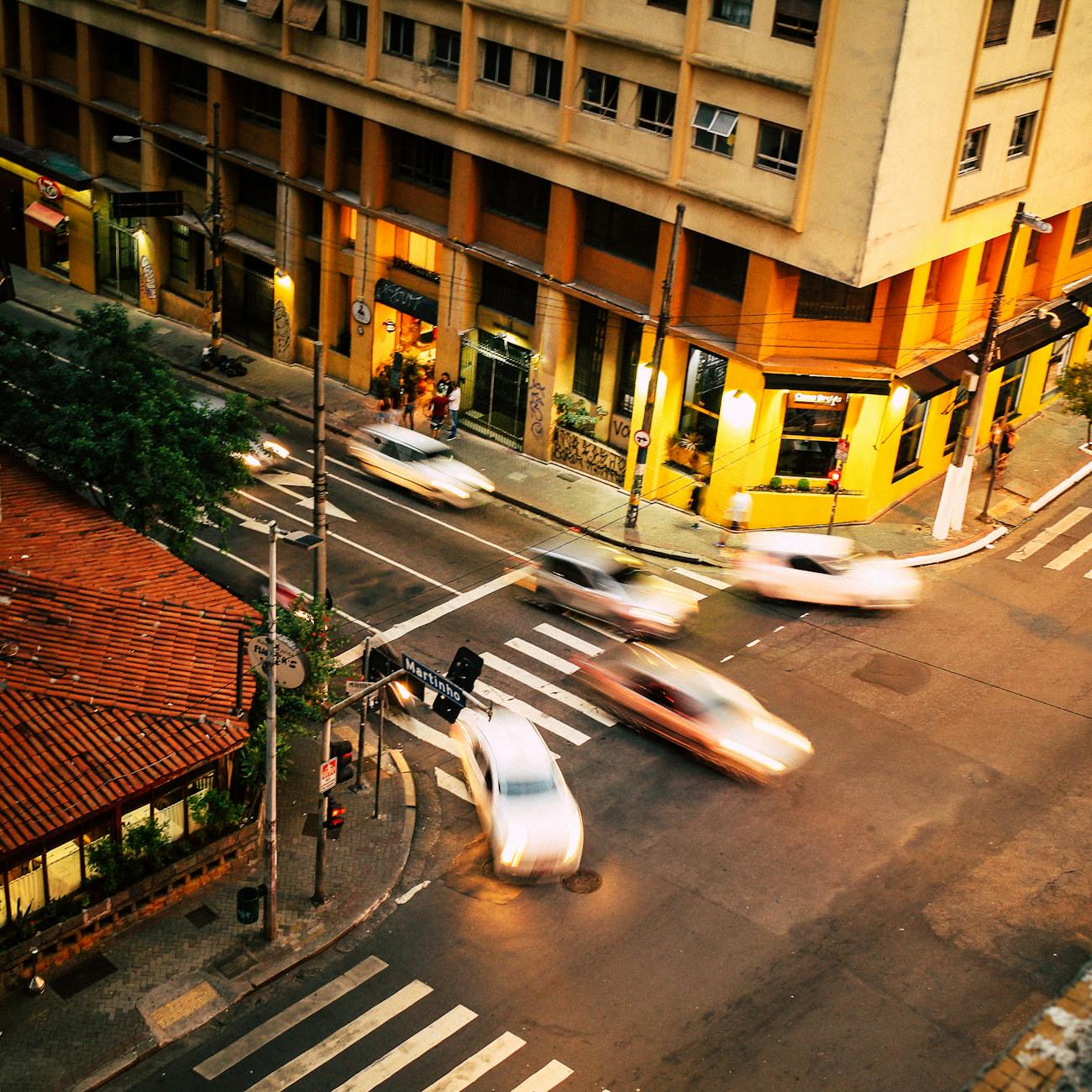
Urban Ecology is a field of study that focuses on the interaction between organisms and their environment in urban areas. It seeks to understand how cities function as ecosystems and how humans can live sustainably within them. Sustainable Cities, on the other hand, refer to cities that are designed, built, and managed in a way that promotes the well-being of current and future generations while minimizing negative impacts on the environment.
Key Terms and Vocabulary:
1. **Urbanization**: The process by which an increasing proportion of the population lives in cities rather than rural areas. Urbanization typically leads to the expansion of cities and the conversion of natural habitats into built environments.
2. **Biodiversity**: The variety of living organisms in a particular habitat or ecosystem. Urban areas often have lower biodiversity compared to rural areas due to habitat destruction and fragmentation.
3. **Green Infrastructure**: Natural or semi-natural systems that provide ecosystem services in urban areas. Examples include parks, green roofs, and urban forests. Green infrastructure helps improve air quality, reduce urban heat island effects, and provide habitat for wildlife.
4. **Urban Heat Island**: An urban area that is significantly warmer than its surrounding rural areas due to human activities such as the construction of buildings and roads, which absorb and retain heat. Urban heat islands can have negative impacts on human health and energy consumption.
5. **Ecological Footprint**: The measure of human demand on the Earth's ecosystems. It calculates the amount of resources needed to support a population's lifestyle and the waste produced. Sustainable cities aim to reduce their ecological footprint by promoting resource efficiency and conservation.
6. **Sustainability**: The ability to meet the needs of the present without compromising the ability of future generations to meet their own needs. Sustainable cities focus on social, economic, and environmental sustainability to ensure long-term well-being.
7. **Urban Resilience**: The capacity of a city to adapt to and recover from environmental, social, and economic challenges. Resilient cities are able to withstand shocks such as natural disasters and climate change while maintaining essential functions.
8. **Community Engagement**: Involving residents, businesses, and other stakeholders in the planning and decision-making processes of a city. Community engagement is essential for creating sustainable cities that reflect the needs and values of the people who live in them.
9. **Transit-Oriented Development**: Urban planning and design strategy that promotes mixed-use development, pedestrian-friendly streets, and access to public transportation. Transit-oriented development aims to reduce car dependency, decrease traffic congestion, and improve air quality.
10. **Green Building**: Construction practices that prioritize energy efficiency, water conservation, and the use of sustainable materials. Green buildings reduce resource consumption and minimize negative impacts on the environment.
11. **Food Security**: The availability and access to sufficient, safe, and nutritious food for all individuals in a community. Sustainable cities promote local food production, urban agriculture, and community gardens to enhance food security and reduce food miles.
12. **Smart Cities**: Cities that use technology and data to improve efficiency, sustainability, and quality of life for residents. Smart cities integrate information and communication technologies to optimize infrastructure, transportation, and public services.
13. **Ecosystem Services**: The benefits that ecosystems provide to humans, such as clean air, water filtration, and pollination. Urban ecology emphasizes the importance of preserving and enhancing ecosystem services in cities to support human well-being.
14. **Urban Planning**: The process of designing and organizing the physical, social, and economic aspects of a city. Urban planning plays a crucial role in creating sustainable cities by balancing development with environmental protection and social equity.
15. **Environmental Justice**: The fair treatment and meaningful involvement of all people, regardless of race, income, or ethnicity, in environmental decision-making. Sustainable cities strive to address environmental justice issues and ensure that all residents have access to a healthy environment.
16. **Carbon Footprint**: The amount of greenhouse gases, particularly carbon dioxide, emitted by human activities. Sustainable cities aim to reduce their carbon footprint by promoting renewable energy, energy-efficient buildings, and sustainable transportation options.
17. **Green Space**: Areas within a city that are covered with vegetation, such as parks, gardens, and greenways. Green spaces provide numerous benefits, including improved air quality, biodiversity conservation, and recreational opportunities for residents.
18. **Urban Regeneration**: The process of revitalizing and improving urban neighborhoods, infrastructure, and services. Urban regeneration projects aim to enhance the quality of life for residents, attract investment, and promote sustainable development.
19. **Resilient Infrastructure**: Infrastructure systems that are designed to withstand and recover from natural disasters, climate change, and other disruptions. Resilient infrastructure is essential for building sustainable cities that can adapt to changing environmental conditions.
20. **Circular Economy**: A regenerative economic system in which resources are kept in use for as long as possible, and waste and pollution are minimized. Sustainable cities promote a circular economy approach to reduce resource consumption and promote recycling and reuse.
21. **Urban Design**: The process of shaping the physical form, structure, and function of cities. Urban design principles focus on creating walkable, mixed-use neighborhoods, vibrant public spaces, and sustainable transportation systems.
In conclusion, Urban Ecology and Sustainable Cities are interdisciplinary fields that aim to create healthy, resilient, and equitable urban environments. By incorporating key terms and vocabulary such as urbanization, biodiversity, green infrastructure, sustainability, and community engagement, urban planners, policymakers, and residents can work together to build cities that promote human well-being while protecting the natural environment. Emphasizing concepts like urban resilience, smart cities, and circular economy can help address complex challenges such as climate change, resource depletion, and social inequality in urban areas. Ultimately, the goal is to create cities that are livable, sustainable, and inclusive for all residents now and in the future.
Key takeaways
- Sustainable Cities, on the other hand, refer to cities that are designed, built, and managed in a way that promotes the well-being of current and future generations while minimizing negative impacts on the environment.
- **Urbanization**: The process by which an increasing proportion of the population lives in cities rather than rural areas.
- Urban areas often have lower biodiversity compared to rural areas due to habitat destruction and fragmentation.
- Green infrastructure helps improve air quality, reduce urban heat island effects, and provide habitat for wildlife.
- **Urban Heat Island**: An urban area that is significantly warmer than its surrounding rural areas due to human activities such as the construction of buildings and roads, which absorb and retain heat.
- Sustainable cities aim to reduce their ecological footprint by promoting resource efficiency and conservation.
- **Sustainability**: The ability to meet the needs of the present without compromising the ability of future generations to meet their own needs.