
Food Systems and Agroecology
Food Systems and Agroecology are crucial areas of study within the field of Social Ecology. Understanding the key terms and vocabulary associated with these subjects is essential for anyone pursuing a Postgraduate Certificate in Social Ecol…
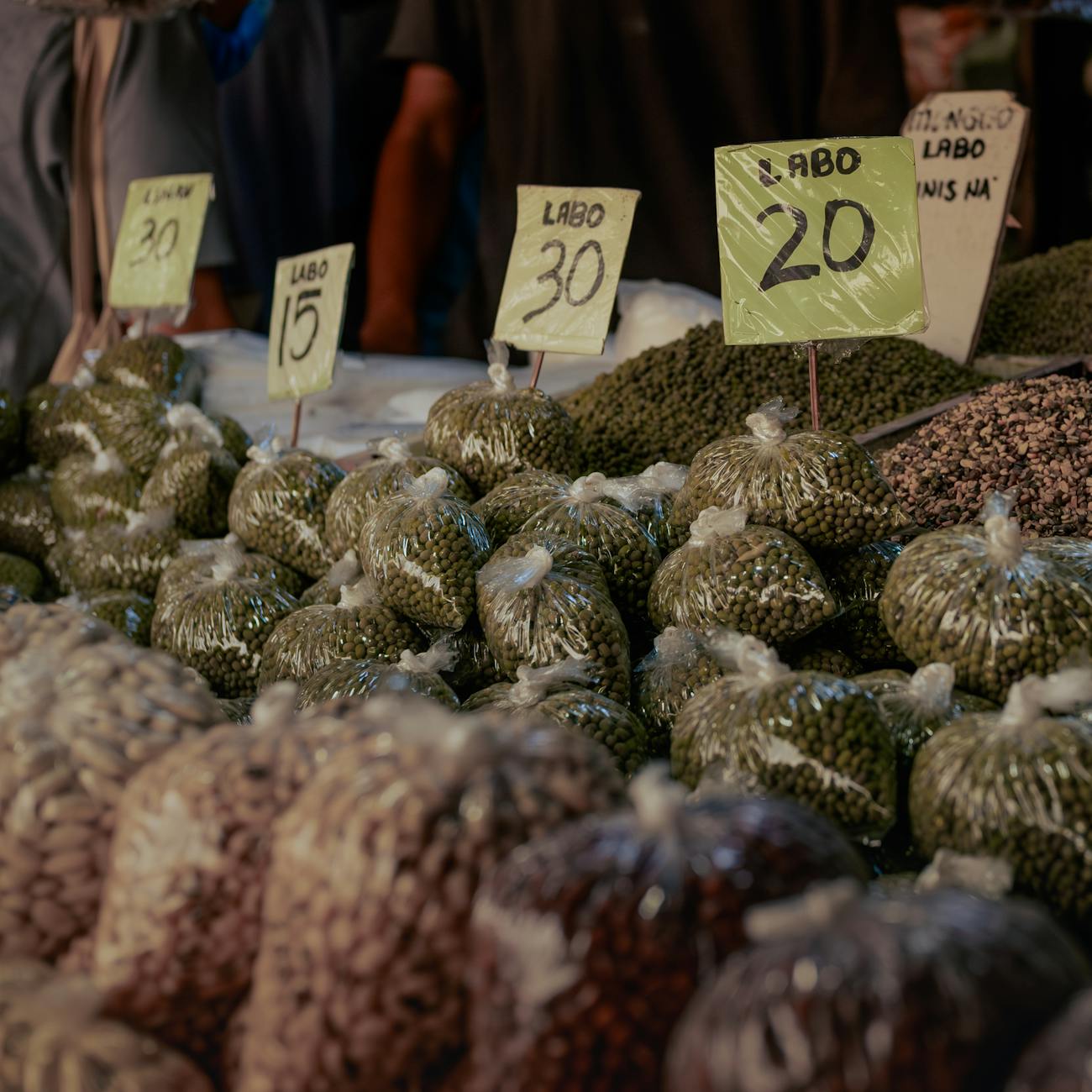
Food Systems and Agroecology are crucial areas of study within the field of Social Ecology. Understanding the key terms and vocabulary associated with these subjects is essential for anyone pursuing a Postgraduate Certificate in Social Ecology. Below is an in-depth explanation of the most important terms and concepts related to Food Systems and Agroecology.
**Food Systems**:
Food systems refer to the processes, activities, and relationships involved in feeding a population, from production to consumption. This includes the production, processing, distribution, marketing, consumption, and disposal of food products. Food systems are complex and interconnected, involving a wide range of actors and stakeholders, from farmers and food producers to consumers and policymakers.
**Agroecology**:
Agroecology is a holistic approach to agriculture that seeks to integrate ecological principles and practices into food production systems. It focuses on creating sustainable and resilient agricultural systems that work with nature rather than against it. Agroecology emphasizes biodiversity, soil health, and the use of local resources to promote food security, environmental sustainability, and social equity.
**Sustainability**:
Sustainability refers to the ability of a system to endure over time without depleting its resources or harming the environment. In the context of food systems and agroecology, sustainability involves producing food in a way that meets the needs of the present without compromising the ability of future generations to meet their own needs. Sustainable food systems are environmentally friendly, socially equitable, and economically viable.
**Resilience**:
Resilience is the capacity of a system to absorb shocks and disturbances while maintaining its essential functions and structures. In the context of food systems and agroecology, resilience refers to the ability of agricultural systems to adapt to changing conditions such as climate change, pests and diseases, and market fluctuations. Resilient food systems are able to bounce back from disruptions and continue to provide food security for communities.
**Biodiversity**:
Biodiversity refers to the variety of living organisms in a particular ecosystem. In agricultural systems, biodiversity plays a crucial role in promoting soil health, pest control, and pollination. Agroecology emphasizes the importance of biodiversity in creating resilient and sustainable food systems. For example, planting a diverse range of crops can help reduce the risk of crop failure due to pests or diseases.
**Food Security**:
Food security exists when all people, at all times, have physical, social, and economic access to sufficient, safe, and nutritious food to meet their dietary needs and food preferences for an active and healthy life. Food security is a fundamental human right and a key goal of sustainable food systems. Agroecology promotes food security by increasing the resilience of agricultural systems and ensuring that food is produced and distributed in an equitable manner.
**Food Sovereignty**:
Food sovereignty is the right of people to define their own food and agriculture systems, without external interference. It goes beyond food security to encompass issues of cultural identity, social justice, and environmental sustainability. Food sovereignty is closely linked to agroecology, as it emphasizes the importance of local control over food production and distribution.
**Local Food Systems**:
Local food systems are food production and distribution networks that prioritize local production, consumption, and exchange of food. These systems usually involve small-scale farmers, producers, and consumers who are connected through direct sales, farmers' markets, community-supported agriculture (CSA), and other channels. Local food systems promote food security, support local economies, and reduce the environmental impact of food transportation.
**Food Justice**:
Food justice is the idea that everyone deserves equal access to healthy, affordable, and culturally appropriate food. It addresses issues of social inequality, food insecurity, and food sovereignty. Food justice advocates for fair wages for food workers, access to healthy food in underserved communities, and policies that promote equity in the food system.
**Food Waste**:
Food waste refers to the discarding or loss of food that is still safe and nutritious for human consumption. Food waste occurs at all stages of the food supply chain, from production and processing to distribution and consumption. Reducing food waste is a key goal of sustainable food systems, as it can help alleviate hunger, conserve resources, and reduce greenhouse gas emissions.
**Climate Change**:
Climate change refers to long-term changes in the Earth's climate, including rising temperatures, changing weather patterns, and more frequent extreme events. Climate change has significant impacts on food systems, affecting crop yields, water availability, and the spread of pests and diseases. Mitigating and adapting to climate change is a critical challenge for agriculture and food production.
**Food Miles**:
Food miles are the distance that food travels from the place of production to the place of consumption. The concept of food miles is used to measure the environmental impact of food transportation, including greenhouse gas emissions, energy consumption, and air pollution. Buying locally produced food can help reduce food miles and support sustainable food systems.
**Organic Farming**:
Organic farming is a method of agriculture that avoids the use of synthetic pesticides, fertilizers, genetically modified organisms (GMOs), and other harmful inputs. Organic farming relies on natural and organic practices to promote soil health, biodiversity, and environmental sustainability. Organic food is produced according to strict standards set by certification bodies.
**Permaculture**:
Permaculture is a design approach that seeks to create sustainable and self-sufficient human settlements by mimicking natural ecosystems. Permaculture principles can be applied to food production, water management, energy systems, and community development. Permaculture emphasizes the use of renewable resources, waste reduction, and ecological design.
**Food Deserts**:
Food deserts are areas with limited access to affordable, nutritious food, especially fresh fruits and vegetables. Food deserts are often found in low-income urban and rural communities where supermarkets and grocery stores are scarce. Food deserts contribute to food insecurity, poor nutrition, and health disparities. Addressing food deserts is a key challenge for promoting food justice and public health.
**Agroforestry**:
Agroforestry is a land use system that integrates trees and shrubs with crops or livestock in a way that provides environmental, economic, and social benefits. Agroforestry practices can improve soil fertility, increase biodiversity, conserve water, and sequester carbon. Agroforestry is a key component of sustainable food systems and climate-smart agriculture.
**Urban Agriculture**:
Urban agriculture refers to the practice of growing food and raising animals in urban areas, such as rooftops, vacant lots, and community gardens. Urban agriculture can help increase food security, reduce food miles, and promote community engagement. Urban agriculture also provides opportunities for education, job creation, and environmental stewardship in cities.
**Community Supported Agriculture (CSA)**:
Community Supported Agriculture (CSA) is a model of food production and distribution in which consumers purchase shares of a farm's harvest in advance. In return, they receive a weekly or monthly supply of fresh, seasonal produce. CSA fosters direct relationships between farmers and consumers, promotes local food systems, and supports sustainable agriculture practices.
**Food Policy**:
Food policy refers to the set of laws, regulations, and programs that govern food production, distribution, and consumption. Food policy can have a significant impact on issues such as food security, nutrition, food safety, and environmental sustainability. Advocating for policies that support sustainable food systems and social justice is a key strategy for promoting positive change in the food system.
**Food Sovereignty**:
Food sovereignty is the right of peoples to healthy and culturally appropriate food produced through ecologically sound and sustainable methods, and their right to define their own food and agriculture systems. It puts the aspirations and needs of those who produce, distribute, and consume food at the heart of food systems and policies rather than the demands of markets and corporations.
**Food Security**:
Food security exists when all people, at all times, have physical, social, and economic access to sufficient, safe, and nutritious food that meets their dietary needs and food preferences for an active and healthy life. Food security is a fundamental human right and a key goal of sustainable food systems. It encompasses issues of food availability, access, utilization, and stability.
**Food Justice**:
Food justice is the idea that everyone deserves equal access to healthy, affordable, and culturally appropriate food. It addresses issues of social inequality, food insecurity, and food sovereignty. Food justice advocates for fair wages for food workers, access to healthy food in underserved communities, and policies that promote equity in the food system.
**Food Waste**:
Food waste refers to the discarding or loss of food that is still safe and nutritious for human consumption. Food waste occurs at all stages of the food supply chain, from production and processing to distribution and consumption. Reducing food waste is a key goal of sustainable food systems, as it can help alleviate hunger, conserve resources, and reduce greenhouse gas emissions.
**Climate Change**:
Climate change refers to long-term changes in the Earth's climate, including rising temperatures, changing weather patterns, and more frequent extreme events. Climate change has significant impacts on food systems, affecting crop yields, water availability, and the spread of pests and diseases. Mitigating and adapting to climate change is a critical challenge for agriculture and food production.
**Food Miles**:
Food miles are the distance that food travels from the place of production to the place of consumption. The concept of food miles is used to measure the environmental impact of food transportation, including greenhouse gas emissions, energy consumption, and air pollution. Buying locally produced food can help reduce food miles and support sustainable food systems.
**Organic Farming**:
Organic farming is a method of agriculture that avoids the use of synthetic pesticides, fertilizers, genetically modified organisms (GMOs), and other harmful inputs. Organic farming relies on natural and organic practices to promote soil health, biodiversity, and environmental sustainability. Organic food is produced according to strict standards set by certification bodies.
**Permaculture**:
Permaculture is a design approach that seeks to create sustainable and self-sufficient human settlements by mimicking natural ecosystems. Permaculture principles can be applied to food production, water management, energy systems, and community development. Permaculture emphasizes the use of renewable resources, waste reduction, and ecological design.
**Food Deserts**:
Food deserts are areas with limited access to affordable, nutritious food, especially fresh fruits and vegetables. Food deserts are often found in low-income urban and rural communities where supermarkets and grocery stores are scarce. Food deserts contribute to food insecurity, poor nutrition, and health disparities. Addressing food deserts is a key challenge for promoting food justice and public health.
**Agroforestry**:
Agroforestry is a land use system that integrates trees and shrubs with crops or livestock in a way that provides environmental, economic, and social benefits. Agroforestry practices can improve soil fertility, increase biodiversity, conserve water, and sequester carbon. Agroforestry is a key component of sustainable food systems and climate-smart agriculture.
**Urban Agriculture**:
Urban agriculture refers to the practice of growing food and raising animals in urban areas, such as rooftops, vacant lots, and community gardens. Urban agriculture can help increase food security, reduce food miles, and promote community engagement. Urban agriculture also provides opportunities for education, job creation, and environmental stewardship in cities.
**Community Supported Agriculture (CSA)**:
Community Supported Agriculture (CSA) is a model of food production and distribution in which consumers purchase shares of a farm's harvest in advance. In return, they receive a weekly or monthly supply of fresh, seasonal produce. CSA fosters direct relationships between farmers and consumers, promotes local food systems, and supports sustainable agriculture practices.
**Food Policy**:
Food policy refers to the set of laws, regulations, and programs that govern food production, distribution, and consumption. Food policy can have a significant impact on issues such as food security, nutrition, food safety, and environmental sustainability. Advocating for policies that support sustainable food systems and social justice is a key strategy for promoting positive change in the food system.
**Food Sovereignty**:
Food sovereignty is the right of peoples to healthy and culturally appropriate food produced through ecologically sound and sustainable methods, and their right to define their own food and agriculture systems. It puts the aspirations and needs of those who produce, distribute, and consume food at the heart of food systems and policies rather than the demands of markets and corporations.
**Food Security**:
Food security exists when all people, at all times, have physical, social, and economic access to sufficient, safe, and nutritious food that meets their dietary needs and food preferences for an active and healthy life. Food security is a fundamental human right and a key goal of sustainable food systems. It encompasses issues of food availability, access, utilization, and stability.
**Food Justice**:
Food justice is the idea that everyone deserves equal access to healthy, affordable, and culturally appropriate food. It addresses issues of social inequality, food insecurity, and food sovereignty. Food justice advocates for fair wages for food workers, access to healthy food in underserved communities, and policies that promote equity in the food system.
**Food Waste**:
Food waste refers to the discarding or loss of food that is still safe and nutritious for human consumption. Food waste occurs at all stages of the food supply chain, from production and processing to distribution and consumption. Reducing food waste is a key goal of sustainable food systems, as it can help alleviate hunger, conserve resources, and reduce greenhouse gas emissions.
**Climate Change**:
Climate change refers to long-term changes in the Earth's climate, including rising temperatures, changing weather patterns, and more frequent extreme events. Climate change has significant impacts on food systems, affecting crop yields, water availability, and the spread of pests and diseases. Mitigating and adapting to climate change is a critical challenge for agriculture and food production.
**Food Miles**:
Food miles are the distance that food travels from the place of production to the place of consumption. The concept of food miles is used to measure the environmental impact of food transportation, including greenhouse gas emissions, energy consumption, and air pollution. Buying locally produced food can help reduce food miles and support sustainable food systems.
**Organic Farming**:
Organic farming is a method of agriculture that avoids the use of synthetic pesticides, fertilizers, genetically modified organisms (GMOs), and other harmful inputs. Organic farming relies on natural and organic practices to promote soil health, biodiversity, and environmental sustainability. Organic food is produced according to strict standards set by certification bodies.
**Permaculture**:
Permaculture is a design approach that seeks to create sustainable and self-sufficient human settlements by mimicking natural ecosystems. Permaculture principles can be applied to food production, water management, energy systems, and community development. Permaculture emphasizes the use of renewable resources, waste reduction, and ecological design.
**Food Deserts**:
Food deserts are areas with limited access to affordable, nutritious food, especially fresh fruits and vegetables. Food deserts are often found in low-income urban and rural communities where supermarkets and grocery stores are scarce. Food deserts contribute to food insecurity, poor nutrition, and health disparities. Addressing food deserts is a key challenge for promoting food justice and public health.
**Agroforestry**:
Agroforestry is a land use system that integrates trees and shrubs with crops or livestock in a way that provides environmental, economic, and social benefits. Agroforestry practices can improve soil fertility, increase biodiversity, conserve water, and sequester carbon. Agroforestry is a key component of sustainable food systems and climate-smart agriculture.
**Urban Agriculture**:
Urban agriculture refers to the practice of growing food and raising animals in urban areas, such as rooftops, vacant lots, and community gardens. Urban agriculture can help increase food security, reduce food miles, and promote community engagement. Urban agriculture also provides opportunities for education, job creation, and environmental stewardship in cities.
**Community Supported Agriculture (CSA)**:
Community Supported Agriculture (CSA) is a model of food production and distribution in which consumers purchase shares of a farm's harvest in advance. In return, they receive a weekly or monthly supply of fresh, seasonal produce. CSA fosters direct relationships between farmers and consumers, promotes local food systems, and supports sustainable agriculture practices.
**Food Policy**:
Food policy refers to the set of laws, regulations, and programs that govern food production, distribution, and consumption. Food policy can have a significant impact on issues such as food security, nutrition, food safety, and environmental sustainability. Advocating for policies that support sustainable food systems and social justice is a key strategy for promoting positive change in the food system.
**Food Sovereignty**:
Food sovereignty is the right of peoples to healthy and culturally appropriate food produced through ecologically sound and sustainable methods, and their right to define their own food and agriculture systems. It puts the aspirations and needs of those who produce, distribute, and consume food at the heart of food systems and policies rather than the demands of markets and corporations.
**Food Security**:
Food security exists when all people, at all times, have physical, social, and economic access to sufficient, safe, and nutritious food that meets their dietary needs and food preferences for an active and healthy life. Food security is a fundamental human right and a key goal of sustainable food systems. It encompasses issues of food availability, access, utilization, and stability.
**Food Justice**:
Food justice is the idea that everyone deserves equal access to healthy, affordable, and culturally appropriate food. It addresses issues of social inequality, food insecurity, and food sovereignty. Food justice advocates for fair wages for food workers, access to healthy food in underserved communities, and policies that promote equity in the food system.
**Food Waste**:
Food waste refers to the discarding or loss of food that is still safe and nutritious for human consumption. Food waste occurs at all stages of the food supply chain, from production and processing to distribution and consumption. Reducing food waste is a key goal of sustainable food systems, as it can help alleviate hunger, conserve resources, and reduce greenhouse gas emissions.
**Climate Change**:
Climate change refers to long-term changes in the Earth's climate, including rising temperatures, changing weather patterns, and more frequent extreme events. Climate change has significant impacts on food systems, affecting crop yields, water availability, and the spread of pests and diseases. Mitigating and adapting to climate change is a critical challenge for agriculture and food production.
**Food Miles**:
Food miles are the distance that food travels from the place of production to the place of consumption. The concept of food miles is used to measure the environmental impact of food transportation, including greenhouse gas emissions, energy consumption, and air pollution. Buying locally produced food can help reduce food miles and support sustainable food systems.
**Organic Farming**:
Organic farming is a method of agriculture that avoids the use of synthetic pesticides, fertilizers, genetically modified organisms (GMOs), and other harmful inputs. Organic farming relies on natural and organic practices to promote soil health, biodiversity, and environmental sustainability. Organic food is produced according to strict standards set by certification bodies.
**Permaculture**:
Permaculture is a design approach that seeks to create sustainable and self-sufficient human settlements by mimicking natural ecosystems. Permaculture principles can be applied to food production, water management, energy systems, and community development. Permaculture emphasizes the use of renewable resources, waste reduction, and ecological design.
**Food Deserts**:
Food deserts are areas with limited access to affordable, nutritious food, especially
Key takeaways
- Understanding the key terms and vocabulary associated with these subjects is essential for anyone pursuing a Postgraduate Certificate in Social Ecology.
- Food systems are complex and interconnected, involving a wide range of actors and stakeholders, from farmers and food producers to consumers and policymakers.
- Agroecology emphasizes biodiversity, soil health, and the use of local resources to promote food security, environmental sustainability, and social equity.
- In the context of food systems and agroecology, sustainability involves producing food in a way that meets the needs of the present without compromising the ability of future generations to meet their own needs.
- In the context of food systems and agroecology, resilience refers to the ability of agricultural systems to adapt to changing conditions such as climate change, pests and diseases, and market fluctuations.
- In agricultural systems, biodiversity plays a crucial role in promoting soil health, pest control, and pollination.
- Food security exists when all people, at all times, have physical, social, and economic access to sufficient, safe, and nutritious food to meet their dietary needs and food preferences for an active and healthy life.