
Nutrition and Hair Health for the Elderly
Nutrition and Hair Health for the Elderly
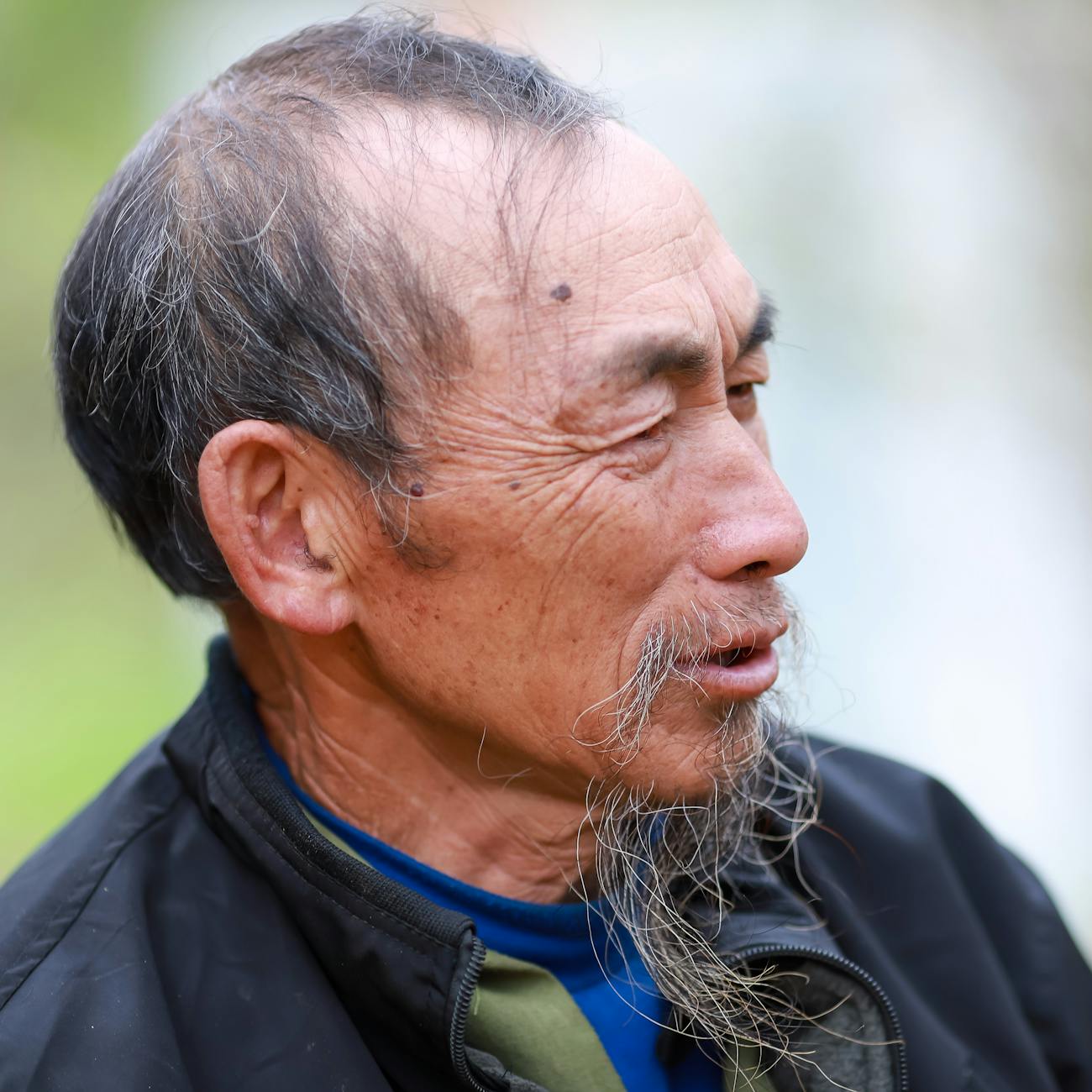
Nutrition and Hair Health for the Elderly
Good nutrition plays a crucial role in maintaining healthy hair, especially for the elderly population. As people age, changes in metabolism, hormonal levels, and overall health can impact the condition of their hair. Therefore, understanding the relationship between nutrition and hair health is essential in providing comprehensive care for elderly patients. In this Masterclass Certificate in Elderly Patient Hair Care, we will explore key terms and vocabulary related to nutrition and hair health for the elderly.
1. Protein Protein is a vital nutrient for hair health as hair is primarily made up of a protein called keratin. Adequate protein intake is crucial for maintaining strong and healthy hair. Elderly individuals may require more protein to support hair growth and repair. Good sources of protein include lean meats, poultry, fish, eggs, dairy products, legumes, nuts, and seeds.
2. Vitamins Vitamins play a significant role in promoting hair health. Some key vitamins for healthy hair include: - Vitamin A: Helps produce sebum, which keeps the scalp moisturized. - Vitamin B: Includes Biotin (B7) and Niacin (B3), which are essential for hair growth. - Vitamin C: A powerful antioxidant that aids in collagen production for hair strength. - Vitamin D: Supports hair follicle cycling and growth. - Vitamin E: Improves blood circulation to the scalp for better hair growth.
3. Minerals Minerals are essential for overall health, including hair health. Some key minerals for healthy hair include: - Zinc: Supports hair growth and repair. - Iron: Helps carry oxygen to the hair follicles. - Selenium: Aids in maintaining a healthy scalp. - Copper: Supports the production of melanin, the pigment that gives hair its color.
4. Omega-3 Fatty Acids Omega-3 fatty acids are essential fats that help nourish hair follicles and promote hair growth. They also have anti-inflammatory properties that can benefit the scalp. Sources of omega-3 fatty acids include fatty fish like salmon, walnuts, flaxseeds, and chia seeds.
5. Hydration Proper hydration is crucial for maintaining healthy hair. Dehydration can lead to dry and brittle hair. Encourage elderly patients to drink an adequate amount of water daily to keep their hair and scalp hydrated.
6. Antioxidants Antioxidants help protect hair follicles from damage caused by free radicals. Foods rich in antioxidants, such as fruits and vegetables, can help maintain healthy hair and prevent premature aging.
7. Probiotics Probiotics are beneficial bacteria that support gut health. A healthy gut is essential for nutrient absorption, including those important for hair health. Encourage elderly patients to consume probiotic-rich foods like yogurt, kefir, and sauerkraut.
8. Challenges in Elderly Nutrition There are several challenges in ensuring adequate nutrition for the elderly population, which can affect their hair health: - Dental Issues: Poor oral health can make it difficult for elderly individuals to eat nutritious foods. - Medication Interactions: Some medications can interfere with nutrient absorption, leading to deficiencies. - Decreased Appetite: Age-related changes in appetite can result in reduced food intake and nutrient deficiencies.
9. Dietary Supplements In some cases, dietary supplements may be necessary to ensure elderly patients are getting all the nutrients they need for healthy hair. However, supplements should not replace a balanced diet and should be taken under the guidance of a healthcare professional.
10. Meal Planning Creating well-balanced meals that are rich in essential nutrients is key to supporting hair health in the elderly. Consider incorporating a variety of foods from different food groups to ensure adequate nutrient intake.
11. Monitoring and Evaluation Regular monitoring of the elderly patient's nutritional status and hair health is essential to identify any deficiencies or issues early on. Work closely with healthcare providers to address any concerns and make necessary adjustments to their diet.
12. Conclusion In conclusion, nutrition plays a vital role in maintaining healthy hair for the elderly. By understanding the key nutrients and their impact on hair health, healthcare providers can support elderly patients in achieving optimal nutrition for strong and vibrant hair. Encourage elderly patients to adopt a balanced diet rich in protein, vitamins, minerals, omega-3 fatty acids, and antioxidants to promote healthy hair growth and overall well-being. By addressing the unique nutritional needs of the elderly population, we can help them maintain healthy and beautiful hair as they age.
Key takeaways
- In this Masterclass Certificate in Elderly Patient Hair Care, we will explore key terms and vocabulary related to nutrition and hair health for the elderly.
- Protein Protein is a vital nutrient for hair health as hair is primarily made up of a protein called keratin.
- Some key vitamins for healthy hair include: - Vitamin A: Helps produce sebum, which keeps the scalp moisturized.
- Some key minerals for healthy hair include: - Zinc: Supports hair growth and repair.
- Omega-3 Fatty Acids Omega-3 fatty acids are essential fats that help nourish hair follicles and promote hair growth.
- Encourage elderly patients to drink an adequate amount of water daily to keep their hair and scalp hydrated.
- Foods rich in antioxidants, such as fruits and vegetables, can help maintain healthy hair and prevent premature aging.