
Cultural Sensitivity in Hair Care for the Elderly
Cultural sensitivity in hair care for the elderly is a crucial aspect of providing quality care and maintaining the dignity of older adults. It involves understanding and respecting the cultural beliefs, values, practices, and preferences r…
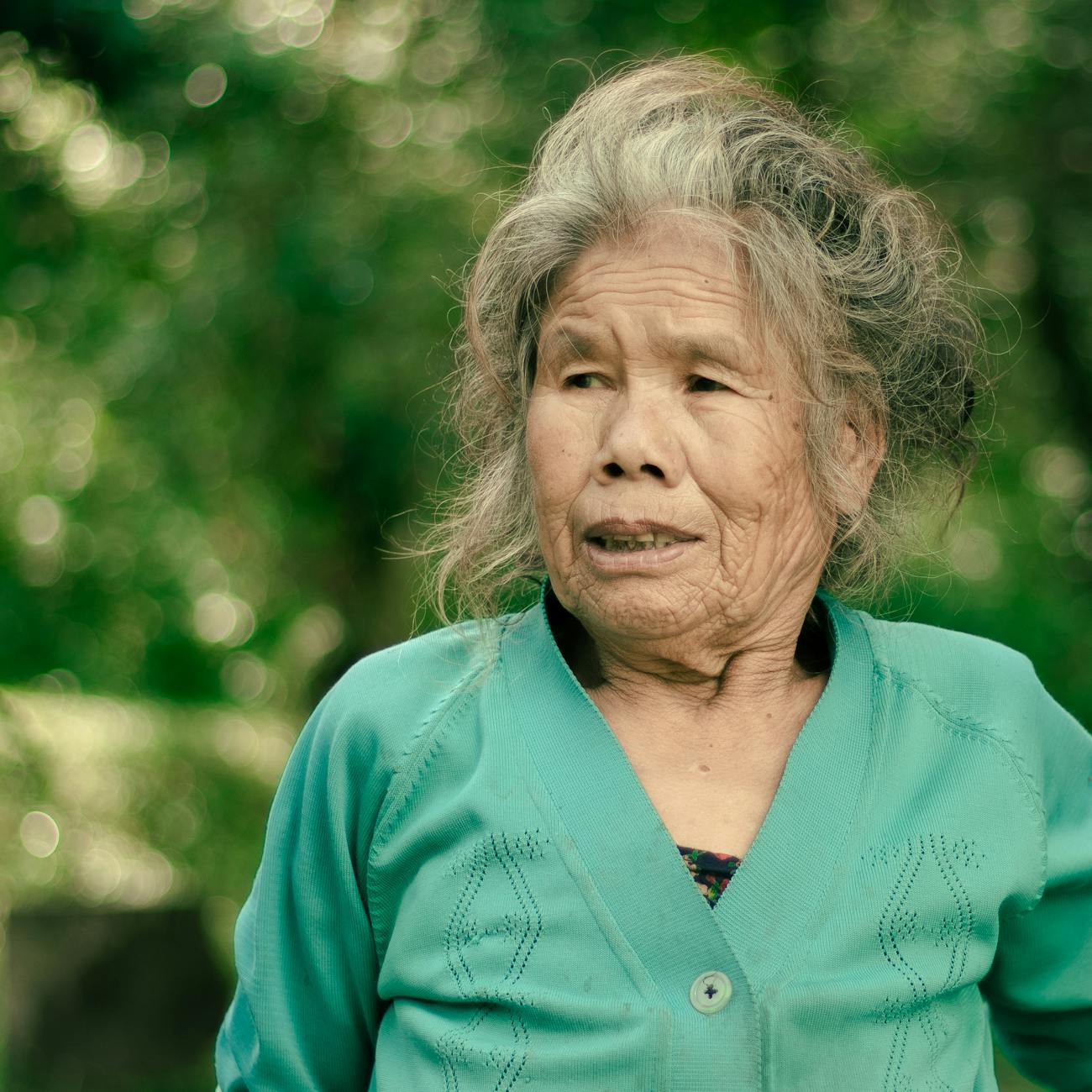
Cultural sensitivity in hair care for the elderly is a crucial aspect of providing quality care and maintaining the dignity of older adults. It involves understanding and respecting the cultural beliefs, values, practices, and preferences related to hair grooming and styling within different cultural groups. By being culturally sensitive, caregivers can ensure that the hair care needs of elderly patients are met in a way that is respectful, inclusive, and aligned with their cultural background.
Key Terms and Vocabulary:
1. **Cultural Sensitivity**: Cultural sensitivity refers to the awareness, understanding, and respect for the values, beliefs, customs, and practices of different cultural groups. It involves recognizing and appreciating the diversity of cultures and adapting one's behavior and practices to be inclusive and respectful of these differences.
2. **Elderly Patient Hair Care**: Elderly patient hair care encompasses a range of grooming and styling practices aimed at maintaining the health, cleanliness, and appearance of the hair of older adults. It includes washing, cutting, styling, and managing the hair in a way that promotes comfort, hygiene, and well-being.
3. **Cultural Competence**: Cultural competence is the ability to effectively interact with people from different cultural backgrounds. It involves having the knowledge, skills, and attitudes necessary to understand and respect cultural differences and deliver culturally appropriate care.
4. **Diversity**: Diversity refers to the variety of different cultures, ethnicities, languages, religions, and backgrounds that exist within a society or community. Embracing diversity means recognizing and valuing the unique perspectives and experiences of individuals from diverse cultural backgrounds.
5. **Inclusivity**: Inclusivity involves creating an environment that is welcoming, accepting, and respectful of all individuals, regardless of their cultural background. It means ensuring that everyone feels valued, included, and represented in the care they receive.
6. **Cultural Awareness**: Cultural awareness is the recognition and understanding of the cultural norms, values, beliefs, and practices that shape the behavior and experiences of individuals from different cultural backgrounds. It involves being mindful of how culture influences perceptions, attitudes, and interactions.
7. **Cultural Competency Training**: Cultural competency training is a process of education and skill development that helps healthcare providers enhance their understanding of cultural diversity and improve their ability to deliver culturally sensitive care. It aims to promote awareness, knowledge, and skills related to cultural competence.
8. **Cultural Humility**: Cultural humility is a mindset of openness, self-reflection, and willingness to learn from others. It involves recognizing one's own cultural biases and limitations and being humble in seeking to understand and appreciate the perspectives of individuals from diverse cultural backgrounds.
9. **Respect**: Respect is the act of acknowledging the inherent worth and dignity of every individual. In the context of cultural sensitivity in hair care for the elderly, respect means honoring the cultural beliefs, practices, and preferences of older adults and treating them with dignity and consideration.
10. **Communication**: Communication is the exchange of information, thoughts, and feelings between individuals. Effective communication is essential in cultural sensitivity as it helps caregivers understand the needs and preferences of elderly patients and build trust and rapport with them.
11. **Traditions**: Traditions are customs, rituals, and practices that are passed down from generation to generation within a cultural group. Understanding and respecting the traditions of elderly patients can help caregivers provide care that is meaningful, respectful, and aligned with their cultural heritage.
12. **Religious Beliefs**: Religious beliefs are the spiritual convictions, values, and practices that individuals adhere to as part of their faith tradition. Respecting the religious beliefs of elderly patients is important in cultural sensitivity as it influences their attitudes towards hair care practices and preferences.
13. **Ethnicity**: Ethnicity refers to the cultural, social, and historical characteristics that define a particular group of people. Understanding the ethnic background of elderly patients can help caregivers tailor their hair care practices to align with cultural norms and preferences.
14. **Cultural Taboos**: Cultural taboos are behaviors, actions, or practices that are considered unacceptable or forbidden within a particular culture. Being aware of cultural taboos related to hair care can help caregivers avoid inadvertently causing offense or discomfort to elderly patients.
15. **Cultural Appropriateness**: Cultural appropriateness refers to the degree to which an action, practice, or behavior aligns with the cultural norms, values, and expectations of a specific cultural group. Providing culturally appropriate hair care involves adapting practices to suit the cultural background and preferences of elderly patients.
16. **Sensitivity Training**: Sensitivity training is a form of education that aims to increase awareness and understanding of issues related to diversity, inclusion, and cultural sensitivity. Participating in sensitivity training can help caregivers develop the knowledge and skills needed to provide culturally sensitive care to elderly patients.
17. **Cultural Identity**: Cultural identity is the sense of belonging, connection, and pride that individuals feel towards their cultural heritage. Recognizing and honoring the cultural identity of elderly patients can help caregivers build trust, rapport, and understanding in their interactions.
18. **Cultural Values**: Cultural values are the principles, beliefs, and standards that guide the behavior and decisions of individuals within a cultural group. Respecting the cultural values of elderly patients is essential in providing care that is sensitive, respectful, and aligned with their cultural background.
19. **Cultural Differences**: Cultural differences are the variations in beliefs, practices, customs, and behaviors that exist between different cultural groups. Understanding and appreciating cultural differences can help caregivers tailor their hair care practices to meet the diverse needs and preferences of elderly patients.
20. **Empathy**: Empathy is the ability to understand and share the feelings and perspectives of others. Cultivating empathy towards elderly patients can help caregivers connect with them on a deeper level, appreciate their experiences, and provide care that is compassionate, respectful, and supportive.
Practical Applications:
1. **Language**: Use language interpreters or bilingual staff to communicate effectively with elderly patients who speak languages other than English. This can help ensure that important information about hair care practices and preferences is accurately conveyed and understood.
2. **Cultural Consultation**: Seek guidance from cultural consultants or community leaders to better understand the cultural norms, values, and beliefs of specific cultural groups. This can help caregivers adapt their hair care practices to be more culturally sensitive and respectful.
3. **Personalized Care Plans**: Develop individualized care plans for elderly patients that take into account their cultural background, preferences, and needs. This can help ensure that hair care practices are tailored to meet the unique requirements of each patient.
4. **Respectful Communication**: Use respectful and culturally appropriate communication techniques when discussing hair care with elderly patients. Avoid making assumptions or judgments based on cultural stereotypes and be open to learning about the cultural beliefs and practices of each patient.
5. **Cultural Celebrations**: Incorporate cultural celebrations, traditions, and rituals into the hair care routines of elderly patients. This can help create a sense of familiarity, comfort, and connection for patients who value their cultural heritage.
Challenges:
1. **Language Barriers**: Language barriers can make it difficult to communicate effectively with elderly patients who speak languages other than English. This can hinder the ability to understand their cultural beliefs, preferences, and practices related to hair care.
2. **Unfamiliar Customs**: Caregivers may be unfamiliar with the customs, traditions, and taboos of different cultural groups, making it challenging to provide culturally sensitive care. Lack of knowledge about cultural practices can lead to misunderstandings or unintentional disrespect.
3. **Cultural Stereotypes**: Stereotypes and biases based on cultural differences can impact the quality of care provided to elderly patients. Caregivers must be aware of their own cultural biases and prejudices to avoid making assumptions or judgments that may negatively affect their interactions with patients.
4. **Limited Resources**: Limited resources, such as cultural competency training programs or access to cultural consultants, can hinder caregivers' ability to provide culturally sensitive care. Without adequate support and resources, caregivers may struggle to meet the diverse needs of elderly patients from different cultural backgrounds.
5. **Resistance to Change**: Resistance to change or reluctance to embrace cultural sensitivity practices can impede caregivers' efforts to provide respectful and inclusive care to elderly patients. Overcoming resistance requires education, training, and a willingness to learn and adapt to the cultural needs of patients.
Cultural sensitivity in hair care for the elderly is an essential component of delivering person-centered and respectful care to older adults from diverse cultural backgrounds. By understanding and respecting the cultural beliefs, values, practices, and preferences of elderly patients, caregivers can ensure that their hair care needs are met in a way that is dignified, inclusive, and culturally appropriate. Embracing cultural sensitivity can enhance the quality of care provided to elderly patients and promote positive outcomes in their overall well-being and quality of life.
Key takeaways
- By being culturally sensitive, caregivers can ensure that the hair care needs of elderly patients are met in a way that is respectful, inclusive, and aligned with their cultural background.
- **Cultural Sensitivity**: Cultural sensitivity refers to the awareness, understanding, and respect for the values, beliefs, customs, and practices of different cultural groups.
- **Elderly Patient Hair Care**: Elderly patient hair care encompasses a range of grooming and styling practices aimed at maintaining the health, cleanliness, and appearance of the hair of older adults.
- It involves having the knowledge, skills, and attitudes necessary to understand and respect cultural differences and deliver culturally appropriate care.
- **Diversity**: Diversity refers to the variety of different cultures, ethnicities, languages, religions, and backgrounds that exist within a society or community.
- **Inclusivity**: Inclusivity involves creating an environment that is welcoming, accepting, and respectful of all individuals, regardless of their cultural background.
- **Cultural Awareness**: Cultural awareness is the recognition and understanding of the cultural norms, values, beliefs, and practices that shape the behavior and experiences of individuals from different cultural backgrounds.