
Safety Precautions and Protocols in Elderly Hair Care
Safety Precautions and Protocols in Elderly Hair Care
Safety Precautions and Protocols in Elderly Hair Care
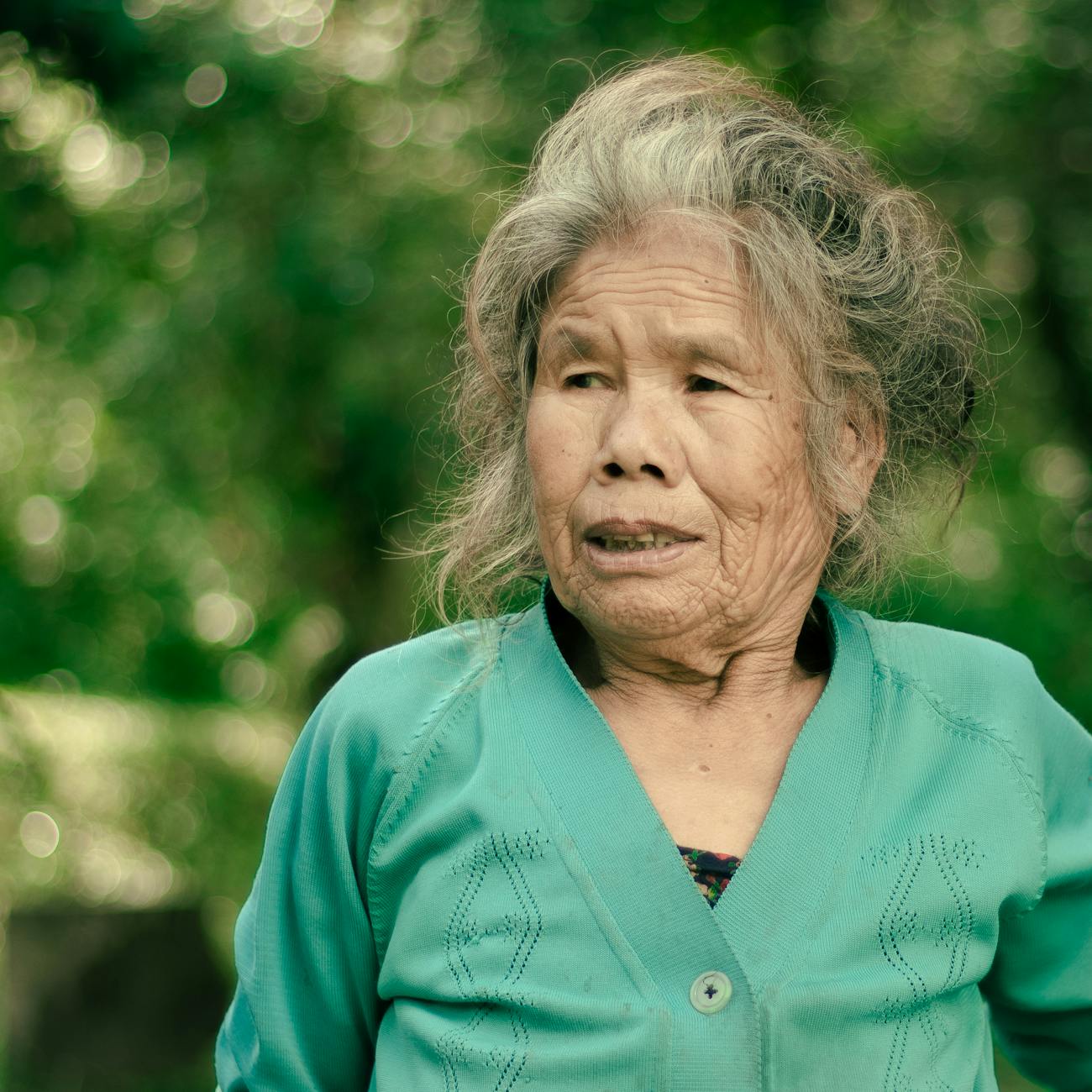
Hair care is an essential aspect of maintaining overall well-being, especially for elderly patients. The aging process can bring about various changes in hair texture, density, and color, making it crucial to provide specialized care to meet the unique needs of older individuals. When caring for the hair of elderly patients, it is essential to prioritize safety precautions and follow specific protocols to ensure effective and gentle treatment. In this Masterclass Certificate in Elderly Patient Hair Care, we will explore key terms and vocabulary related to safety precautions and protocols in elderly hair care to equip you with the knowledge and skills needed to provide optimal care for your elderly patients.
1. Hygiene
Hygiene is a fundamental aspect of elderly hair care, as maintaining cleanliness is crucial for overall health and well-being. When caring for elderly patients, it is essential to prioritize hygiene to prevent infections, skin irritations, and other complications. Proper hygiene practices include regular washing of the hair and scalp, using gentle shampoos and conditioners, and ensuring that hair accessories and tools are clean and sanitized.
2. Skin Sensitivity
As individuals age, their skin becomes more sensitive and prone to irritation. This sensitivity extends to the scalp, making it important to use gentle products and techniques when caring for elderly hair. Avoiding harsh chemicals, fragrances, and excessive heat can help prevent skin irritation and discomfort in elderly patients.
3. Scalp Health
The scalp plays a vital role in the overall health of the hair, making it essential to prioritize scalp health in elderly hair care. Regular scalp massages, gentle exfoliation, and proper hydration can help maintain a healthy scalp and promote hair growth. Monitoring the scalp for signs of dryness, inflammation, or infection is crucial in preventing scalp-related issues in elderly patients.
4. Fall Prevention
Fall prevention is a significant concern when caring for elderly patients, especially during hair care routines. To reduce the risk of falls, ensure that the patient is seated securely during hair care procedures and use non-slip mats on the floor. Additionally, be mindful of any mobility issues or balance problems that may affect the patient's safety during hair care.
5. Allergies and Sensitivities
Elderly patients may have allergies or sensitivities to certain ingredients found in hair care products, such as fragrances, preservatives, or dyes. It is essential to inquire about any known allergies or sensitivities and choose products that are hypoallergenic and gentle on the skin. Performing patch tests before using new products can help prevent allergic reactions in elderly patients.
6. Mobility Challenges
Mobility challenges can present obstacles when caring for elderly patients' hair, as limited movement or arthritis can make it difficult for patients to participate in hair care routines. Adaptations such as using ergonomic tools, adjusting the height of the chair, or providing support for the patient's arms can help facilitate hair care for elderly individuals with mobility challenges.
7. Communication
Effective communication is essential when providing hair care to elderly patients, as clear instructions and explanations can help alleviate any concerns or discomfort. Take the time to communicate with the patient about their preferences, any issues they may be experiencing, and the steps involved in the hair care routine. Using simple language and speaking calmly can help ensure that the patient feels comfortable and informed throughout the process.
8. Gentle Handling
Elderly hair is more delicate and fragile than younger hair, making gentle handling a priority in elderly hair care. Avoiding rough brushing, excessive pulling, or tight hairstyles can help prevent hair breakage and scalp irritation in elderly patients. Use wide-tooth combs, soft brushes, and gentle techniques to ensure that the hair is treated with care and respect.
9. Dementia Care
When caring for elderly patients with dementia, additional considerations must be taken into account to ensure their safety and well-being during hair care routines. Patients with dementia may struggle to communicate their needs or may exhibit agitation or confusion during hair care. Approach these patients with patience and compassion, using gentle touch and reassuring words to create a calm and comfortable environment for hair care.
10. Equipment Safety
Using safe and well-maintained equipment is essential in elderly hair care to prevent accidents or injuries. Regularly inspect tools such as hair dryers, curling irons, and scissors for any damage or malfunction. Ensure that electrical cords are in good condition and that equipment is stored securely to avoid potential hazards during hair care procedures.
11. Infection Control
Infection control is paramount in elderly hair care to prevent the spread of germs and bacteria. Proper hand hygiene, disinfection of tools and surfaces, and the use of disposable items when necessary can help reduce the risk of infections in elderly patients. Be mindful of any signs of infection on the scalp or skin and take appropriate measures to address them promptly.
12. Comfort and Dignity
Maintaining the comfort and dignity of elderly patients during hair care is essential for their overall well-being. Create a relaxing and welcoming environment for hair care procedures, ensuring that the patient feels respected and valued throughout the process. Consider the patient's preferences, comfort level, and privacy to provide a positive experience that promotes their sense of dignity and self-esteem.
13. Personal Protective Equipment (PPE)
When providing hair care to elderly patients, it is important to wear appropriate personal protective equipment (PPE) to protect both the patient and the caregiver. Gloves, aprons, and masks can help prevent the transmission of germs and ensure a safe and hygienic environment during hair care procedures. Adhere to recommended PPE guidelines to minimize the risk of contamination and promote safety in elderly hair care.
14. Emergency Preparedness
Being prepared for emergencies is essential when caring for elderly patients, as unexpected situations can arise during hair care routines. Familiarize yourself with emergency procedures, such as how to respond to falls, cuts, or allergic reactions, and ensure that emergency contact information is readily available. Stay calm and composed in emergencies, prioritizing the safety and well-being of the patient at all times.
15. Documentation and Reporting
Accurate documentation and reporting are essential components of elderly hair care to track the patient's progress, note any concerns or changes, and communicate effectively with other healthcare providers. Keep detailed records of the patient's hair care routine, any products used, and any observations or reactions noted during the procedure. Report any significant issues or changes to the appropriate healthcare team members to ensure continuity of care and prompt intervention when needed.
16. Training and Education
Continued training and education are vital in elderly hair care to stay updated on best practices, new techniques, and emerging trends in the field. Attend workshops, conferences, and training sessions to enhance your knowledge and skills in providing optimal care for elderly patients. Stay informed about the latest research and developments in elderly hair care to deliver high-quality and evidence-based services to your patients.
17. Cultural Sensitivity
Cultural sensitivity is essential when providing hair care to elderly patients from diverse backgrounds, as cultural beliefs and practices may influence their preferences and expectations. Respect the patient's cultural traditions, values, and customs when planning and implementing hair care routines. Consider any cultural sensitivities or taboos related to hair care and adapt your approach accordingly to promote a culturally competent and respectful environment for elderly patients.
18. Collaborative Care
Collaborative care involves working together with other healthcare professionals, caregivers, and family members to provide comprehensive and holistic care for elderly patients. Coordinate with other team members to ensure that the patient's hair care needs are addressed in conjunction with their overall health and well-being. Communicate effectively with other providers to share information, exchange feedback, and collaborate on the best approach to meeting the patient's hair care goals.
19. Patient Empowerment
Empowering patients to participate in their own care is an important aspect of elderly hair care, as it promotes independence, confidence, and self-esteem. Encourage patients to express their preferences, concerns, and goals related to hair care, and involve them in decision-making processes. Provide education and support to help patients maintain their hair health and well-being independently, empowering them to take an active role in their own care.
20. Professional Boundaries
Maintaining professional boundaries is crucial in elderly hair care to ensure that the caregiver-patient relationship remains respectful, ethical, and appropriate. Avoid engaging in personal or intimate conversations during hair care procedures and focus on the task at hand. Respect the patient's privacy, autonomy, and dignity at all times, setting clear boundaries to uphold professional standards and promote a safe and trusting environment for elderly patients.
In conclusion, safety precautions and protocols play a vital role in providing optimal care for elderly patients in the realm of hair care. By prioritizing hygiene, skin sensitivity, scalp health, fall prevention, and other key considerations, caregivers can ensure the safety, comfort, and well-being of elderly individuals during hair care procedures. By incorporating these essential concepts and practices into their daily routines, caregivers can enhance the quality of care they provide to elderly patients and promote positive outcomes in their hair health and overall well-being.
Key takeaways
- The aging process can bring about various changes in hair texture, density, and color, making it crucial to provide specialized care to meet the unique needs of older individuals.
- Proper hygiene practices include regular washing of the hair and scalp, using gentle shampoos and conditioners, and ensuring that hair accessories and tools are clean and sanitized.
- This sensitivity extends to the scalp, making it important to use gentle products and techniques when caring for elderly hair.
- Monitoring the scalp for signs of dryness, inflammation, or infection is crucial in preventing scalp-related issues in elderly patients.
- To reduce the risk of falls, ensure that the patient is seated securely during hair care procedures and use non-slip mats on the floor.
- Elderly patients may have allergies or sensitivities to certain ingredients found in hair care products, such as fragrances, preservatives, or dyes.
- Adaptations such as using ergonomic tools, adjusting the height of the chair, or providing support for the patient's arms can help facilitate hair care for elderly individuals with mobility challenges.