
Drone Propulsion Systems
Drone Propulsion Systems:
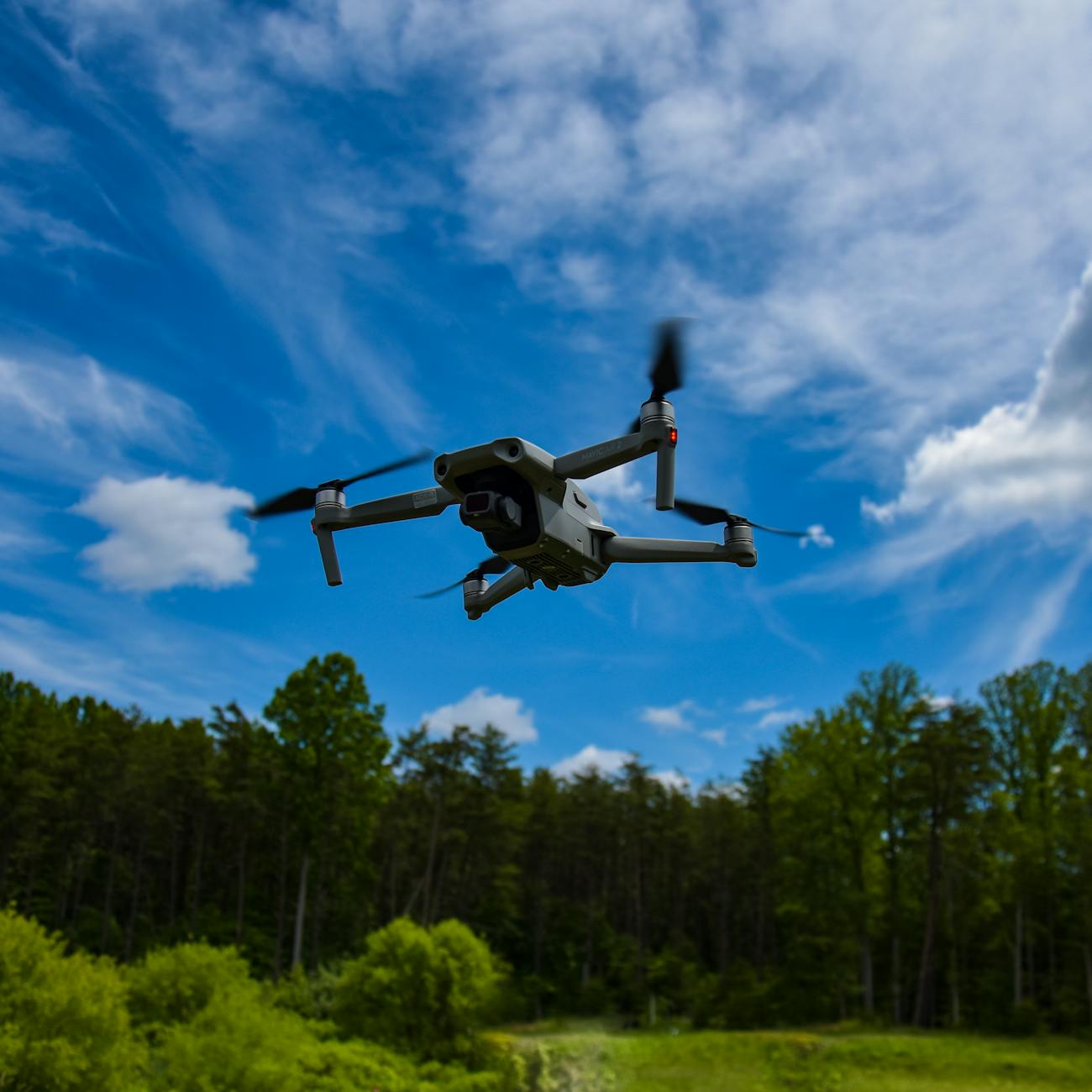
Drone Propulsion Systems:
Introduction: Drone propulsion systems are a crucial component of unmanned aerial vehicles (UAVs), providing the necessary power to lift and propel the aircraft through the air. Understanding the key terms and vocabulary associated with drone propulsion systems is essential for drone maintenance and repair specialists to effectively diagnose and fix issues that may arise.
Key Terms and Vocabulary:
1. Propulsion: Propulsion refers to the process of generating thrust to move an object forward. In the context of drones, propulsion systems generate the necessary thrust to lift and propel the aircraft.
2. Thrust: Thrust is the force that propels an object forward. In drone propulsion systems, thrust is typically generated by propellers or rotors spinning at high speeds.
3. Propeller: A propeller is a type of fan that converts rotational motion into thrust. In drone propulsion systems, propellers are attached to motors and spin rapidly to generate lift and forward motion.
4. Motor: The motor is the component of the drone's propulsion system that converts electrical energy into mechanical energy to drive the propellers. Brushless motors are commonly used in drone propulsion systems due to their efficiency and reliability.
5. ESC (Electronic Speed Controller): The ESC is a crucial component of drone propulsion systems that controls the speed of the motors by regulating the amount of power supplied to them. It acts as an intermediary between the flight controller and the motors.
6. Flight Controller: The flight controller is the "brain" of the drone, responsible for processing inputs from the pilot or autopilot system and controlling the drone's stability and flight dynamics. It communicates with the ESC to adjust motor speeds and maintain the desired flight path.
7. Thrust-to-Weight Ratio: The thrust-to-weight ratio is a critical metric in drone propulsion systems that determines the drone's ability to lift off and maneuver effectively. A higher thrust-to-weight ratio indicates that the drone can accelerate faster and maintain stable flight.
8. Hovering: Hovering is the ability of a drone to remain in a fixed position in the air without moving. Achieving stable hovering requires precise control of the drone's propulsion system to counteract external forces like wind.
9. Flight Time: Flight time refers to the duration for which a drone can remain airborne on a single battery charge. The efficiency of the propulsion system, as well as the drone's overall weight and aerodynamics, play a significant role in determining the flight time.
10. Thrust Vectoring: Thrust vectoring is a technology that allows the direction of thrust to be manipulated to control the drone's attitude and maneuverability. By adjusting the angle of the propellers, thrust vectoring can enable more agile flight capabilities.
11. VTOL (Vertical Takeoff and Landing): VTOL refers to drones that can take off and land vertically without the need for a runway. This capability is made possible by the drone's propulsion system, which can generate enough thrust to lift the aircraft vertically.
12. Fixed-Pitch vs. Variable-Pitch Propellers: Fixed-pitch propellers have a constant blade angle and are simpler in design, while variable-pitch propellers can adjust the blade angle dynamically to optimize performance at different flight conditions. Variable-pitch propellers offer greater flexibility but are more complex and expensive.
13. Power System Efficiency: Power system efficiency refers to how effectively the drone's propulsion system converts electrical energy into mechanical energy to generate thrust. Efficient power systems can extend flight time and improve overall performance.
14. Thermal Management: Thermal management is the process of controlling and dissipating heat generated by the drone's propulsion system during operation. Proper thermal management is essential to prevent overheating and component failure.
15. Regenerative Braking: Regenerative braking is a feature in some drone propulsion systems that recovers energy during descent by reversing the motor's rotation to generate electricity. This energy can be stored in the battery for later use, improving overall efficiency.
Practical Applications: Understanding the key terms and vocabulary related to drone propulsion systems is essential for drone maintenance and repair specialists to diagnose and troubleshoot issues effectively. For example, if a drone is experiencing reduced flight time, the specialist may need to check the power system efficiency and battery health to identify potential causes. Similarly, if a drone is struggling to maintain stable hovering, adjusting the thrust-to-weight ratio or inspecting the propellers for damage may be necessary.
Challenges in drone propulsion systems maintenance and repair can arise from complex interactions between components such as the motor, ESC, and flight controller. Specialists must have a deep understanding of each component's function and how they work together to ensure the drone operates optimally.
Conclusion: Mastering the key terms and vocabulary associated with drone propulsion systems is essential for drone maintenance and repair specialists to effectively diagnose and fix issues that may arise during operation. By understanding concepts such as thrust, propellers, motors, and ESCs, specialists can ensure that drones operate efficiently and safely. Continuous learning and staying updated on advancements in drone propulsion technology are crucial for maintaining expertise in this rapidly evolving field.
Key takeaways
- Understanding the key terms and vocabulary associated with drone propulsion systems is essential for drone maintenance and repair specialists to effectively diagnose and fix issues that may arise.
- In the context of drones, propulsion systems generate the necessary thrust to lift and propel the aircraft.
- In drone propulsion systems, thrust is typically generated by propellers or rotors spinning at high speeds.
- In drone propulsion systems, propellers are attached to motors and spin rapidly to generate lift and forward motion.
- Motor: The motor is the component of the drone's propulsion system that converts electrical energy into mechanical energy to drive the propellers.
- ESC (Electronic Speed Controller): The ESC is a crucial component of drone propulsion systems that controls the speed of the motors by regulating the amount of power supplied to them.
- Flight Controller: The flight controller is the "brain" of the drone, responsible for processing inputs from the pilot or autopilot system and controlling the drone's stability and flight dynamics.