
Drone Safety Protocols
Drone Safety Protocols
Drone Safety Protocols
Safety is paramount when operating drones. Understanding the key terms and vocabulary related to drone safety protocols is crucial for drone maintenance and repair specialists. Let's delve into the essential terminology in this field.
1. Unmanned Aerial Vehicle (UAV)
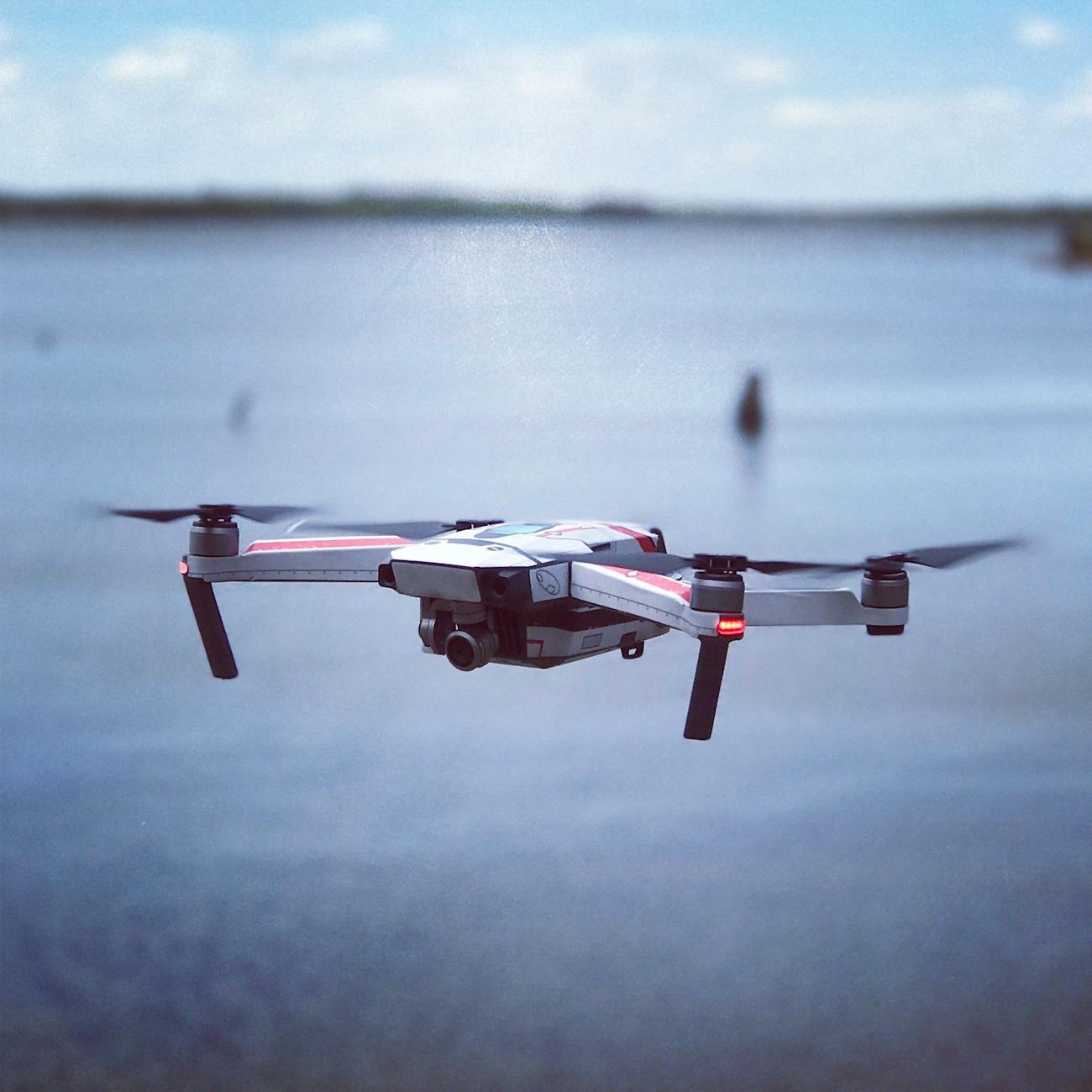
An Unmanned Aerial Vehicle (UAV), commonly known as a drone, is an aircraft without a human pilot onboard. UAVs can be remotely controlled or fly autonomously using onboard computers.
2. Remote Pilot
A remote pilot is an individual who operates a drone from a remote location. Remote pilots must adhere to specific regulations and guidelines set by aviation authorities.
3. Line of Sight (LOS)
Line of Sight (LOS) refers to the distance up to which a remote pilot can visually see and control a drone. Maintaining LOS is crucial for safe drone operations.
4. Beyond Visual Line of Sight (BVLOS)
Beyond Visual Line of Sight (BVLOS) operations involve flying a drone where the remote pilot cannot maintain direct visual contact. BVLOS operations require special permissions and safety measures.
5. First Person View (FPV)
First Person View (FPV) is a method used by drone operators to control the aircraft using a live video feed transmitted from an onboard camera. FPV requires specialized equipment and skills.
6. No Fly Zones
No Fly Zones are designated areas where drone operations are prohibited or restricted. These zones typically include airports, military installations, and sensitive government facilities.
7. Geofencing
Geofencing is a technology that uses GPS or RFID to create virtual boundaries around specific geographic areas. Drones equipped with geofencing capabilities are programmed to avoid flying into restricted zones.
8. Airworthiness
Airworthiness refers to the condition of an aircraft, including drones, in terms of being safe to fly. Ensuring the airworthiness of a drone is essential for safe operations.
9. Pre-flight Inspection
A pre-flight inspection is a systematic check of a drone's components and systems before takeoff. Remote pilots must conduct thorough pre-flight inspections to ensure the drone is in optimal condition.
10. Risk Assessment
Risk assessment involves identifying potential hazards and evaluating the level of risk associated with drone operations. Conducting a risk assessment helps remote pilots mitigate risks and ensure safety.
11. Emergency Procedures
Emergency procedures are predefined actions that remote pilots must follow in case of unforeseen circumstances or emergencies during drone flights. Being prepared for emergencies is crucial for safe operations.
12. Lost Link Procedures
Lost Link procedures are protocols followed by remote pilots when communication with the drone is lost. Remote pilots must know how to re-establish communication or safely land the drone in such situations.
13. Battery Management
Battery management involves monitoring the condition and charge levels of drone batteries. Proper battery management is essential for safe and reliable drone operations.
14. Payload
Payload refers to the additional equipment or items carried by a drone during flight. Understanding payload limitations is crucial for maintaining the balance and stability of the drone.
15. Flight Envelope
The flight envelope defines the safe operating limits of a drone, including altitude, speed, and maneuverability. Remote pilots must operate drones within their designated flight envelopes to ensure safety.
16. Air Traffic Control (ATC)
Air Traffic Control (ATC) is a service provided by aviation authorities to monitor and manage air traffic. Remote pilots must coordinate with ATC when operating drones in controlled airspace.
17. Sense and Avoid
Sense and Avoid technology enables drones to detect and avoid collisions with other aircraft or obstacles. Implementing Sense and Avoid systems enhances the safety of drone operations.
18. Collision Avoidance System
Collision Avoidance Systems are electronic systems that help drones detect and evade potential collisions. These systems use sensors and algorithms to enhance the safety of drone flights.
19. Flight Termination System
A Flight Termination System is a safety mechanism that allows remote pilots to remotely deactivate or terminate the flight of a drone in emergency situations. This system prevents accidents and damage.
20. Weather Considerations
Weather conditions play a significant role in drone safety. Remote pilots must consider factors such as wind, precipitation, temperature, and visibility before conducting flights to ensure safe operations.
21. Maintenance Procedures
Maintenance procedures involve regular inspections, repairs, and servicing of drones to keep them in optimal condition. Following proper maintenance procedures is essential for safe and reliable drone operations.
22. Software Updates
Software updates are essential for keeping drone systems up to date with the latest features and security patches. Remote pilots must regularly update the software of their drones to ensure safe and efficient operations.
23. Data Security
Data security is critical when operating drones, as they may collect sensitive information. Remote pilots must implement measures to secure data storage and transmission to protect privacy and prevent unauthorized access.
24. Remote ID
Remote ID is a system that provides identification and location information of drones to authorities and other airspace users. Implementing Remote ID enhances transparency and accountability in drone operations.
25. Privacy Regulations
Privacy regulations govern the collection and use of personal data by drones. Remote pilots must comply with privacy laws and regulations to protect the privacy rights of individuals during drone operations.
26. Operational Limitations
Operational limitations refer to the restrictions imposed on drone operations by aviation authorities. Remote pilots must be aware of and adhere to operational limitations to ensure compliance and safety.
27. Human Factors
Human factors refer to the influence of human behavior, capabilities, and limitations on drone operations. Understanding human factors is crucial for designing safe and user-friendly drone systems.
28. Training and Certification
Training and certification programs provide remote pilots with the knowledge and skills required to operate drones safely and effectively. Completing training and obtaining certifications is essential for professional drone operations.
29. Incident Reporting
Incident reporting involves documenting and reporting any accidents, near misses, or safety incidents during drone operations. Prompt and accurate incident reporting helps improve safety and prevent future incidents.
30. Regulatory Compliance
Regulatory compliance involves following the rules and regulations set by aviation authorities and government agencies. Remote pilots must ensure regulatory compliance to operate drones legally and safely.
By familiarizing yourself with these key terms and vocabulary related to drone safety protocols, you will be better equipped to maintain and repair drones effectively while prioritizing safety in all operations. Remember, safety should always come first when working with drones.
Key takeaways
- Understanding the key terms and vocabulary related to drone safety protocols is crucial for drone maintenance and repair specialists.
- An Unmanned Aerial Vehicle (UAV), commonly known as a drone, is an aircraft without a human pilot onboard.
- Remote pilots must adhere to specific regulations and guidelines set by aviation authorities.
- Line of Sight (LOS) refers to the distance up to which a remote pilot can visually see and control a drone.
- Beyond Visual Line of Sight (BVLOS) operations involve flying a drone where the remote pilot cannot maintain direct visual contact.
- First Person View (FPV) is a method used by drone operators to control the aircraft using a live video feed transmitted from an onboard camera.
- These zones typically include airports, military installations, and sensitive government facilities.