
Anxiety and Stress Management
Anxiety and Stress Management
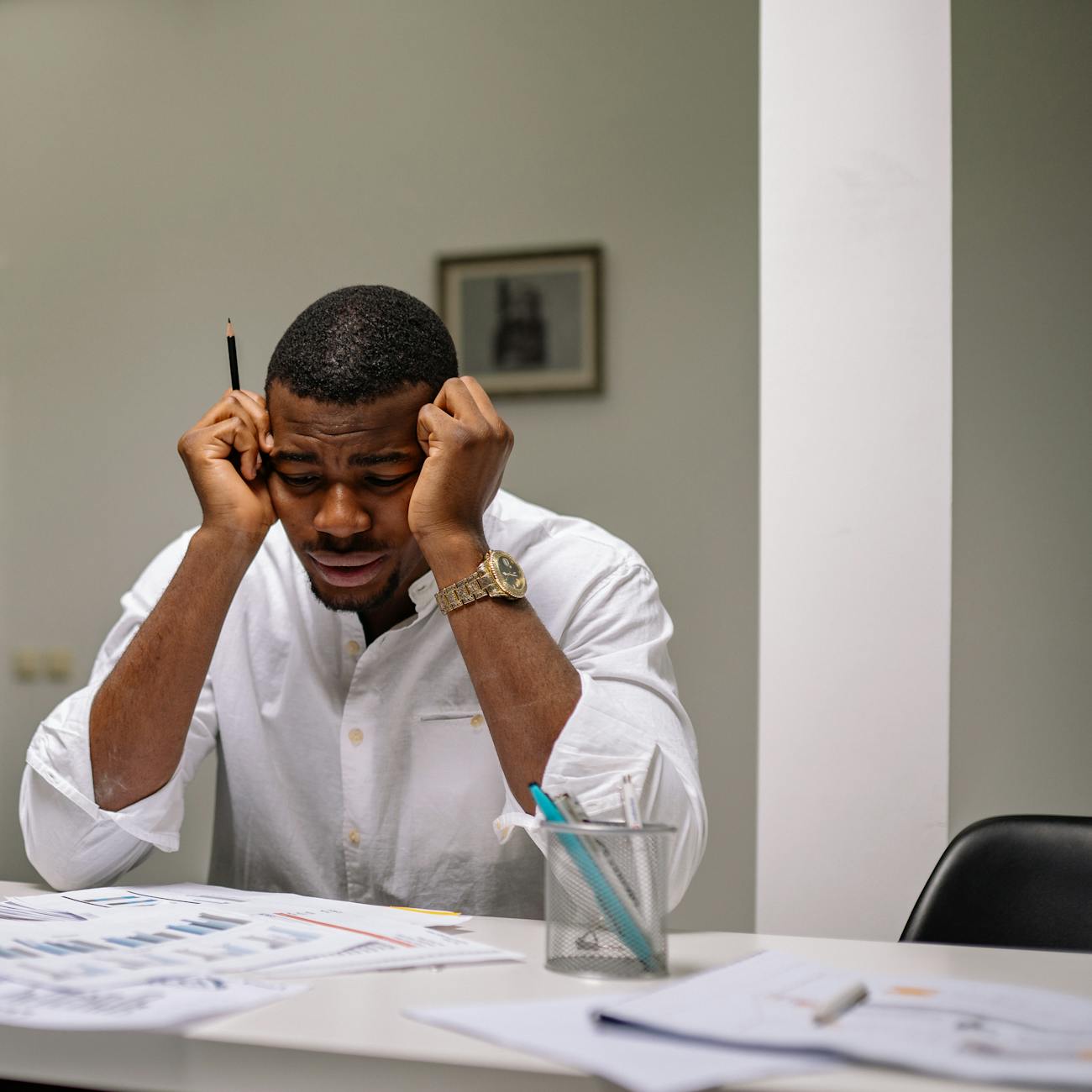
Anxiety and Stress Management
Anxiety Anxiety is a common emotion experienced by athletes and individuals in various situations. It is characterized by feelings of worry, nervousness, or unease about an upcoming event or uncertain outcome. In sports psychology, anxiety can manifest in different forms, such as cognitive anxiety (worrying thoughts), somatic anxiety (physical symptoms), and behavioral anxiety (actions or behaviors resulting from anxiety).
An athlete experiencing anxiety may have racing thoughts about their performance, physical symptoms like a rapid heartbeat or sweating, and behaviors like avoidance of competition or training. It is essential for athletes to learn how to manage anxiety effectively to perform at their best and maintain psychological well-being.
Stress Stress is a natural response to challenging or threatening situations that require adaptation or coping. In sports psychology, stress can arise from various sources, including competition pressure, performance expectations, injuries, or team dynamics. Athletes often experience stress before competitions, during training, or when facing setbacks.
Stress can have both positive (eustress) and negative (distress) effects on athletic performance and mental health. Eustress can motivate athletes to perform better, enhance focus, and increase arousal levels. On the other hand, distress can lead to decreased performance, anxiety, burnout, and physical health issues if not managed effectively.
Anxiety Management Strategies
Cognitive Strategies Cognitive strategies focus on changing athletes' thoughts and perceptions to reduce anxiety and improve performance. Cognitive restructuring involves identifying and challenging negative thoughts or irrational beliefs that contribute to anxiety. Athletes can replace negative thoughts with positive affirmations or coping statements to enhance confidence and resilience.
Visualization techniques, such as mental imagery and mental rehearsal, can help athletes visualize successful performances and build confidence. By mentally rehearsing their skills and strategies, athletes can reduce anxiety and increase their readiness for competition.
Relaxation Techniques Relaxation techniques aim to reduce physiological arousal and promote calmness in athletes. Progressive muscle relaxation involves tensing and relaxing specific muscle groups to release tension and improve body awareness. Deep breathing exercises can help athletes regulate their breathing patterns and calm their nervous system before competitions or high-pressure situations.
Mindfulness meditation encourages athletes to focus on the present moment and cultivate awareness of their thoughts and emotions without judgment. By practicing mindfulness, athletes can develop resilience to stressors and improve their ability to stay focused and composed under pressure.
Goal Setting Goal setting is a powerful tool for managing anxiety and enhancing performance in sports. Athletes can set specific, measurable, achievable, relevant, and time-bound (SMART) goals to provide direction and motivation. Short-term goals can help athletes break down larger objectives into manageable tasks and track their progress effectively.
Setting process goals (e.g., improving technique or consistency) alongside outcome goals (e.g., winning a competition) can help athletes focus on controllable factors and build confidence through small achievements. By setting realistic and challenging goals, athletes can boost their self-efficacy and reduce anxiety related to performance expectations.
Stress Management Strategies
Time Management Time management is crucial for athletes to balance their training, competition schedules, academic commitments, and personal life effectively. By prioritizing tasks, creating schedules, and setting deadlines, athletes can avoid feeling overwhelmed and reduce stress levels. Time-blocking techniques can help athletes allocate specific time slots for training, recovery, studying, and relaxation to maintain a healthy routine.
Delegating tasks, seeking support from coaches or teammates, and learning to say no to additional responsibilities can also help athletes manage their time more efficiently and reduce stress. By practicing time management skills, athletes can optimize their performance, prevent burnout, and improve their overall well-being.
Social Support Social support from coaches, teammates, family members, and friends plays a crucial role in helping athletes cope with stress and adversity. By building positive relationships and communication channels, athletes can share their concerns, seek advice, and receive emotional support during challenging times. Supportive environments foster a sense of belonging, motivation, and resilience among athletes, enhancing their mental health and performance.
Peer support groups, team bonding activities, and mental health resources can provide athletes with a supportive network to discuss their experiences, learn coping strategies, and reduce feelings of isolation or stress. By fostering a culture of openness and trust, teams can create a supportive community that promotes mental well-being and success on and off the field.
Self-Care Practices Self-care practices are essential for athletes to prioritize their physical, emotional, and mental health needs amidst their demanding schedules and competitive pressures. Engaging in activities that promote relaxation, enjoyment, and self-reflection can help athletes recharge their energy, reduce stress, and enhance their overall well-being.
Physical self-care activities, such as adequate sleep, nutritious diet, regular exercise, and injury prevention strategies, are vital for athletes to maintain their physical health and performance readiness. Psychological self-care practices, like journaling, mindfulness exercises, hobbies, and therapy sessions, can help athletes manage their emotions, build resilience, and develop coping skills to navigate stressors effectively.
Challenges in Anxiety and Stress Management
Individual Differences Athletes have unique personalities, backgrounds, experiences, and coping styles that influence how they perceive and respond to anxiety and stress. Some athletes may thrive under pressure and perform well in high-stress situations, while others may struggle with anxiety and underperform. Understanding individual differences in athletes' psychological profiles is essential for tailoring effective anxiety and stress management strategies.
Performance Expectations Performance expectations from coaches, teammates, fans, and oneself can create pressure and anxiety for athletes. High expectations to win, excel, or meet standards can increase stress levels and impact athletes' confidence and motivation. Balancing realistic goals with performance demands is crucial for athletes to manage anxiety effectively and maintain a healthy mindset.
Injury and Recovery Injuries are common in sports and can be a significant source of stress for athletes. Dealing with physical pain, rehabilitation, and uncertainty about returning to competition can trigger anxiety and frustration. Athletes may struggle with fear of re-injury, loss of form, or performance setbacks during the recovery process.
Effective injury management involves not only physical rehabilitation but also psychological support to help athletes cope with the emotional challenges of being sidelined. Building resilience, staying positive, and maintaining a sense of purpose are essential for athletes to navigate the mental health aspects of injuries and recovery successfully.
Conclusion
In conclusion, anxiety and stress management are crucial skills for athletes to enhance their performance, well-being, and longevity in sports. By implementing cognitive strategies, relaxation techniques, goal setting, time management, social support, and self-care practices, athletes can build resilience, reduce anxiety, and cope with stress effectively. Understanding the challenges and individual differences in anxiety and stress responses can help athletes and sports psychologists tailor personalized interventions to optimize mental health and performance outcomes. By prioritizing mental well-being alongside physical training, athletes can develop a holistic approach to sports psychology and mental health that supports their success on and off the field.
Key takeaways
- In sports psychology, anxiety can manifest in different forms, such as cognitive anxiety (worrying thoughts), somatic anxiety (physical symptoms), and behavioral anxiety (actions or behaviors resulting from anxiety).
- An athlete experiencing anxiety may have racing thoughts about their performance, physical symptoms like a rapid heartbeat or sweating, and behaviors like avoidance of competition or training.
- In sports psychology, stress can arise from various sources, including competition pressure, performance expectations, injuries, or team dynamics.
- On the other hand, distress can lead to decreased performance, anxiety, burnout, and physical health issues if not managed effectively.
- Cognitive Strategies Cognitive strategies focus on changing athletes' thoughts and perceptions to reduce anxiety and improve performance.
- Visualization techniques, such as mental imagery and mental rehearsal, can help athletes visualize successful performances and build confidence.
- Deep breathing exercises can help athletes regulate their breathing patterns and calm their nervous system before competitions or high-pressure situations.