
Team Dynamics and Cohesion
Team Dynamics and Cohesion
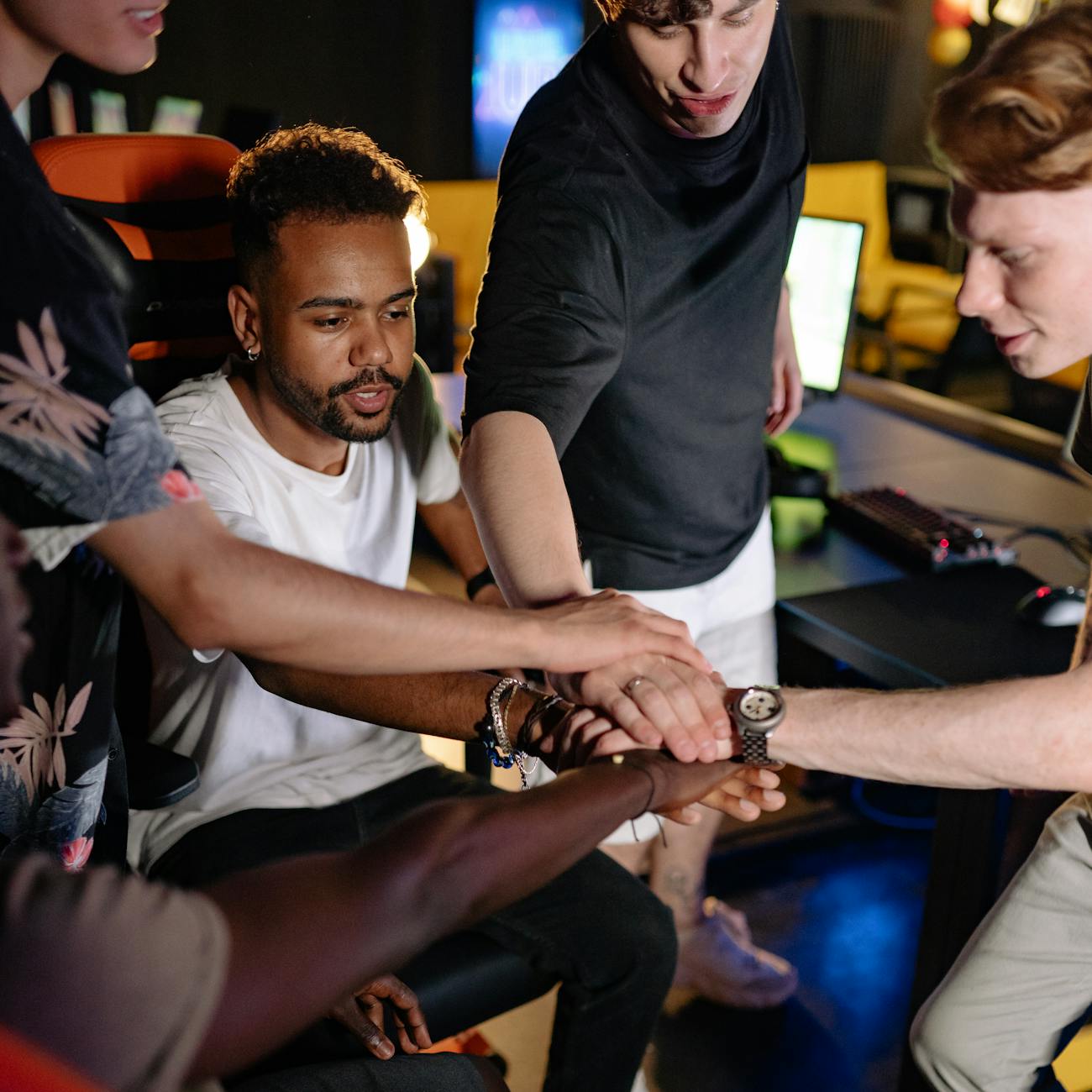
Team Dynamics and Cohesion
Team dynamics and cohesion play a crucial role in the success of any sports team. Understanding these concepts is essential for coaches, athletes, and sports psychologists to create a positive and effective team environment. In this course, we will explore the key terms and vocabulary related to team dynamics and cohesion in sports psychology and mental health.
Team Dynamics
Team dynamics refer to the interactions between team members, the relationships they have with each other, and how they work together towards a common goal. It involves the way team members communicate, collaborate, and coordinate their efforts to achieve success. Understanding team dynamics is essential for building a strong and cohesive team that can perform at its best.
Communication
Communication is a key aspect of team dynamics. It involves the exchange of information, ideas, and feedback between team members. Effective communication is crucial for building trust, resolving conflicts, and ensuring that everyone is on the same page. Open and clear communication can help improve team dynamics and enhance performance.
Collaboration
Collaboration is another important element of team dynamics. It involves working together towards a common goal, sharing responsibilities, and supporting each other. Collaborative teams are more likely to succeed as they can leverage the strengths of each team member and overcome challenges together.
Coordination
Coordination refers to the organization and synchronization of efforts within a team. It involves planning, assigning roles, and ensuring that everyone is working towards the same objective. Effective coordination is essential for maximizing team performance and achieving success.
Leadership
Leadership plays a critical role in team dynamics. A strong leader can inspire, motivate, and guide team members towards their goals. Good leadership can help build trust, foster communication, and create a positive team environment. Developing leadership skills is essential for enhancing team dynamics and cohesion.
Roles and Responsibilities
Assigning roles and responsibilities is important for clarifying expectations and maximizing team performance. Each team member should have a defined role that aligns with their strengths and skills. Clear roles and responsibilities can help prevent conflicts, improve coordination, and boost team morale.
Trust
Trust is a fundamental aspect of team dynamics. It involves having confidence in the abilities and intentions of team members. Trust is built through open communication, reliability, and mutual respect. Teams with high levels of trust are more cohesive, resilient, and effective in achieving their goals.
Conflict Resolution
Conflicts are inevitable in any team setting. Effective conflict resolution involves addressing disagreements in a constructive and respectful manner. It is important to listen to all parties, find common ground, and work towards a solution that benefits the team as a whole. Resolving conflicts promptly can help maintain team cohesion and harmony.
Group Norms
Group norms are the informal rules and expectations that guide behavior within a team. They define acceptable conduct, communication patterns, and decision-making processes. Establishing clear group norms can help create a positive team culture, promote accountability, and enhance team dynamics.
Team Cohesion
Team cohesion refers to the degree of unity, solidarity, and bond among team members. It involves the emotional connection, trust, and sense of belonging that team members share. High levels of team cohesion are associated with improved performance, motivation, and satisfaction.
Social Cohesion
Social cohesion refers to the interpersonal relationships and social bonds within a team. It involves the friendships, support networks, and sense of belonging that team members experience. Social cohesion can enhance team morale, communication, and cooperation.
Task Cohesion
Task cohesion relates to the shared commitment, focus, and dedication towards achieving team goals. It involves the alignment of efforts, resources, and strategies to accomplish a common objective. Task cohesion can improve coordination, motivation, and performance within a team.
Emotional Support
Emotional support involves providing comfort, encouragement, and empathy to team members in times of need. It helps build trust, resilience, and camaraderie within a team. Offering emotional support can strengthen team cohesion and create a supportive team environment.
Group Goals
Group goals are the objectives that the team aims to achieve collectively. They provide a sense of direction, purpose, and motivation for team members. Setting clear and challenging group goals can foster cohesion, collaboration, and commitment within a team.
Team Identity
Team identity refers to the shared values, beliefs, and traditions that define the team's culture. It reflects the collective identity and pride that team members have in being part of the team. Building a strong team identity can enhance cohesion, motivation, and performance.
Groupthink
Groupthink is a phenomenon where team members prioritize consensus and harmony over critical thinking and independent judgment. It can lead to poor decision-making, conformity, and lack of creativity within a team. Recognizing and addressing groupthink is essential for maintaining team cohesion and effectiveness.
Challenges
Building and maintaining team dynamics and cohesion can present several challenges. These may include conflicts, communication breakdowns, lack of trust, and role ambiguity. Overcoming these challenges requires effective leadership, communication, and conflict resolution skills.
Practical Applications
Understanding team dynamics and cohesion has practical applications in sports psychology and mental health. Coaches can use this knowledge to enhance team performance, improve communication, and build a positive team culture. Sports psychologists can help athletes develop teamwork skills, resolve conflicts, and strengthen team cohesion.
Conclusion
In conclusion, team dynamics and cohesion are essential components of a successful sports team. By understanding and applying key terms and concepts related to team dynamics, coaches, athletes, and sports psychologists can create a positive and effective team environment. Building trust, promoting communication, resolving conflicts, and fostering cohesion are crucial for maximizing team performance and achieving success.
Key takeaways
- Understanding these concepts is essential for coaches, athletes, and sports psychologists to create a positive and effective team environment.
- Team dynamics refer to the interactions between team members, the relationships they have with each other, and how they work together towards a common goal.
- Effective communication is crucial for building trust, resolving conflicts, and ensuring that everyone is on the same page.
- Collaborative teams are more likely to succeed as they can leverage the strengths of each team member and overcome challenges together.
- It involves planning, assigning roles, and ensuring that everyone is working towards the same objective.
- Good leadership can help build trust, foster communication, and create a positive team environment.
- Assigning roles and responsibilities is important for clarifying expectations and maximizing team performance.