
Performance Enhancement Techniques
Performance Enhancement Techniques Performance enhancement techniques are strategies and methods used to improve an individual's performance in sports. These techniques can help athletes maximize their potential, overcome challenges, and ac…
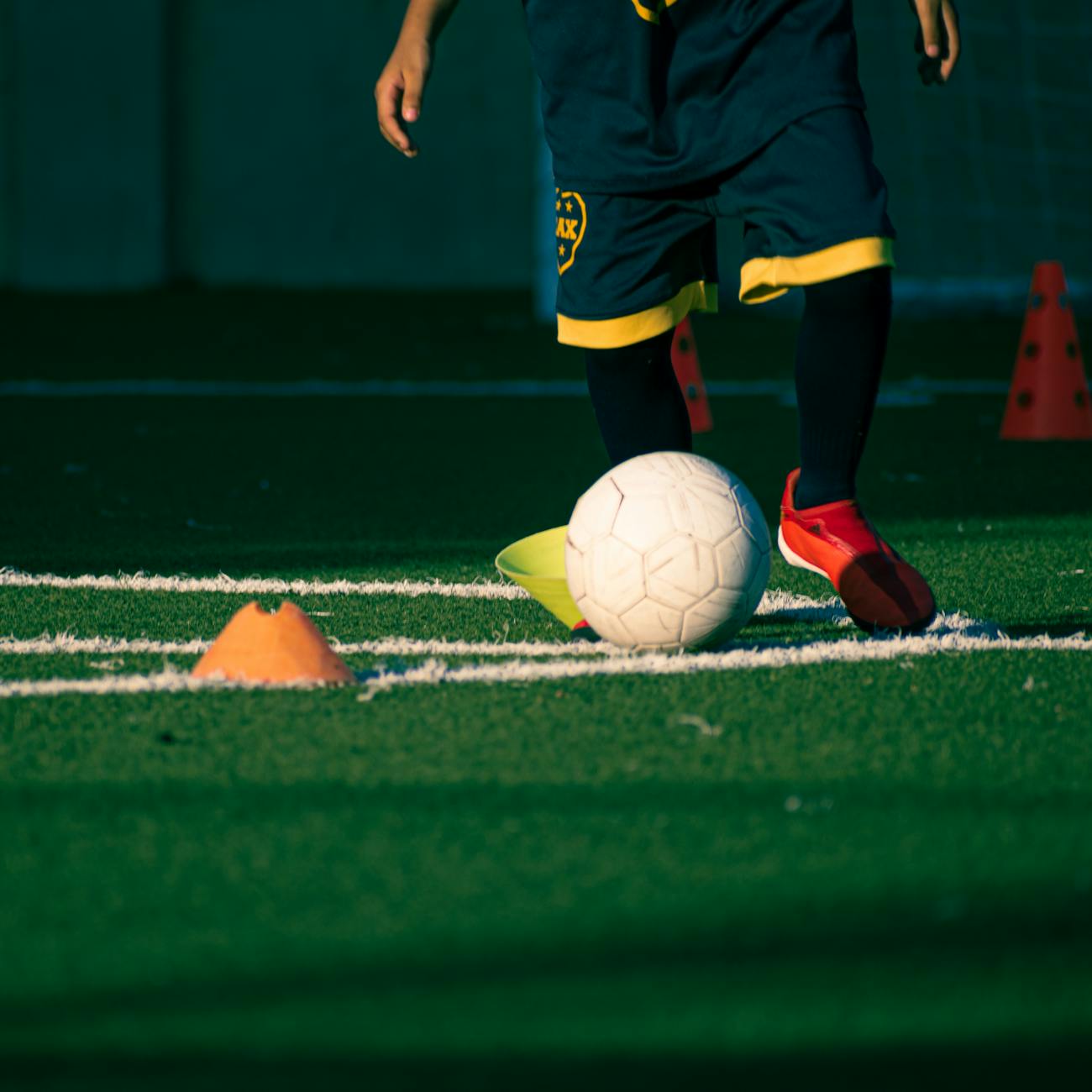
Performance Enhancement Techniques Performance enhancement techniques are strategies and methods used to improve an individual's performance in sports. These techniques can help athletes maximize their potential, overcome challenges, and achieve their goals. In sports psychology, performance enhancement techniques are essential for enhancing mental skills, managing stress, building resilience, and optimizing performance.
Sports Psychology Sports psychology is the study of how psychological factors affect performance in sports and physical activity. It involves understanding how the mind influences athletic performance, motivation, mental skills, and well-being. Sports psychologists work with athletes to help them develop mental toughness, improve focus, manage emotions, and cope with pressure.
Mental Health Mental health refers to a person's emotional, psychological, and social well-being. It affects how individuals think, feel, and act in various situations. In sports, mental health plays a crucial role in an athlete's performance, motivation, and overall well-being. It is important for athletes to maintain good mental health to perform at their best and enjoy their sports experience.
Anxiety Anxiety is a feeling of worry, nervousness, or unease about something with an uncertain outcome. In sports, anxiety can manifest as pre-competition nerves, performance anxiety, or fear of failure. Athletes may experience physical symptoms such as increased heart rate, sweating, and trembling. Managing anxiety is crucial for optimal performance and mental well-being.
Stress Management Stress management involves techniques and strategies to cope with stress and pressure effectively. In sports, athletes often face high levels of stress from competition, training demands, and performance expectations. Learning how to manage stress can help athletes stay focused, calm, and resilient in challenging situations.
Goal Setting Goal setting is the process of establishing specific, measurable, achievable, relevant, and time-bound objectives. In sports psychology, goal setting is a powerful tool for enhancing motivation, focus, and performance. Athletes can set short-term and long-term goals to guide their training, competition, and overall athletic development.
Visualization Visualization, also known as mental imagery, involves creating a mental image or scenario of a desired outcome or performance. Athletes use visualization techniques to mentally rehearse skills, routines, and successful performances. Visualization can help improve confidence, focus, and performance under pressure.
Self-Talk Self-talk refers to the internal dialogue or thoughts that individuals have with themselves. Positive self-talk can boost confidence, motivation, and resilience, while negative self-talk can hinder performance and self-belief. Athletes can learn to use positive self-talk to overcome challenges, stay focused, and maintain a winning mindset.
Concentration Concentration is the ability to focus attention on a specific task, goal, or performance. In sports, concentration is crucial for maintaining focus, blocking out distractions, and performing at peak levels. Athletes can improve concentration through mental rehearsal, mindfulness, and attention-control techniques.
Resilience Resilience is the ability to bounce back from setbacks, adapt to challenges, and thrive under pressure. In sports, resilience is essential for overcoming obstacles, learning from failures, and staying motivated in the face of adversity. Developing resilience can help athletes build mental toughness and succeed in competitive environments.
Confidence Confidence is the belief in one's abilities, skills, and potential to succeed. In sports psychology, confidence plays a critical role in performance, motivation, and mental well-being. Athletes with high levels of confidence are more likely to take risks, perform at their best, and handle pressure effectively.
Imagery Imagery involves creating vivid mental images or scenarios to enhance performance, learning, or skill development. Athletes use imagery techniques to visualize successful outcomes, practice skills, and prepare for competition. Imagery can improve confidence, focus, and performance consistency.
Relaxation Techniques Relaxation techniques are methods used to reduce physical and mental tension, promote calmness, and enhance recovery. In sports, athletes can use relaxation techniques such as deep breathing, progressive muscle relaxation, and meditation to manage stress, improve sleep quality, and optimize performance.
Performance Monitoring Performance monitoring involves tracking and evaluating an athlete's progress, achievements, and areas for improvement. Athletes can use performance monitoring tools, data analysis, and feedback to assess their performance, set goals, and make informed decisions about training and competition. Performance monitoring is essential for continuous improvement and peak performance.
Motivation Motivation is the drive, desire, or energy that compels individuals to pursue goals, overcome obstacles, and achieve success. In sports, motivation plays a crucial role in athletic performance, goal setting, and perseverance. Athletes can enhance motivation through intrinsic factors (e.g., passion, purpose) and extrinsic factors (e.g., rewards, recognition).
Flow State Flow state, also known as being "in the zone," is a mental state of complete immersion, focus, and enjoyment in an activity. In sports, athletes experience flow when they are fully engaged in their performance, lose track of time, and perform at their best effortlessly. Achieving flow state can enhance performance, creativity, and overall well-being.
Performance Feedback Performance feedback involves receiving information, evaluation, or critique about one's performance from coaches, teammates, or experts. Athletes can use performance feedback to identify strengths, weaknesses, and areas for improvement. Constructive feedback can help athletes adjust their training, technique, and mental approach to enhance performance.
Team Dynamics Team dynamics refer to the interactions, relationships, and communication patterns within a sports team. Effective team dynamics are essential for fostering cohesion, collaboration, and performance excellence. Athletes can improve team dynamics by building trust, communication skills, and a shared sense of purpose and goals.
Competition Preparation Competition preparation involves the physical, technical, and mental readiness of athletes for upcoming competitions. Athletes can use competition preparation strategies such as goal setting, visualization, and pre-performance routines to optimize their performance, manage nerves, and maximize their competitive edge.
Challenges and Adversity Challenges and adversity are inevitable obstacles, setbacks, or difficulties that athletes may face in their sports journey. Overcoming challenges and adversity requires resilience, mental toughness, and a positive mindset. Athletes can learn from failures, setbacks, and tough experiences to grow stronger, improve performance, and achieve long-term success.
Performance Evaluation Performance evaluation involves assessing, analyzing, and reflecting on an athlete's performance, strengths, weaknesses, and areas for improvement. Athletes can use performance evaluation tools, feedback, and self-assessment to track progress, set new goals, and make adjustments to their training and performance strategies. Performance evaluation is essential for continuous learning and development.
Mindfulness Mindfulness is the practice of being present, aware, and focused on the current moment without judgment. In sports, mindfulness techniques can help athletes improve focus, reduce distractions, and enhance performance under pressure. Athletes can cultivate mindfulness through meditation, breathing exercises, and sensory awareness practices.
Recovery Strategies Recovery strategies are techniques used to promote physical and mental recovery after intense training, competition, or stress. Athletes can use recovery strategies such as rest, nutrition, hydration, and sleep to optimize recovery, prevent injuries, and enhance performance. Adequate recovery is crucial for maintaining health, well-being, and long-term athletic success.
Emotional Regulation Emotional regulation involves managing and controlling one's emotions, reactions, and responses in different situations. In sports, emotional regulation is essential for staying calm, focused, and resilient under pressure. Athletes can learn emotional regulation techniques such as deep breathing, self-awareness, and cognitive reframing to manage stress, anxiety, and performance emotions.
Performance Analysis Performance analysis involves the systematic evaluation, measurement, and interpretation of an athlete's performance data, techniques, and outcomes. Athletes, coaches, and sports scientists use performance analysis tools, technology, and feedback to assess performance, identify trends, and make data-driven decisions. Performance analysis is critical for optimizing training, technique, and performance strategies.
Self-Confidence Self-confidence is the belief in one's abilities, skills, and potential to succeed. In sports psychology, self-confidence is a key factor in performance, motivation, and mental toughness. Athletes with high levels of self-confidence are more likely to set challenging goals, take risks, and bounce back from setbacks. Building self-confidence is essential for achieving peak performance and long-term success.
Mental Toughness Mental toughness is the ability to stay focused, resilient, and determined in the face of challenges, setbacks, and pressure. In sports, mental toughness is crucial for overcoming obstacles, performing under stress, and achieving peak performance. Athletes can develop mental toughness through resilience training, goal setting, and stress management techniques.
Performance Anxiety Performance anxiety is a form of anxiety that occurs before or during competitive events, training, or high-pressure situations. Athletes may experience symptoms such as racing heart, sweating, and negative thoughts. Managing performance anxiety is crucial for optimizing performance, staying focused, and enjoying the sports experience. Athletes can use relaxation techniques, positive self-talk, and visualization to cope with performance anxiety.
Pre-Competition Routine A pre-competition routine is a set of rituals, strategies, and activities that athletes use to prepare for competitions mentally, physically, and emotionally. A pre-competition routine can help athletes focus, manage nerves, and optimize performance readiness. Athletes may include warm-up exercises, visualization, breathing techniques, and positive affirmations in their pre-competition routine to enhance performance.
Decision-Making Decision-making involves the process of selecting the best course of action or response in a given situation. In sports, athletes must make quick, accurate decisions under pressure during competition. Improving decision-making skills can help athletes anticipate situations, assess options, and choose effective strategies to maximize performance outcomes.
Leadership Skills Leadership skills are qualities, behaviors, and traits that enable individuals to inspire, motivate, and influence others in a positive way. In sports, leadership skills are essential for captains, coaches, and team members to foster teamwork, communication, and performance excellence. Athletes can develop leadership skills such as communication, decision-making, and emotional intelligence to enhance team dynamics and achieve shared goals.
Communication Skills Communication skills involve the ability to convey information, ideas, and emotions effectively to others. In sports, communication skills are crucial for building relationships, resolving conflicts, and promoting teamwork. Athletes can improve communication skills through active listening, clear messaging, and nonverbal cues to enhance team cohesion and performance outcomes.
Performance Psychology Performance psychology is a branch of sports psychology that focuses on enhancing performance, mental skills, and well-being in athletes. Performance psychologists work with athletes to develop mental toughness, confidence, focus, and resilience. They use evidence-based techniques and strategies to optimize performance outcomes, overcome challenges, and achieve peak performance.
Psychological Skills Training Psychological skills training involves teaching athletes mental skills, strategies, and techniques to enhance performance, well-being, and mental toughness. Psychological skills training can include goal setting, visualization, relaxation techniques, and self-talk. Athletes can benefit from psychological skills training to improve focus, confidence, and resilience in sports.
Performance Enhancement Performance enhancement refers to the process of improving an athlete's performance through physical, mental, and emotional strategies. Performance enhancement techniques can help athletes maximize their potential, overcome obstacles, and achieve peak performance. Athletes can use performance enhancement techniques to optimize training, competition, and overall athletic development.
Stress Reduction Stress reduction involves techniques and strategies to minimize stress, tension, and anxiety in athletes. In sports, athletes face various stressors such as competition pressure, performance expectations, and training demands. Learning stress reduction techniques such as deep breathing, mindfulness, and progressive muscle relaxation can help athletes stay calm, focused, and resilient in high-pressure situations.
Performance Goals Performance goals are specific, measurable, and achievable objectives that athletes set to improve their performance, skills, and outcomes. Performance goals can be related to technique improvement, competition results, or mental skills development. By setting performance goals, athletes can track progress, stay motivated, and enhance performance outcomes in sports.
Competitive Edge A competitive edge is a unique advantage or quality that sets athletes apart from their competitors and enhances their performance outcomes. Athletes can gain a competitive edge through mental skills training, physical conditioning, and strategic preparation. Developing a competitive edge can help athletes succeed in high-pressure situations, achieve goals, and stand out in competitive environments.
Psychological Resilience Psychological resilience is the ability to adapt, bounce back, and thrive in the face of adversity, challenges, and setbacks. In sports, psychological resilience is essential for maintaining mental toughness, motivation, and performance consistency. Athletes can cultivate psychological resilience through goal setting, self-awareness, and stress management techniques to overcome obstacles and achieve long-term success.
Performance Consistency Performance consistency refers to the ability to deliver consistently high-level performance across different situations, competitions, and challenges. Athletes strive for performance consistency to achieve their goals, build confidence, and succeed in competitive environments. Factors such as mental skills, preparation, and resilience play a crucial role in maintaining performance consistency in sports.
Champion Mindset A champion mindset is a winning attitude, belief system, and mental approach that champions adopt to achieve success and excel in their sport. Athletes with a champion mindset demonstrate determination, resilience, and focus on their goals. They embrace challenges, learn from failures, and maintain a positive outlook to reach their full potential and become champions in sports.
Psychological Well-Being Psychological well-being refers to an individual's emotional, mental, and social state of being. In sports, psychological well-being is essential for athletes to cope with stress, manage emotions, and maintain mental health. Athletes can enhance psychological well-being through self-care practices, social support, and mental skills training to optimize performance and overall well-being.
Performance Psychology Consultant A performance psychology consultant is a trained professional who specializes in helping athletes improve mental skills, performance outcomes, and well-being. Performance psychology consultants work with athletes, coaches, and teams to develop strategies, techniques, and interventions to optimize performance in sports. They provide evidence-based guidance, support, and expertise to enhance mental toughness, confidence, and resilience in athletes.
Peak Performance Peak performance refers to an athlete's optimal state of performance, where they achieve their best results, outcomes, and achievements. Athletes experience peak performance when they are fully engaged, focused, and in flow during competition. Peak performance is the ultimate goal for athletes to reach their full potential, excel in their sport, and achieve success at the highest level of competition.
Key takeaways
- In sports psychology, performance enhancement techniques are essential for enhancing mental skills, managing stress, building resilience, and optimizing performance.
- Sports Psychology Sports psychology is the study of how psychological factors affect performance in sports and physical activity.
- It is important for athletes to maintain good mental health to perform at their best and enjoy their sports experience.
- Anxiety Anxiety is a feeling of worry, nervousness, or unease about something with an uncertain outcome.
- Stress Management Stress management involves techniques and strategies to cope with stress and pressure effectively.
- Goal Setting Goal setting is the process of establishing specific, measurable, achievable, relevant, and time-bound objectives.
- Visualization Visualization, also known as mental imagery, involves creating a mental image or scenario of a desired outcome or performance.