
Joint Force Planning and Execution
Joint Force Planning and Execution are critical components of any military operation. This process involves the integration of various military branches, such as the Army, Navy, Air Force, and Marine Corps, to achieve a common objective. In…
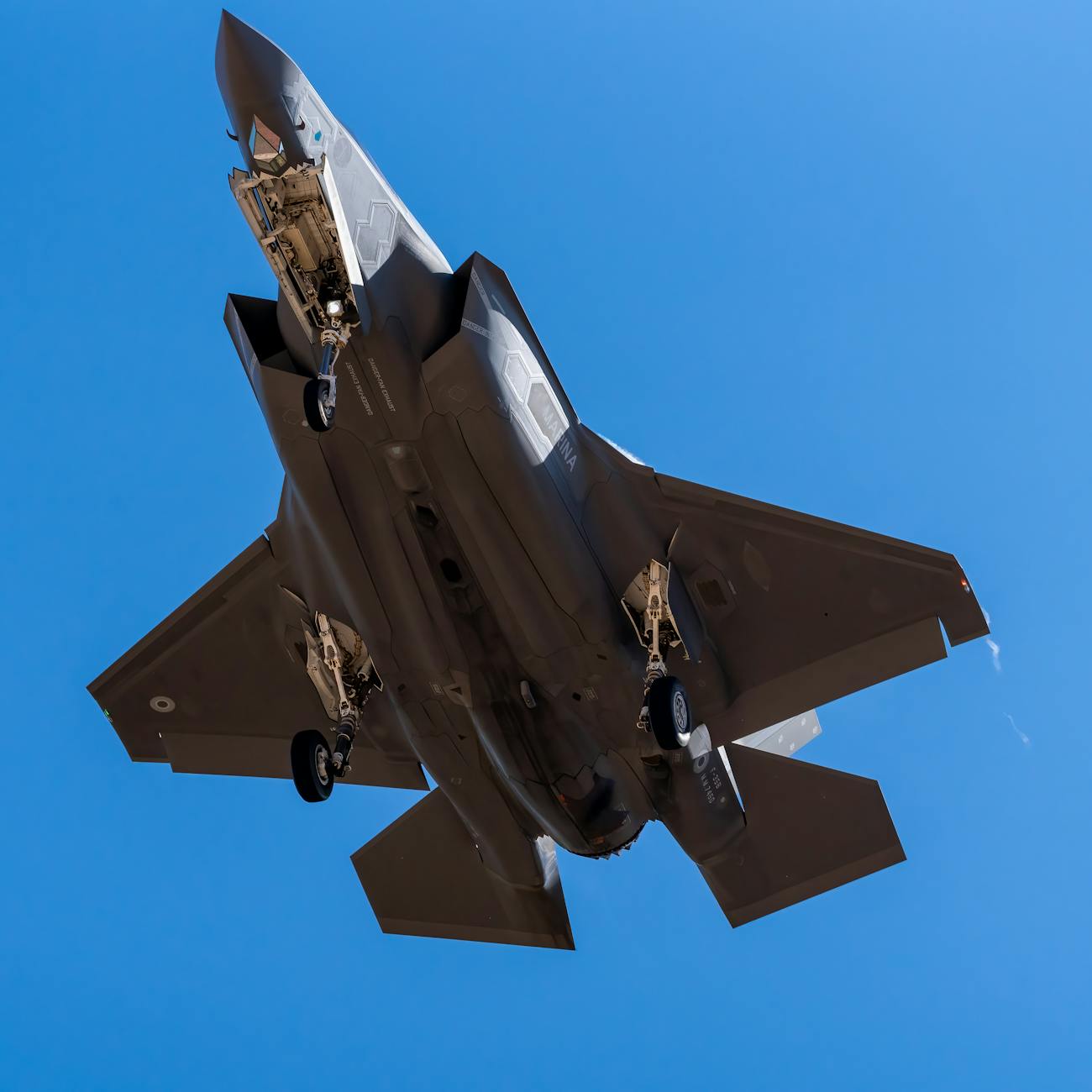
Joint Force Planning and Execution are critical components of any military operation. This process involves the integration of various military branches, such as the Army, Navy, Air Force, and Marine Corps, to achieve a common objective. In this explanation, we will discuss key terms and vocabulary related to Joint Force Planning and Execution in the context of the Professional Certificate in Joint Force Command and Operations.
1. Joint Force: A joint force is a military force that comprises elements of two or more military branches, working together to achieve a common objective. Joint forces are essential in modern military operations, where a single branch may not have the necessary capabilities to accomplish the mission alone. 2. Joint Force Command: A joint force command is a military command that exercises operational control over a joint force. The commander of a joint force command is typically a senior officer from one of the military branches, appointed to lead the joint force. 3. Joint Force Commander's Intent: The joint force commander's intent is a clear and concise statement that outlines the desired end state of the operation. It is a critical component of the planning process, as it provides guidance to subordinate commanders and ensures that all elements of the joint force are working towards a common goal. 4. Joint Operational Planning: Joint operational planning is the process of developing a plan for a joint military operation. It involves several stages, including mission analysis, course of action development, course of action analysis, and plan development. 5. Mission Analysis: Mission analysis is the first stage of the joint operational planning process. It involves understanding the operational environment, defining the mission, and identifying the objectives of the operation. 6. Course of Action Development: Course of action development is the second stage of the joint operational planning process. It involves developing several potential courses of action to achieve the objectives identified in the mission analysis phase. 7. Course of Action Analysis: Course of action analysis is the third stage of the joint operational planning process. It involves evaluating the potential courses of action developed in the previous stage to determine which one is most likely to achieve the objectives of the operation. 8. Plan Development: Plan development is the final stage of the joint operational planning process. It involves refining the chosen course of action into a detailed plan that outlines the tasks and responsibilities of each element of the joint force. 9. Joint Execution: Joint execution is the process of carrying out the joint operational plan. It involves coordinating the actions of the various elements of the joint force to achieve the objectives of the operation. 10. Joint Force Integration: Joint force integration is the process of integrating the various elements of the joint force to achieve a common objective. It involves coordinating the actions of the different military branches, ensuring that they are working together effectively. 11. Joint Interoperability: Joint interoperability is the ability of different military branches to work together effectively. It involves the use of common communication systems, tactics, and procedures to ensure that all elements of the joint force can operate seamlessly. 12. Joint Training: Joint training is the process of training military personnel from different branches to work together effectively. It involves developing common tactics, techniques, and procedures, as well as building relationships between personnel from different branches. 13. Joint Intelligence, Surveillance, and Reconnaissance (ISR): Joint ISR is the process of collecting, analyzing, and disseminating intelligence, surveillance, and reconnaissance information to support joint military operations. It involves the use of a variety of sensors and platforms, including satellites, aircraft, and ground-based systems. 14. Joint Logistics: Joint logistics is the process of providing logistical support to a joint military operation. It involves coordinating the supply of fuel, food, ammunition, and other supplies to the various elements of the joint force. 15. Joint Fire Support: Joint fire support is the process of providing fire support to a joint military operation. It involves coordinating the actions of artillery, naval gunfire, and air support to provide precise and effective fire support to the joint force. 16. Joint Command and Control (C2): Joint C2 is the process of exercising command and control over a joint military operation. It involves coordinating the actions of the various elements of the joint force to ensure that they are working towards a common goal. 17. Joint Targeting: Joint targeting is the process of identifying and prioritizing targets for a joint military operation. It involves coordinating the actions of intelligence analysts, fire support planners, and other personnel to ensure that the joint force is focusing its efforts on the most critical targets. 18. Joint Force Protection: Joint force protection is the process of protecting the joint force from threats such as enemy attacks, terrorism, and other hazards. It involves coordinating the actions of security personnel, medical personnel, and other support personnel to ensure the safety of the joint force. 19. Joint Contingency Planning: Joint contingency planning is the process of planning for unexpected events during a joint military operation. It involves developing contingency plans that can be implemented quickly if necessary, to ensure that the joint force is prepared for any eventuality. 20. Joint Force Sustainment: Joint force sustainment is the process of maintaining the readiness and capability of the joint force over time. It involves coordinating the actions of logistics personnel, maintenance personnel, and other support personnel to ensure that the joint force is ready to continue operations over an extended period.
In summary, Joint Force Planning and Execution involves a complex set of processes and activities that require careful coordination and integration of various military branches. The key terms and vocabulary discussed in this explanation, such as joint force, joint force command, joint force commander's intent, joint operational planning, mission analysis, course of action development, course of action analysis, plan development, joint execution, joint force integration, joint interoperability, joint training, joint intelligence, surveillance, and reconnaissance (ISR), joint logistics, joint fire support, joint command and control (C2), joint targeting, joint force protection, joint contingency planning, and joint force sustainment, are critical concepts that students in the Professional Certificate in Joint Force Command and Operations should understand. By mastering these concepts, students will be better prepared to plan and execute joint military operations effectively.
It is important to note that Joint Force Planning and Execution is a dynamic and complex process that requires constant adaptation and adjustment. The operational environment is constantly changing, and new threats and challenges are emerging all the time. To be successful, joint force commanders must be able to think creatively, communicate effectively, and make quick decisions based on incomplete information. They must also be able to build and maintain strong relationships with their counterparts from other military branches, as well as with civilian leaders and other stakeholders.
Effective joint force planning and execution also require a deep understanding of the capabilities and limitations of each military branch. Each branch has its unique strengths and weaknesses, and joint force commanders must be able to balance these factors to achieve the objectives of the operation. For example, the Navy may have the ability to project power over long distances, while the Army may have the ability to operate in complex urban environments. By understanding these capabilities and limitations, joint force commanders can develop effective plans that leverage the strengths of each branch while minimizing their weaknesses.
In conclusion, Joint Force Planning and Execution is a critical component of any military operation. Understanding the key terms and vocabulary related to this process is essential for students in the Professional Certificate in Joint Force Command and Operations. By mastering these concepts, students will be better prepared to plan and execute joint military operations effectively, and to adapt to the changing operational environment. Whether you are a military officer, a civilian leader, or a stakeholder in the defense industry, a deep understanding of Joint Force Planning and Execution is essential for success in the complex and dynamic world of modern military operations.
Key takeaways
- In this explanation, we will discuss key terms and vocabulary related to Joint Force Planning and Execution in the context of the Professional Certificate in Joint Force Command and Operations.
- Joint Intelligence, Surveillance, and Reconnaissance (ISR): Joint ISR is the process of collecting, analyzing, and disseminating intelligence, surveillance, and reconnaissance information to support joint military operations.
- In summary, Joint Force Planning and Execution involves a complex set of processes and activities that require careful coordination and integration of various military branches.
- They must also be able to build and maintain strong relationships with their counterparts from other military branches, as well as with civilian leaders and other stakeholders.
- By understanding these capabilities and limitations, joint force commanders can develop effective plans that leverage the strengths of each branch while minimizing their weaknesses.
- By mastering these concepts, students will be better prepared to plan and execute joint military operations effectively, and to adapt to the changing operational environment.