
Joint Force Logistics and Sustainment
Joint Force Logistics and Sustainment is a critical component of military operations, ensuring the delivery of necessary supplies, services, and equipment to joint forces. This function is crucial for the success of any joint military opera…
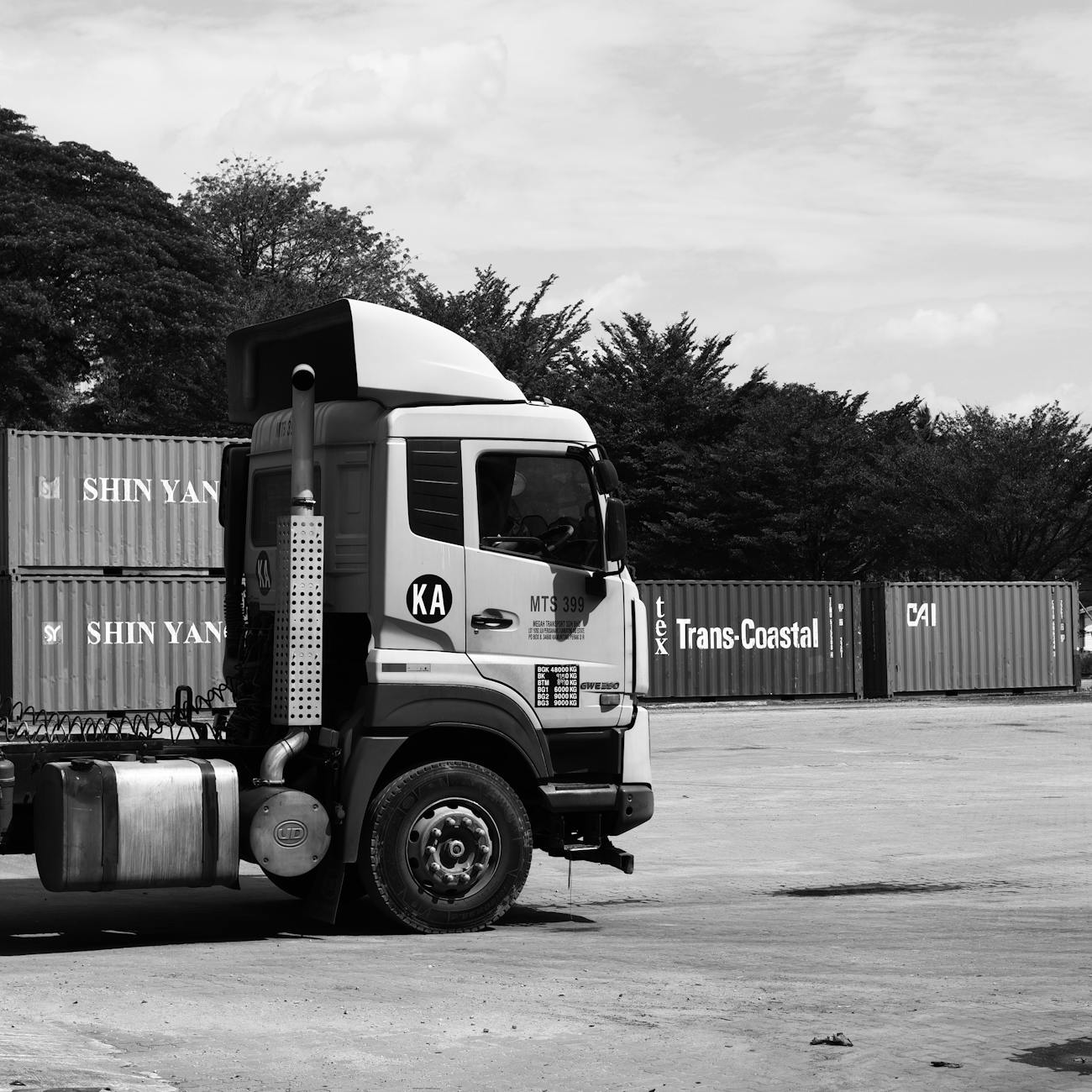
Joint Force Logistics and Sustainment is a critical component of military operations, ensuring the delivery of necessary supplies, services, and equipment to joint forces. This function is crucial for the success of any joint military operation, as it enables forces to maintain readiness, sustain combat power, and achieve mission objectives. Here are some key terms and vocabulary related to Joint Force Logistics and Sustainment:
1. Joint Logistics: Joint logistics refers to the integrated and synchronized planning, coordination, and execution of logistics functions across all branches of the military. It includes transportation, maintenance, supply, and other logistics-related activities that support joint forces.
Example: During a joint military exercise, the different branches of the military must coordinate their logistics efforts to ensure that all forces have access to the necessary supplies, equipment, and services.
2. Sustainment: Sustainment refers to the ability to maintain operational readiness and capability over time. It includes ensuring that forces have access to necessary supplies, equipment, and services, as well as maintaining and repairing equipment, and training personnel.
Example: A military unit's sustainment capability is critical to its ability to conduct sustained operations over time. This requires careful logistics planning and coordination, as well as effective maintenance and repair capabilities.
3. Logistics Footprint: The logistics footprint refers to the physical space and resources required to support logistics operations. This includes storage facilities, transportation assets, and other infrastructure needed to support the delivery of supplies, equipment, and services.
Example: A large-scale military operation may require a significant logistics footprint, including temporary storage facilities, transportation assets, and other infrastructure to support the delivery of supplies and equipment to forces in the field.
4. Supply Chain Management: Supply chain management refers to the coordination and management of all activities involved in the delivery of supplies, equipment, and services. This includes sourcing, procurement, inventory management, transportation, and distribution.
Example: Effective supply chain management is critical to ensuring that forces have access to the necessary supplies and equipment when they need them. This requires careful planning and coordination, as well as effective communication and collaboration with suppliers and other partners.
5. Maintenance: Maintenance refers to the activities involved in keeping equipment and infrastructure in good working order. This includes routine inspections, repairs, and overhauls, as well as the replacement of worn or damaged parts.
Example: Proper maintenance of equipment is essential to ensuring that it remains reliable and effective over time. This requires regular inspections, repairs, and overhauls, as well as the availability of spare parts and other resources.
6. Transportation: Transportation refers to the movement of supplies, equipment, and personnel from one location to another. This includes air, land, and sea transportation, as well as the coordination and management of transportation assets.
Example: Effective transportation is critical to ensuring that forces have access to the necessary supplies and equipment when they need them. This requires careful planning and coordination, as well as effective communication and collaboration with transportation partners.
7. Distribution: Distribution refers to the delivery of supplies, equipment, and services to the right place at the right time. This includes the coordination and management of inventory, transportation, and other logistics-related activities.
Example: Proper distribution is essential to ensuring that forces have access to the necessary supplies and equipment when they need them. This requires careful planning and coordination, as well as effective communication and collaboration with distribution partners.
8. Inventory Management: Inventory management refers to the coordination and management of supplies and equipment. This includes tracking inventory levels, ordering supplies and equipment, and ensuring that inventory is available when and where it is needed.
Example: Effective inventory management is critical to ensuring that forces have access to the necessary supplies and equipment when they need them. This requires careful planning and coordination, as well as effective communication and collaboration with inventory partners.
9. Reverse Logistics: Reverse logistics refers to the activities involved in the return or disposal of supplies, equipment, and other assets. This includes the coordination and management of returns, repairs, and disposals.
Example: Proper reverse logistics is essential to ensuring that assets are disposed of or returned in a responsible and efficient manner. This requires careful planning and coordination, as well as effective communication and collaboration with partners.
10. Logistics Information Systems: Logistics information systems refer to the technology and tools used to manage logistics operations. This includes software for inventory management, transportation coordination, and other logistics-related activities.
Example: Effective logistics information systems are critical to ensuring that logistics operations are efficient and effective. This requires careful planning and coordination, as well as the availability of reliable and up-to-date information.
Challenges in Joint Force Logistics and Sustainment:
Joint Force Logistics and Sustainment is a complex and challenging function, requiring careful planning, coordination, and execution. Some of the key challenges in this area include:
1. Coordination: Coordinating logistics and sustainment activities across multiple branches of the military can be challenging, particularly in large-scale operations. This requires effective communication, collaboration, and coordination, as well as the ability to adapt to changing circumstances.
Example: During a joint military exercise, coordinating the delivery of supplies and equipment to forces in the field can be challenging, particularly if there are changes to the operational plan or if there are unexpected delays or disruptions.
2. Complexity: Joint Force Logistics and Sustainment operations can be complex, involving multiple supply chains, transportation assets, and other resources. Managing this complexity requires careful planning, coordination, and execution.
Example: A large-scale military operation may involve the delivery of supplies and equipment to forces in remote or hostile environments, requiring the use of multiple transportation assets and the coordination of multiple supply chains.
3. Uncertainty: Joint Force Logistics and Sustainment operations are subject to uncertainty, particularly in combat environments. This requires the ability to adapt to changing circumstances, as well as the ability to make decisions based on incomplete or uncertain information.
Example: During a military operation, the availability of supplies and equipment may be affected by unexpected disruptions, such as weather conditions, equipment failures, or changes to the operational plan. This requires the ability to adapt quickly and effectively to ensure that forces have access to the necessary resources when they need them.
4. Resource Constraints: Joint Force Logistics and Sustainment operations are subject to resource constraints, particularly in terms of budget, personnel, and equipment. This requires the ability to prioritize resources and make difficult trade-offs.
Example: A military unit may have limited resources available for logistics and sustainment operations, requiring careful planning and coordination to ensure that resources are used effectively and efficiently.
Conclusion:
Joint Force Logistics and Sustainment is a critical component of military operations, ensuring the delivery of necessary supplies, services, and equipment to joint forces. Effective logistics and sustainment operations require careful planning, coordination, and execution, as well as the ability to adapt to changing circumstances and make difficult trade-offs. Key terms and concepts in this area include joint logistics, sustainment, logistics footprint, supply chain management, maintenance, transportation, distribution, inventory management, reverse logistics, and logistics information systems. Challenges in this area include coordination, complexity, uncertainty, and resource constraints. By understanding these key terms and concepts, and by developing effective strategies for managing these challenges, military leaders can ensure that their forces have the necessary resources to achieve mission success.
Key takeaways
- Joint Force Logistics and Sustainment is a critical component of military operations, ensuring the delivery of necessary supplies, services, and equipment to joint forces.
- Joint Logistics: Joint logistics refers to the integrated and synchronized planning, coordination, and execution of logistics functions across all branches of the military.
- Example: During a joint military exercise, the different branches of the military must coordinate their logistics efforts to ensure that all forces have access to the necessary supplies, equipment, and services.
- It includes ensuring that forces have access to necessary supplies, equipment, and services, as well as maintaining and repairing equipment, and training personnel.
- Example: A military unit's sustainment capability is critical to its ability to conduct sustained operations over time.
- This includes storage facilities, transportation assets, and other infrastructure needed to support the delivery of supplies, equipment, and services.
- Supply Chain Management: Supply chain management refers to the coordination and management of all activities involved in the delivery of supplies, equipment, and services.