
Thermochemical Conversion Processes
Thermochemical Conversion Processes are a set of technologies used to convert biomass into valuable products such as fuel, heat, and electricity. The following key terms and vocabulary are essential for understanding the Global Certificate …
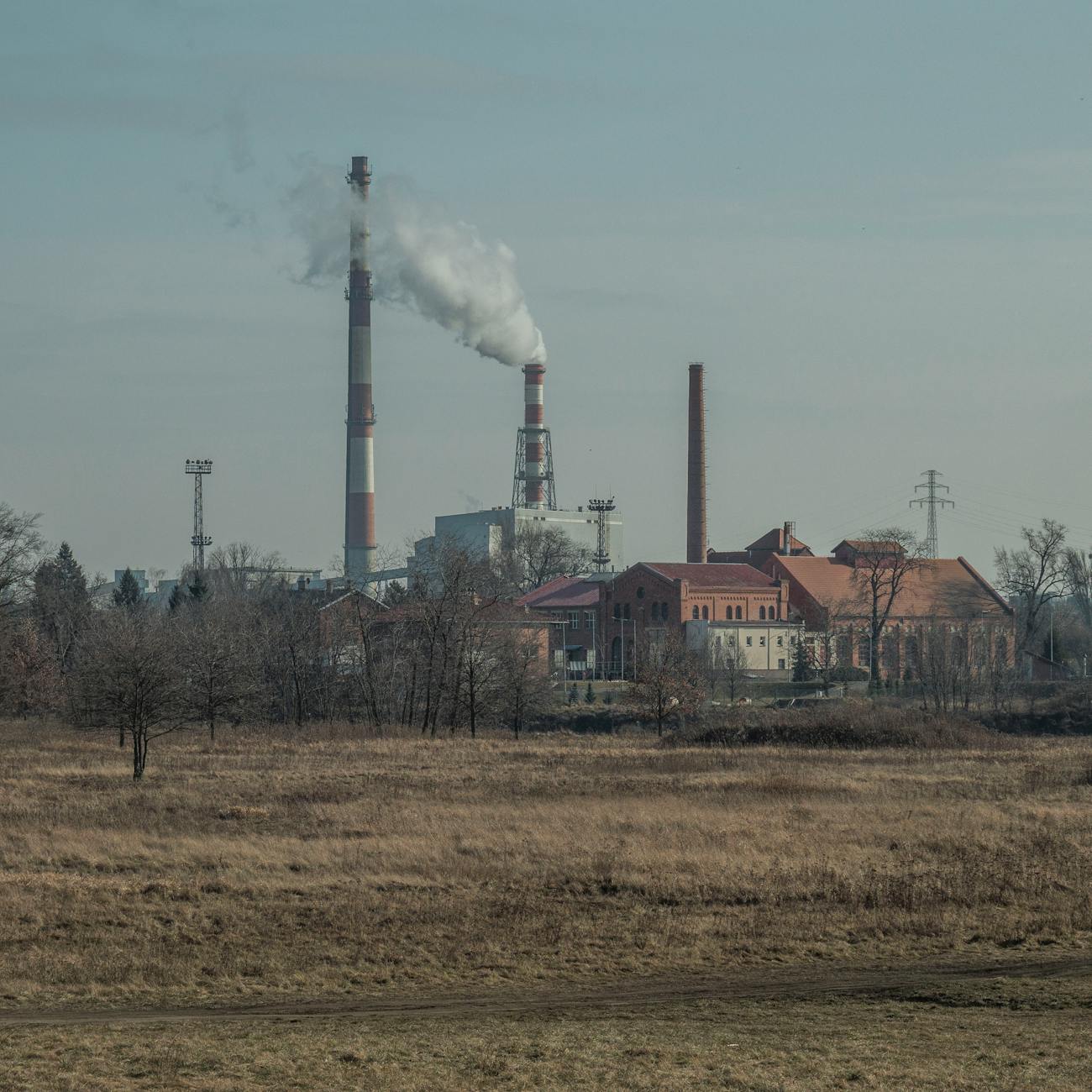
Thermochemical Conversion Processes are a set of technologies used to convert biomass into valuable products such as fuel, heat, and electricity. The following key terms and vocabulary are essential for understanding the Global Certificate Course in Biomass Pyrolysis.
1. Biomass: Biomass refers to organic materials that come from plants and animals. These materials can be used as fuel to produce energy. Examples of biomass include wood, agricultural waste, and municipal solid waste. 2. Pyrolysis: Pyrolysis is a thermochemical conversion process that decomposes biomass in the absence of oxygen. This process produces a liquid product called pyrolysis oil, a solid product called char, and a gas product called syngas. 3. Torrefaction: Torrefaction is a mild form of pyrolysis that occurs at lower temperatures. This process produces a solid product that is similar to char but has a higher energy density. 4. Gasification: Gasification is a thermochemical conversion process that converts biomass into a gas product called syngas. This process occurs in the presence of a limited amount of oxygen. 5. Combustion: Combustion is a thermochemical conversion process that burns biomass in the presence of oxygen to produce heat and electricity. 6. Hydrothermal carbonization (HTC): HTC is a thermochemical conversion process that converts biomass into a solid product called hydrochar in the presence of water at high temperatures and pressures. 7. Tar: Tar is a byproduct of pyrolysis and gasification. It is a viscous liquid that can be challenging to handle and dispose of. 8. Syngas: Syngas is a product of gasification. It is a gas mixture that contains hydrogen, carbon monoxide, and other gases. Syngas can be used as a fuel or converted into other chemicals. 9. Char: Char is a solid product of pyrolysis and torrefaction. It is a carbon-rich material that can be used as a fuel or a soil amendment. 10. Energy density: Energy density refers to the amount of energy stored in a given volume or mass of a material. 11. Carbonization: Carbonization is a thermochemical conversion process that converts biomass into a carbon-rich material called char. 12. Devolatilization: Devolatilization is a process that occurs during pyrolysis and gasification. It is the release of volatiles from biomass. 13. Heat of reaction: The heat of reaction is the amount of heat released or absorbed during a chemical reaction. 14. Endothermic reaction: An endothermic reaction is a chemical reaction that absorbs heat from its surroundings. 15. Exothermic reaction: An exothermic reaction is a chemical reaction that releases heat to its surroundings. 16. Activated carbon: Activated carbon is a form of char that has been treated to increase its surface area and porosity. It is used as a filter or adsorbent. 17. Fast pyrolysis: Fast pyrolysis is a type of pyrolysis that occurs at high temperatures and short residence times. It produces a high yield of pyrolysis oil. 18. Slow pyrolysis: Slow pyrolysis is a type of pyrolysis that occurs at low temperatures and long residence times. It produces a high yield of char. 19. Catalyst: A catalyst is a substance that increases the rate of a chemical reaction without being consumed in the reaction. 20. Yield: Yield refers to the amount of product produced from a given amount of biomass.
Examples of thermochemical conversion processes:
* A biomass power plant uses combustion to convert wood chips into heat and electricity. * A pyrolysis plant converts agricultural waste into pyrolysis oil, char, and syngas. * A gasification plant converts municipal solid waste into syngas, which is then converted into electricity. * A torrefaction plant converts wood chips into torrefied biomass, which has a higher energy density than raw wood chips.
Practical applications:
* Thermochemical conversion processes can be used to produce renewable energy from biomass, reducing greenhouse gas emissions and dependence on fossil fuels. * Pyrolysis oil can be used as a substitute for fossil fuels in transportation and industrial processes. * Char can be used as a soil amendment, improving soil fertility and carbon sequestration. * Syngas can be converted into chemicals such as methanol and ammonia.
Challenges:
* Thermochemical conversion processes can be expensive to build and operate. * The quality and consistency of biomass feedstocks can vary, affecting the yield and quality of the products. * Tar can be a problematic byproduct, requiring additional processing or disposal. * The energy density of some biomass feedstocks is low, requiring large quantities of feedstock to produce significant amounts of energy.
In summary, thermochemical conversion processes are a set of technologies used to convert biomass into valuable products. Understanding the key terms and vocabulary associated with these processes is essential for anyone interested in biomass pyrolysis or related fields. Practical applications of thermochemical conversion processes include the production of renewable energy, soil amendments, and chemicals. However, challenges such as cost, feedstock variability, tar, and energy density must be addressed to optimize the potential of these technologies.
Key takeaways
- Thermochemical Conversion Processes are a set of technologies used to convert biomass into valuable products such as fuel, heat, and electricity.
- Hydrothermal carbonization (HTC): HTC is a thermochemical conversion process that converts biomass into a solid product called hydrochar in the presence of water at high temperatures and pressures.
- * A torrefaction plant converts wood chips into torrefied biomass, which has a higher energy density than raw wood chips.
- * Thermochemical conversion processes can be used to produce renewable energy from biomass, reducing greenhouse gas emissions and dependence on fossil fuels.
- * The energy density of some biomass feedstocks is low, requiring large quantities of feedstock to produce significant amounts of energy.
- Understanding the key terms and vocabulary associated with these processes is essential for anyone interested in biomass pyrolysis or related fields.