
Biomass Pyrolysis Systems Analysis and Techno-Economic Assessment
Biomass Pyrolysis: Biomass pyrolysis is the thermal decomposition of biomass in the absence of oxygen. It results in the production of solid, liquid, and gaseous products, commonly referred to as biochar, pyrolysis oil, and syngas, respecti…
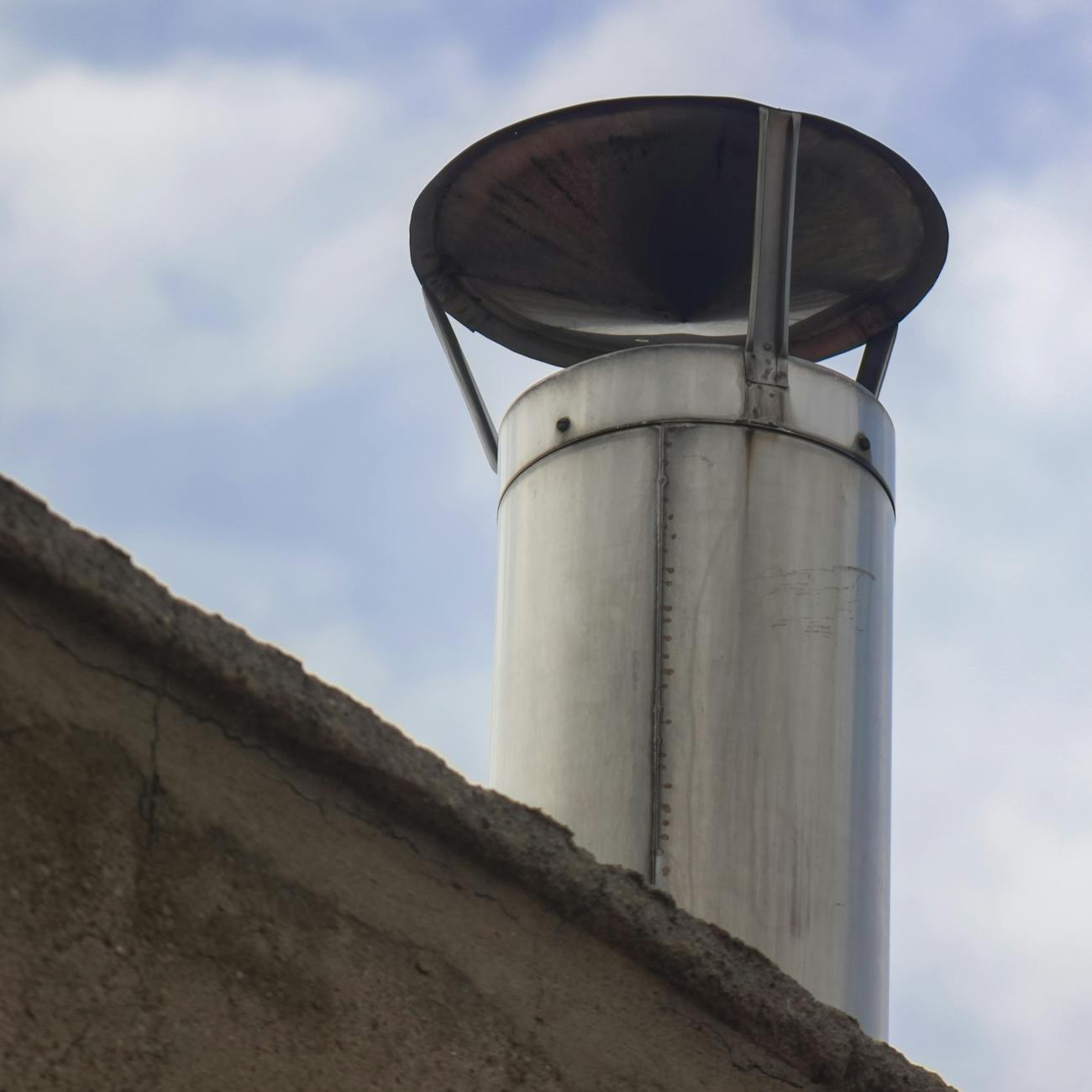
Biomass Pyrolysis: Biomass pyrolysis is the thermal decomposition of biomass in the absence of oxygen. It results in the production of solid, liquid, and gaseous products, commonly referred to as biochar, pyrolysis oil, and syngas, respectively. Biomass pyrolysis is an important process in the biomass-to-energy conversion chain and is a key technology in the production of bioenergy and biofuels.
Biochar: Biochar is a solid, carbon-rich product produced through the pyrolysis of biomass. It has a porous structure, high surface area, and is rich in carbon, making it an excellent soil amendment. Biochar can improve soil fertility, increase water retention, and reduce greenhouse gas emissions.
Pyrolysis Oil: Pyrolysis oil, also known as bio-oil, is a dark brown liquid produced through the pyrolysis of biomass. It is a complex mixture of organic compounds, including acids, aldehydes, ketones, and phenols. Pyrolysis oil can be used as a fuel, a chemical feedstock, or as a precursor for the production of biofuels.
Syngas: Syngas, short for synthesis gas, is a mixture of gases produced through the pyrolysis of biomass. It is composed primarily of hydrogen, carbon monoxide, and carbon dioxide. Syngas can be used as a fuel, a chemical feedstock, or as a precursor for the production of biofuels.
Techno-Economic Assessment: A techno-economic assessment (TEA) is a comprehensive evaluation of the technical and economic feasibility of a proposed technology or project. A TEA typically includes an analysis of the technology's performance, cost, and risk, as well as an assessment of the market and regulatory environment. TEAs are commonly used in the biomass pyrolysis industry to evaluate the feasibility of commercial-scale biomass pyrolysis systems.
System Analysis: System analysis is the process of evaluating the performance and efficiency of a system or process. In the context of biomass pyrolysis, system analysis involves the evaluation of the biomass feedstock, pyrolysis reactor, product upgrading, and overall system integration. System analysis helps to identify areas for improvement and optimize the performance and efficiency of the biomass pyrolysis system.
Biomass Feedstock: Biomass feedstock refers to the raw materials used in the biomass pyrolysis process. Biomass feedstocks can include a wide range of organic materials, such as wood chips, agricultural residues, and municipal solid waste. The choice of biomass feedstock depends on several factors, including availability, cost, and chemical composition.
Pyrolysis Reactor: The pyrolysis reactor is the heart of the biomass pyrolysis system. It is the chamber where the biomass is subjected to high temperatures in the absence of oxygen, resulting in the production of biochar, pyrolysis oil, and syngas. Pyrolysis reactors can be designed in various configurations, such as batch, continuous, and fluidized bed reactors.
Product Upgrading: Product upgrading is the process of improving the quality and marketability of the products produced through biomass pyrolysis. Product upgrading can include various processes, such as distillation, filtration, and catalytic cracking, to increase the yield, purity, and stability of the products.
System Integration: System integration refers to the integration of the various components of the biomass pyrolysis system, including the biomass feedstock, pyrolysis reactor, product upgrading, and energy recovery. System integration is critical to ensure the efficient and reliable operation of the biomass pyrolysis system.
Examples:
* A biomass pyrolysis system designed to process wood chips as the feedstock and produce biochar, pyrolysis oil, and syngas as the products. * A techno-economic assessment of a commercial-scale biomass pyrolysis system, evaluating its technical and economic feasibility, market potential, and regulatory compliance. * A system analysis of a continuous pyrolysis reactor, evaluating its performance, efficiency, and potential areas for improvement.
Practical Applications:
* Biomass pyrolysis systems can be used to convert agricultural and forestry residues into valuable products, such as biochar, pyrolysis oil, and syngas, reducing waste and creating new revenue streams. * Biomass pyrolysis systems can be used to produce biofuels and chemicals, reducing dependence on fossil fuels and contributing to a more sustainable and low-carbon economy. * Techno-economic assessments and system analyses can help to identify the most promising biomass pyrolysis technologies and applications, inform policy decisions, and guide investment in the biomass pyrolysis industry.
Challenges:
* The high capital and operating costs of biomass pyrolysis systems can be a barrier to their widespread adoption and commercialization. * The complexity and variability of biomass feedstocks can pose challenges in the design and operation of biomass pyrolysis systems. * The lack of standardization and regulation in the biomass pyrolysis industry can create uncertainties and risks for investors and stakeholders.
Conclusion:
Biomass pyrolysis is a promising technology for converting biomass into valuable products and contributing to a more sustainable and low-carbon economy. A comprehensive understanding of the key terms and vocabulary in biomass pyrolysis systems analysis and techno-economic assessment is essential for stakeholders in the biomass pyrolysis industry, including researchers, policymakers, investors, and entrepreneurs. By understanding the technical and economic aspects of biomass pyrolysis systems, stakeholders can make informed decisions, identify opportunities, and overcome challenges in the development and deployment of biomass pyrolysis technologies.
Key takeaways
- Biomass pyrolysis is an important process in the biomass-to-energy conversion chain and is a key technology in the production of bioenergy and biofuels.
- It has a porous structure, high surface area, and is rich in carbon, making it an excellent soil amendment.
- Pyrolysis Oil: Pyrolysis oil, also known as bio-oil, is a dark brown liquid produced through the pyrolysis of biomass.
- Syngas: Syngas, short for synthesis gas, is a mixture of gases produced through the pyrolysis of biomass.
- Techno-Economic Assessment: A techno-economic assessment (TEA) is a comprehensive evaluation of the technical and economic feasibility of a proposed technology or project.
- In the context of biomass pyrolysis, system analysis involves the evaluation of the biomass feedstock, pyrolysis reactor, product upgrading, and overall system integration.
- Biomass feedstocks can include a wide range of organic materials, such as wood chips, agricultural residues, and municipal solid waste.