
Biomass Pyrolysis for Carbon Materials Production
Biomass pyrolysis is the thermal decomposition of organic materials in the absence of oxygen. This process converts biomass into a solid residue, known as char, a liquid product, known as bio-oil or pyrolysis oil, and a gas, known as syngas…
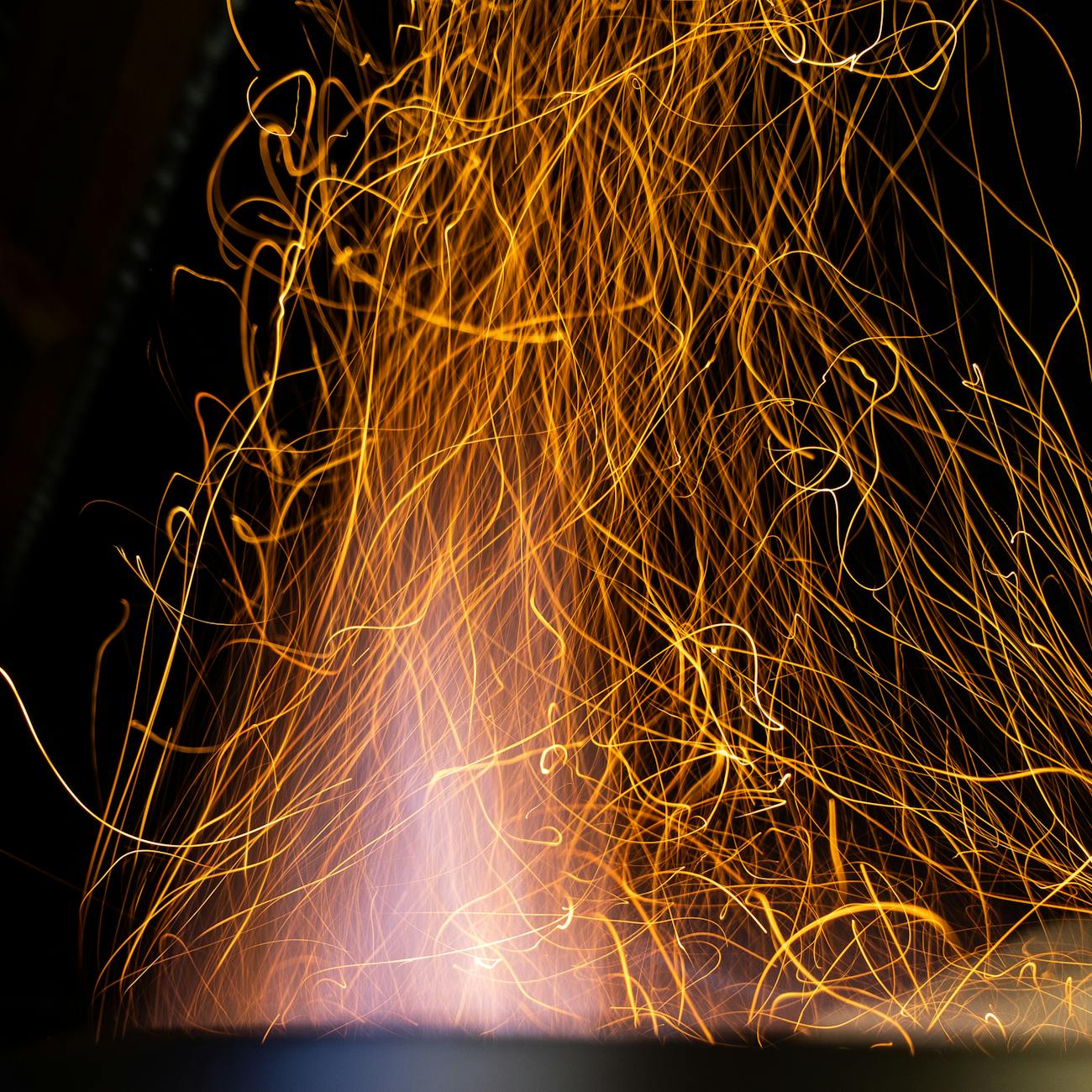
Biomass pyrolysis is the thermal decomposition of organic materials in the absence of oxygen. This process converts biomass into a solid residue, known as char, a liquid product, known as bio-oil or pyrolysis oil, and a gas, known as syngas. The solid residue, char, is rich in carbon and has potential uses in various industries, including agriculture, energy, and environmental protection. This explanation will focus on key terms and vocabulary related to biomass pyrolysis for carbon materials production.
1. Biomass: Biomass is any organic material that comes from plants or animals. It includes materials such as wood, agricultural waste, municipal solid waste, and algae. Biomass is a renewable energy source and can be converted into various forms of fuel, including bio-oil, syngas, and biochar. 2. Pyrolysis: Pyrolysis is the thermal decomposition of biomass in the absence of oxygen. This process occurs at temperatures between 300 and 800 degrees Celsius. Pyrolysis breaks down the complex organic molecules in biomass into simpler molecules, which can then be converted into fuel or other products. 3. Char: Char is the solid residue left after biomass pyrolysis. It is rich in carbon and has a porous structure. Char has various uses, including as a soil amendment, a filter for removing pollutants from water, and a fuel. 4. Bio-oil: Bio-oil is the liquid product of biomass pyrolysis. It is a complex mixture of organic compounds, including phenols, acids, and alcohols. Bio-oil has potential uses as a fuel, a chemical feedstock, and a precursor for the production of other chemicals. 5. Syngas: Syngas is the gas product of biomass pyrolysis. It is a mixture of hydrogen, carbon monoxide, and other gases. Syngas can be used as a fuel or converted into other chemicals, such as methanol or hydrogen. 6. Slow pyrolysis: Slow pyrolysis is a type of pyrolysis that occurs at low temperatures (300-500 degrees Celsius) and long residence times (several hours). Slow pyrolysis produces a higher yield of char and a lower yield of bio-oil and syngas than fast pyrolysis. 7. Fast pyrolysis: Fast pyrolysis is a type of pyrolysis that occurs at high temperatures (500-800 degrees Celsius) and short residence times (less than a second). Fast pyrolysis produces a higher yield of bio-oil and a lower yield of char and syngas than slow pyrolysis. 8. Intermediate pyrolysis: Intermediate pyrolysis is a type of pyrolysis that occurs at temperatures and residence times between those of slow and fast pyrolysis. Intermediate pyrolysis produces a balanced yield of char, bio-oil, and syngas. 9. Catalytic pyrolysis: Catalytic pyrolysis is a type of pyrolysis that uses a catalyst to increase the yield of specific products. For example, a catalyst can be used to increase the yield of bio-oil or to produce specific chemicals from syngas. 10. Carbon materials: Carbon materials are solid materials that contain a high percentage of carbon. They include char, activated carbon, carbon nanotubes, and graphene. Carbon materials have various uses, including as energy storage materials, catalyst supports, and adsorbents. 11. Activated carbon: Activated carbon is a type of carbon material that has been treated to increase its surface area and porosity. It is used as a filter for removing pollutants from air and water, as an adsorbent for removing impurities from liquids and gases, and as a catalyst support. 12. Carbon nanotubes: Carbon nanotubes are a type of carbon material that consists of rolled-up sheets of graphene. They have unique electrical, mechanical, and thermal properties and are used in various applications, including electronics, energy storage, and composite materials. 13. Graphene: Graphene is a single layer of carbon atoms arranged in a hexagonal lattice. It is the thinnest and strongest material known and has exceptional electrical and thermal conductivity. Graphene has potential uses in various industries, including electronics, energy, and environmental protection. 14. Yield: Yield is the percentage of biomass that is converted into a specific product. For example, the yield of char is the percentage of biomass that is converted into char. Yield is an important parameter in biomass pyrolysis because it affects the efficiency and economics of the process. 15. Energy balance: Energy balance is the ratio of the energy content of the products to the energy content of the biomass. A positive energy balance indicates that the products contain more energy than the biomass, while a negative energy balance indicates that the products contain less energy than the biomass. Energy balance is an important parameter in biomass pyrolysis because it affects the efficiency and economics of the process. 16. Heterogeneous reaction: A heterogeneous reaction is a reaction that occurs between a solid and a gas or liquid. Biomass pyrolysis is a heterogeneous reaction because it occurs between solid biomass and gases such as hydrogen and carbon monoxide. 17. Kinetics: Kinetics is the study of the rates of chemical reactions. In biomass pyrolysis, kinetics is important for understanding the mechanisms of the reaction and for optimizing the process. 18. Thermodynamics: Thermodynamics is the study of the relationships between heat, work, and energy. In biomass pyrolysis, thermodynamics is important for understanding the energy balance of the process and for optimizing the process. 19. Activation energy: Activation energy is the minimum amount of energy required to start a chemical reaction. In biomass pyrolysis, activation energy is important for understanding the kinetics of the reaction and for optimizing the process. 20. Residence time: Residence time is the length of time that a material is exposed to heat or other conditions in a chemical reaction. In biomass pyrolysis, residence time is important for optimizing the yield and quality of the products.
In conclusion, biomass pyrolysis is a complex process that involves the thermal decomposition of organic materials in the absence of oxygen. The key terms and vocabulary related to biomass pyrolysis for carbon materials production include biomass, pyrolysis, char, bio-oil, syngas, slow pyrolysis, fast pyrolysis, intermediate pyrolysis, catalytic pyrolysis, carbon materials, activated carbon, carbon nanotubes, graphene, yield, energy balance, heterogeneous reaction, kinetics, thermodynamics, activation energy, and residence time. Understanding these terms and concepts is essential for designing and optimizing biomass pyrolysis processes for carbon materials production.
Key takeaways
- The solid residue, char, is rich in carbon and has potential uses in various industries, including agriculture, energy, and environmental protection.
- A positive energy balance indicates that the products contain more energy than the biomass, while a negative energy balance indicates that the products contain less energy than the biomass.
- Understanding these terms and concepts is essential for designing and optimizing biomass pyrolysis processes for carbon materials production.