
Introduction to Universal Design
Universal Design: Universal Design is an approach to design that aims to create products, environments, and systems that are accessible and usable by everyone, including people with disabilities, older adults, children, and individuals with…
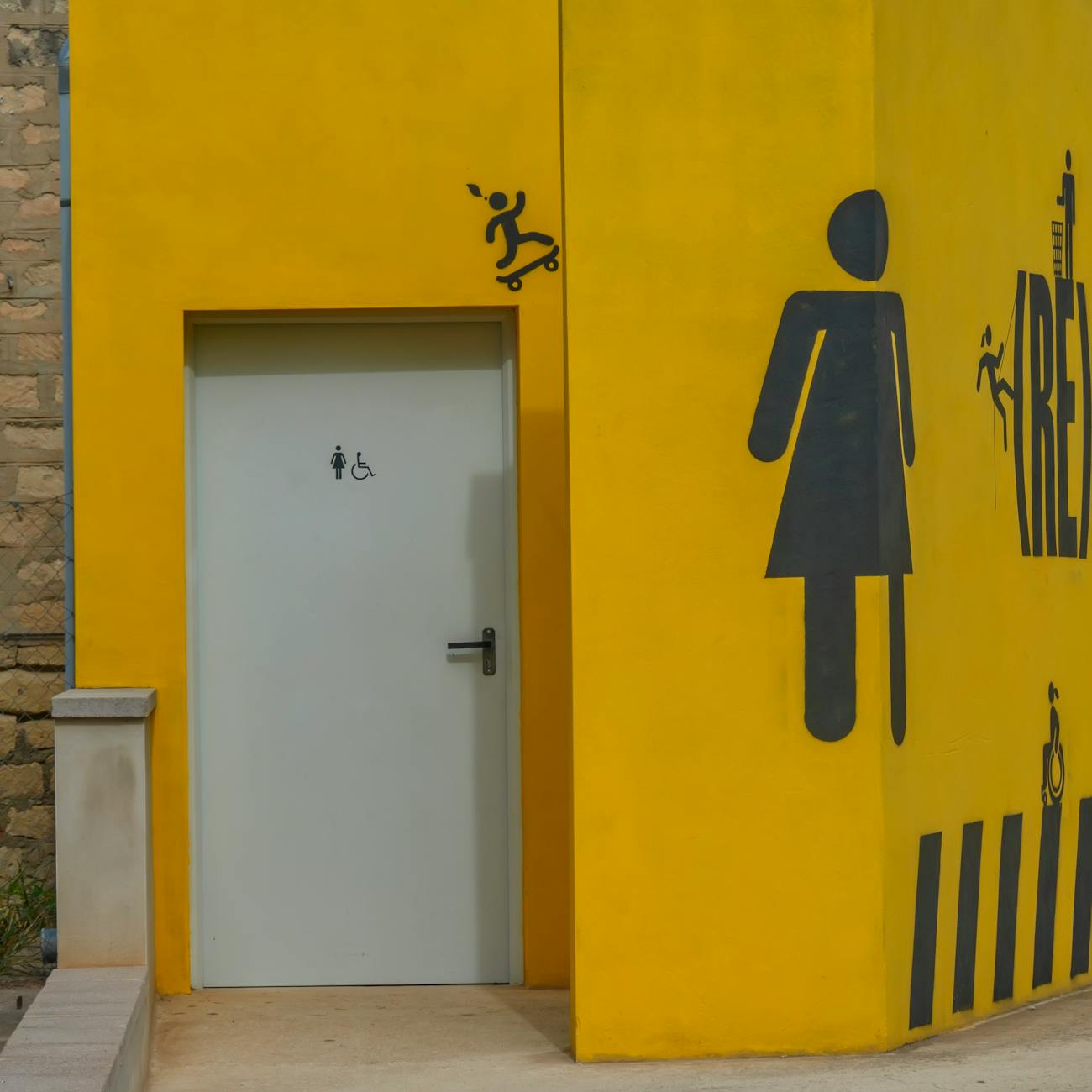
Universal Design: Universal Design is an approach to design that aims to create products, environments, and systems that are accessible and usable by everyone, including people with disabilities, older adults, children, and individuals with diverse abilities. The goal of Universal Design is to promote inclusivity, independence, and equal participation for all individuals.
Accessibility: Accessibility refers to the design of products, devices, services, or environments that can be used by people with disabilities. It ensures that individuals with disabilities have equal access to information, services, and physical spaces. Accessibility is a key principle of Universal Design.
Inclusivity: Inclusivity is the practice of creating environments, products, or services that are accessible and welcoming to all individuals, regardless of their abilities or disabilities. It involves considering the needs of diverse populations and ensuring that everyone can participate fully.
Equity: Equity refers to the fair treatment, access, opportunity, and advancement for all individuals, including those who may be marginalized or disadvantaged. Universal Design promotes equity by creating inclusive environments that eliminate barriers to participation.
Design for All: Design for All is another term used interchangeably with Universal Design. It emphasizes the importance of designing products, services, and environments that are accessible and usable by everyone, regardless of age, ability, or disability.
Adaptability: Adaptability is the ability of a design to be easily modified or adjusted to meet the changing needs of users. In Universal Design, adaptability is essential to ensure that individuals with diverse abilities can use and interact with products or environments effectively.
Flexibility: Flexibility refers to the ability of a design to accommodate a range of preferences, abilities, and needs. Flexible designs can be customized or adjusted to suit individual requirements, promoting inclusivity and usability for all users.
Design Principles: Design principles are fundamental guidelines that inform the development of products, services, or environments. In Universal Design, principles such as equitable use, flexibility in use, simple and intuitive use, perceptible information, tolerance for error, low physical effort, and size and space for approach and use are essential to create accessible and inclusive designs.
Equitable Use: Equitable use is a design principle that emphasizes the importance of ensuring that products, services, or environments are accessible to individuals with diverse abilities. It involves designing with the understanding that different users may have different needs and abilities.
Flexibility in Use: Flexibility in use is a design principle that encourages designers to create products, services, or environments that can be used in multiple ways to accommodate diverse user preferences and abilities. Flexible designs enhance usability and inclusivity.
Simple and Intuitive Use: Simple and intuitive use is a design principle that emphasizes the importance of making products or environments easy to understand and operate. Designs that are intuitive require minimal explanation or instruction, making them accessible to a wide range of users.
Perceptible Information: Perceptible information is a design principle that involves presenting information in a clear and easily understandable way. Designers should consider how information is communicated through various sensory modalities, such as visual, auditory, or tactile cues, to ensure that it is accessible to all users.
Tolerance for Error: Tolerance for error is a design principle that acknowledges that users may make mistakes or encounter difficulties when using a product or service. Designers should anticipate potential errors and incorporate features that prevent or mitigate negative consequences.
Low Physical Effort: Low physical effort is a design principle that aims to reduce the physical strain or exertion required to use a product or environment. Designers should consider ergonomics and accessibility features to make interactions more comfortable and accessible for all users.
Size and Space for Approach and Use: Size and space for approach and use is a design principle that focuses on providing adequate room and accessibility features for individuals to reach, manipulate, and operate products or environments. Designers should consider the needs of users with diverse abilities and mobility restrictions.
Usability: Usability refers to the ease with which users can interact with a product, service, or environment to achieve their goals effectively and efficiently. In Universal Design, usability is a key consideration to ensure that all individuals can access and use designs with ease.
User-Centered Design: User-centered design is an approach that involves involving end-users in the design process to understand their needs, preferences, and challenges. By prioritizing user feedback and engagement, designers can create more accessible and inclusive solutions.
Design Thinking: Design thinking is a problem-solving methodology that focuses on understanding user needs, generating creative ideas, prototyping solutions, and testing and iterating designs. It emphasizes empathy, collaboration, and experimentation to create user-friendly and accessible products or services.
Human-Centered Design: Human-centered design is a design approach that prioritizes the needs, abilities, and experiences of users throughout the design process. By focusing on human factors and user feedback, designers can create products that are intuitive, accessible, and inclusive.
Accessible Design: Accessible design refers to the process of creating products, services, or environments that can be used by individuals with disabilities or diverse abilities. Accessible designs incorporate features such as ramps, braille signage, and captioned videos to ensure equal access for all users.
Inclusive Design: Inclusive design is a design approach that considers the needs of diverse populations and aims to create products, services, or environments that are accessible and welcoming to everyone. Inclusive designs accommodate a wide range of abilities, ages, and disabilities.
Design Guidelines: Design guidelines are specific recommendations or best practices that inform the design of products, services, or environments. In the context of Universal Design, guidelines provide designers with practical advice on how to create accessible and inclusive designs.
Barrier-Free Design: Barrier-free design refers to the creation of environments or products that do not contain physical or social barriers that restrict access for individuals with disabilities. Barrier-free designs promote inclusivity and equal participation for all users.
Assistive Technology: Assistive technology refers to devices, tools, or software that help individuals with disabilities perform tasks, interact with technology, or access information. Examples of assistive technology include screen readers, wheelchairs, and hearing aids.
Design Challenges: Design challenges are obstacles or limitations that designers may face when creating accessible and inclusive products, services, or environments. Challenges such as budget constraints, conflicting user needs, and lack of awareness can impact the successful implementation of Universal Design principles.
ADA Compliance: ADA compliance refers to adherence to the Americans with Disabilities Act (ADA), a law that prohibits discrimination against individuals with disabilities in public accommodations, employment, transportation, and telecommunications. Designers must ensure that their designs meet ADA standards to promote accessibility and inclusivity.
Wayfinding: Wayfinding is the process of navigating and orienting oneself within a physical environment. Wayfinding design involves creating signage, landmarks, and visual cues to help users find their way and access information easily.
Universal Design in Architecture: Universal Design in architecture involves designing buildings, spaces, and structures that are accessible and usable by individuals with diverse abilities. Architects must consider factors such as ramps, elevators, wide doorways, and tactile surfaces to create inclusive environments.
Universal Design in Technology: Universal Design in technology involves designing digital products, websites, apps, and software that are accessible to individuals with disabilities. Technology designers must consider factors such as screen reader compatibility, keyboard navigation, and color contrast to ensure inclusivity.
Universal Design in Education: Universal Design in education involves creating inclusive learning environments that accommodate diverse student needs and abilities. Educators must consider factors such as flexible seating, accessible materials, and alternative assessments to promote equal access to education.
Universal Design in Healthcare: Universal Design in healthcare involves creating accessible and welcoming healthcare facilities, services, and equipment for individuals with disabilities. Healthcare providers must consider factors such as accessible exam tables, clear communication, and assistive technology to ensure equal access to healthcare services.
Universal Design in Urban Planning: Universal Design in urban planning involves creating accessible and inclusive cities, neighborhoods, and public spaces for all individuals. Urban planners must consider factors such as curb cuts, accessible transportation, and pedestrian-friendly infrastructure to promote inclusivity.
Universal Design in Product Design: Universal Design in product design involves creating products that are accessible and usable by individuals with diverse abilities. Product designers must consider factors such as ergonomic design, tactile feedback, and adjustable features to accommodate a wide range of users.
Universal Design in Transportation: Universal Design in transportation involves creating accessible and inclusive transportation systems, vehicles, and infrastructure for individuals with disabilities. Transportation planners must consider factors such as wheelchair ramps, audio announcements, and designated seating to promote equal access to transportation services.
Universal Design in Communication: Universal Design in communication involves creating accessible and inclusive communication materials, such as documents, websites, and multimedia content. Communication designers must consider factors such as plain language, alternative formats, and captioning to ensure that information is accessible to all users.
Universal Design in Public Policy: Universal Design in public policy involves incorporating principles of accessibility and inclusivity into laws, regulations, and policies. Policymakers must consider factors such as accessibility standards, funding for accessibility projects, and disability rights to promote equal access and participation for all individuals.
Universal Design Research: Universal Design research involves studying the impact of inclusive design practices on user experiences, accessibility, and usability. Researchers explore topics such as user preferences, design solutions, and best practices to advance the field of Universal Design.
Universal Design Implementation: Universal Design implementation involves applying principles of accessibility and inclusivity to real-world projects, products, or environments. Designers must consider factors such as user feedback, testing, and iteration to ensure that designs meet the needs of diverse populations.
Universal Design Evaluation: Universal Design evaluation involves assessing the effectiveness of inclusive design solutions and identifying areas for improvement. Designers use methods such as user testing, surveys, and feedback analysis to evaluate the accessibility and usability of products or environments.
Universal Design Standards: Universal Design standards are guidelines or specifications that outline best practices for creating accessible and inclusive designs. Standards such as the Web Content Accessibility Guidelines (WCAG) provide designers with criteria for ensuring that digital products are accessible to individuals with disabilities.
Universal Design Certification: Universal Design certification is a formal recognition of expertise in creating accessible and inclusive designs. Certification programs such as the Executive Certificate in Universal Design provide designers with training, knowledge, and skills to implement Universal Design principles effectively.
Key takeaways
- The goal of Universal Design is to promote inclusivity, independence, and equal participation for all individuals.
- Accessibility: Accessibility refers to the design of products, devices, services, or environments that can be used by people with disabilities.
- Inclusivity: Inclusivity is the practice of creating environments, products, or services that are accessible and welcoming to all individuals, regardless of their abilities or disabilities.
- Equity: Equity refers to the fair treatment, access, opportunity, and advancement for all individuals, including those who may be marginalized or disadvantaged.
- It emphasizes the importance of designing products, services, and environments that are accessible and usable by everyone, regardless of age, ability, or disability.
- In Universal Design, adaptability is essential to ensure that individuals with diverse abilities can use and interact with products or environments effectively.
- Flexible designs can be customized or adjusted to suit individual requirements, promoting inclusivity and usability for all users.