
Progressive Muscle Relaxation for Pain Management
Progressive Muscle Relaxation (PMR) is a well-established technique used in pain management that involves tensing and then relaxing specific muscle groups. It is an evidence-based method that can help individuals reduce stress, anxiety, and…
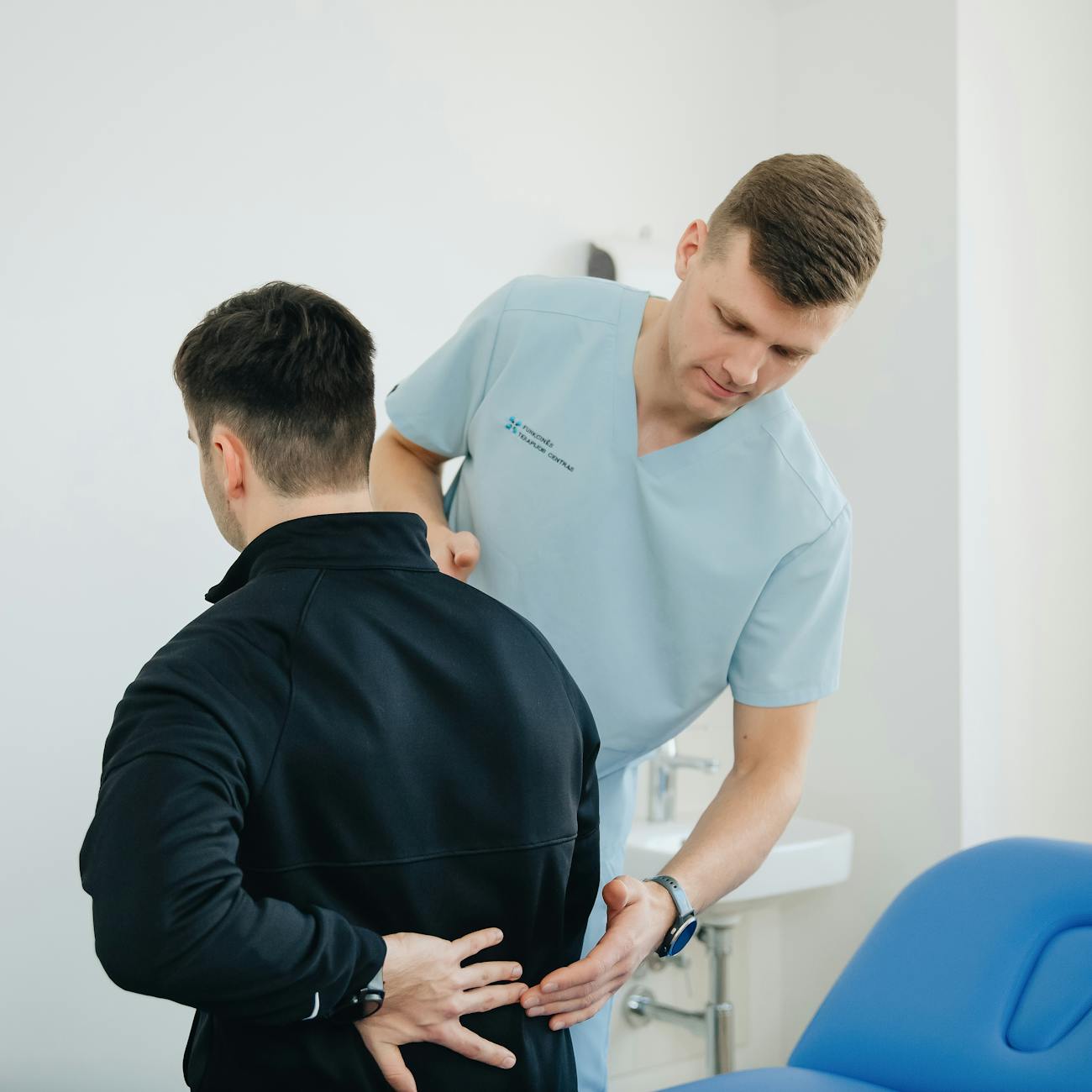
Progressive Muscle Relaxation (PMR) is a well-established technique used in pain management that involves tensing and then relaxing specific muscle groups. It is an evidence-based method that can help individuals reduce stress, anxiety, and physical discomfort. This technique can be particularly beneficial for individuals suffering from chronic pain conditions such as fibromyalgia, arthritis, or lower back pain.
**Key Terms and Concepts**
1. **Progressive Muscle Relaxation (PMR)**: A relaxation technique that involves tensing and then relaxing specific muscle groups in a systematic manner to reduce physical and mental tension.
2. **Pain Management**: The medical specialty focused on reducing pain and improving the quality of life for individuals suffering from acute or chronic pain.
3. **Muscle Tension**: The state in which muscles are contracted or tightened, often due to stress, anxiety, or physical exertion.
4. **Relaxation Response**: The body's natural antidote to the stress response, characterized by decreased heart rate, blood pressure, and muscle tension.
5. **Chronic Pain**: Pain that persists for an extended period, typically lasting for more than three to six months.
6. **Mind-Body Connection**: The relationship between mental and physical health, emphasizing the impact of thoughts, emotions, and behaviors on the body's physiological responses.
7. **Autonomic Nervous System (ANS)**: The part of the nervous system responsible for regulating involuntary bodily functions such as heart rate, digestion, and respiratory rate.
8. **Sympathetic Nervous System (SNS)**: The branch of the autonomic nervous system responsible for the body's fight-or-flight response, activating during times of stress or danger.
9. **Parasympathetic Nervous System (PNS)**: The branch of the autonomic nervous system responsible for the body's rest-and-digest response, promoting relaxation and recovery.
10. **Cognitive-Behavioral Therapy (CBT)**: A psychotherapy approach that focuses on identifying and changing negative thought patterns and behaviors to improve mental health and well-being.
**Benefits of Progressive Muscle Relaxation for Pain Management**
Progressive Muscle Relaxation offers a wide range of benefits for individuals seeking relief from chronic pain. Some of the key advantages of using PMR as a pain management technique include:
1. **Stress Reduction**: PMR can help reduce stress levels by promoting relaxation and decreasing muscle tension, which are often exacerbated by chronic pain conditions.
2. **Pain Relief**: By systematically relaxing muscle groups, PMR can alleviate physical discomfort and pain, providing temporary relief for individuals suffering from chronic pain.
3. **Improved Sleep**: PMR can promote better sleep quality by calming the mind and body, making it easier for individuals to fall asleep and stay asleep throughout the night.
4. **Enhanced Mood**: Regular practice of PMR can improve mood and overall well-being by reducing anxiety, depression, and other negative emotions associated with chronic pain.
5. **Increased Self-awareness**: PMR encourages individuals to become more aware of their body's responses to stress and pain, empowering them to manage their symptoms more effectively.
6. **Enhanced Coping Skills**: By learning how to relax their muscles and calm their minds, individuals can develop effective coping strategies for dealing with pain and stress in their daily lives.
**How Progressive Muscle Relaxation Works**
Progressive Muscle Relaxation works by systematically tensing and then relaxing different muscle groups in the body. This process helps individuals become more aware of muscle tension and learn how to release it, leading to a state of deep relaxation. Here is a step-by-step guide on how PMR works:
1. **Preparation**: Find a quiet and comfortable place to practice PMR where you won't be disturbed. Sit or lie down in a relaxed position and take a few deep breaths to center yourself.
2. **Focus**: Choose a specific muscle group to start with, such as the muscles in your hands or feet. Focus your attention on that muscle group and prepare to tense it.
3. **Tension**: Inhale deeply and slowly as you tense the chosen muscle group as tightly as you can for about 5-10 seconds. Feel the tension building up in the muscles.
4. **Release**: Exhale slowly and completely as you suddenly release the tension in the muscle group. Feel the muscles relax and let go of any remaining tension.
5. **Rest**: Take a moment to notice the difference between the tense and relaxed state of the muscle group. Enjoy the sensation of relaxation and allow yourself to fully unwind.
6. **Repeat**: Move on to the next muscle group and repeat the process of tensing and relaxing. Continue this pattern until you have worked through all major muscle groups in your body.
7. **Closure**: Once you have completed the full body scan, take a few moments to relax and enjoy the overall sense of calm and well-being that comes from practicing PMR.
**Practical Applications of Progressive Muscle Relaxation**
Progressive Muscle Relaxation can be easily incorporated into daily routines to help manage pain and promote relaxation. Here are some practical ways to apply PMR in various settings:
1. **At Home**: Set aside a few minutes each day to practice PMR in a quiet and comfortable space at home. Use a guided meditation or relaxation script to help you focus on each muscle group.
2. **At Work**: Take short breaks throughout the day to practice PMR at your desk or in a quiet corner of the office. Focus on relaxing your shoulders, neck, and back muscles to relieve tension from sitting at a desk.
3. **During Travel**: Use PMR techniques to relax and unwind during long flights or car rides. Tense and relax your leg muscles or hands to promote circulation and prevent stiffness.
4. **Before Bed**: Practice PMR as part of your bedtime routine to help you relax and prepare for sleep. Focus on releasing tension in your body to promote a restful night's sleep.
5. **During Pain Flares**: Use PMR to cope with acute pain flares by focusing on relaxing the muscles around the affected area. This can help reduce the intensity of pain and promote a sense of calm.
**Challenges and Considerations**
While Progressive Muscle Relaxation can be a highly effective technique for pain management, there are some challenges and considerations to keep in mind when practicing PMR:
1. **Consistency**: Like any relaxation technique, PMR requires regular practice to be effective. It may take time to see significant improvements in pain and stress levels.
2. **Patience**: Learning to relax muscle groups can be challenging, especially for individuals who are accustomed to high levels of stress or tension. It's important to be patient with yourself and give yourself time to master the technique.
3. **Individual Variations**: Not all individuals may respond to PMR in the same way. It's essential to personalize the practice to suit your unique needs and preferences.
4. **Professional Guidance**: If you have severe or persistent pain, it's important to consult with a healthcare provider or pain management specialist before starting PMR or any new relaxation technique.
5. **Cognitive Factors**: PMR may not be effective for everyone, especially if pain is primarily driven by psychological factors such as trauma or unresolved emotional issues. In such cases, a more comprehensive approach to pain management may be necessary.
In conclusion, Progressive Muscle Relaxation is a valuable tool for individuals seeking relief from chronic pain and stress. By incorporating PMR into daily routines and practicing it consistently, individuals can experience improved pain management, relaxation, and overall well-being. With its evidence-based approach and simple yet effective techniques, PMR offers a practical and accessible way to enhance quality of life for individuals living with chronic pain conditions.
Key takeaways
- Progressive Muscle Relaxation (PMR) is a well-established technique used in pain management that involves tensing and then relaxing specific muscle groups.
- **Progressive Muscle Relaxation (PMR)**: A relaxation technique that involves tensing and then relaxing specific muscle groups in a systematic manner to reduce physical and mental tension.
- **Pain Management**: The medical specialty focused on reducing pain and improving the quality of life for individuals suffering from acute or chronic pain.
- **Muscle Tension**: The state in which muscles are contracted or tightened, often due to stress, anxiety, or physical exertion.
- **Relaxation Response**: The body's natural antidote to the stress response, characterized by decreased heart rate, blood pressure, and muscle tension.
- **Chronic Pain**: Pain that persists for an extended period, typically lasting for more than three to six months.
- **Mind-Body Connection**: The relationship between mental and physical health, emphasizing the impact of thoughts, emotions, and behaviors on the body's physiological responses.