
Progressive Muscle Relaxation for Overall Well-being
Progressive Muscle Relaxation (PMR) is a powerful technique that involves tensing and then relaxing specific muscle groups in a systematic way to promote overall well-being. This technique has been widely used to reduce stress, anxiety, and…
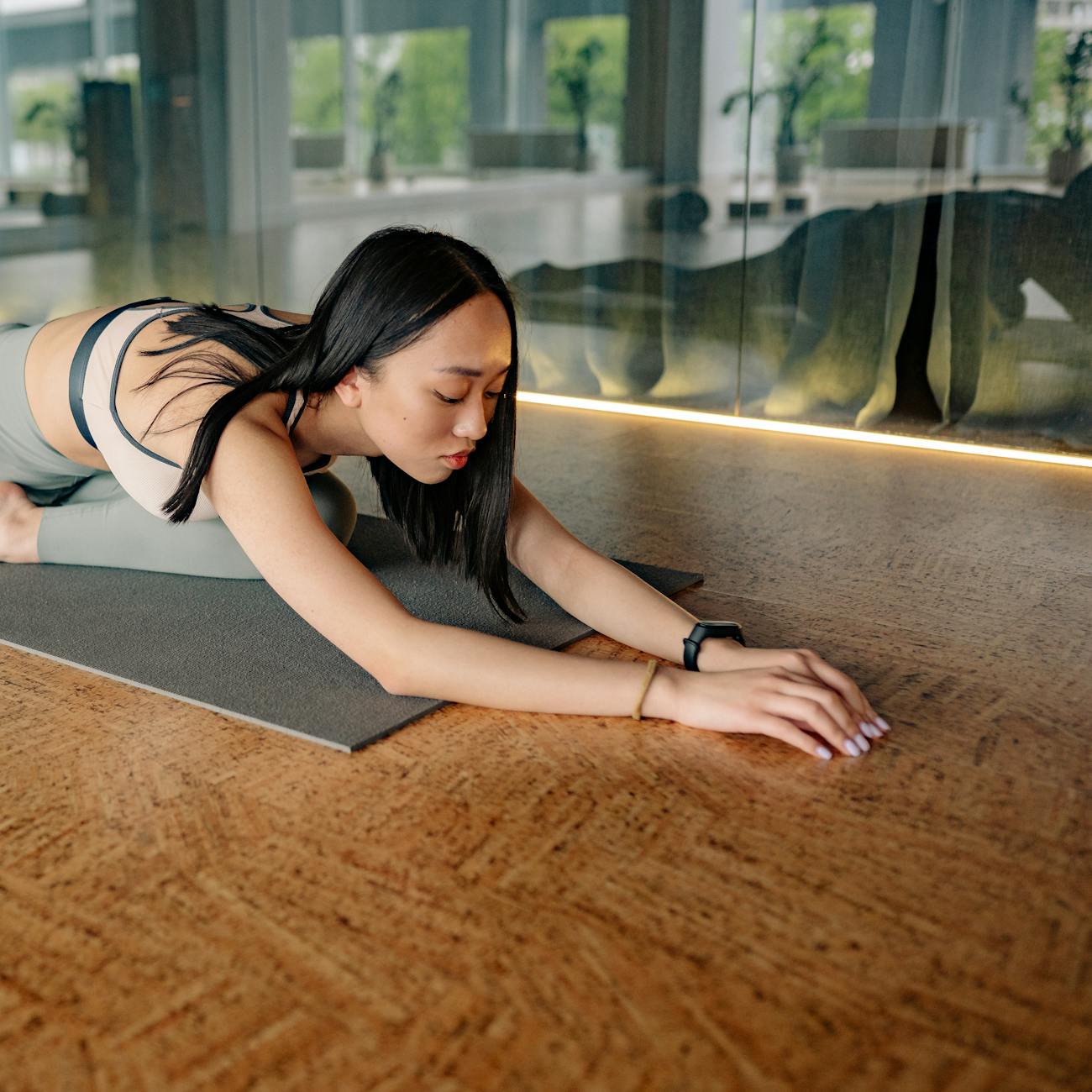
Progressive Muscle Relaxation (PMR) is a powerful technique that involves tensing and then relaxing specific muscle groups in a systematic way to promote overall well-being. This technique has been widely used to reduce stress, anxiety, and muscle tension, as well as improve sleep quality and overall mental and physical health. In this course, Certificate Programme in Progressive Muscle Relax, you will learn the key terms and vocabulary associated with PMR to help you effectively practice this relaxation technique for optimal benefits.
**Muscle Tension**: Muscle tension refers to the state in which muscles are partially contracted for an extended period. This can lead to discomfort, pain, and stiffness. PMR helps individuals release muscle tension through the process of tensing and then relaxing muscles, promoting a sense of relaxation and relief.
**Progressive Muscle Relaxation (PMR)**: PMR is a relaxation technique that involves systematically tensing and relaxing muscle groups to promote physical and mental relaxation. By engaging in this process, individuals can release tension, reduce stress, and improve overall well-being.
**Relaxation Response**: The relaxation response is the body's natural antidote to the stress response. When the body is in a state of relaxation, heart rate, blood pressure, and muscle tension decrease, promoting a sense of calm and well-being. PMR helps elicit the relaxation response, leading to various health benefits.
**Autonomic Nervous System**: The autonomic nervous system is responsible for regulating involuntary bodily functions, such as heart rate, digestion, and respiratory rate. PMR can help balance the autonomic nervous system by activating the parasympathetic nervous system, which promotes relaxation and restorative processes.
**Sympathetic Nervous System**: The sympathetic nervous system is often referred to as the "fight or flight" response. It prepares the body for action in response to stress or danger. PMR can help counteract the effects of the sympathetic nervous system by promoting relaxation and reducing stress levels.
**Parasympathetic Nervous System**: The parasympathetic nervous system is responsible for promoting rest, relaxation, and digestion. By activating the parasympathetic nervous system through PMR, individuals can experience a sense of calm, reduced stress, and improved overall well-being.
**Stress**: Stress is the body's response to a perceived threat or challenge. Chronic stress can have detrimental effects on physical and mental health. PMR can help individuals manage stress by promoting relaxation and reducing tension in the body.
**Anxiety**: Anxiety is a feeling of worry, nervousness, or unease about something with an uncertain outcome. PMR can be an effective tool for managing anxiety by promoting relaxation, reducing muscle tension, and calming the mind.
**Cognitive Behavioral Therapy (CBT)**: CBT is a form of psychotherapy that focuses on changing negative thought patterns and behaviors to improve mental health. PMR is often used as a component of CBT to help individuals manage stress, anxiety, and other mental health conditions.
**Mindfulness**: Mindfulness is the practice of being fully present and aware of one's thoughts, feelings, and sensations in the present moment. PMR can be combined with mindfulness techniques to enhance relaxation and promote a deeper sense of awareness and well-being.
**Breathing Techniques**: Breathing techniques are often used in conjunction with PMR to enhance relaxation and reduce stress. Deep breathing can help activate the parasympathetic nervous system, leading to a greater sense of calm and relaxation.
**Visualization**: Visualization involves creating mental images or scenarios to promote relaxation and reduce stress. In PMR, individuals may use visualization techniques to enhance the relaxation process and create a sense of peace and tranquility.
**Self-Care**: Self-care refers to activities and practices that individuals engage in to promote their physical, mental, and emotional well-being. PMR can be a valuable self-care tool for managing stress, anxiety, and promoting relaxation on a regular basis.
**Muscle Groups**: Muscle groups are specific sets of muscles in the body that work together to perform various movements and functions. In PMR, individuals systematically tense and relax different muscle groups to promote relaxation and reduce tension throughout the body.
**Guided Imagery**: Guided imagery involves listening to verbal cues or instructions to create mental images that promote relaxation and reduce stress. In PMR, guided imagery may be used to enhance the relaxation experience and deepen the sense of relaxation.
**Body Scan**: A body scan is a mindfulness practice that involves mentally scanning the body from head to toe, focusing on each body part and any sensations present. In PMR, a body scan may be incorporated to increase awareness of muscle tension and promote relaxation.
**Sleep Quality**: Sleep quality refers to the overall restfulness and effectiveness of one's sleep. PMR can help improve sleep quality by promoting relaxation, reducing muscle tension, and calming the mind before bedtime.
**Challenges**: While PMR can be a beneficial relaxation technique, there may be challenges that individuals encounter when practicing it. Some common challenges include difficulty focusing, feeling restless, or finding time to practice regularly. It is important to acknowledge these challenges and find strategies to overcome them to fully benefit from PMR.
**Practice**: Consistent practice is key to reaping the benefits of PMR. By incorporating PMR into your daily routine, you can reduce stress, improve relaxation, and enhance overall well-being. Regular practice can help you develop a deeper sense of relaxation and mindfulness over time.
**Progressive Muscle Relaxation Script**: A PMR script is a set of instructions that guide individuals through the process of tensing and relaxing muscle groups. A PMR script may include cues for tensing specific muscle groups, holding the tension, and then releasing it to promote relaxation.
**Physical Health Benefits**: PMR can have numerous physical health benefits, such as reducing muscle tension, lowering blood pressure, improving circulation, and promoting better sleep. By practicing PMR regularly, individuals can enhance their physical well-being and overall health.
**Mental Health Benefits**: PMR is also beneficial for mental health, as it can help reduce stress, anxiety, and symptoms of depression. By promoting relaxation and calming the mind, PMR can improve mental well-being and enhance overall mood.
**Emotional Regulation**: Emotional regulation refers to the ability to manage and control one's emotions in a healthy and adaptive way. PMR can help individuals regulate their emotions by promoting relaxation, reducing stress, and increasing awareness of physical sensations.
**Relaxation Techniques**: PMR is just one of many relaxation techniques that individuals can use to promote relaxation and reduce stress. Other relaxation techniques include deep breathing, meditation, yoga, and guided imagery. By exploring different relaxation techniques, individuals can find the methods that work best for them.
**Self-Compassion**: Self-compassion involves treating oneself with kindness, understanding, and acceptance, especially in times of difficulty or stress. PMR can be a form of self-compassion, as it allows individuals to take time for self-care and relaxation to promote overall well-being.
**Progressive Muscle Relaxation for Overall Well-being**: PMR is a valuable tool for promoting overall well-being by reducing stress, anxiety, and muscle tension. By incorporating PMR into your daily routine, you can enhance your physical and mental health, improve sleep quality, and cultivate a greater sense of relaxation and mindfulness in your life.
In conclusion, Progressive Muscle Relaxation is a powerful technique for promoting overall well-being by reducing stress, anxiety, and muscle tension. By learning the key terms and vocabulary associated with PMR in this course, Certificate Programme in Progressive Muscle Relax, you can effectively practice this relaxation technique to enhance your physical and mental health. Remember to practice regularly, overcome challenges, and incorporate PMR into your self-care routine to experience the full benefits of this relaxation technique.
Key takeaways
- In this course, Certificate Programme in Progressive Muscle Relax, you will learn the key terms and vocabulary associated with PMR to help you effectively practice this relaxation technique for optimal benefits.
- PMR helps individuals release muscle tension through the process of tensing and then relaxing muscles, promoting a sense of relaxation and relief.
- **Progressive Muscle Relaxation (PMR)**: PMR is a relaxation technique that involves systematically tensing and relaxing muscle groups to promote physical and mental relaxation.
- When the body is in a state of relaxation, heart rate, blood pressure, and muscle tension decrease, promoting a sense of calm and well-being.
- **Autonomic Nervous System**: The autonomic nervous system is responsible for regulating involuntary bodily functions, such as heart rate, digestion, and respiratory rate.
- PMR can help counteract the effects of the sympathetic nervous system by promoting relaxation and reducing stress levels.
- By activating the parasympathetic nervous system through PMR, individuals can experience a sense of calm, reduced stress, and improved overall well-being.