
Progressive Muscle Relaxation for Enhancing Focus and Concentration
Progressive Muscle Relaxation (PMR) is a powerful technique that involves tensing and then relaxing specific muscle groups in a systematic way to reduce stress and promote relaxation. This technique is widely used to enhance focus and conce…
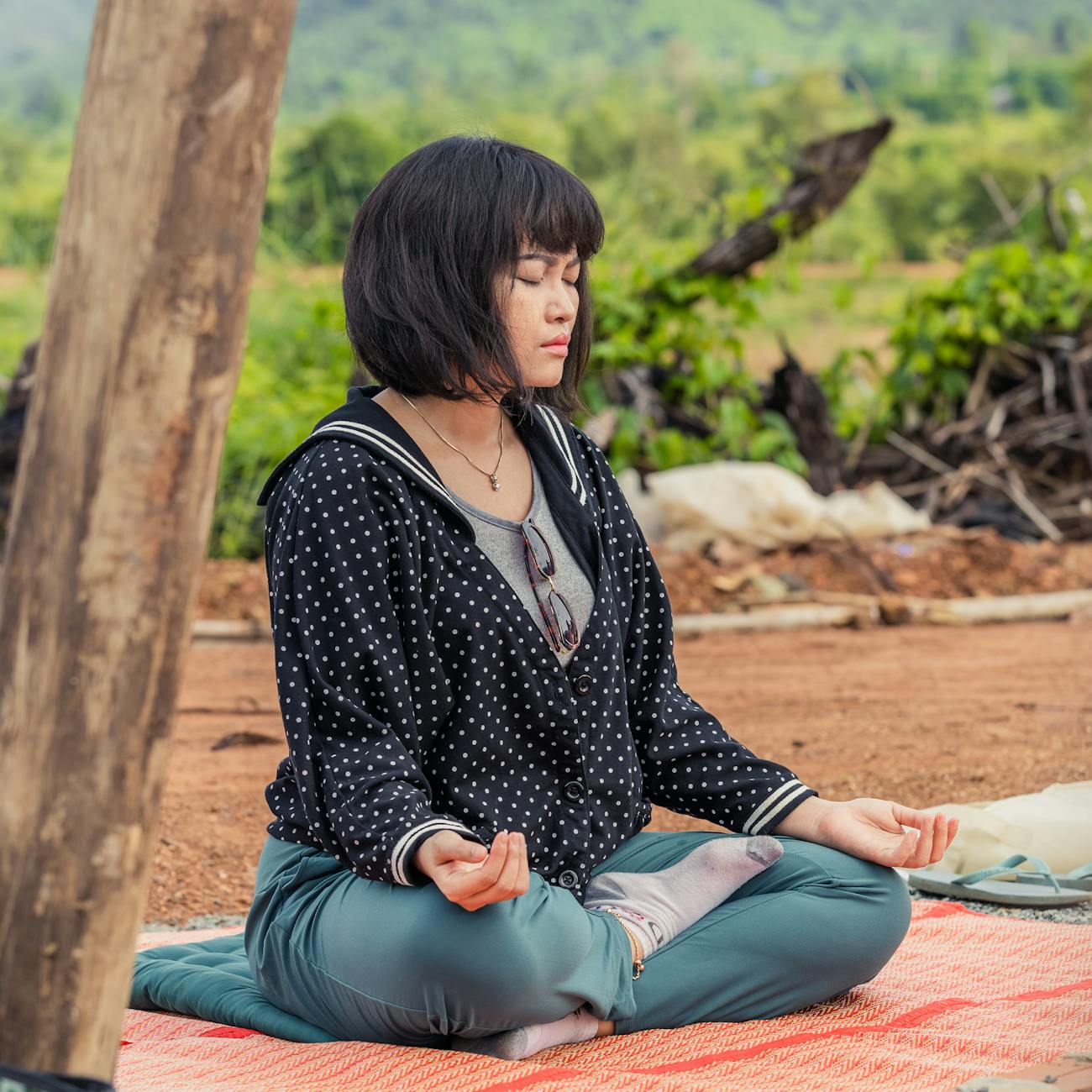
Progressive Muscle Relaxation (PMR) is a powerful technique that involves tensing and then relaxing specific muscle groups in a systematic way to reduce stress and promote relaxation. This technique is widely used to enhance focus and concentration by helping individuals release physical tension and calm their minds. In this course, we will explore the key terms and vocabulary related to PMR to help you understand and apply this technique effectively.
1. **Progressive Muscle Relaxation (PMR)**: PMR is a relaxation technique developed by American physician Edmund Jacobson in the early 20th century. It involves tensing individual muscle groups for a few seconds and then releasing the tension, leading to a deep state of relaxation.
2. **Focus**: Focus refers to the ability to concentrate on a specific task or activity without being distracted. By practicing PMR, individuals can improve their focus by reducing physical tension and mental stress.
3. **Concentration**: Concentration is the act of focusing one's attention on a particular object, thought, or task. PMR can help enhance concentration by promoting relaxation and reducing anxiety.
4. **Muscle Tension**: Muscle tension is a physical response to stress or anxiety, where muscles become tight and contracted. PMR aims to reduce muscle tension by systematically tensing and relaxing muscle groups.
5. **Stress**: Stress is a physiological and psychological response to challenging or threatening situations. PMR is an effective stress management technique that can help individuals relax and unwind.
6. **Relaxation**: Relaxation is a state of physical and mental calmness where the body and mind are at ease. PMR promotes relaxation by releasing muscle tension and promoting a sense of well-being.
7. **Anxiety**: Anxiety is a feeling of worry, nervousness, or unease about something with an uncertain outcome. PMR can help alleviate anxiety by calming the body and mind through muscle relaxation.
8. **Breathing Techniques**: Breathing techniques are used in conjunction with PMR to enhance relaxation and focus. Deep breathing can help oxygenate the body and promote a sense of calm.
9. **Visualization**: Visualization involves imagining a peaceful or pleasant scene to enhance relaxation during PMR. Visualizing a tranquil setting can help calm the mind and body.
10. **Cognitive Distraction**: Cognitive distraction techniques involve redirecting attention away from stressful thoughts or worries. PMR can be used in combination with cognitive distraction to enhance relaxation and focus.
11. **Self-Awareness**: Self-awareness is the ability to recognize and understand one's thoughts, feelings, and behaviors. Practicing PMR can increase self-awareness by helping individuals tune into their physical and emotional responses.
12. **Body Scan**: A body scan is a technique used in PMR to systematically focus on each part of the body, from head to toe, to release tension and promote relaxation.
13. **Stimulus Control**: Stimulus control involves managing environmental cues that may trigger stress or anxiety. PMR can help individuals develop better control over their responses to stressors.
14. **Mindfulness**: Mindfulness is the practice of being present and fully engaged in the moment. PMR can enhance mindfulness by promoting awareness of physical sensations and emotions.
15. **Resilience**: Resilience is the ability to bounce back from adversity or challenges. PMR can help build resilience by promoting relaxation and reducing the impact of stress on the body and mind.
16. **Biofeedback**: Biofeedback is a technique that uses electronic devices to monitor and provide feedback on physiological processes, such as muscle tension. PMR can be combined with biofeedback to enhance relaxation and focus.
17. **Autogenic Training**: Autogenic training is a relaxation technique that involves self-suggestion and visualization to promote relaxation and reduce stress. PMR shares similarities with autogenic training in its focus on relaxation and tension release.
18. **Guided Imagery**: Guided imagery is a technique where a therapist or recording guides individuals through visualizations to promote relaxation and healing. PMR can be enhanced with guided imagery to deepen the relaxation response.
19. **Mind-Body Connection**: The mind-body connection refers to the interaction between mental and physical health. PMR can strengthen the mind-body connection by promoting relaxation and reducing physical tension.
20. **Emotional Regulation**: Emotional regulation involves managing and responding to emotions in a healthy and adaptive way. PMR can help improve emotional regulation by promoting relaxation and reducing stress.
21. **Chronic Pain Management**: PMR is often used as a complementary therapy for chronic pain management. By reducing muscle tension and promoting relaxation, PMR can help alleviate pain and discomfort.
22. **Sleep Quality**: PMR can improve sleep quality by promoting relaxation and reducing stress before bedtime. Practicing PMR as part of a bedtime routine can help individuals fall asleep faster and experience deeper sleep.
23. **Performance Enhancement**: PMR can enhance performance in various areas, including academics, sports, and work. By reducing stress and promoting relaxation, PMR can help individuals focus and concentrate on their tasks more effectively.
24. **Mindfulness-Based Stress Reduction (MBSR)**: MBSR is a program that combines mindfulness meditation and yoga with cognitive-behavioral techniques to reduce stress and enhance well-being. PMR shares similarities with MBSR in its focus on relaxation and stress reduction.
25. **Work-Life Balance**: PMR can help individuals achieve a better work-life balance by promoting relaxation and reducing stress. By practicing PMR regularly, individuals can improve their overall well-being and productivity.
26. **Mental Clarity**: PMR can enhance mental clarity by reducing physical tension and promoting relaxation. With a clear and calm mind, individuals can think more clearly and make better decisions.
27. **Psychological Flexibility**: Psychological flexibility is the ability to adapt to changing situations and cope with challenges. PMR can help improve psychological flexibility by promoting relaxation and reducing emotional reactivity.
28. **Physiological Responses**: PMR can elicit various physiological responses, including reduced heart rate, blood pressure, and muscle tension. By promoting relaxation, PMR can help individuals achieve a state of calm and well-being.
29. **Psychotherapy**: PMR is often used in psychotherapy to help individuals manage stress, anxiety, and other mental health issues. By promoting relaxation and reducing tension, PMR can complement traditional therapy approaches.
30. **Holistic Health**: PMR promotes holistic health by addressing the connection between the mind, body, and emotions. By promoting relaxation and reducing stress, PMR can improve overall well-being and quality of life.
31. **Breath Awareness**: Breath awareness is a mindfulness practice that involves focusing on the breath to promote relaxation and reduce stress. Combining breath awareness with PMR can enhance the relaxation response.
32. **Physical Therapy**: PMR is used in physical therapy to help patients relax tight muscles and reduce pain. By promoting relaxation and tension release, PMR can complement traditional physical therapy techniques.
33. **Cognitive Behavioral Therapy (CBT)**: CBT is a therapeutic approach that focuses on changing negative thought patterns and behaviors. PMR can be integrated into CBT to promote relaxation and reduce physical symptoms of stress.
34. **Attention Training**: Attention training involves exercises to improve focus, concentration, and attention span. PMR can be a useful tool in attention training by promoting relaxation and reducing distractions.
35. **Stress Hormones**: PMR can help reduce the levels of stress hormones, such as cortisol, in the body. By promoting relaxation, PMR can help regulate the body's stress response and promote overall well-being.
36. **Neuroplasticity**: Neuroplasticity refers to the brain's ability to reorganize and adapt in response to experiences and learning. By practicing PMR, individuals can enhance neuroplasticity by promoting relaxation and reducing stress.
37. **Mindfulness-Based Cognitive Therapy (MBCT)**: MBCT combines mindfulness practices with cognitive therapy techniques to prevent relapse in depression. PMR shares similarities with MBCT in its focus on relaxation and stress reduction.
38. **Biochemical Changes**: PMR can induce biochemical changes in the body, such as increased levels of endorphins and serotonin, which are associated with relaxation and well-being. By promoting relaxation, PMR can enhance mood and emotional health.
39. **Physical Symptoms**: PMR can help alleviate physical symptoms of stress, such as headaches, muscle pain, and digestive issues. By promoting relaxation and tension release, PMR can improve physical health and well-being.
40. **Coping Strategies**: PMR can be used as a coping strategy to manage stress, anxiety, and other challenges. By promoting relaxation and reducing tension, PMR can help individuals cope better with difficult situations.
41. **Lifestyle Changes**: PMR can support lifestyle changes by promoting relaxation and reducing stress. By incorporating PMR into daily routines, individuals can improve their overall well-being and quality of life.
42. **Respiratory Rate**: PMR can help regulate respiratory rate by promoting deep, diaphragmatic breathing. By focusing on the breath during PMR, individuals can enhance relaxation and reduce stress.
43. **Heart Rate Variability (HRV)**: HRV is a measure of the variation in time between heartbeats, which reflects the body's ability to adapt to stress. PMR can improve HRV by promoting relaxation and reducing the impact of stress on the body.
44. **Immune Function**: PMR can enhance immune function by reducing stress and promoting relaxation. By lowering cortisol levels and promoting overall well-being, PMR can support a healthy immune system.
45. **Therapeutic Effects**: PMR has therapeutic effects on physical, emotional, and mental health. By promoting relaxation and reducing tension, PMR can improve overall well-being and quality of life.
46. **Mind-Body Interventions**: Mind-body interventions, such as PMR, focus on the connection between mental and physical health. By promoting relaxation and reducing stress, mind-body interventions can improve overall well-being.
47. **Mindfulness-Based Interventions**: Mindfulness-based interventions, including PMR, promote awareness and acceptance of present-moment experiences. By practicing mindfulness during PMR, individuals can enhance relaxation and focus.
48. **Executive Function**: Executive function refers to cognitive processes that control goal-directed behavior and decision-making. PMR can improve executive function by promoting relaxation and reducing cognitive load.
49. **Cognitive Load**: Cognitive load is the amount of mental effort required to perform a task. PMR can reduce cognitive load by promoting relaxation and reducing stress, allowing individuals to focus more effectively.
50. **Self-Care**: PMR is a form of self-care that promotes relaxation and stress reduction. By incorporating PMR into a self-care routine, individuals can improve their overall well-being and quality of life.
In conclusion, understanding the key terms and vocabulary related to Progressive Muscle Relaxation is essential for effectively applying this technique to enhance focus and concentration. By practicing PMR regularly and incorporating it into daily routines, individuals can benefit from reduced stress, improved relaxation, and enhanced mental clarity. PMR is a valuable tool for promoting overall well-being and improving quality of life.
Key takeaways
- Progressive Muscle Relaxation (PMR) is a powerful technique that involves tensing and then relaxing specific muscle groups in a systematic way to reduce stress and promote relaxation.
- **Progressive Muscle Relaxation (PMR)**: PMR is a relaxation technique developed by American physician Edmund Jacobson in the early 20th century.
- **Focus**: Focus refers to the ability to concentrate on a specific task or activity without being distracted.
- **Concentration**: Concentration is the act of focusing one's attention on a particular object, thought, or task.
- **Muscle Tension**: Muscle tension is a physical response to stress or anxiety, where muscles become tight and contracted.
- **Stress**: Stress is a physiological and psychological response to challenging or threatening situations.
- **Relaxation**: Relaxation is a state of physical and mental calmness where the body and mind are at ease.