
Marine Pollution Control and Prevention
Marine pollution control and prevention is a critical aspect of marine environmental law and policy, aiming to minimize the harmful effects of human activities on the marine ecosystem. The primary goal is to prevent and reduce pollution fro…
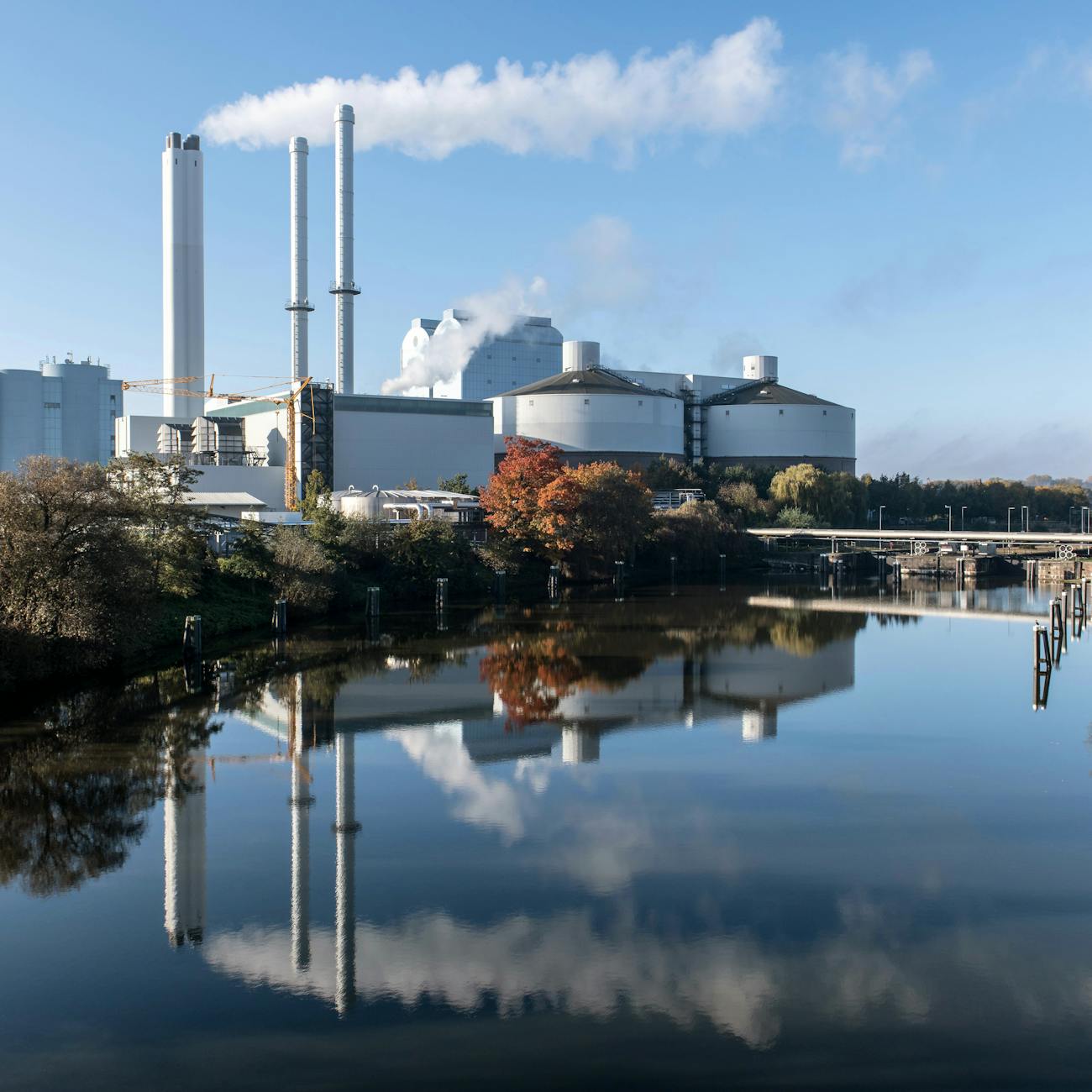
Marine pollution control and prevention is a critical aspect of marine environmental law and policy, aiming to minimize the harmful effects of human activities on the marine ecosystem. The primary goal is to prevent and reduce pollution from various sources, including land-based activities, atmospheric deposition, and marine-based activities. One of the key concepts in marine pollution control is the precautionary principle, which emphasizes the need for preventive measures to avoid potential harm to the marine environment, even if there is no scientific certainty about the magnitude of the harm.
Marine pollution can be categorized into several types, including oil pollution, chemical pollution, noise pollution, and plastic pollution. Oil pollution, for instance, can result from oil spills, which can have devastating effects on marine life and ecosystems. Chemical pollution, on the other hand, can arise from the release of hazardous substances, such as pesticides and industrial waste, into the marine environment. Noise pollution, caused by human activities like shipping and seismic surveys, can disrupt marine life communication and behavior. Plastic pollution, which includes the release of microplastics and macroplastics, can harm marine life through entanglement, ingestion, and suffocation.
The polluter pays principle is another essential concept in marine pollution control, which holds that those responsible for pollution should bear the costs of pollution prevention and cleanup. This principle is often implemented through liability and compensation regimes, which aim to provide a financial incentive for polluters to take preventive measures and to compensate for damages caused by pollution. In practice, the polluter pays principle can be applied through various mechanisms, such as environmental taxes and fees, which can be used to fund pollution prevention and cleanup efforts.
International cooperation is crucial in addressing marine pollution, as it is a transboundary issue that requires collective action. The United Nations Convention on the Law of the Sea (UNCLOS) provides a framework for international cooperation on marine pollution, emphasizing the need for states to take measures to prevent, reduce, and control pollution of the marine environment. The International Maritime Organization (IMO) is also playing a critical role in developing and implementing international standards and regulations to prevent and reduce marine pollution from ships and other marine-based activities.
One of the key challenges in marine pollution control is the lack of enforcement and compliance with existing regulations and standards. Many countries lack the capacity and resources to effectively enforce marine pollution laws and regulations, while others may lack the political will to take action. Additionally, the complexity of marine pollution issues, which often involve multiple stakeholders and interests, can make it difficult to develop and implement effective policies and strategies to address these issues.
In recent years, there has been a growing recognition of the need for a more integrated and holistic approach to marine pollution control, which takes into account the ecosystem and biodiversity impacts of human activities. This approach emphasizes the need to consider the cumulative and synergistic effects of different pollution sources and activities, rather than addressing each issue in isolation. The ecosystem-based management approach, which aims to manage human activities in a way that maintains the health and integrity of marine ecosystems, is becoming increasingly important in marine pollution control.
The role of science and research in marine pollution control is also critical, as it provides the necessary knowledge and understanding of marine pollution issues to inform policy and management decisions. Scientific research can help to identify the causes and effects of marine pollution, as well as the effectiveness of different mitigation and remediation measures. However, there is often a gap between scientific knowledge and policy and practice, which can hinder the effective implementation of marine pollution control measures.
In addition to scientific research, public awareness and education are essential in promoting marine pollution control and prevention. Raising awareness about the causes and effects of marine pollution can help to build support and momentum for policy and management changes, while education and training programs can help to build capacity and expertise in marine pollution control. The media and civil society organizations can play a critical role in promoting public awareness and education, as well as in advocating for policy and management changes to address marine pollution issues.
The economic and social impacts of marine pollution are also significant, as they can affect the livelihoods and well-being of communities that depend on the marine environment. Marine pollution can damage fisheries and tourism industries, as well as other economic activities that rely on the marine environment. Additionally, marine pollution can have human health impacts, particularly for communities that rely on the marine environment for food and water. The costs of marine pollution can be substantial, and can include the costs of cleanup and restoration, as well as the costs of health and economic impacts.
The technology and innovation can play a critical role in marine pollution control, as they can provide solutions and tools to prevent and reduce pollution. For example, clean technologies can help to reduce pollution from industrial activities, while monitoring and surveillance technologies can help to detect and track pollution. Additionally, biotechnology and bioremediation can help to clean up pollution, particularly in cases where traditional cleanup methods are not effective.
In terms of policy and management, there are several approaches that can be used to address marine pollution. The command and control approach, which relies on regulations and standards to control pollution, is often used in combination with economic incentives and market-based approaches, which aim to provide a financial incentive for polluters to take preventive measures. The voluntary and partnership approaches, which rely on the cooperation and participation of stakeholders, can also be effective in addressing marine pollution issues.
The international and regional cooperation is essential in addressing marine pollution, as it is a transboundary issue that requires collective action. The United Nations and other international organizations can play a critical role in promoting international cooperation and coordination on marine pollution issues. The regional organizations, such as the Regional Seas Programme, can also provide a framework for regional cooperation and coordination on marine pollution issues.
In practice, marine pollution control and prevention require a multi-disciplinary and inter-disciplinary approach, which takes into account the social, economic, and environmental impacts of human activities. The stakeholder and community involvement is critical in promoting marine pollution control and prevention, as it can help to build support and momentum for policy and management changes. The education and training programs can help to build capacity and expertise in marine pollution control, while the research and development can provide the necessary knowledge and understanding of marine pollution issues to inform policy and management decisions.
The governance and institutional framework is also essential in promoting marine pollution control and prevention. The laws and regulations can provide a framework for marine pollution control, while the institutions and organizations
Key takeaways
- Marine pollution control and prevention is a critical aspect of marine environmental law and policy, aiming to minimize the harmful effects of human activities on the marine ecosystem.
- Chemical pollution, on the other hand, can arise from the release of hazardous substances, such as pesticides and industrial waste, into the marine environment.
- This principle is often implemented through liability and compensation regimes, which aim to provide a financial incentive for polluters to take preventive measures and to compensate for damages caused by pollution.
- International cooperation is crucial in addressing marine pollution, as it is a transboundary issue that requires collective action.
- Additionally, the complexity of marine pollution issues, which often involve multiple stakeholders and interests, can make it difficult to develop and implement effective policies and strategies to address these issues.
- The ecosystem-based management approach, which aims to manage human activities in a way that maintains the health and integrity of marine ecosystems, is becoming increasingly important in marine pollution control.
- However, there is often a gap between scientific knowledge and policy and practice, which can hinder the effective implementation of marine pollution control measures.