
Sustainable Fisheries Management and Policy
Sustainable fisheries management and policy are critical components of maintaining the health of the world's oceans and ensuring the long-term viability of fish populations. At the heart of sustainable fisheries management is the concept of…
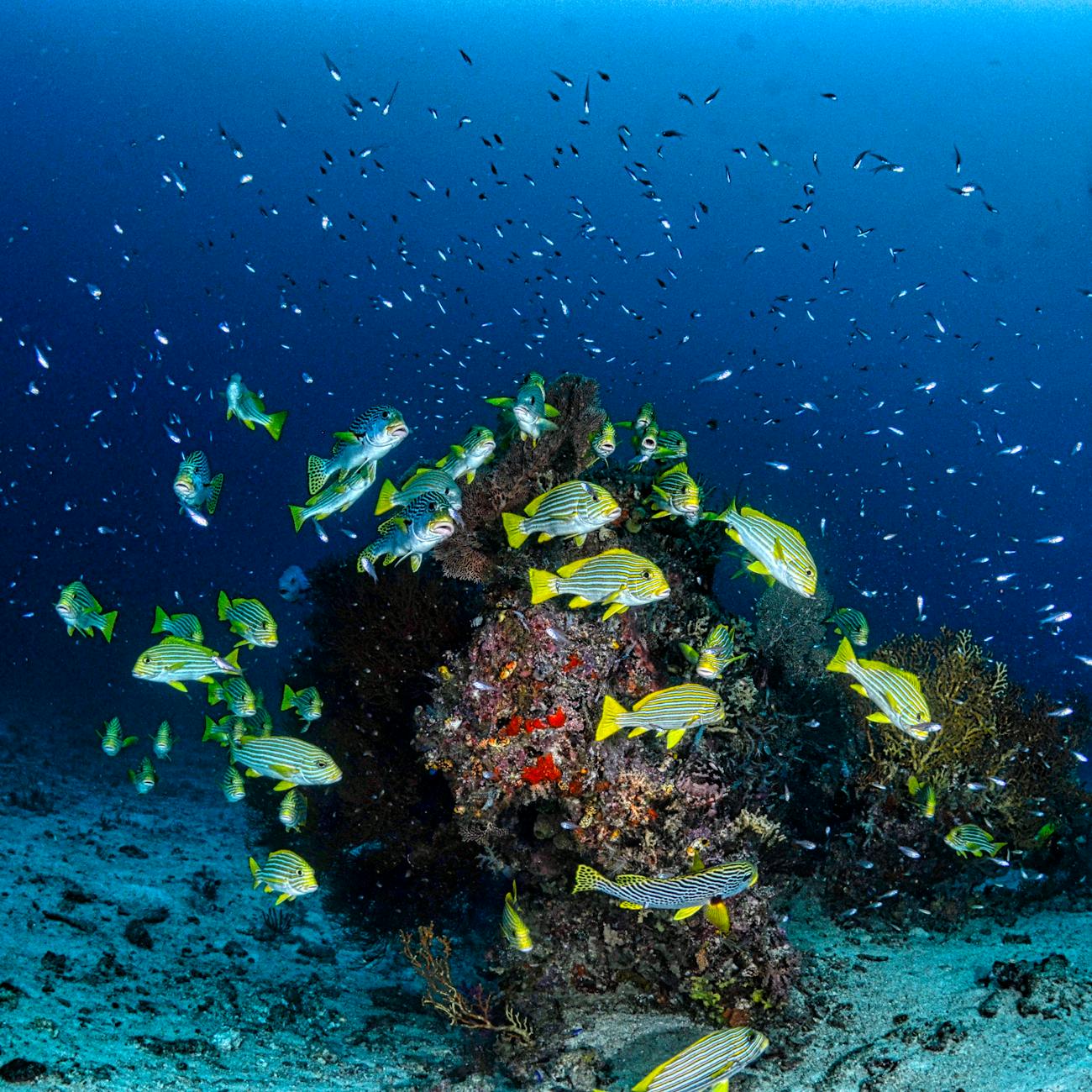
Sustainable fisheries management and policy are critical components of maintaining the health of the world's oceans and ensuring the long-term viability of fish populations. At the heart of sustainable fisheries management is the concept of sustainable development, which aims to balance the social, economic, and environmental aspects of fishing activities. This approach recognizes that the well-being of both human communities and the environment are closely linked to the health of fish populations and the ecosystems they inhabit.
One of the key terms in sustainable fisheries management is maximum sustainable yield, which refers to the highest amount of fish that can be caught without depleting the population. This concept is central to the development of effective fisheries management plans, as it provides a benchmark for determining the allowable catch levels. However, determining the maximum sustainable yield can be challenging, as it requires accurate data on fish populations, their habitats, and the impacts of fishing activities.
Another important concept in sustainable fisheries management is the precautionary approach, which emphasizes the need for caution when dealing with uncertainties or a lack of scientific data. This approach recognizes that the absence of evidence does not necessarily mean that there is no impact, and that it is better to err on the side of caution when making decisions about fisheries management. The precautionary approach is particularly relevant in the context of bycatch, which refers to the catching of non-target species, such as dolphins, turtles, or seabirds, in fishing gear intended for other species.
Fisheries management plans are critical tools for achieving sustainable fisheries management. These plans typically involve a combination of measures, including catch limits, closed areas, and gear restrictions, designed to reduce the impact of fishing activities on fish populations and their habitats. For example, a fisheries management plan might establish a closed season for a particular species to allow it to spawn and replenish its population. Alternatively, it might restrict the use of certain types of fishing gear, such as bottom trawls, which can damage habitats and catch non-target species.
The ecosystem approach to fisheries management is a holistic approach that considers the interactions between fish populations, their habitats, and other components of the ecosystem. This approach recognizes that fish populations do not exist in isolation, but are part of a complex web of relationships with other species and their environment. The ecosystem approach aims to manage fisheries in a way that maintains the integrity of the ecosystem and ensures the long-term sustainability of fish populations.
International cooperation is essential for achieving sustainable fisheries management, particularly in the context of high seas fisheries, which are fisheries that operate outside the exclusive economic zones of coastal states. The United Nations Fish Stocks Agreement is a key international instrument that aims to promote the conservation and management of straddling fish stocks and highly migratory fish stocks. This agreement emphasizes the need for cooperation between states to manage these stocks in a sustainable way and to prevent overfishing.
The role of science in sustainable fisheries management cannot be overstated. Scientific research and monitoring are essential for providing the data and information needed to make informed decisions about fisheries management. This includes data on fish populations, their habitats, and the impacts of fishing activities, as well as research on the effectiveness of different management measures. However, the use of scientific data in fisheries management can be challenging, particularly in the context of uncertainty and complexity.
One of the key challenges in sustainable fisheries management is the problem of overfishing, which occurs when the amount of fish caught exceeds the maximum sustainable yield. Overfishing can have devastating impacts on fish populations and the ecosystems they inhabit, and can lead to the collapse of fisheries. The tragedy of the commons is a concept that describes the situation where multiple individuals or groups have access to a shared resource, such as a fishery, and each individual or group acts in their own self-interest, leading to the overexploitation of the resource.
The implementation of sustainable fisheries management measures can be challenging, particularly in the context of small-scale fisheries, which are often characterized by limited resources and capacity. In these situations, it may be difficult to implement and enforce management measures, such as catch limits and closed areas. However, there are examples of successful community-based fisheries management initiatives, where local communities have come together to develop and implement their own management plans.
The economic benefits of sustainable fisheries management are significant, and can include increased revenue from tourism and recreation, as well as improved livelihoods for fishing communities. However, the transition to sustainable fisheries management can be challenging, particularly for communities that have traditionally relied on fishing as a source of income. In these situations, it may be necessary to provide support and assistance to help communities adapt to new management measures and develop alternative livelihoods.
The use of technology in sustainable fisheries management is becoming increasingly important, particularly in the context of monitoring and enforcement. For example, satellite tracking and monitoring systems can be used to track the movement of fishing vessels and ensure compliance with management measures. Additionally, catch documentation schemes can be used to track the amount of fish caught and prevent illegal fishing activities.
The social impacts of sustainable fisheries management should not be overlooked, particularly in the context of indigenous communities, which may have traditional rights to fish in certain areas. The recognition of these rights is essential for ensuring that the needs and interests of these communities are taken into account in the development of fisheries management plans. Additionally, the participation of local communities in the decision-making process is critical for ensuring that management measures are effective and equitable.
The integration of climate change into sustainable fisheries management is a critical issue, particularly in the context of ocean acidification and warming. Climate change can have significant impacts on fish populations and the ecosystems they inhabit, and can affect the distribution and abundance of fish species. As a result, it is essential to consider the impacts of climate change in the development of fisheries management plans and to develop strategies for adapting to these changes.
The governance of sustainable fisheries management is a complex issue, particularly in the context of international cooperation. The United Nations Convention on the Law of the Sea provides a framework for the governance of the oceans, including the management of fisheries. However, the implementation of this framework can be challenging, particularly in the context of high seas fisheries, which are not subject to the jurisdiction of any single state.
The development of sustainable fisheries management plans requires a comprehensive approach that takes into account the social, economic, and environmental aspects of fishing activities. This approach should be based on the best available scientific data and should involve the participation of all stakeholders, including fishing communities, governments, and other interested parties. Additionally, the monitoring and evaluation of management plans are essential for ensuring that they are effective and for making adjustments as needed.
The role of certification schemes in sustainable fisheries management is becoming increasingly important, particularly in the context of eco-labeling and chain of custody certification. These schemes provide a way for consumers to identify products that have been caught or produced in a sustainable way, and can provide a market incentive for fishing companies to adopt sustainable practices. However, the implementation of these schemes can be challenging, particularly in the context of small-scale fisheries, which may not have the resources or capacity to participate.
The importance of education and training in sustainable fisheries management cannot be overstated, particularly in the context of capacity building and institutional strengthening. Education and training programs can provide fishing communities and other stakeholders with the knowledge and skills needed to develop and implement sustainable fisheries management plans. Additionally, these programs can help to raise awareness about the importance of sustainable fisheries management and the impacts of fishing activities on the environment.
The future of sustainable fisheries management is uncertain, particularly in the context of global change and uncertainty. However, there are many examples of successful sustainable fisheries management initiatives around the world, and these provide a basis for hope and optimism. The key to successful sustainable fisheries management is a commitment to sustainability and a willingness to work together to achieve this goal. This requires a collaborative approach that involves all stakeholders, including fishing communities, governments, and other interested parties.
The implementation of sustainable fisheries management measures can be challenging, particularly in the context of limited resources and capacity. However, there are many examples of successful sustainable fisheries management initiatives that have been implemented in developing countries and other contexts where resources are limited. These initiatives often rely on community-based approaches and participatory methods, which involve the active participation of fishing communities and other stakeholders in the decision-making process.
The use of incentives in sustainable fisheries management is becoming increasingly important, particularly in the context of market-based instruments and certification schemes. These incentives can provide a market-based solution to the problem of overfishing, by providing a financial reward for fishing companies that adopt sustainable practices. Additionally, incentives can be used to encourage fishing communities to adopt sustainable fisheries management practices and to develop and implement their own management plans.
The role of governments in sustainable fisheries management is critical, particularly in the context of regulation and enforcement. Governments have a responsibility to ensure that fishing activities are managed in a sustainable way and that the rights of fishing communities are protected. This requires a strong regulatory framework and effective enforcement mechanisms, as well as a commitment to transparency and accountability.
The importance of research in sustainable fisheries management cannot be overstated, particularly in the context of scientific uncertainty and complexity. Research is essential for providing the data and information needed to make informed decisions about fisheries management, and for developing effective management measures. Additionally, research can help to identify the impacts of fishing activities on the environment and to develop strategies for mitigating these impacts.
The development of sustainable aquaculture practices is becoming increasingly important, particularly in the context of food security and sustainability. Aquaculture can provide a sustainable source of seafood, particularly in the context of overfishing and depletion of wild fish populations. However, the implementation of sustainable aquaculture practices can be challenging, particularly in the context of environmental impacts and social responsibility.
The integration of human rights into sustainable fisheries management is essential, particularly in the context of indigenous communities and small-scale fisheries. The recognition of human rights is critical for ensuring that the needs and interests of these communities are taken into account in the development of fisheries management plans. Additionally, the protection of human rights is essential for preventing abuse and exploitation of fishing communities and for promoting social justice.
The role of non-governmental organizations in sustainable fisheries management is becoming increasingly important, particularly in the context of advocacy and awareness-raising. These organizations can play a critical role in promoting sustainable fisheries management practices and in advocating for the rights of fishing communities. Additionally, they can provide technical assistance and capacity building support to fishing communities and other stakeholders.
The importance of traditional knowledge in sustainable fisheries management cannot be overstated, particularly in the context of indigenous communities and small-scale fisheries. Traditional knowledge can provide valuable insights into the behavior and ecology of fish populations, as well as the impacts of fishing activities on the environment. Additionally, traditional knowledge can help to promote cultural sensitivity and awareness of the importance of sustainable fisheries management.
The future of sustainable fisheries management will depend on the ability of stakeholders to work together to address the complex challenges facing the world's fisheries. This will require a collaborative approach that involves all stakeholders, including fishing communities, governments, and other interested parties. Additionally, it will require a commitment to sustainability and a willingness to adopt innovative and effective management practices. The use of technology and science will be critical in this context, particularly in the development of new and innovative management measures.
Key takeaways
- At the heart of sustainable fisheries management is the concept of sustainable development, which aims to balance the social, economic, and environmental aspects of fishing activities.
- One of the key terms in sustainable fisheries management is maximum sustainable yield, which refers to the highest amount of fish that can be caught without depleting the population.
- The precautionary approach is particularly relevant in the context of bycatch, which refers to the catching of non-target species, such as dolphins, turtles, or seabirds, in fishing gear intended for other species.
- These plans typically involve a combination of measures, including catch limits, closed areas, and gear restrictions, designed to reduce the impact of fishing activities on fish populations and their habitats.
- The ecosystem approach to fisheries management is a holistic approach that considers the interactions between fish populations, their habitats, and other components of the ecosystem.
- The United Nations Fish Stocks Agreement is a key international instrument that aims to promote the conservation and management of straddling fish stocks and highly migratory fish stocks.
- This includes data on fish populations, their habitats, and the impacts of fishing activities, as well as research on the effectiveness of different management measures.