
Climate Change and its Impact on the Marine Environment
The ocean plays a crucial role in regulating the Earth's climate, and its health is intricately linked to the impacts of climate change . As the planet warms due to increasing levels of greenhouse gases , the marine environment is experienc…
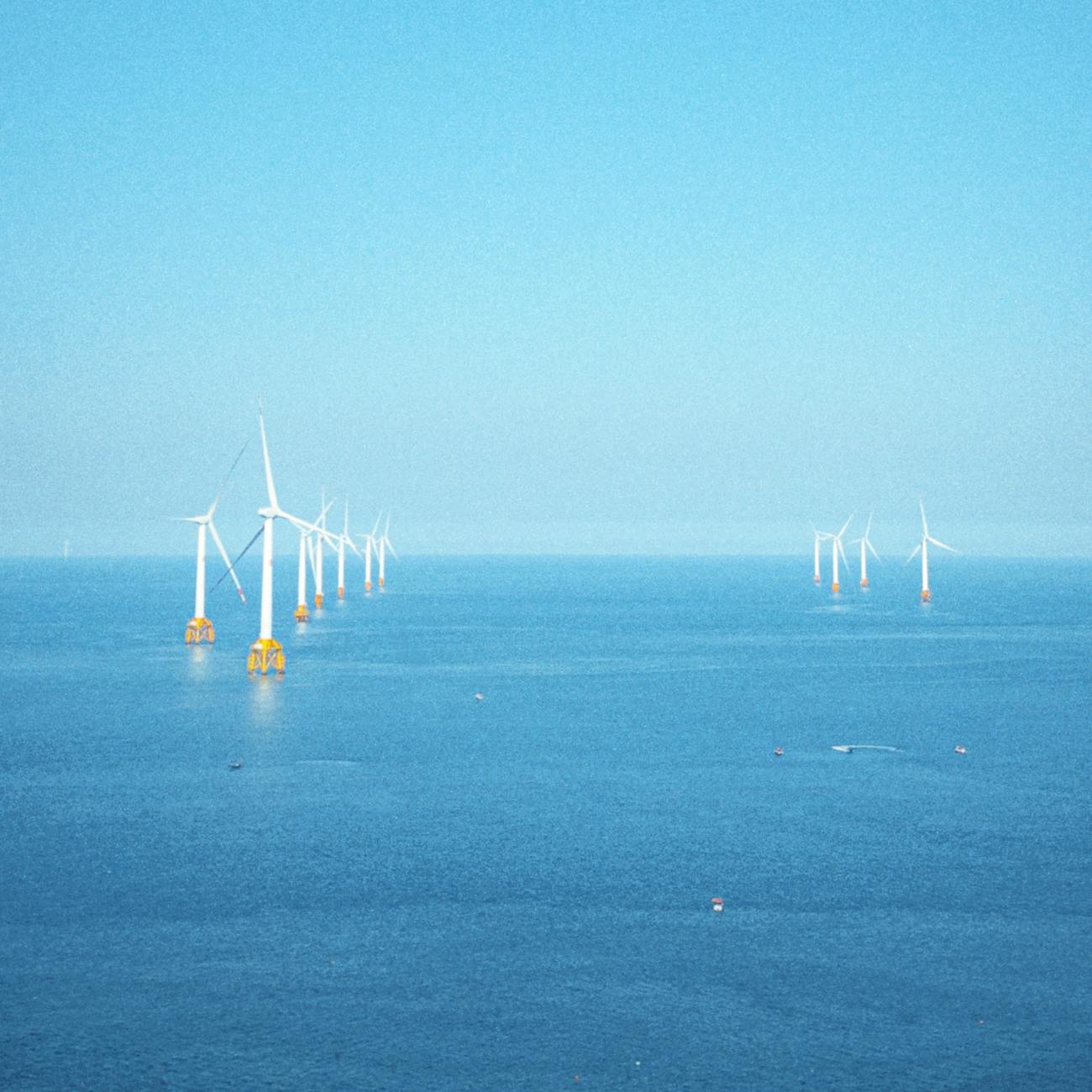
The ocean plays a crucial role in regulating the Earth's climate, and its health is intricately linked to the impacts of climate change. As the planet warms due to increasing levels of greenhouse gases, the marine environment is experiencing significant changes, including rising sea levels, ocean acidification, and shifts in species distributions. Understanding the key terms and vocabulary related to climate change and its impact on the marine environment is essential for developing effective conservation and management strategies.
One of the primary concerns related to climate change is the increase in global temperatures, which is causing sea levels to rise. This is due to the thermal expansion of seawater as it warms, as well as the melt of glaciers and ice sheets on land. Rising sea levels pose a significant threat to coastal ecosystems, including mangroves, coral reefs, and seagrass beds, which provide important habitat for a diverse range of species. Additionally, sea level rise can lead to increased erosion and flooding of coastal areas, resulting in significant economic and social impacts.
Another critical issue related to climate change is ocean acidification, which occurs when carbon dioxide is absorbed by the ocean, causing a decrease in pH levels. This can have devastating effects on marine organisms, particularly those with calcium carbonate shells, such as corals and shellfish. Ocean acidification can also impact the food chain, as many species rely on these organisms as a source of food. Furthermore, ocean acidification can reduce the availability of nutrients in the ocean, making it more challenging for phytoplankton and other primary producers to thrive.
Changes in ocean circulation and temperature are also having significant impacts on marine ecosystems. As the ocean warms, it can lead to changes in the distribution and abundance of species, as well as shifts in the timing of seasonal events, such as migration and breeding. This can have cascading effects throughout the food chain, as predators and prey are affected by changes in the availability of food and habitat. Additionally, changes in ocean circulation can impact the formation of ocean currents, which play a critical role in regulating global climate patterns.
The impacts of climate change on the marine environment are not limited to the physical environment, but also have significant social and economic implications. Many communities rely on the ocean for food, income, and cultural practices, and changes to the marine environment can have devastating effects on these communities. For example, fisheries are an important source of food and income for many communities, but changes in ocean temperature and circulation can impact the availability of fish and other seafood. Additionally, tourism is an important industry for many coastal communities, but changes to the marine environment can impact the quality of beaches and other tourist attractions.
In order to mitigate the impacts of climate change on the marine environment, it is essential to develop and implement effective conservation and management strategies. This can include reducing greenhouse gas emissions to slow the rate of climate change, as well as protecting and restoring critical habitats, such as coral reefs and mangroves. Additionally, supporting sustainable fishing practices and reducing pollution can help to maintain the health of marine ecosystems. It is also important to support research and monitoring efforts to better understand the impacts of climate change on the marine environment and to develop effective adaptation strategies.
Adaptation strategies are critical for helping communities and ecosystems to cope with the impacts of climate change. This can include implementing early warning systems to predict and prepare for extreme weather events, such as hurricanes and tsunamis. Additionally, supporting climate-resilient infrastructure and promoting sustainable land-use practices can help to reduce the risks associated with climate change. It is also important to support climate change research and monitoring efforts to better understand the impacts of climate change and to develop effective adaptation strategies.
The international community is playing an increasingly important role in addressing the impacts of climate change on the marine environment. This includes the development of global agreements, such as the Paris Agreement, which aims to limit global warming to well below 2 degrees Celsius and pursue efforts to limit it to 1.5 Degrees Celsius. Additionally, international organizations, such as the United Nations, are supporting efforts to protect the ocean and promote sustainable development. It is also important to support regional and national initiatives to address the impacts of climate change on the marine environment.
In addition to international efforts, national and local governments are also playing a critical role in addressing the impacts of climate change on the marine environment. This includes the development of national and local policies to reduce greenhouse gas emissions and promote sustainable development. Additionally, government agencies are supporting research and monitoring efforts to better understand the impacts of climate change on the marine environment and to develop effective adaptation strategies. It is also important to engage with local communities and stakeholders to raise awareness about the impacts of climate change and to support efforts to promote sustainable development.
The private sector is also playing an increasingly important role in addressing the impacts of climate change on the marine environment. This includes the development of sustainable technologies and practices to reduce greenhouse gas emissions and promote sustainable development. Additionally, companies are supporting research and monitoring efforts to better understand the impacts of climate change on the marine environment and to develop effective adaptation strategies. It is also important to encourage corporate social responsibility and sustainable business practices to reduce the risks associated with climate change.
In conclusion, the impacts of climate change on the marine environment are far-reaching and have significant social, economic, and environmental implications. It is essential to address these impacts through the development and implementation of effective conservation and management strategies, as well as through international cooperation and collaboration. By working together, we can reduce the risks associated with climate change and promote sustainable development of the ocean and its resources. This will require a commitment to research and monitoring, as well as to the development of effective policies and practices to address the impacts of climate change on the marine environment.
The importance of education and awareness in addressing the impacts of climate change on the marine environment cannot be overstated. It is essential to educate people about the impacts of climate change and the importance of sustainable development of the ocean and its resources. This can be achieved through formal education programs, as well as through informal education and outreach efforts. By raising awareness about the impacts of climate change, we can encourage people to take action to reduce their carbon footprint and to support efforts to promote sustainable development of the ocean and its resources.
The role of technology in addressing the impacts of climate change on the marine environment is also critical. This includes the development of sustainable technologies to reduce greenhouse gas emissions and promote sustainable development of the ocean and its resources. Additionally, technologies such as remote sensing and monitoring systems can be used to track the impacts of climate change on the marine environment and to develop effective adaptation strategies. It is also important to support research and development of new technologies to address the impacts of climate change on the marine environment.
The importance of international cooperation in addressing the impacts of climate change on the marine environment cannot be overstated. This includes the development of global agreements and international policies to reduce greenhouse gas emissions and promote sustainable development of the ocean and its resources. Additionally, international cooperation can facilitate the sharing of knowledge and expertise to address the impacts of climate change on the marine environment. It is also important to support regional and national initiatives to address the impacts of climate change on the marine environment.
In order to address the impacts of climate change on the marine environment, it is essential to develop and implement effective adaptation strategies. This includes the development of early warning systems to predict and prepare for extreme weather events, such as hurricanes and tsunamis. Additionally, adaptation strategies can include the development of climate-resilient infrastructure and the promotion of sustainable land-use practices. It is also important to support research and monitoring efforts to better understand the impacts of climate change on the marine environment and to develop effective adaptation strategies.
The importance of community engagement in addressing the impacts of climate change on the marine environment cannot be overstated. This includes the development of community-based initiatives to promote sustainable development of the ocean and its resources. Additionally, community engagement can facilitate the sharing of knowledge and expertise to address the impacts of climate change on the marine environment. It is also important to support local and indigenous communities in their efforts to address the impacts of climate change on the marine environment.
The role of policy and governance in addressing the impacts of climate change on the marine environment is also critical. This includes the development of policies and laws to regulate human activities that impact the marine environment, such as fishing and pollution. Additionally, governance structures can facilitate the coordination of efforts to address the impacts of climate change on the marine environment. It is also important to support international cooperation and agreements to address the impacts of climate change on the marine environment.
The importance of monitoring and evaluation in addressing the impacts of climate change on the marine environment cannot be overstated. This includes the development of monitoring systems to track the impacts of climate change on the marine environment. Additionally, evaluation efforts can assess the effectiveness of strategies to address the impacts of climate change on the marine environment. It is also important to support research and development of new technologies to monitor and evaluate the impacts of climate change on the marine environment.
The challenges associated with addressing the impacts of climate change on the marine environment are significant. This includes the limited availability of resources to support efforts to address the impacts of climate change. Additionally, the complexity of the issues associated with climate change can make it challenging to develop effective strategies to address the impacts of climate change on the marine environment. It is also important to address the social and economic impacts of climate change on communities that depend on the ocean and its resources.
In order to address the challenges associated with climate change, it is essential to develop and implement effective strategies to reduce greenhouse gas emissions and promote sustainable development of the ocean and its resources. This includes the development of renewable energy sources and the promotion of sustainable land-use practices. Additionally, strategies to address the impacts of climate change on the marine environment can include the development of early warning systems and the promotion of climate-resilient infrastructure.
The importance of research and development in addressing the impacts of climate change on the marine environment cannot be overstated. This includes the development of new technologies to reduce greenhouse gas emissions and promote sustainable development of the ocean and its resources. Additionally, research efforts can improve our understanding of the impacts of climate change on the marine environment and inform the development of effective strategies to address these impacts.
The need for urgent action to address the impacts of climate change on the marine environment cannot be overstated. This includes the development and implementation of effective strategies to reduce greenhouse gas emissions and promote sustainable development of the ocean and its resources. Additionally, urgent action is needed to support communities that depend on the ocean and its resources and to address the social and economic impacts of climate change.
The importance of long-term thinking in addressing the impacts of climate change on the marine environment cannot be overstated. This includes the development of long-term strategies to reduce greenhouse gas emissions and promote sustainable development of the ocean and its resources. Additionally, long-term thinking is needed to address the social and economic impacts of climate change on communities that depend on the ocean and its resources.
The role of leadership in addressing the impacts of climate change on the marine environment is also critical. This includes the development of effective leadership to support efforts to reduce greenhouse gas emissions and promote sustainable development of the ocean and its resources. Additionally, leadership is needed to address the social and economic impacts of climate change on communities that depend on the ocean and its resources.
The importance of participation in addressing the impacts of climate change on the marine environment cannot be overstated. This includes the development of participatory approaches to support efforts to reduce greenhouse gas emissions and promote sustainable development of the ocean and its resources. Additionally, participation is needed to address the social and economic impacts of climate change on communities that depend on the ocean and its resources.
The need for innovation in addressing the impacts of climate change on the marine environment cannot be overstated. This includes the development of new technologies and innovative approaches to reduce greenhouse gas emissions and promote sustainable development of the ocean and its resources. Additionally, innovation is needed to address the social and economic impacts of climate change on communities that depend on the ocean and its resources.
The importance of flexibility in addressing the impacts of climate change on the marine environment cannot be overstated. This includes the development of flexible approaches to support efforts to reduce greenhouse gas emissions and promote sustainable development of the ocean and its resources. Additionally, flexibility is needed to address the social and economic impacts of climate change on communities that depend on the ocean and its resources.
The role of communication in addressing the impacts of climate change on the marine environment is also critical. This includes the development of effective communication strategies to support efforts to reduce greenhouse gas emissions and promote sustainable development of the ocean and its resources. Additionally, communication is needed to address the social and economic impacts of climate change on communities that depend on the ocean and its resources.
Key takeaways
- As the planet warms due to increasing levels of greenhouse gases, the marine environment is experiencing significant changes, including rising sea levels, ocean acidification, and shifts in species distributions.
- Rising sea levels pose a significant threat to coastal ecosystems, including mangroves, coral reefs, and seagrass beds, which provide important habitat for a diverse range of species.
- Furthermore, ocean acidification can reduce the availability of nutrients in the ocean, making it more challenging for phytoplankton and other primary producers to thrive.
- As the ocean warms, it can lead to changes in the distribution and abundance of species, as well as shifts in the timing of seasonal events, such as migration and breeding.
- Additionally, tourism is an important industry for many coastal communities, but changes to the marine environment can impact the quality of beaches and other tourist attractions.
- It is also important to support research and monitoring efforts to better understand the impacts of climate change on the marine environment and to develop effective adaptation strategies.
- It is also important to support climate change research and monitoring efforts to better understand the impacts of climate change and to develop effective adaptation strategies.