
Transportation Economics And Policy
Transportation economics studies how the movement of people and goods influences the allocation of resources, the pricing of services, and the overall efficiency of economies. It integrates concepts from micro‑economics, macro‑economics, an…
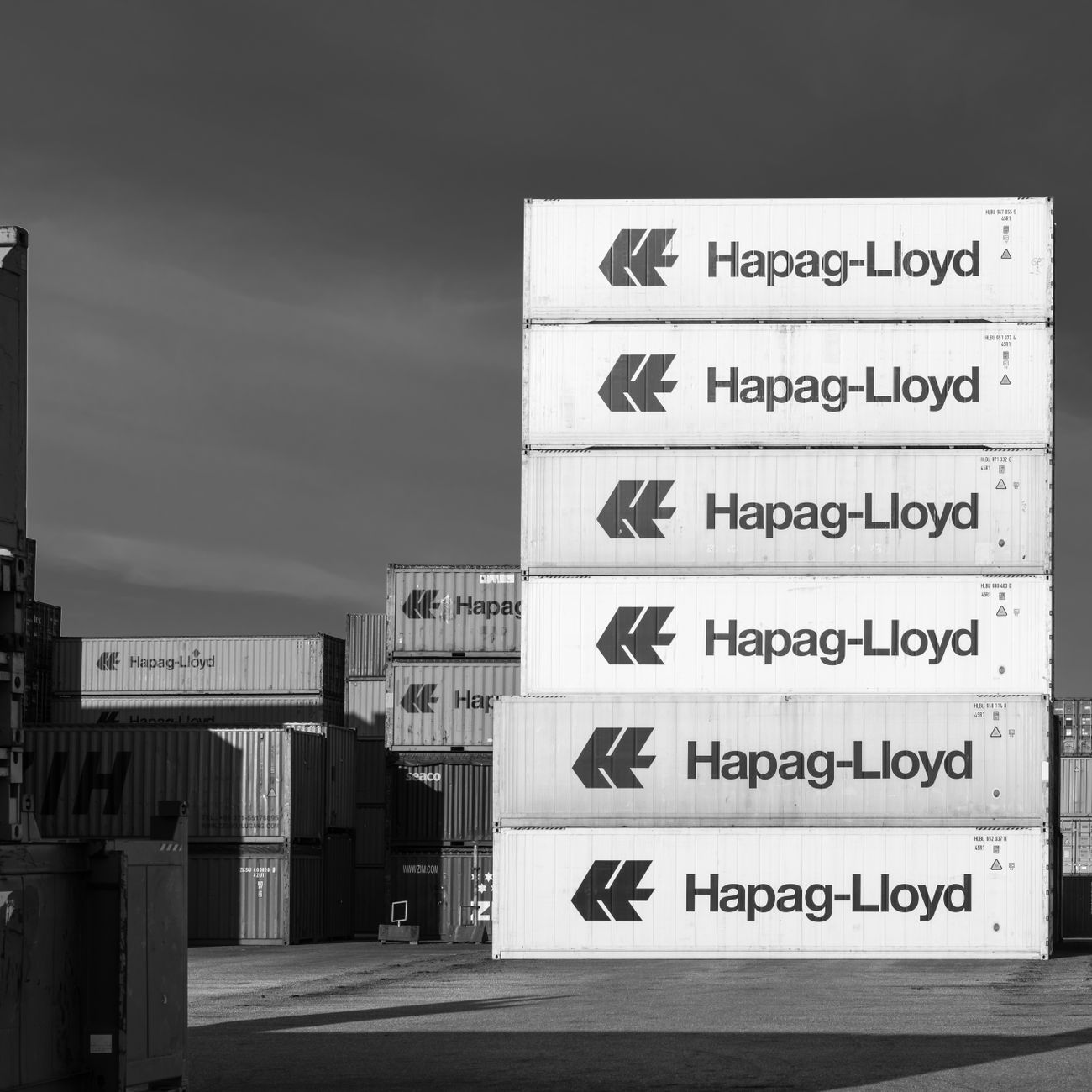
Transportation economics studies how the movement of people and goods influences the allocation of resources, the pricing of services, and the overall efficiency of economies. It integrates concepts from micro‑economics, macro‑economics, and public policy to explain why transport systems develop the way they do, how they can be improved, and what trade‑offs are involved. The following key terms and vocabulary are essential for anyone pursuing a professional certificate in international logistics and transportation. Each term is defined, illustrated with practical examples, and examined for its policy implications and challenges.
Supply and demand remain the foundational model for understanding market behavior in transport. Supply refers to the quantity of transport services (such as seats on a flight, container slots on a vessel, or truck capacity) that providers are willing to offer at various price levels. Demand reflects the willingness of shippers, passengers, and freight forwarders to purchase those services at given prices. For example, when a major sporting event draws large crowds to a city, the demand for airline seats and ground‑transport rides spikes, prompting airlines to increase fares and ride‑share companies to surge‑price. An understanding of how price changes shift both curves helps logisticians forecast volume fluctuations and negotiate contracts.
Price elasticity of demand measures the responsiveness of quantity demanded to a change in price. A high elasticity indicates that a small price increase leads to a large drop in shipments, while low elasticity suggests demand is relatively inelastic. Freight shipped by sea typically exhibits low elasticity because alternative modes (air, rail) are far more expensive for bulk cargo; thus, shippers absorb higher freight rates rather than switch modes. In contrast, passenger travel by high‑speed rail may be highly elastic, as travelers can quickly shift to buses or cars if fares rise. Recognizing elasticity aids policymakers when setting tariffs or taxes; a steep tax on a highly elastic market could cause a disproportionate decline in usage and revenue.
Marginal cost is the additional cost incurred by providing one more unit of transport service. In a trucking operation, marginal cost includes the extra fuel, driver overtime, and wear on tires for an additional mile. If the marginal cost of adding a container to a ship is lower than the revenue generated from that container, the carrier will accept the load. Conversely, if marginal cost exceeds marginal revenue, the carrier should reject the shipment to avoid losses. Accurate marginal cost calculations are crucial for revenue management systems that dynamically price seats or freight space.
Average cost spreads total costs over all units of output. For an airline, average cost per passenger seat includes fixed costs (aircraft purchase, maintenance, airport fees) divided by the total number of seats offered, plus variable costs (fuel, crew). When average cost falls as output rises, the firm enjoys economies of scale, which we explore next.
Economies of scale occur when increasing the size of operations reduces average cost. Larger vessels, for instance, can carry thousands of TEUs (twenty‑foot equivalent units) at a lower cost per container than smaller feeder ships because the fixed costs of crew, navigation, and port fees are spread over a greater volume. This principle explains why global shipping alliances form: By pooling capacity, they achieve lower per‑unit costs and become more competitive. However, economies of scale are not limitless; beyond a certain point, diseconomies may emerge.
Diseconomies of scale arise when expanding operations raises average cost. In rail freight, adding more trains to an already congested corridor can increase delays, requiring additional signaling upgrades and causing higher per‑ton costs. Similarly, an airport that expands runways without sufficient ancillary services (taxiways, terminals) may experience longer turnaround times, eroding the cost advantage of handling more flights. Recognizing the threshold where diseconomies set in helps planners design infrastructure that balances capacity and efficiency.
Fixed cost refers to expenses that do not vary with the level of output in the short run. Examples include lease payments for warehouses, depreciation of locomotives, and salaries of administrative staff. Fixed costs are crucial in break‑even analysis; a carrier must generate enough revenue to cover these costs before it can profit from additional shipments.
Variable cost changes directly with the volume of transport services. Fuel consumption, driver overtime, and loading labor are typical variable costs in trucking. For airlines, catering and in‑flight services are variable, as they depend on passenger numbers. Understanding the split between fixed and variable costs enables logistics managers to model profitability under different demand scenarios.
Network externalities occur when the value of a transport service to one user depends on the number of other users. A classic example is a rail network: As more stations are added, the system becomes more useful for all passengers because connections increase. Similarly, a digital freight platform becomes more valuable as more shippers and carriers join, creating a positive feedback loop. Policymakers often aim to promote network externalities through subsidies or infrastructure investments because they can generate broader economic benefits.
Congestion pricing is a demand‑management tool that charges higher fees during peak periods to discourage excess usage and alleviate traffic. Cities such as London and Singapore have implemented congestion charges for vehicles entering central zones, resulting in reduced travel times and lower emissions. In freight, time‑based tolls on busy highways can shift some shipments to off‑peak hours or to rail, thereby reducing overall congestion. The challenge lies in setting price levels that effectively manage demand without unduly burden essential goods carriers.
Public good describes a commodity that is non‑excludable and non‑rivalrous; one user’s consumption does not diminish another’s. Basic road infrastructure often approximates a public good because it is difficult to exclude users, and the marginal cost of an additional vehicle is low. However, when congestion becomes severe, the good turns rivalrous, necessitating pricing mechanisms or capacity expansion. Recognizing the public‑good nature of transport infrastructure justifies government funding and public‑private partnerships.
Merit good is a product that society believes should be provided regardless of individuals’ ability or willingness to pay. Safe, reliable public transit is considered a merit good because it promotes social equity, reduces pollution, and enhances mobility for low‑income households. Governments may subsidize merit goods to ensure universal access, even if market demand alone would not sustain them.
Cost‑benefit analysis (CBA) is a systematic method for evaluating the economic merits of a project by comparing its total expected costs with its total expected benefits, both expressed in monetary terms. In evaluating a new rail corridor, analysts would quantify construction costs, operating expenses, and environmental mitigation, while estimating benefits such as reduced travel time, lower accident rates, and increased freight capacity. CBA helps decision‑makers prioritize projects that deliver the greatest net social value.
Willingness to pay (WTP) measures the maximum amount a user would pay for a transport service or improvement. Surveys may ask passengers how much they would pay for a faster commuter rail line. WTP informs price setting and investment decisions; if the aggregate WTP exceeds project costs, the investment is considered economically viable. However, accurately gauging WTP can be challenging due to hypothetical bias and income effects.
User fees are charges levied directly on the consumers of a transport service, such as tolls, airport landing fees, or container handling charges. User fees align costs with usage, encouraging efficient consumption. For example, a toll bridge that charges vehicles per crossing generates revenue that can be reinvested in maintenance, reducing the need for general‑tax subsidies. The design of user fees must balance revenue generation with equity concerns, especially for low‑income users.
Tariffs in the context of international trade are duties imposed on imported or exported goods. While not a transport term per se, tariffs directly affect freight flows, as higher import duties can reduce the volume of goods shipped into a country, influencing carrier capacity planning. Understanding tariff structures is essential for logistics professionals who must anticipate customs costs and advise clients on cost‑effective routing.
Freight rates are the prices charged for moving cargo from origin to destination. Rates are influenced by distance, mode, weight, volume, fuel surcharges, and market conditions. Spot rates fluctuate daily based on supply‑demand imbalances, whereas contract rates provide stability over longer periods. Freight forwarders must monitor rate indices such as the Baltic Dry Index for bulk shipping or the Air Freight Index for air cargo to negotiate favorable terms for their clients.
Incoterms (International Commercial Terms) are standardized trade definitions published by the International Chamber of Commerce that specify the responsibilities of buyers and sellers regarding transportation, insurance, and customs clearance. For instance, FOB (Free On Board) places the risk on the seller until the goods cross the ship’s rail, after which the buyer assumes responsibility. Mastery of Incoterms is crucial for drafting contracts that allocate transport risk and cost appropriately.
Intermodal transport involves moving goods using two or more modes (e.G., Ship‑to‑rail‑to‑truck) without handling the cargo itself when switching modes. A container shipped from Shanghai to Chicago may travel by ocean vessel, then be transferred to a train, and finally delivered by truck. Intermodal transport leverages the strengths of each mode—sea for low‑cost bulk, rail for long‑distance efficiency, and truck for last‑mile flexibility. Key challenges include coordination among carriers, terminal capacity, and regulatory compliance across jurisdictions.
Modal split describes the proportion of total traffic that each transport mode carries within a defined region or corridor. Planners use modal split data to evaluate the effectiveness of policies aimed at shifting freight from road to rail or encouraging public transit use. For example, a city may aim to increase the rail share of commuter trips from 30 % to 45 % by investing in new lines and offering discounted fares. Tracking modal split helps assess whether investments achieve intended sustainability and congestion‑reduction goals.
Last‑mile delivery refers to the final leg of a product’s journey from a distribution hub to the end consumer. This segment is often the most expensive and least efficient part of the supply chain, especially in urban environments with traffic congestion and fragmented delivery points. Emerging solutions include micro‑fulfillment centers, crowdsourced delivery platforms, and autonomous delivery robots. Understanding last‑mile dynamics is vital for logistics firms seeking to improve service levels while controlling costs.
First‑mile logistics focuses on the initial movement of goods from the manufacturer to a consolidation point or hub. Efficient first‑mile operations can reduce overall lead times and inventory holding costs. For instance, a plant near a major port may use dedicated rail spurs to load containers directly onto ships, bypassing congested truck routes. Optimizing first‑mile processes often requires close coordination with suppliers and infrastructure providers.
Hub‑and‑spoke network is a system where traffic is routed through a central hub before reaching its final destination (the spokes). Airlines commonly use this design; passengers from smaller cities travel to a major hub where they connect to long‑haul flights. The hub‑and‑spoke model enables carriers to consolidate demand, achieve higher load factors, and reduce operating costs. However, it can increase travel time for passengers and create vulnerability if the hub experiences disruptions.
Point‑to‑point network connects origins directly to destinations without intermediate consolidation. Low‑cost airlines often adopt point‑to‑point routes to reduce connection times and increase frequency. In freight, dedicated truck lanes that run directly from a factory to a retailer’s distribution center exemplify point‑to‑point logistics. This model can improve speed and reliability but may require higher capacity and result in lower economies of scale.
Capacity in transportation denotes the maximum volume of passengers or cargo that a system can handle within a given time period. In maritime shipping, capacity is measured in TEUs; for rail, it is expressed in train‑kilometers; for highways, it is vehicles per hour. Capacity planning involves forecasting demand, evaluating seasonal peaks, and ensuring that infrastructure can accommodate growth without excessive congestion.
Utilization measures the extent to which available capacity is actually used. A container ship sailing at 80 % capacity is more efficient than one operating at 40 %. High utilization improves revenue per unit of fixed cost, but pushing utilization too high may increase the risk of delays and reduce flexibility. Managers must balance utilization goals with service reliability and resilience.
Load factor is a specific utilization metric for passenger transport, calculated as the ratio of revenue‑producing seats occupied to total seats available. Airlines aim for high load factors (often above 80 %) to spread fixed costs across many passengers. Low load factors signal overcapacity or weak demand, prompting airlines to adjust schedules, reduce frequencies, or retire aircraft.
Yield represents the average revenue earned per unit of transport service, such as revenue per passenger‑kilometer for airlines or revenue per tonne‑kilometer for freight. Yield management involves adjusting prices in response to demand fluctuations to maximize revenue. For example, airlines may increase fares as a flight fills, capturing higher willingness to pay from late‑booking passengers.
Revenue management is a systematic approach to selling the right product to the right customer at the right time for the right price. In transportation, it involves forecasting demand, segmenting markets, and dynamically pricing seats or cargo space. Advanced algorithms analyze historical booking patterns, weather forecasts, and competitor actions to set optimal fares. Effective revenue management can significantly boost profitability, but it requires sophisticated data analytics and real‑time monitoring.
Freight classification groups cargo based on characteristics such as weight, volume, value, and handling requirements. In trucking, the National Motor Freight Classification (NMFC) system assigns commodities to classes that determine rates. Hazardous goods, perishable items, and oversized loads each have specific handling protocols and cost structures. Accurate classification ensures compliance with regulations and appropriate pricing.
Customs duties are taxes levied on imported goods, calculated as a percentage of the declared value or based on weight/volume. They affect total landed cost and can influence transport mode choice. For high‑value electronics, a 10 % duty may make air freight more expensive relative to sea freight, prompting importers to reconsider shipment timing or seek duty‑drawback schemes.
Trade facilitation encompasses measures that simplify and streamline cross‑border movements, such as single‑window customs systems, pre‑clearance, and electronic documentation. Efficient trade facilitation reduces clearance times, lowers transaction costs, and improves supply‑chain reliability. The World Bank’s Trade Facilitation Indicator tracks progress across countries, highlighting best practices for logistics providers.
Regulatory framework defines the legal and institutional environment governing transport operations. It includes safety standards, emissions limits, licensing requirements, and competition rules. For example, the European Union’s “Regulation (EU) 2019/xxxx” sets CO₂ performance standards for new heavy‑duty trucks, compelling manufacturers to adopt cleaner technologies. Understanding the regulatory framework is essential for compliance and strategic planning.
Safety standards are technical specifications designed to protect passengers, workers, and the public. International Civil Aviation Organization (ICAO) standards for aircraft certification, International Maritime Organization (IMO) SOLAS conventions for ship safety, and Federal Motor Carrier Safety Administration (FMCSA) regulations for truck drivers exemplify safety regimes. Compliance incurs costs but also reduces accident risk, insurance premiums, and reputational damage.
Environmental impact assesses how transport activities affect natural resources, air quality, and climate change. Emissions of carbon dioxide, nitrogen oxides, and particulate matter are key indicators. Life‑cycle assessment (LCA) methods evaluate the total environmental footprint from vehicle production through operation to disposal. Policies such as emissions trading schemes (ETS) and carbon taxes internalize environmental costs, influencing carrier behavior.
Greenhouse gas emissions (GHG) from transport account for a significant share of global emissions, especially CO₂ from road and aviation. Quantifying GHG emissions enables companies to set reduction targets, report to stakeholders, and participate in carbon offset markets. For instance, a logistics firm may calculate that its fleet emits 50 kt of CO₂ annually and purchase verified offsets to achieve carbon neutrality.
Carbon pricing places a monetary cost on carbon emissions, either through a tax or a cap‑and‑trade system. The European Union Emissions Trading System (EU ETS) caps total emissions from aviation and heavy road transport, allowing firms to trade allowances. Carbon pricing incentivizes investment in low‑emission technologies, such as electric trucks or bio‑fuel‑compatible vessels, but also raises operating costs that must be managed.
Sustainability in transportation refers to meeting present mobility needs without compromising future generations’ ability to do the same. It encompasses economic viability, environmental stewardship, and social equity. Sustainable logistics strategies may include modal shift to rail, adoption of renewable fuels, and investment in public transit that reduces private car usage. Measuring sustainability often involves key performance indicators (KPIs) such as emission intensity, energy consumption per tonne‑kilometer, and modal share.
Resilience denotes the capacity of transport systems to absorb shocks, recover quickly, and adapt to new conditions. Natural disasters, cyber‑attacks, and pandemics expose vulnerabilities. A resilient supply chain might maintain alternative routing options, buffer inventory, and employ digital twins for scenario planning. Building resilience often requires redundancy, which can increase costs, so trade‑offs must be carefully evaluated.
Risk management involves identifying, assessing, and mitigating potential adverse events that could disrupt transport operations. Risks include geopolitical instability, fuel price volatility, regulatory changes, and equipment failures. Tools such as scenario analysis, insurance contracts, and hedging strategies help firms manage exposure. For example, a carrier may hedge fuel prices using futures contracts to stabilize operating costs.
Infrastructure financing covers the methods used to fund the construction, operation, and maintenance of transport assets. Common sources include government budgets, sovereign wealth funds, multilateral development bank loans, and private investment. The choice of financing influences project risk allocation and long‑term cost recovery. In many emerging economies, limited fiscal space drives reliance on public‑private partnerships.
Public‑private partnership (PPP) is a collaborative arrangement where government entities and private firms share responsibilities for delivering infrastructure projects. PPP models vary, ranging from design‑build‑operate (DBO) to build‑operate‑transfer (BOT). In a BOT contract, a private consortium builds a toll road, operates it for a concession period to recover investment, and then transfers ownership to the state. PPPs can leverage private sector efficiency but require robust contracts to protect public interests.
Concession grants a private operator the right to provide a service or manage an asset for a defined period, often in exchange for revenue collection rights. A rail operator may receive a concession to run commuter services, collect fares, and maintain tracks, while the government retains ownership of the infrastructure. Concession agreements must balance profitability with service quality standards.
Toll is a fee charged for the use of a specific piece of infrastructure, such as a bridge, tunnel, or highway. Tolls generate revenue for maintenance and debt service. Variable tolling—where rates change based on time of day or vehicle type—can influence traffic patterns and promote modal shift. However, tolls can be regressive if not offset by exemptions for essential freight carriers.
Subsidy is a financial contribution from the government to support a transport activity that would otherwise be under‑provided. Subsidies may aim to promote equity (e.G., Reduced fares for low‑income riders), environmental goals (e.G., Incentives for electric buses), or regional development (e.G., Air service to remote communities). While subsidies can achieve policy objectives, they may also distort market signals and create fiscal burdens.
Distortionary effect describes the unintended consequences of policy instruments that alter natural market outcomes. For instance, a fuel tax intended to curb emissions may disproportionately affect long‑haul truckers, leading to higher freight costs and potential supply‑chain disruptions. Policymakers must weigh distortionary effects against desired benefits and consider compensatory measures.
Market failure occurs when free markets do not allocate resources efficiently, often due to externalities, public‑good characteristics, or information asymmetry. Transportation markets frequently experience failures: Congestion creates negative externalities, while underinvestment in rural roads reflects the public‑good nature of infrastructure. Government intervention—through regulation, taxation, or direct provision—is justified to correct these failures.
Monopoly describes a market situation where a single firm supplies a transport service without viable competition. Natural monopolies arise in infrastructure‑intensive sectors like railways or ports, where duplication of assets is inefficient. Regulatory bodies often impose price caps or service obligations on monopolistic operators to protect consumers.
Oligopoly refers to a market dominated by a few large firms, each with significant market power. Airline markets in many regions exhibit oligopolistic characteristics, with a handful of carriers controlling major routes. Oligopolies can lead to collusive behavior, such as coordinated pricing, which regulators monitor to prevent anti‑competitive outcomes.
Competition drives efficiency, innovation, and lower prices in transport markets. Liberalization policies—such as opening domestic air routes to foreign carriers—aim to increase competition. However, competition must be balanced against safety and security considerations, especially in aviation and maritime sectors.
Deregulation involves removing government controls to allow market forces to determine prices and service levels. The U.S. Airline deregulation of 1978 is a landmark case that led to increased route choices, lower fares, and the rise of low‑cost carriers. Nonetheless, deregulation can also produce volatility, prompting the need for oversight mechanisms.
Liberalization expands market access by reducing barriers to entry, foreign ownership limits, and restrictive licensing. In the European Union, the “Fourth Railway Package” liberalized cross‑border rail services, fostering competition and integration. Liberalization requires harmonized standards and robust supervisory bodies to ensure a level playing field.
Demand management encompasses strategies that influence the quantity and timing of transport usage, rather than merely expanding supply. Measures include congestion pricing, parking restrictions, and incentives for off‑peak travel. Effective demand management can defer costly capacity expansions and improve environmental outcomes.
Incentive mechanisms reward desirable behavior, such as using low‑emission vehicles or consolidating shipments. For example, a city may offer tax credits to freight operators that deploy electric trucks. Incentives must be carefully designed to avoid unintended consequences, such as shifting emissions to other regions.
Tax is a compulsory levy imposed by governments to raise revenue. Transport‑related taxes include fuel excise duties, vehicle registration fees, and carbon taxes. Taxes can be structured to internalize external costs (e.G., A CO₂ tax) or to fund public infrastructure (e.G., A gasoline tax earmarked for road maintenance).
Levy is a specific type of tax or fee, often applied to a particular activity. A congestion levy, for instance, charges drivers for entering a downtown zone during peak hours. Levies can be targeted to achieve behavioral change while generating dedicated funds for transport projects.
Congestion charge is a specific levy applied to vehicles in high‑traffic areas during peak periods. London’s congestion charge has reduced traffic volumes by roughly 15 % and cut emissions. Implementing a congestion charge requires sophisticated monitoring technologies, such as Automatic Number‑Plate Recognition (ANPR) cameras, and public communication strategies to ensure compliance.
Low‑emission zone (LEZ) restricts access to areas for vehicles that do not meet defined emission standards. LEZs encourage fleet renewal and the adoption of cleaner technologies. Enforcement typically relies on roadside monitoring and fines for non‑compliant vehicles. Challenges include ensuring that freight operators have viable alternatives for delivering goods within the zone.
Technology adoption in transportation includes the integration of digital tools, automation, and data analytics to improve efficiency. Examples range from electronic logging devices (ELDs) for driver hours of service to blockchain platforms that provide end‑to‑end visibility of cargo provenance. Adoption rates vary across modes, with air cargo often leading in technology uptake due to high value and time sensitivity.
Digitalization transforms traditional paper‑based processes into electronic formats, enabling faster communication, real‑time tracking, and data‑driven decision making. In customs clearance, electronic single‑window systems allow shippers to submit all required documents online, reducing clearance times from days to hours. Digitalization also raises cybersecurity concerns, necessitating robust protection measures.
Telematics combines telecommunications and informatics to monitor vehicle location, speed, fuel consumption, and driver behavior. Fleet managers use telematics to optimize routes, reduce idle time, and enforce safety policies. Data from telematics can be aggregated to inform city‑wide traffic management and support demand‑management initiatives.
Intelligent transport systems (ITS) integrate information and communication technologies into transport infrastructure and vehicles to improve safety, efficiency, and mobility. Examples include adaptive traffic signal control, real‑time passenger information displays, and collision‑avoidance systems. ITS deployment requires coordination among multiple stakeholders, including government agencies, technology providers, and operators.
Big data analytics extracts insights from large, complex datasets generated by sensors, transaction records, and social media. In logistics, big data can predict congestion hotspots, forecast demand spikes, and optimize inventory levels. However, data quality, privacy regulations, and the need for skilled analysts present implementation challenges.
Blockchain offers a decentralized ledger that records transactions immutably, enabling transparent and secure sharing of supply‑chain information. In maritime shipping, blockchain platforms can streamline document exchange, reduce fraud, and accelerate payment cycles. Adoption is still early, with issues around standardization and scalability to be resolved.
Autonomous vehicles (AVs) are self‑driving transport units capable of operating without human intervention. In freight, autonomous trucks promise reduced labor costs, increased safety, and higher utilization. Pilot projects have demonstrated platooning—where multiple AVs travel closely together—to improve fuel efficiency. Regulatory frameworks, liability concerns, and public acceptance remain major hurdles.
Drones provide aerial delivery options for small, time‑critical parcels, especially in remote or congested urban areas. Companies have experimented with drone‑based medical supply delivery to islands and disaster zones. Limitations include payload capacity, weather sensitivity, air‑space regulations, and public safety concerns.
Cold‑chain logistics manages temperature‑sensitive goods such as pharmaceuticals, fresh produce, and meat. Maintaining a continuous refrigerated environment requires specialized containers, real‑time temperature monitoring, and compliance with food safety standards. Breakdowns in the cold chain can lead to product spoilage, financial loss, and reputational damage.
Warehousing involves the storage of goods before they are distributed to final destinations. Modern warehouses employ automation technologies such as robotic picking, automated guided vehicles (AGVs), and warehouse management systems (WMS) to increase throughput and accuracy. Strategic location of warehouses near major transport hubs reduces last‑mile costs.
Inventory turnover measures how often inventory is sold and replaced over a period, indicating the efficiency of stock management. High turnover reduces holding costs and risk of obsolescence, but may increase the need for frequent replenishment shipments. Balancing turnover with service level targets is a core logistics challenge.
Just‑in‑time (JIT) production minimizes inventory by synchronizing material deliveries with production schedules. JIT reduces storage costs and waste, but heightens vulnerability to supply‑chain disruptions. A factory that relies on JIT may need robust contingency plans, such as multiple sourcing or safety stock, to mitigate risk.
Safety stock is extra inventory held to protect against demand variability or supply delays. Calculating appropriate safety stock levels requires statistical analysis of demand forecasts and lead‑time distributions. Excessive safety stock ties up capital, while insufficient safety stock can cause stockouts and lost sales.
Reverse logistics manages the flow of products from consumer back to the manufacturer or a recycling facility. This includes returns, refurbishments, and disposal. Effective reverse logistics can recover value, reduce waste, and support circular‑economy objectives. Challenges involve handling diverse product conditions, coordinating collection networks, and complying with environmental regulations.
Circular economy emphasizes keeping products and materials in use for as long as possible, extracting maximum value before recovery and regeneration. In transportation, circular‑economy principles may involve designing vehicles for easier disassembly, recycling components, and utilizing end‑of‑life batteries for energy storage. Policies such as extended producer responsibility (EPR) incentivize manufacturers to adopt circular practices.
Carbon offset is a credit purchased to compensate for emissions produced elsewhere, often by supporting projects that reduce or sequester greenhouse gases. Logistics firms may buy offsets to achieve carbon‑neutral shipping claims. The credibility of offsets depends on verification standards, additionality, and permanence of the underlying projects.
Emission intensity quantifies the amount of pollutants released per unit of activity, such as grams of CO₂ per tonne‑kilometer. Tracking emission intensity helps companies benchmark performance, set reduction targets, and report to stakeholders. A reduction in emission intensity can be achieved through fleet upgrades, route optimization, and modal shift.
Renewable fuels include bio‑diesel, ethanol, and hydrogen produced from renewable energy sources. Adoption of renewable fuels can lower lifecycle GHG emissions for transport. However, fuel availability, infrastructure compatibility, and cost competitiveness influence the pace of adoption.
Energy efficiency measures the ratio of useful work output to energy input. In transport, improving fuel economy of trucks, enhancing aerodynamic design of ships, or implementing regenerative braking in rail systems are ways to increase energy efficiency. Energy‑efficiency improvements often yield cost savings, making them attractive to operators.
Supply‑chain visibility refers to the ability to track and monitor goods as they move through the logistics network. Real‑time visibility enables proactive exception handling, improved customer communication, and better inventory management. Technologies such as IoT sensors, GPS tracking, and cloud‑based platforms enhance visibility but require data integration and security safeguards.
Freight forwarder acts as an intermediary that coordinates the movement of cargo on behalf of shippers, handling documentation, customs clearance, and carrier selection. Forwarders add value by consolidating shipments, negotiating better rates, and providing expertise on regulatory compliance. Their role is especially critical in complex, multimodal supply chains.
Carrier is an entity that provides transport services, such as airlines, shipping lines, rail operators, or trucking firms. Carriers own or lease the assets needed to move goods and passengers. Understanding carrier cost structures, service reliability, and network coverage is essential for logistics planning.
Freight forwarder‑carrier relationship often involves contractual agreements, such as spot contracts for individual shipments or long‑term service agreements. Negotiating terms that balance flexibility with price stability helps shippers manage risk while securing capacity when needed.
Freight index tracks the price movement of freight services over time, providing a benchmark for contract negotiations and market analysis. The Baltic Dry Index (BDI) reflects global demand for bulk shipping, while the Shanghai Containerized Freight Index (SCFI) monitors container rates on major Asian routes. Index volatility can signal shifts in global trade patterns.
Spot market refers to the purchase or sale of transport services for immediate execution, as opposed to contracted forward bookings. Spot rates are subject to rapid fluctuations driven by supply‑demand imbalances, seasonal peaks, and unexpected events. Shippers often turn to the spot market for urgent shipments or when contracted capacity is insufficient.
Contract market involves longer‑term agreements that lock in rates and capacity for a specified period, providing predictability for both carriers and shippers. Contractual arrangements can include volume commitments, performance penalties, and flexibility clauses. Negotiating favorable contract terms requires market intelligence and demand forecasting.
Freight forwarder’s bill of lading is a legal document that serves as a receipt for cargo, a contract of carriage, and a document of title. It outlines the terms under which the carrier agrees to transport goods, including liability limits and routing instructions. Accurate completion of the bill of lading is critical to avoid disputes and customs delays.
Incoterm‑based risk allocation determines at which point the responsibility for loss or damage transfers from seller to buyer. For example, under CIF (Cost, Insurance, Freight), the seller bears risk until the goods reach the destination port, after which the buyer assumes responsibility. Selecting appropriate Incoterms aligns risk with the party best equipped to manage it.
Customs broker assists importers and exporters in complying with customs regulations, preparing documentation, and paying duties. Brokers play a pivotal role in reducing clearance times and avoiding penalties. Their expertise is especially valuable for complex shipments involving multiple jurisdictions or restricted goods.
Trade agreement (e.G., NAFTA, EU Single Market) reduces or eliminates tariffs and harmonizes standards among member countries, facilitating smoother cross‑border flows. Such agreements often include provisions on transport facilitation, such as mutual recognition of vehicle standards, which can lower compliance costs for logistics providers.
Transit time is the total duration a shipment spends in transit from origin to destination, including loading, travel, and unloading. Minimizing transit time is a key performance metric, particularly for time‑sensitive goods like perishable food or high‑value electronics. Trade‑off analysis may compare faster, more expensive modes against slower, lower‑cost alternatives.
Lead time encompasses the entire period from order placement to delivery, including order processing, production, and transportation. Accurate lead‑time estimation enables better inventory planning and customer commitment. Factors influencing lead time include carrier reliability, customs clearance speed, and congestion levels.
Freight forwarder’s network refers to the web of agents, partners, and carriers a forwarder collaborates with to provide global coverage. A well‑developed network allows forwarders to offer door‑to‑door services, manage local regulations, and respond quickly to disruptions. Investing in network relationships is a strategic priority for forwarders seeking competitive advantage.
Transport policy instrument is a tool used by governments to influence transport behavior, such as subsidies, taxes, regulations, or information campaigns. Selecting the appropriate instrument depends on policy goals (e.G., Reducing congestion, lowering emissions) and the specific market context. Mixed‑instrument approaches often yield the best results.
Vehicle‑kilometer travelled (VKT) quantifies the total distance covered by a fleet of vehicles, serving as a basis for estimating emissions, wear, and infrastructure usage. VKT data informs road‑maintenance budgeting and environmental impact assessments. Accurate measurement may rely on GPS data, fuel receipts, or traffic surveys.
Freight‑kilometer measures the movement of one tonne of cargo over one kilometer. This metric is central to evaluating the efficiency of freight transport modes and calculating emission factors. For instance, rail typically achieves lower freight‑kilometer emissions than road transport due to higher load factors and lower energy consumption per tonne.
Modal interchange occurs when cargo transfers from one mode to another, such as from ship to rail at a port terminal. Efficient modal interchange requires well‑designed terminals, synchronized schedules, and compatible handling equipment.
Key takeaways
- It integrates concepts from micro‑economics, macro‑economics, and public policy to explain why transport systems develop the way they do, how they can be improved, and what trade‑offs are involved.
- For example, when a major sporting event draws large crowds to a city, the demand for airline seats and ground‑transport rides spikes, prompting airlines to increase fares and ride‑share companies to surge‑price.
- Freight shipped by sea typically exhibits low elasticity because alternative modes (air, rail) are far more expensive for bulk cargo; thus, shippers absorb higher freight rates rather than switch modes.
- If the marginal cost of adding a container to a ship is lower than the revenue generated from that container, the carrier will accept the load.
- For an airline, average cost per passenger seat includes fixed costs (aircraft purchase, maintenance, airport fees) divided by the total number of seats offered, plus variable costs (fuel, crew).
- Larger vessels, for instance, can carry thousands of TEUs (twenty‑foot equivalent units) at a lower cost per container than smaller feeder ships because the fixed costs of crew, navigation, and port fees are spread over a greater volume.
- Similarly, an airport that expands runways without sufficient ancillary services (taxiways, terminals) may experience longer turnaround times, eroding the cost advantage of handling more flights.