
Supply Chain Risk Management
Supply Chain Risk Management (SCRM) is the systematic process of identifying, assessing, and mitigating risks that could disrupt the flow of goods, information, and finances across a global network. Understanding the terminology is essentia…
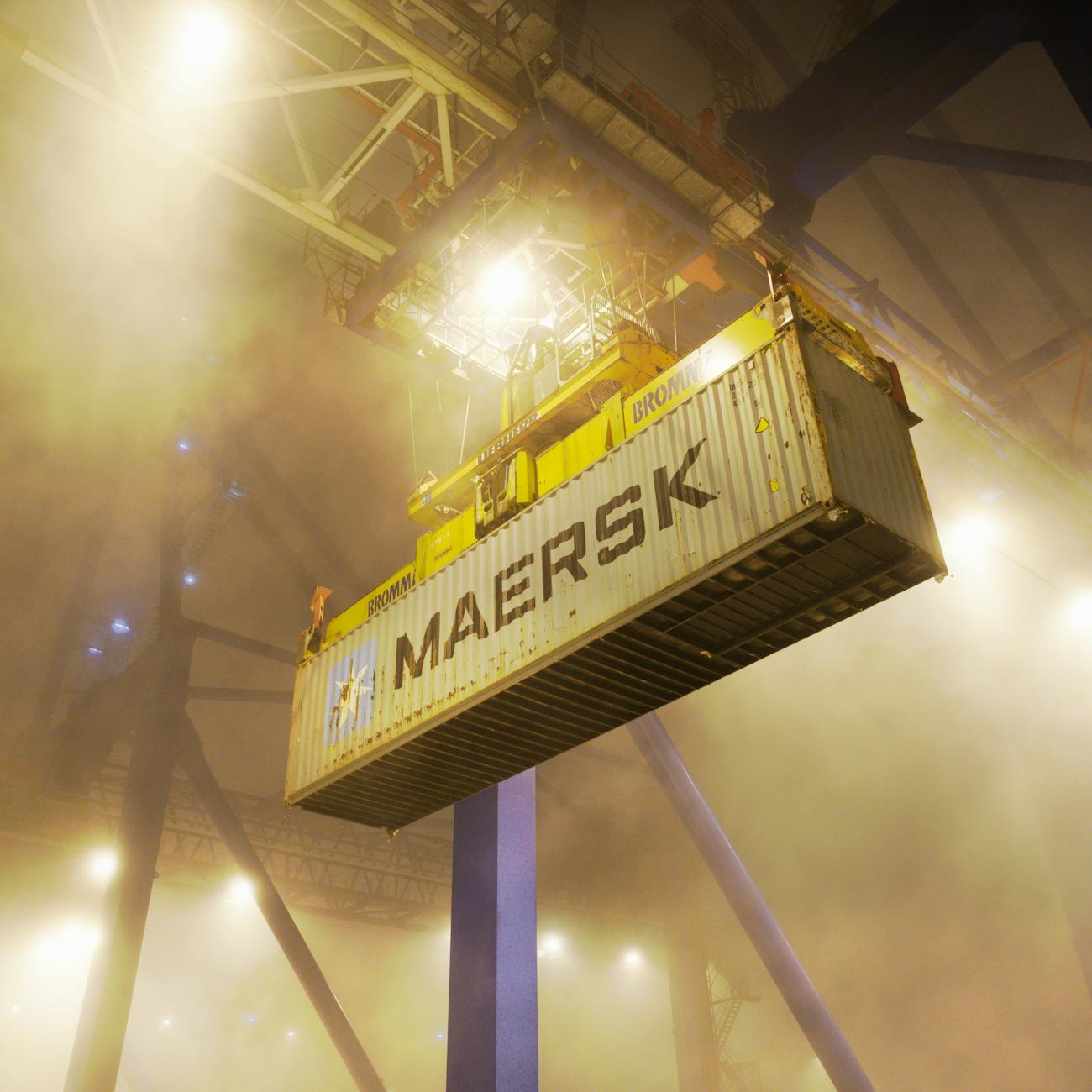
Supply Chain Risk Management (SCRM) is the systematic process of identifying, assessing, and mitigating risks that could disrupt the flow of goods, information, and finances across a global network. Understanding the terminology is essential for professionals who design, operate, and protect supply chains that span multiple borders, regulatory regimes, and market conditions. The following glossary provides detailed explanations of the most important terms, accompanied by examples, practical applications, and common challenges. Each definition is crafted to be learner‑friendly, allowing students to quickly grasp concepts and see how they fit into real‑world logistics and transportation scenarios.
Risk refers to the possibility that an event will occur and adversely affect objectives. In supply chain contexts, risk is often expressed as the product of probability and impact. For instance, a hurricane striking a coastal port has a low probability in some regions but a high impact on container throughput, creating a significant risk that must be managed.
Risk Exposure is the aggregate level of risk that a supply chain faces at a given time. It combines all identified risks, weighted by their likelihood and severity. Companies calculate exposure to prioritize resources, much like an insurance company evaluates premium levels based on the total risk it assumes.
Risk Assessment is the analytical process of evaluating the probability and impact of each identified risk. It typically involves data collection, scenario analysis, and the use of tools such as risk matrices or Monte Carlo simulations. A practical example is a manufacturer that conducts a risk assessment of its key suppliers to determine whether any single supplier accounts for more than 30 % of critical components, thereby representing a concentration risk.
Risk Identification is the first step in the risk management cycle, where potential threats are listed. Techniques include brainstorming sessions, Delphi studies, cause‑and‑effect diagrams, and review of historical disruption data. An example is a logistics provider that maps out all routes from a warehouse to end customers, then identifies geopolitical, climatic, and infrastructure risks associated with each route.
Risk Mitigation involves actions taken to reduce either the probability or the impact of a risk, or both. Mitigation strategies can be structural—such as building additional warehouse capacity—or procedural—like establishing alternate routing protocols. For instance, a retailer might mitigate the risk of a single‑source supplier failure by qualifying a secondary supplier in a different country.
Risk Transfer is the shifting of risk ownership to another party, usually through contracts, insurance, or outsourcing. An example is a company purchasing political risk insurance to protect against expropriation of assets in a volatile market, thereby transferring the financial burden of that specific threat to the insurer.
Risk Acceptance occurs when an organization decides to retain a risk because the cost of mitigation outweighs the potential loss, or because the risk falls within an acceptable tolerance level. A small e‑commerce firm may accept the risk of occasional delayed deliveries during peak holiday seasons, recognizing that the cost of adding extra transportation capacity would not be justified.
Supply Chain Resilience describes the ability of a supply chain to anticipate, prepare for, respond to, and recover from disruptions. Resilience is built through redundancy, flexibility, visibility, and collaboration. For example, a resilient supply chain might maintain safety stock at strategic locations, use multiple transportation modes, and have real‑time tracking systems that alert managers to potential delays.
Disruption is any unplanned event that interrupts the normal flow of goods, information, or finances. Disruptions can be short‑term, such as a traffic accident causing a single truck delay, or long‑term, such as a prolonged trade embargo that forces a complete redesign of sourcing strategies.
Vulnerability refers to the susceptibility of a supply chain component to a particular risk. A vulnerable node is one where a disruption would cause disproportionate damage. An example of vulnerability is a single, high‑capacity port that handles 80 % of a company's container imports; any blockage at that port creates a high‑impact vulnerability.
Threat is the source of potential harm. Threats can be natural (earthquakes, floods), human‑made (cyber‑attacks, labor strikes), or systemic (regulatory changes, market volatility). Understanding the nature of each threat helps tailor appropriate mitigation measures.
Probability is the likelihood that a specific risk event will occur within a defined timeframe. It can be expressed qualitatively (low, medium, high) or quantitatively (percentage, frequency). For instance, the probability of a severe snowstorm in a northern European hub might be estimated as 5 % per year based on historical weather data.
Impact measures the consequence of a risk event on supply chain performance. Impact can be financial (lost revenue), operational (reduced service level), or reputational (brand damage). A cyber‑attack that shuts down an order‑processing system could have a high financial impact due to lost sales and a high reputational impact if customers experience prolonged outages.
Risk Matrix is a visual tool that plots probability against impact to prioritize risks. Risks in the high‑probability/high‑impact quadrant demand immediate attention, while low‑probability/low‑impact risks may be monitored. Many organizations use a 3 × 3 or 5 × 5 matrix to simplify decision‑making.
Scenario Planning involves developing detailed narratives about how future events could unfold, then analyzing the implications for the supply chain. A company might create scenarios for a sudden increase in oil prices, a shift in trade tariffs, or a pandemic, then test its network design against each scenario.
Contingency Planning is the development of specific actions to be taken when a risk materializes. Contingency plans often include alternate suppliers, backup transportation routes, and communication protocols. For example, a multinational electronics firm may have a contingency plan that activates a secondary manufacturing site in the event of a factory shutdown due to a local labor dispute.
Business Continuity Planning (BCP) extends beyond supply chain concerns to the entire organization. BCP ensures that critical business functions can continue during and after a disruptive event. In logistics, BCP might involve establishing a temporary command center, securing alternative warehousing, and maintaining critical IT systems on redundant servers.
Supply Chain Visibility denotes the ability to track and monitor inventory, shipments, and processes in real time across the entire network. Visibility tools—such as Transportation Management Systems (TMS), Warehouse Management Systems (WMS), and IoT sensors—enable early detection of potential disruptions. A retailer with end‑to‑end visibility can quickly reroute a shipment if a customs hold is identified.
Supply Chain Mapping is the process of creating a detailed diagram of all entities, flows, and relationships in a supply chain. Mapping uncovers hidden dependencies, such as sub‑tier suppliers that may be located in high‑risk regions. A thorough map might reveal that a critical component is sourced from a single factory in a country prone to political unrest, prompting the company to diversify its supply base.
Supplier Risk Management focuses on assessing and managing risks associated with suppliers. This includes financial health checks, compliance audits, and monitoring of operational performance. A practical application is the use of a supplier scorecard that tracks on‑time delivery, quality defects, and financial ratios, allowing firms to flag at‑risk suppliers early.
Third‑Party Risk Management expands the focus to all external partners—logistics providers, customs brokers, and IT service providers. Third‑party risk can be particularly acute when a partner’s failure cascades downstream. An example is a 3PL that experiences a labor strike, leading to delayed deliveries for all its clients.
Regulatory Risk stems from changes in laws, standards, or trade policies that affect supply chain operations. This can include customs duties, export controls, environmental regulations, and labor standards. Companies mitigate regulatory risk by maintaining compliance teams, engaging in policy advocacy, and designing flexible processes that can adapt quickly to new rules.
Geopolitical Risk involves the potential for political events—such as elections, sanctions, or conflicts—to disrupt supply chains. For instance, a sudden embargo on a country that houses a key supplier can force a firm to source from higher‑cost alternatives, affecting margins. Mitigation strategies include geographic diversification and scenario analysis.
Financial Risk covers currency fluctuations, credit exposure, and liquidity constraints. A company importing raw materials priced in euros while earning revenue in U.S. Dollars may face exchange‑rate risk. Hedging instruments like forward contracts or options can be employed to lock in exchange rates and reduce financial volatility.
Operational Risk relates to internal processes, systems, and human error. Examples include warehouse mis‑picks, IT system outages, or inadequate demand forecasting. Operational risk is often mitigated through process standardization, automation, and continuous improvement methodologies such as Six Sigma.
Strategic Risk arises from high‑level decisions that affect the overall direction of the supply chain. Choosing a single sourcing strategy for cost savings may create strategic risk if market conditions change. Companies address strategic risk by maintaining flexibility in their network design and regularly reviewing strategic assumptions.
Environmental Risk encompasses natural hazards (earthquakes, floods, hurricanes) and longer‑term climate change effects. For example, rising sea levels threaten low‑lying ports, prompting firms to evaluate the future viability of existing hub locations. Adaptation measures may include investing in climate‑resilient infrastructure or shifting volumes to inland ports.
Cyber Risk refers to threats to information systems that support supply chain operations. A ransomware attack on an ERP system can halt order processing, inventory updates, and shipment tracking. Mitigation includes robust cybersecurity frameworks, regular patching, employee training, and incident response plans.
Supply Chain Complexity denotes the degree of interdependence, number of nodes, and variability within a network. High complexity can amplify risk because disruptions can propagate quickly across many connections. Companies often simplify networks by consolidating suppliers, reducing SKU variety, or standardizing transportation modes.
Lead Time is the elapsed time from order placement to delivery of goods. Short lead times can reduce exposure to demand variability but may increase reliance on rapid transportation, which can be more expensive or vulnerable to capacity constraints. Understanding lead‑time variability is key for inventory planning and risk assessment.
Safety Stock is extra inventory held to buffer against demand spikes or supply delays. The amount of safety stock is calculated based on service level targets, demand variability, and lead‑time uncertainty. While safety stock reduces stockout risk, it also ties up capital and increases holding costs, illustrating the trade‑off inherent in risk mitigation.
Buffer Capacity refers to excess production or transportation capability that can be activated when demand surges or a disruption occurs. A manufacturer may maintain a secondary production line that can be ramped up within days, providing a buffer against unexpected spikes in orders.
Redundancy is the deliberate duplication of critical resources—such as multiple suppliers, parallel transportation routes, or duplicate IT systems—to ensure continuity. Redundancy increases resilience but also raises costs. The optimal level of redundancy is determined through risk‑cost analysis.
Flexibility describes the ability to adapt quickly to changes in demand, supply, or external conditions. Flexible manufacturing systems, modular product designs, and dynamic routing capabilities are examples. Flexibility can be enhanced by cross‑training staff, using multi‑modal transport options, and implementing agile planning tools.
Agility is closely related to flexibility but emphasizes speed of response. An agile supply chain can reconfigure its network, switch suppliers, or change transportation modes within hours. Real‑time data, cloud‑based planning platforms, and strong collaborative relationships are enablers of agility.
Resilience Index is a composite metric that quantifies a supply chain’s ability to withstand disruptions. It may combine factors such as redundancy, visibility, flexibility, and risk exposure. Companies use the index to benchmark performance and track improvements over time.
Risk Appetite defines the level of risk an organization is willing to accept in pursuit of its objectives. A high risk appetite may lead to aggressive cost‑reduction strategies, while a low appetite encourages extensive risk mitigation investments. Establishing a clear risk appetite guides decision‑making across the supply chain.
Risk Tolerance is the acceptable deviation from risk appetite for specific risk categories. For example, a firm may tolerate higher financial risk in exchange for lower operational risk, reflecting strategic priorities.
Key Performance Indicator (KPI) is a measurable value used to evaluate the effectiveness of supply chain processes. In risk management, KPIs may include “percentage of orders delivered on time after a disruption,” “average time to activate contingency plans,” or “frequency of supplier audits.”
Key Risk Indicator (KRI) is a metric that signals increasing exposure to a particular risk. KRIs are early warning signs; examples include “percentage of inventory held at a single port,” “number of critical suppliers in high‑risk regions,” or “frequency of cyber‑security incidents.” Monitoring KRIs enables proactive mitigation.
Risk Register is a centralized repository that documents identified risks, their assessments, mitigation actions, owners, and status. The register is a living document that is regularly updated as new risks emerge or existing risks evolve.
Risk Owner is the individual or team responsible for managing a specific risk, including developing mitigation strategies and monitoring progress. Assigning clear ownership ensures accountability and timely action.
Risk Communication involves sharing risk information with internal stakeholders, partners, and sometimes external audiences. Effective communication ensures that decision‑makers understand the nature of threats, the rationale behind mitigation actions, and the expected outcomes.
Risk Culture describes the attitudes, values, and behaviors that influence how an organization perceives and manages risk. A strong risk culture encourages reporting of near‑misses, continuous learning, and collaboration across functions.
Supply Chain Segmentation is the practice of grouping customers, products, or markets based on risk characteristics, service requirements, or profitability. Segmentation allows firms to apply differentiated risk‑management approaches. High‑value, high‑risk customers may receive dedicated inventory buffers, while low‑risk segments are served with leaner processes.
Network Design involves determining the optimal location and capacity of facilities, distribution centers, and transportation links. Risk‑aware network design incorporates disruption scenarios, such as the loss of a hub, to ensure that alternative routes and facilities can sustain service levels.
Location Risk assesses the vulnerability of a facility’s geographic position to hazards such as earthquakes, floods, or political instability. Companies often conduct geospatial risk analyses to select site locations that balance cost, market access, and risk exposure.
Transportation Mode Risk evaluates the susceptibility of different transport options (air, sea, rail, road) to disruptions. Air freight offers speed but may be vulnerable to airport closures or airspace restrictions; sea freight is cost‑effective but can be delayed by port congestion or piracy.
Capacity Risk arises when demand exceeds the available production or transportation capacity, leading to bottlenecks. Seasonal peaks, sudden market shifts, or supply shortages can trigger capacity risk. Mitigation may involve flexible labor contracts, overtime, or temporary warehousing.
Demand Forecasting Risk stems from inaccuracies in predicting future demand, which can cause overstock or stockout situations. Forecasting risk is heightened in volatile markets, new product launches, or during macro‑economic shocks. Companies employ advanced analytics, machine learning, and collaborative forecasting to reduce this risk.
Inventory Turnover measures how quickly inventory is sold and replaced. Low turnover can indicate excess stock, while high turnover may signal insufficient safety stock, each carrying distinct risk implications.
Stockout occurs when inventory is insufficient to meet customer demand. Stockouts generate lost sales, erode customer trust, and can trigger downstream disruptions. Managing stockout risk involves balancing safety stock, lead‑time variability, and demand forecasting accuracy.
Backorder is an order placed for a product that is temporarily out of stock, to be fulfilled later. High backorder levels indicate supply constraints and can increase customer dissatisfaction. Companies mitigate backorder risk through supplier diversification and flexible production scheduling.
Supply Chain Finance includes mechanisms such as factoring, reverse factoring, and dynamic discounting that influence cash flow and financial risk. For example, reverse factoring can improve a supplier’s liquidity, reducing the likelihood of a supplier failure due to cash constraints.
Supplier Diversification is the strategy of engaging multiple suppliers for the same component or service. Diversification reduces concentration risk, but it can increase management complexity and cost. Companies often categorize suppliers into primary, secondary, and tertiary tiers to balance risk and efficiency.
Single‑Source Supplier is a supplier that provides 100 % of a particular component. While single sourcing can lower procurement costs and simplify logistics, it creates high concentration risk. Risk mitigation may involve developing a backup supplier or establishing strategic stockpiles.
Multi‑Sourcing involves procuring the same component from several suppliers, often located in different regions. Multi‑sourcing enhances resilience, especially when suppliers are in distinct risk zones. However, it may increase procurement overhead and require more extensive quality control.
Dual‑Sourcing is a specific form of multi‑sourcing where exactly two suppliers are used. Dual‑sourcing balances risk reduction with manageable supplier coordination. It is common in industries where component criticality is high but cost pressures limit the number of viable suppliers.
Supplier Audits are systematic reviews of a supplier’s processes, quality systems, and compliance. Audits can be on‑site or remote, and they help identify hidden risks such as poor labor practices, inadequate safety standards, or financial instability.
Supplier Scorecard aggregates performance metrics—on‑time delivery, quality, cost, and risk indicators—into a single rating. Scorecards enable objective comparison of suppliers and inform risk‑based decision‑making.
Supply Chain Mapping Software provides digital tools to visualize and analyze the network. Features may include geospatial risk overlays, tier‑level tracing, and scenario simulation. Using mapping software, a company can quickly identify that a key electronic component passes through a high‑risk customs checkpoint.
Geospatial Risk Analysis applies geographic information system (GIS) data to evaluate hazards such as flood zones, seismic activity, and political unrest. Companies integrate GIS data with supply chain maps to prioritize risk mitigation investments.
Monte Carlo Simulation is a statistical technique that runs thousands of random scenarios to estimate the probability distribution of outcomes. In supply chain risk, Monte Carlo can model the combined effect of demand variability, lead‑time fluctuations, and disruption probabilities on service levels.
Decision Tree Analysis visualizes possible decision pathways and their associated risks, costs, and benefits. Decision trees help managers compare options such as “invest in a new warehouse” versus “increase safety stock” under different disruption scenarios.
Value‑at‑Risk (VaR) quantifies the maximum expected loss over a specified time horizon at a given confidence level. While more common in finance, VaR can be adapted to supply chain contexts to estimate the financial impact of a severe disruption.
Scenario‑Based Stress Testing evaluates how a supply chain would perform under extreme but plausible conditions, such as a pandemic or a sudden embargo. Stress testing reveals hidden vulnerabilities and informs contingency planning.
Business Impact Analysis (BIA) assesses the consequences of a disruption on critical business functions. BIA identifies recovery time objectives (RTOs) and recovery point objectives (RPOs) for each function, guiding the development of appropriate continuity measures.
Recovery Time Objective (RTO) is the target time within which a business process must be restored after a disruption to avoid unacceptable consequences. For a logistics operation, an RTO of 24 hours might be set for the order‑fulfillment system.
Recovery Point Objective (RPO) defines the maximum tolerable data loss measured in time. An RPO of four hours means that data backups must be performed at least every four hours to meet recovery requirements.
Incident Management is the coordinated response to a disruption, including detection, escalation, resolution, and post‑incident review. Effective incident management reduces downtime and captures lessons for future risk mitigation.
Root‑Cause Analysis (RCA) investigates the underlying reasons for a failure or disruption. Techniques such as the “5 Whys” or fishbone diagrams help uncover systemic issues rather than treating symptoms.
Continuous Improvement is an ongoing effort to enhance processes, often using methodologies like Lean, Six Sigma, or Kaizen. Continuous improvement reduces operational risk by eliminating waste, standardizing procedures, and fostering a culture of proactive problem solving.
Lean Management seeks to maximize value while minimizing waste. While lean reduces inventory costs, it can increase vulnerability to demand spikes, highlighting the need for balanced risk considerations.
Six Sigma focuses on reducing process variation to achieve near‑perfect quality. By lowering defect rates, Six Sigma mitigates quality‑related risk and improves overall supply chain reliability.
Supply Chain Collaboration involves sharing information, resources, and risks with partners across the value chain. Collaborative planning, forecasting, and replenishment (CPFR) improve forecast accuracy and reduce the bullwhip effect, thereby lowering risk.
Information Sharing is a key component of collaboration. Real‑time exchange of inventory levels, demand forecasts, and production schedules enables partners to anticipate disruptions and adjust plans accordingly.
Joint Risk Management extends collaboration to jointly identify, assess, and mitigate risks. For example, a manufacturer and its logistics provider may develop a shared contingency plan for port closures, aligning their response actions and communication protocols.
Contractual Risk Allocation uses legal agreements to assign responsibility for specific risks. Clauses such as “force majeure,” “indemnity,” and “liquidated damages” clarify who bears the cost of disruptions and under what circumstances.
Force Majeure is a contractual provision that relieves parties from liability when an extraordinary event—such as war, natural disaster, or pandemic—prevents performance. Understanding the scope of force majeure clauses helps companies anticipate potential gaps in coverage.
Indemnity Clause obligates one party to compensate the other for losses arising from specified risks. For instance, a shipping contract may include an indemnity for cargo damage caused by carrier negligence.
Liquidated Damages set a predetermined amount payable if a party fails to meet contractual obligations, such as delivery deadlines. While intended to enforce performance, liquidated damages can also create financial risk if they are set too high.
Insurance is a primary risk‑transfer mechanism. Types of insurance relevant to supply chain risk include cargo insurance, political risk insurance, business interruption insurance, and cyber‑risk insurance. Selecting appropriate coverage requires a clear understanding of the underlying exposures.
Cargo Insurance protects against loss or damage to goods in transit. Policies may be “all‑risk” or limited to specific perils such as theft or fire. Understanding policy exclusions is essential to avoid uncovered gaps.
Political Risk Insurance covers losses stemming from government actions, such as expropriation, currency inconvertibility, or trade restrictions. Companies operating in unstable regions often purchase this insurance to safeguard investments.
Business Interruption Insurance compensates for lost revenue when operations are halted by a covered event. For supply chains, it can cover the cost of idle production lines, extra transportation, or accelerated inventory replenishment.
Cyber‑Risk Insurance addresses financial losses from cyber‑attacks, data breaches, and system downtime. As supply chains become increasingly digitized, cyber‑risk insurance is gaining prominence as part of comprehensive risk management.
Supply Chain Risk Dashboard consolidates KPIs, KRIs, and real‑time alerts into a visual interface for senior management. Dashboards enable rapid identification of emerging threats and facilitate data‑driven decision‑making.
Early Warning System (EWS) utilizes data feeds—such as weather forecasts, geopolitical news, and market price movements—to flag potential disruptions before they materialize. An effective EWS can trigger pre‑emptive actions, such as re‑routing shipments ahead of a predicted storm.
Data Analytics applies statistical methods and machine learning to extract insights from large datasets. In risk management, analytics can predict supplier failure probabilities, forecast demand volatility, and optimize safety‑stock levels.
Artificial Intelligence (AI) enhances risk prediction by identifying complex patterns that human analysts might miss. AI‑driven demand forecasting models can improve accuracy, reducing the risk of stockouts or excess inventory.
Internet of Things (IoT) devices—such as temperature sensors, GPS trackers, and vibration monitors—provide real‑time data on the condition and location of assets. IoT data improves visibility and enables rapid response to conditions like refrigerated container temperature excursions.
Blockchain offers immutable, shared records of transactions, improving traceability and trust across the supply chain. While still emerging, blockchain can reduce risk related to counterfeit goods, fraudulent documentation, and lack of transparency.
Digital Twin creates a virtual replica of a physical supply chain network, allowing simulation of disruption scenarios without impacting real operations. Digital twins help test the impact of route closures, capacity changes, or demand spikes in a risk‑free environment.
Supply Chain Risk Maturity Model assesses an organization’s capabilities across dimensions such as governance, processes, technology, and culture. The model provides a roadmap for progressing from ad‑hoc risk handling to integrated, strategic risk management.
Governance refers to the structures, policies, and oversight mechanisms that guide risk management activities. Effective governance ensures alignment with corporate strategy, clear accountability, and compliance with regulations.
Policy Framework outlines the principles and rules governing risk identification, assessment, mitigation, and reporting. A well‑defined policy framework provides consistency across business units and geographic regions.
Risk Register Review is a periodic activity—often quarterly—to update risk status, reassess probability and impact, and verify mitigation progress. Regular reviews keep the register current and ensure that emerging risks are captured.
Stakeholder Engagement involves communicating with internal and external parties—such as senior leadership, operational staff, suppliers, and customers—to gather input, align expectations, and secure support for risk initiatives.
Change Management addresses the human and procedural aspects of implementing risk‑mitigation actions. Successful change management reduces resistance, ensures proper training, and embeds new practices into daily operations.
Training and Competency Development equips staff with the knowledge and skills to recognize, assess, and respond to risks. Training programs may cover topics such as emergency response, cyber‑security awareness, and supplier audit techniques.
Compliance Management ensures adherence to laws, regulations, and internal standards. Non‑compliance can itself be a source of risk, leading to fines, reputational damage, or operational shutdowns.
Regulatory Audits are formal examinations by government agencies or third‑party auditors to verify compliance. Preparing for audits reduces the risk of penalties and helps identify gaps in processes.
Supply Chain Ethics encompasses responsible sourcing, labor standards, environmental stewardship, and anti‑corruption practices. Ethical lapses can generate significant reputational risk and lead to consumer boycotts.
Corporate Social Responsibility (CSR) initiatives often intersect with risk management, as socially responsible practices can mitigate long‑term sustainability risks. For example, sourcing from certified sustainable forests reduces the risk of supply chain disruptions due to regulatory bans on illegal timber.
Environmental, Social, and Governance (ESG) Risk captures the broader set of sustainability‑related exposures. Investors increasingly evaluate ESG performance, making ESG risk a strategic consideration for supply chain leaders.
Supply Chain Visibility Platforms integrate data from ERP, TMS, WMS, and external sources to provide a unified view of inventory, shipments, and orders. Visibility platforms enable rapid detection of anomalies, such as unexpected delays at a customs checkpoint.
Transportation Management System (TMS) optimizes routing, carrier selection, and freight payment. A robust TMS can incorporate risk parameters—like carrier reliability scores or weather forecasts—into optimization algorithms.
Warehouse Management System (WMS) controls inventory storage, picking, and shipping processes. WMS data feeds into risk models to assess inventory levels, pick accuracy, and the impact of warehouse disruptions.
Enterprise Resource Planning (ERP) integrates finance, procurement, production, and distribution data. ERP serves as the backbone for risk‑related reporting, providing the financial impact calculations for potential disruptions.
Supplier Relationship Management (SRM) tools facilitate ongoing communication, performance tracking, and collaborative planning with suppliers. SRM systems can store risk‑related data, such as audit results and financial health indicators.
Third‑Party Logistics (3PL) Provider offers outsourced logistics services, including transportation, warehousing, and freight forwarding. Engaging a 3PL introduces third‑party risk, which must be managed through contracts, performance monitoring, and joint risk assessments.
Freight Forwarder coordinates international shipping, handling documentation, customs clearance, and carrier selection. Freight forwarder risk includes compliance errors, carrier reliability, and geopolitical exposure.
Customs Brokerage assists with import/export clearance, tariff classification, and duty payment. Errors in customs brokerage can cause delays, fines, or seizure of goods, representing a distinct risk category.
Port Congestion occurs when a port’s capacity is insufficient to handle arriving vessels, leading to delays and increased demurrage costs. Companies mitigate port‑congestion risk by diversifying entry points, pre‑booking berth slots, or using inland container depots.
Demurrage is a charge assessed when cargo remains at a terminal beyond the allotted free time. Demurrage risk can erode profit margins, especially during periods of high congestion or labor disputes.
Labor Relations Risk arises from potential strikes, work stoppages, or collective bargaining actions. Industries with strong unions—such as automotive manufacturing or rail transport—must monitor labor negotiations closely.
Political Sanctions restrict trade with designated countries, entities, or individuals. Sanctions risk requires rigorous screening of customers and suppliers to avoid inadvertent violations that could result in fines or loss of market access.
Trade Tariff Risk relates to changes in duties imposed on imported or exported goods. A sudden increase in tariffs can raise product cost, impacting pricing strategies and profit margins. Companies often employ tariff‑classification reviews and free‑trade‑agreement (FTA) utilization to mitigate this risk.
Currency Exchange Risk (also known as foreign‑exchange risk) emerges when transactions involve multiple currencies. Fluctuations can affect the cost of imported components or the revenue from exported goods. Hedging instruments such as forward contracts, options, and swaps are common mitigation tools.
Credit Risk pertains to the possibility that a buyer or partner will default on payment obligations. Credit risk assessment includes evaluating credit scores, payment histories, and financial statements. Trade credit insurance can transfer this risk to an insurer.
Liquidity Risk reflects the inability to meet short‑term financial obligations due to cash‑flow constraints. In supply chains, liquidity risk can arise from delayed customer payments, high inventory holding costs, or unexpected expense spikes during a disruption.
Strategic Supplier Risk focuses on the risk associated with suppliers that provide critical, high‑value, or highly differentiated components. Strategic suppliers often have limited alternatives, making them a focal point for risk‑mitigation programs.
Operational Supplier Risk concerns day‑to‑day performance issues such as delivery reliability, quality defects, and capacity constraints. Monitoring operational risk involves tracking on‑time delivery percentages, defect rates, and capacity utilization.
Supply Chain Risk Dashboard (repeated for emphasis) aggregates these metrics into a single view, enabling executives to quickly gauge overall risk posture and prioritize actions.
Risk‑Based Sourcing aligns supplier selection decisions with risk considerations, not solely cost. Companies may accept a higher unit price from a low‑risk supplier if the overall risk exposure is reduced.
Dynamic Re‑Routing uses real‑time data to alter transportation paths in response to emerging conditions such as traffic congestion, weather events, or carrier unavailability. Dynamic re‑routing reduces the impact of transportation‑related risks.
Cross‑Docking is a logistics practice where inbound shipments are directly transferred to outbound carriers without long‑term storage. Cross‑docking can reduce inventory holding time, but it requires precise coordination and visibility to avoid disruption.
Just‑In‑Time (JIT) inventory strategy minimizes stock levels by delivering components precisely when needed. While JIT reduces carrying costs, it heightens exposure to supply disruptions, making risk assessment essential before implementation.
Just‑In‑Case (JIC) is the converse strategy, maintaining higher inventory buffers to protect against supply variability. JIC increases resilience but raises inventory costs, requiring a cost‑benefit analysis.
Hybrid Inventory Strategy blends JIT and JIC principles, applying each where appropriate based on risk assessment. For example, a company may use JIT for low‑risk components and JIC for high‑risk, mission‑critical parts.
Demand Variability denotes fluctuations in customer demand over time. High demand variability increases forecasting risk and may necessitate larger safety stocks or more flexible production capacity.
Supply Variability captures fluctuations in supplier performance, lead times, or raw‑material availability. Managing supply variability involves supplier development, buffer capacity, and flexible sourcing.
Lead‑Time Variability measures the inconsistency of delivery times. Reducing lead‑time variability improves service levels and reduces the need for safety stock. Techniques such as vendor‑managed inventory (VMI) can help stabilize lead times.
Vendor‑Managed Inventory (VMI) transfers inventory responsibility to the supplier, who monitors usage and replenishes stock as needed. VMI can improve fill rates and reduce stockouts, but it requires strong trust and data sharing.
Collaborative Planning, Forecasting, and Replenishment (CPFR) is a structured approach where supply chain partners jointly develop forecasts and replenishment plans. CPFR reduces the bullwhip effect, improves forecast accuracy, and mitigates risk of excess inventory.
Risk‑Based Pricing incorporates risk considerations into pricing decisions. Suppliers may charge a premium for high‑risk deliveries (e.G., Expedited shipping during a storm) to compensate for additional exposure.
Service Level Agreement (SLA) defines performance expectations between parties, such as delivery time, order accuracy, and response time. SLAs can include penalties for non‑performance, encouraging partners to prioritize risk mitigation.
Key Performance Indicator (KPI) for Risk examples include “average time to recover from a disruption,” “percentage of suppliers with a business continuity plan,” and “frequency of supply chain incidents per quarter.”
Key Risk Indicator (KRI) for Logistics examples include “percentage of shipments routed through high‑risk ports,” “number of carrier contracts without performance clauses,” and “ratio of single‑source to multi‑source components.”
Risk‑Adjusted Return on Investment (RA‑ROI) evaluates the profitability of risk‑mitigation projects by factoring in the expected reduction in loss. RA‑ROI helps prioritize investments such as building a backup warehouse versus purchasing insurance.
Cost‑Benefit Analysis (CBA) compares the costs of mitigation actions with the benefits derived from reduced risk exposure. A CBA may reveal that adding a secondary supplier costs $200 k annually but prevents potential losses of $2 M in a disruption scenario.
Scenario Planning Workshops bring together cross‑functional teams to develop narratives for potential disruptions. Workshop outcomes feed into risk registers and contingency plans, ensuring organization‑wide alignment.
Risk Heat Map visualizes risks on a matrix of likelihood versus impact, using color gradients to highlight critical areas. Heat maps aid in communicating risk priorities to senior leadership.
Supply Chain Risk Scorecard aggregates multiple risk dimensions—financial, operational, geopolitical—into a single composite score. The scorecard can be benchmarked against industry peers to assess relative risk posture.
Risk Culture Assessment surveys employee attitudes toward risk reporting, openness, and responsibility. A positive risk culture encourages proactive identification of near‑miss events, which can be analyzed to prevent future incidents.
Learning Organization continuously captures lessons from disruptions and integrates them into processes. By institutionalizing knowledge capture, organizations improve resilience over time.
Key takeaways
- Supply Chain Risk Management (SCRM) is the systematic process of identifying, assessing, and mitigating risks that could disrupt the flow of goods, information, and finances across a global network.
- For instance, a hurricane striking a coastal port has a low probability in some regions but a high impact on container throughput, creating a significant risk that must be managed.
- Companies calculate exposure to prioritize resources, much like an insurance company evaluates premium levels based on the total risk it assumes.
- A practical example is a manufacturer that conducts a risk assessment of its key suppliers to determine whether any single supplier accounts for more than 30 % of critical components, thereby representing a concentration risk.
- An example is a logistics provider that maps out all routes from a warehouse to end customers, then identifies geopolitical, climatic, and infrastructure risks associated with each route.
- Mitigation strategies can be structural—such as building additional warehouse capacity—or procedural—like establishing alternate routing protocols.
- An example is a company purchasing political risk insurance to protect against expropriation of assets in a volatile market, thereby transferring the financial burden of that specific threat to the insurer.