
International Trade Finance And Insurance
Letter of Credit (LC) is a written commitment issued by a bank on behalf of the importer that guarantees payment to the exporter, provided that the exporter presents documents that strictly comply with the terms of the LC. The LC is a corne…
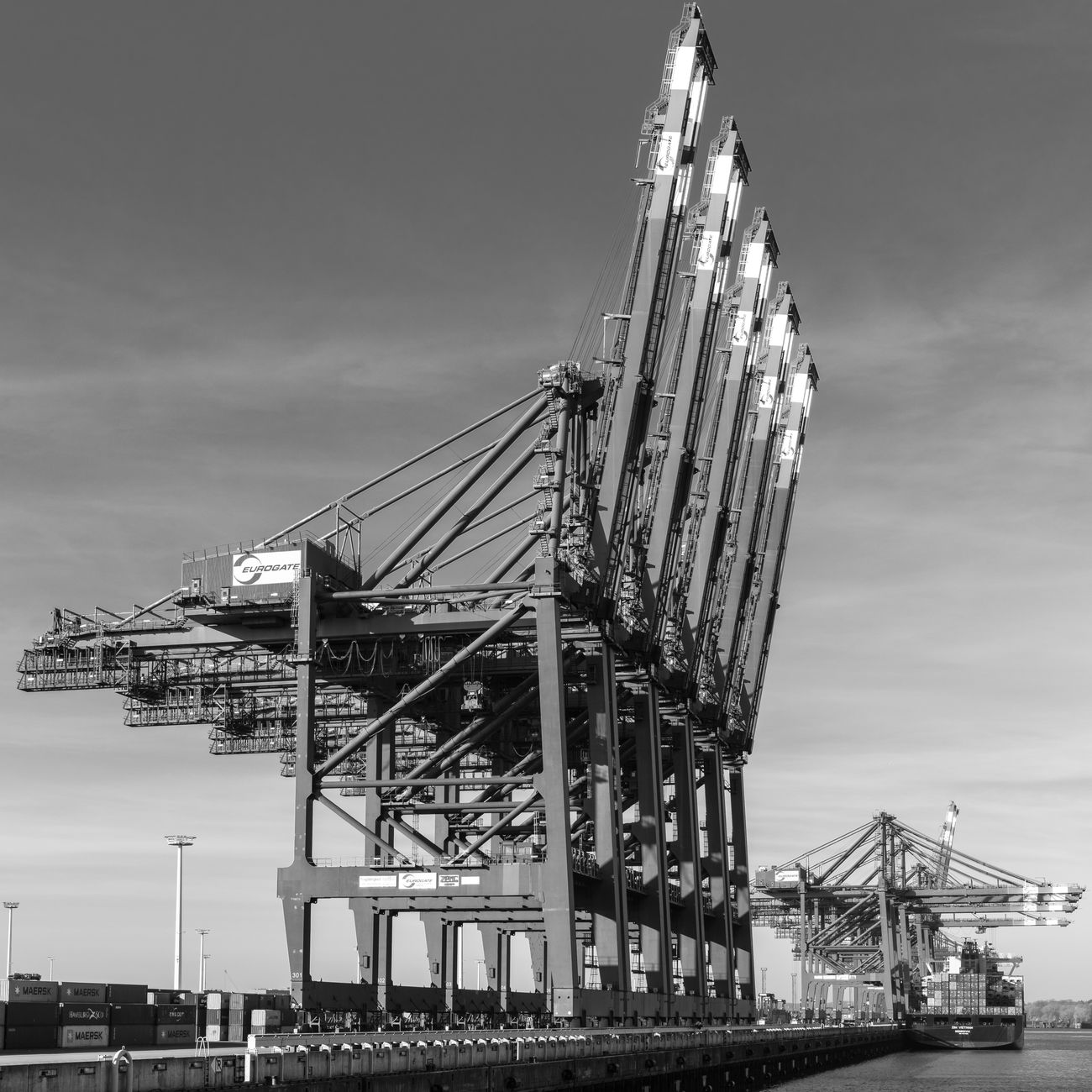
Letter of Credit (LC) is a written commitment issued by a bank on behalf of the importer that guarantees payment to the exporter, provided that the exporter presents documents that strictly comply with the terms of the LC. The LC is a cornerstone of international trade finance because it shifts payment risk from the seller to a reputable financial institution. For example, a manufacturer in Vietnam exporting steel to a buyer in Germany may require a irrevocable LC issued by a German bank. The exporter ships the goods, obtains the required shipping documents, and presents them to the advising bank. Once the documents are verified, the bank pays the exporter, usually within a few days. Challenges arise when documents contain minor discrepancies, such as a date format that does not match the LC wording; banks often reject such presentations, causing delays and potential loss of the transaction.
Documentary Credit is another term for a letter of credit, emphasizing the documentary nature of the instrument. The documents typically include a commercial invoice, bill of lading, insurance certificate, and inspection report. The requirement that the documents be “clean” and “conforming” means that any deviation, even a small typographical error, can be grounds for refusal. Exporters therefore invest heavily in document preparation and may employ specialized trade finance consultants to ensure compliance.
Sight Draft is a demand for payment that becomes payable upon presentation to the drawee, usually the buyer’s bank. When a sight draft is drawn under an LC, the exporter can receive payment immediately after the bank verifies the documents. In contrast, a Time Draft (or usance draft) specifies a future payment date, such as 30, 60, or 90 days after acceptance. The choice between sight and time drafts affects cash flow; exporters seeking immediate liquidity prefer sight drafts, while buyers may negotiate time drafts to align payment with their own receivable cycles.
Bank Guarantee is a promise by a bank to fulfill a financial obligation on behalf of a client if that client fails to meet the terms of a contract. Guarantees are often required in construction projects, infrastructure contracts, and large equipment sales. For instance, a shipbuilder in South Korea may be required to provide a performance guarantee to a shipping line in the United Kingdom. If the shipbuilder fails to deliver the vessel on schedule, the bank will compensate the shipping line up to the guaranteed amount. The guarantee reduces the risk of non‑performance and can be a decisive factor in winning competitive bids.
Standby Letter of Credit (SBLC) functions as a safety net rather than a primary payment method. It is activated only if the applicant defaults on its obligations. An SBLC is commonly used in long‑term contracts where the buyer’s creditworthiness is uncertain. For example, a renewable‑energy developer in Brazil may request an SBLC from its local bank to assure a European equipment supplier that payment will be made even if the project financing is delayed. The supplier can then ship turbines with confidence, knowing that the SBLC can be drawn upon if the buyer fails to pay.
Export Credit refers to financing provided by a bank or a specialized export credit agency (ECA) to support the sale of domestic goods and services abroad. ECAs such as the Export‑Import Bank of the United States or the UK Export Finance agency offer loan guarantees, direct loans, and insurance to mitigate political and commercial risks. By leveraging export credit, exporters can offer more attractive payment terms, such as extended repayment periods, without exposing themselves to excessive credit risk. However, compliance with ECA guidelines, which often include strict end‑use monitoring and reporting, adds a layer of administrative complexity.
Factoring is a financing arrangement in which a business sells its accounts receivable to a third‑party factor at a discount. The factor assumes the collection risk and provides immediate cash, usually 70‑90 % of the invoice value. Factoring is especially useful for exporters who have long payment terms, such as 90‑day open‑account arrangements. By converting receivables into cash, the exporter can reinvest in production or secure additional inventory. The factor’s service fee typically ranges from 1‑3 % of the invoice, plus interest on the cash advance. A challenge for exporters is the need to disclose customer information to the factor, which may raise confidentiality concerns.
Forfaiting is the purchase of medium‑ to long‑term receivables (often 1‑5 years) at a discount by a forfaiter, who then assumes the full credit and political risk. Forfaiting is usually applied to capital‑intensive exports such as heavy machinery, aircraft, or large‑scale construction equipment. The exporter signs a promissory note with the buyer, and the forfaiter purchases the note, providing cash upfront. This arrangement frees the exporter from the complexities of managing long‑term credit lines and from exposure to currency fluctuations. The forfaiter’s discount rate reflects the risk profile of the buyer’s country and the tenor of the note.
Working Capital denotes the short‑term financing needed to cover day‑to‑day operational expenses, such as raw material purchases, payroll, and logistics costs. In international trade, working capital is often secured through revolving credit facilities, trade‑related loans, or supply‑chain financing programs. A manufacturer that imports components on a 30‑day credit term but sells finished goods on a 60‑day term will experience a cash‑flow gap, requiring working‑capital support. Effective working‑capital management involves forecasting cash inflows and outflows, negotiating favorable payment terms, and utilizing trade‑finance tools to bridge timing mismatches.
Receivables are amounts owed to a business by its customers for goods or services already delivered. In the context of export trade, receivables can be represented by commercial invoices, bills of exchange, or promissory notes. The quality of receivables—often measured by the creditworthiness of the buyers—directly influences the cost of financing. High‑quality receivables from reputable multinational corporations typically attract lower financing spreads, whereas receivables from emerging‑market buyers may require higher risk premiums or additional credit insurance.
Bills of Exchange (BoE) are negotiable instruments that order the drawee (usually the buyer’s bank) to pay a specified sum to the holder at a predetermined date. A BoE can be drawn “at sight” for immediate payment or “usance” for deferred payment. The instrument must be endorsed to be transferred, allowing the exporter to sell the bill to a bank or a factoring company. In many jurisdictions, the BoE enjoys legal protection under the Uniform Commercial Code or the Bills of Exchange Act, providing a reliable method for securing payment across borders.
Incoterms are standardized trade terms published by the International Chamber of Commerce that define the responsibilities of buyers and sellers regarding delivery, risk transfer, and cost allocation. The most widely used Incoterms include EXW (Ex Works), FOB (Free on Board), CIF (Cost, Insurance, and Freight), DAP (Delivered at Place), and DDP (Delivered Duty Paid). Understanding Incoterms is essential for structuring contracts, calculating landed costs, and assigning insurance obligations. For instance, under CIF, the seller must arrange and pay for marine cargo insurance, while under FOB the buyer assumes insurance after the goods cross the ship’s rail. Misinterpretation of Incoterms can lead to disputes over who bears loss or damage during transit.
Marine Cargo Insurance protects the physical goods against loss or damage while in transit by sea, air, or land. The coverage can be “all‑risk” (broadest) or based on “named perils” (specific risks such as fire, piracy, or collision). The policy typically includes a “total loss” clause, which covers both partial and total loss scenarios. The insured party—usually the exporter or the buyer, depending on the Incoterm—pays a premium calculated as a percentage of the cargo value, often ranging from 0.1 % To 0.5 % Of the insured sum. A common challenge is the “average clause,” which limits compensation to the proportion of loss relative to the total insured value, potentially reducing payouts in the event of partial loss.
Institute Cargo Clauses (ICC) are a series of standard clauses that define the extent of coverage in marine cargo policies. The most comprehensive is Clause A – All Risks, which covers loss or damage from any external cause except those expressly excluded. Clause B – With Average provides coverage for partial loss, while Clause C – With “Particular Average” limits the insurer’s liability to a defined percentage of the cargo value, typically 75 %. Clause D – War Risks is a separate endorsement that adds protection against war, piracy, and related perils. Selecting the appropriate ICC clause is crucial for aligning insurance protection with the risk profile of the shipment.
Hull Insurance covers physical damage to a vessel itself, rather than the cargo it carries. While hull insurance is primarily the responsibility of ship owners, charterers may require proof of hull coverage before accepting a vessel for a voyage. In some cases, a charterer may purchase a “Hull and Machinery” policy that also includes equipment and onboard stores. The premium is influenced by the vessel’s age, type, flag state, and trading area. For example, a vessel operating in high‑risk piracy zones may face higher hull premiums and may need to purchase additional war‑risk coverage.
P&I Club (Protection and Indemnity) is a mutual maritime insurance association that provides liability coverage for ship owners and operators. P&I clubs cover third‑party liabilities such as crew injury, environmental pollution, and cargo loss caused by the vessel. Membership in a reputable P&I club is often a prerequisite for obtaining charter contracts, as charterers seek assurance that the vessel’s owner has adequate liability protection. The club’s underwriting process evaluates the ship’s safety record, crew training, and compliance with international conventions, influencing the cost of liability coverage.
War Risk Insurance is a specialized policy that covers loss or damage resulting from war, civil unrest, terrorism, or piracy. War risk coverage is usually purchased as an endorsement to a standard marine cargo policy, because most “all‑risk” policies exclude war‑related perils. The premium for war risk insurance varies dramatically based on the geographic corridor, the duration of the voyage, and the political stability of the origin and destination ports. For shipments traversing the Gulf of Aden, where piracy incidents are frequent, a war‑risk premium of 0.2 % To 0.5 % Of cargo value is typical. Failure to secure war‑risk coverage can result in uncovered losses if an incident occurs.
Political Risk Insurance protects exporters and investors against non‑commercial risks such as expropriation, currency inconvertibility, sovereign default, and transfer restrictions. Export credit agencies and private insurers, such as Euler Hermes or Coface, offer political risk policies that can be tailored to specific transactions. For example, a Canadian exporter of agricultural machinery to a developing country may purchase political risk insurance to safeguard against abrupt changes in import regulations or sudden devaluation of the local currency. The underwriting process assesses the country’s stability, legal framework, and historical claims experience, influencing the policy’s premium and coverage limits.
Export Credit Agency (ECA) is a government‑backed institution that provides financing, guarantees, and insurance to support national exporters. ECAs play a pivotal role in high‑value, high‑risk transactions by offering risk mitigation tools that private banks may be unwilling to provide. The United States’ Export‑Import Bank (EXIM) and Germany’s Euler‑Hermes are prominent examples. ECAs often require that the exporter demonstrate a “positive net benefit” to the domestic economy, such as job creation or technology transfer, before approving a financial support package. While ECAs reduce financing costs, they also impose compliance obligations, including reporting on the use of funds and adherence to export control regulations.
Export Insurance is a product that shields exporters from commercial and political losses. Commercial export insurance covers buyer default, while political export insurance covers non‑commercial events. The coverage can be purchased on a per‑transaction basis or as a portfolio policy covering multiple shipments over a period. Premiums are calculated based on the buyer’s credit rating, the country risk, and the amount of coverage. An exporter of textile goods to multiple Asian markets may opt for a portfolio policy to simplify administration and achieve economies of scale. The insurer may require the exporter to follow certain risk‑mitigation practices, such as obtaining a confirmed LC or conducting buyer credit assessments.
Credit Risk is the possibility that a buyer will fail to meet its payment obligations. In international trade, credit risk is amplified by distance, language barriers, and differing legal systems. Exporters assess credit risk through buyer credit reports, trade references, and country risk analyses. Tools such as credit scoring models and syndicated credit reports help quantify the probability of default. Mitigating credit risk often involves using trade‑finance instruments—such as LCs, SBLCs, or export credit guarantees—that shift the risk to a bank or insurer. However, reliance on these instruments introduces additional costs, such as fees and higher financing spreads.
Country Risk encompasses the economic, political, and social factors that affect the ability of a foreign buyer to fulfill payment obligations. Country risk is evaluated using indices such as the Political Risk Index, sovereign credit ratings (e.G., Moody’s, S&P), and macro‑economic indicators like GDP growth, inflation, and foreign‑exchange reserves. A high‑risk country may experience currency devaluation, capital controls, or sudden changes in trade policy, all of which can jeopardize payment. Exporters often mitigate country risk by diversifying their customer base across multiple jurisdictions or by seeking insurance coverage for specific high‑risk destinations.
Currency Risk (or exchange‑rate risk) arises when the value of a foreign currency fluctuates relative to the exporter’s domestic currency between the time the contract is signed and the time payment is received. For instance, a U.S. Exporter invoicing in euros may see the euro depreciate against the dollar, reducing the final dollar amount received. Companies can manage currency risk through hedging instruments such as forward contracts, options, and swaps. A forward contract locks in an exchange rate for a future date, eliminating uncertainty but potentially forgoing favorable movements. Currency options provide the right, but not the obligation, to exchange at a predetermined rate, offering upside potential while limiting downside exposure. The cost of hedging—known as the premium—must be weighed against the expected volatility of the currency pair.
Forward Contract is an agreement to buy or sell a specific amount of foreign currency at a predetermined rate on a future settlement date. Forward contracts are customized, over‑the‑counter (OTC) instruments, allowing parties to tailor the notional amount, maturity, and settlement method. By entering a forward contract, an exporter can lock in the conversion rate for an invoice due in three months, thereby protecting profit margins. The primary challenge is credit exposure; if the counterparty defaults, the exporter may still face currency risk. To mitigate this, many firms use forward contracts with reputable banks that provide credit lines or collateral arrangements.
Currency Options grant the holder the right, but not the obligation, to exchange a specific amount of currency at a set strike price before or on a specified expiration date. Options are useful when exporters want to preserve upside potential while limiting downside risk. For example, a Japanese exporter expecting payment in U.S. Dollars may purchase a put option on the dollar, ensuring a minimum conversion rate while allowing participation in any favorable dollar appreciation. The trade‑off is the option premium, which must be paid upfront and can be substantial for high‑volatility currencies. Pricing models such as Black‑Scholes are employed to evaluate option costs, taking into account volatility, time to maturity, and interest‑rate differentials.
Currency Swap is a bilateral agreement to exchange principal and interest payments in different currencies over a set period. Swaps are often used by multinational corporations to obtain financing in a foreign currency at more favorable rates than direct borrowing. In a typical swap, a U.S. Company borrowing euros may exchange its euro‑denominated debt for a dollar‑denominated loan with a European counterpart. The swap structure reduces exposure to exchange‑rate fluctuations and can provide cost savings through comparative advantage. However, swaps involve complex documentation, legal considerations, and the need for accurate cash‑flow forecasting.
Documentary Collection (D/C) is a trade‑finance method in which the exporter’s bank forwards shipping documents to the importer’s bank, which releases them to the buyer upon payment (Documents against Payment, D/P) or upon acceptance of a draft (Documents against Acceptance, D/A). Unlike an LC, the banks act merely as intermediaries and do not guarantee payment. Documentary collection is less expensive than an LC but carries higher risk for the exporter. For example, an exporter of electronic components may use D/P to a reputable buyer in the United Kingdom, accepting the risk of delayed payment in exchange for lower transaction costs. The main challenge is that the exporter has limited recourse if the buyer defaults after receiving the documents.
Open Account is a payment term where the exporter ships goods and extends credit, allowing the buyer to pay after receipt, typically within 30, 60, or 90 days. Open‑account transactions are the most common in established trade relationships, reflecting high levels of trust. The advantage for the buyer is improved cash flow, while the exporter benefits from competitive positioning. However, open accounts expose the exporter to significant credit risk, especially when dealing with new or distant markets. Exporters often combine open‑account terms with credit insurance or factoring to mitigate potential losses.
Advance Payment requires the buyer to remit funds before the seller ships the goods. This method provides the highest level of security for the exporter, as cash is received prior to production or shipment. Advance payment is common in high‑value, custom‑made, or low‑volume transactions where the seller bears considerable upfront costs. For instance, a custom‑machined part manufacturer may demand a 30 % advance payment to cover tooling expenses. The downside for the buyer is the loss of leverage; if the seller fails to deliver, the buyer may struggle to recover the prepaid funds. Hence, advance payments are often accompanied by performance bonds or escrow arrangements.
Countertrade encompasses reciprocal trade arrangements such as barter, offset, and buy‑back agreements. In a barter transaction, goods or services are exchanged directly without monetary payment. An offset agreement may require a foreign buyer to purchase goods or services from the seller’s country as a condition of a larger contract, often seen in defense procurement. Buy‑back contracts involve the seller providing equipment and receiving a portion of the output (e.G., Oil, electricity) as payment. Countertrade can help exporters enter markets with limited foreign‑exchange availability, but the valuation of non‑monetary consideration can be complex and may affect profitability.
Supply‑Chain Financing (SCF) is a set of technology‑driven financing solutions that optimize cash flow across the supply chain. SCF platforms enable buyers to extend payment terms while offering suppliers the option to receive early payment at a discount. The discount rate is usually linked to the buyer’s credit rating, allowing suppliers to access cheaper financing than they might obtain independently. For example, a retailer in the United States may approve a 60‑day payment term for its Asian supplier, who then elects to receive payment after 10 days through an SCF provider, paying a modest discount. SCF reduces the need for traditional factoring and can improve working‑capital efficiency for both parties.
Trade‑Finance Platform refers to digital solutions that streamline the issuance, tracking, and settlement of trade‑finance instruments. These platforms integrate with enterprise resource planning (ERP) systems, provide real‑time visibility of transaction status, and often incorporate automated compliance checks. By digitizing the LC process, platforms reduce manual errors, accelerate document verification, and lower transaction costs. A multinational corporation may use a blockchain‑based trade‑finance platform to share LC data with its banking consortium, achieving faster settlement and enhanced transparency. Implementation challenges include data security, regulatory acceptance, and the need for cross‑border standardization.
Compliance in trade finance involves adherence to anti‑money‑laundering (AML), sanctions, export‑control, and know‑your‑customer (KYC) regulations. Banks and financial institutions must verify the identity of parties, screen transactions against embargoed‑entity lists, and monitor for suspicious activity. Failure to comply can result in hefty fines, reputational damage, and loss of correspondent‑bank relationships. Exporters must maintain accurate documentation, such as end‑use certificates, to satisfy regulatory requirements. Exporter of dual‑use technology must obtain an export license and ensure the foreign buyer is not on any restricted list before initiating shipment.
Due Diligence is the systematic investigation of a potential trading partner’s background, financial health, and legal standing. Due diligence includes reviewing credit reports, trade histories, and public records for litigation or insolvency. In high‑risk jurisdictions, exporters may also assess the effectiveness of local legal enforcement and the reliability of customs authorities. Effective due diligence reduces exposure to fraud, non‑payment, and regulatory breaches. However, conducting thorough due diligence can be time‑consuming and may require the assistance of specialized agencies or consultants.
Risk Mitigation strategies in international trade finance combine contractual, financial, and insurance tools to protect against loss. Common tactics include selecting appropriate Incoterms, using LCs or SBLCs, obtaining export credit insurance, and diversifying markets. For example, an exporter of agricultural products may combine a CIF term (ensuring seller‑borne insurance) with a confirmed LC and a political‑risk policy for shipments to a country experiencing civil unrest. A layered approach spreads risk across multiple mechanisms, but each layer adds cost and complexity, demanding careful cost‑benefit analysis.
Documentary Requirements are the set of paperwork that must accompany trade‑finance instruments. Typical documents include a commercial invoice, packing list, bill of lading, certificate of origin, inspection certificate, insurance policy, and any required licenses. The precise documents required depend on the LC wording, the destination country’s import regulations, and the nature of the goods. Failure to provide a complete and accurate document set can result in non‑payment or delayed settlement. Exporters often employ document‑preparation checklists and engage freight forwarders with expertise in customs documentation to avoid costly errors.
Negotiable Instruments are transferable documents that represent a right to receive payment, such as checks, bills of exchange, and promissory notes. In international trade, negotiable instruments facilitate the transfer of payment rights across borders and can be discounted with banks for immediate cash. The legal principle of “holder in due course” protects a good‑faith holder who acquires the instrument without notice of any defects. However, the holder must ensure that the instrument complies with the governing law, such as the Uniform Commercial Code (U.S.) Or the Bills of Exchange Act (U.K.), To preserve enforceability.
Bank Confirmation is a process in which a second bank—usually in the exporter’s country—adds its own guarantee to an LC issued by a foreign bank. The confirming bank assumes the payment obligation, providing additional security for the exporter. Confirmation is particularly valuable when the issuing bank is located in a jurisdiction with higher political or economic risk. The confirming bank charges a fee for this service, reflecting the added risk it assumes. Exporters should weigh the cost of confirmation against the potential loss from a non‑payment scenario.
Red Clause is a provision in an LC that allows the beneficiary to receive an advance payment before shipment, typically to finance the production of the goods. The advance is drawn against the LC and repaid upon presentation of the shipping documents. Red‑clause LCs are common in commodity transactions where the seller needs upfront capital to procure raw materials. The advance amount is usually a percentage of the total LC value, such as 20 % or 30 %. While red‑clause LCs provide liquidity, they also increase the buyer’s exposure, as the advance is unsecured until the goods are shipped.
Back‑to‑Back Letter of Credit involves two linked LCs: The first, issued by the buyer’s bank, finances the purchase of raw materials or components; the second, issued by the seller’s bank, finances the final sale to the buyer. The second LC is contingent upon the first, creating a chain of credit support. This structure is useful in complex supply chains where the exporter acts as an intermediary. However, the arrangement adds layers of documentation and requires precise synchronization of shipment dates and document presentations to avoid mismatches that could trigger defaults.
Standby Credit is a synonym for standby LC, emphasizing its role as a backup payment mechanism. Standby credits are often used to guarantee performance obligations, such as the completion of a construction project or the delivery of a vessel. The beneficiary can draw on the standby credit only if the applicant fails to meet contractual obligations, making it a “last resort” payment source. Standby credits are typically irrevocable and require a cash or performance guarantee from the applicant’s bank.
Trade‑Related Loans are financing facilities provided by banks to support importers or exporters in the acquisition of goods, working‑capital needs, or foreign‑exchange conversion. These loans may be short‑term (up to 12 months) or medium‑term (1‑5 years) and are often secured by the underlying trade transaction, such as a purchase order or a shipping document. Interest rates are usually linked to the prime rate plus a risk margin, reflecting the borrower’s credit profile and the country risk of the counterpart. Trade‑related loans enable businesses to bridge cash‑flow gaps without diluting equity.
Export Development Financing refers to government‑backed programs that provide low‑interest loans, guarantees, or equity investments to help domestic firms expand into foreign markets. These programs may target specific sectors, such as high‑technology, renewable energy, or agribusiness, and often require the recipient to meet export‑performance criteria. For example, a Canadian clean‑technology firm may receive a loan from the Business Development Bank of Canada (BDC) to fund the establishment of a sales office in Europe, with the loan repayment tied to export sales milestones. While such financing reduces the cost of capital, it imposes reporting obligations and may limit the firm’s strategic flexibility.
Export Receivables Financing is a method of borrowing against outstanding export invoices. The exporter assigns the receivables to a lender, which provides a cash advance, typically 70‑85 % of the invoice value. The lender then collects payment from the buyer when the invoice matures. This financing technique improves liquidity without requiring the exporter to wait for the buyer’s payment cycle. The lender assesses the creditworthiness of the buyer and may require the exporter to provide a copy of the LC or other security documents. The cost of financing includes an interest charge and a fee based on the risk profile of the receivables.
Export Working‑Capital Guarantees are guarantees provided by ECAs or private insurers that back a company’s working‑capital loan used for export activities. The guarantee reduces the lender’s risk, allowing the exporter to obtain lower‑cost financing. For instance, an Indian textile exporter may secure a working‑capital loan from a domestic bank, with a guarantee from the Export‑Import Bank of India covering 80 % of the loan amount. The guarantee fee is calculated as a percentage of the guaranteed amount and is typically payable annually. The exporter must comply with the guarantee’s conditions, such as maintaining a minimum export turnover.
Supply‑Chain Risk Management involves identifying, assessing, and mitigating risks that affect the flow of goods from supplier to customer. In the context of trade finance, risk management includes evaluating supplier financial health, monitoring geopolitical developments, and ensuring adequate insurance coverage for transportation. Tools such as supplier risk‑scoring models, real‑time shipment tracking, and scenario analysis help firms anticipate disruptions. For example, a company importing rare earth minerals from a single source may develop a contingency plan that includes alternate suppliers, inventory buffers, and hedging strategies to protect against supply shocks.
Insurance Claims Process is the sequence of steps an insured party follows to recover losses under a marine cargo policy. The process begins with immediate notification of loss, followed by documentation of the incident, such as photographs, damage reports, and surveyor findings. The insured must submit a claim form, the original policy, and supporting evidence to the insurer. The insurer then appoints a loss adjuster to assess the claim and determine the payable amount based on policy terms, deductibles, and coverage limits. Prompt and accurate documentation reduces the likelihood of claim disputes and accelerates settlement.
Average Clause is a provision in marine cargo insurance that limits the insurer’s liability to a proportionate share of the total loss when the insured value is less than the actual value of the cargo. The formula is: (Insured Value ÷ Actual Value) × Loss Amount. For example, if the cargo’s actual value is US$1 million but the insured value is US$800 000, and a partial loss of US$200 000 occurs, the insurer will pay (800 000 ÷ 1 000 000) × 200 000 = US$160 000. The average clause encourages accurate valuation of cargo to avoid under‑insurance penalties.
All‑Risk Coverage provides the broadest protection for cargo, covering loss or damage from any external cause except those expressly excluded. Exclusions typically include war, nuclear hazards, intentional acts, and inherent vice (the natural deterioration of certain goods). All‑risk policies are favored when shipping high‑value or fragile items, as they minimize gaps in coverage. However, the premium for all‑risk insurance is higher than for named‑perils policies, reflecting the broader risk exposure.
Named‑Perils Coverage defines specific risks that are covered, such as fire, collision, grounding, and theft. Any loss caused by a risk not listed in the policy is excluded. Named‑perils policies are generally less expensive than all‑risk policies but provide narrower protection. Exporters must carefully assess the likelihood of each peril based on the shipping route, cargo type, and handling practices. For example, a shipment of raw timber may be adequately covered by a named‑perils policy that includes fire and sinking, while a shipment of high‑tech electronics may warrant all‑risk coverage due to sensitivity to moisture and handling damage.
Loss Payable To clause designates the party entitled to receive insurance proceeds. In trade transactions, this clause can be structured to name the exporter, the buyer, or a bank, depending on the contractual arrangement. If the policy is written in the name of the exporter but the “loss payable to” clause names the buyer’s bank, the bank can claim the proceeds directly, ensuring that the payment obligation under an LC is satisfied. Proper alignment of the “loss payable to” clause with the underlying trade finance instrument is essential to avoid disputes over claim ownership.
Sub‑rogation is the right of an insurer to assume the rights of the insured after paying a claim, allowing the insurer to pursue recovery from a third party responsible for the loss. In cargo insurance, if a loss is caused by a negligent carrier, the insurer may sub‑rog
The insurer may sub‑rogate against the carrier’s liability insurance to recover the amount paid to the insured. Sub‑rogation helps keep insurance premiums lower by shifting responsibility back to the party at fault. Exporters should be aware of sub‑rogation clauses, as they may affect their ability to claim against carriers or other parties.
Indemnity Clause in a shipping contract obligates one party to compensate the other for losses arising from specified events. Indemnity clauses often complement cargo insurance, specifying that the carrier will indemnify the shipper for damage caused by the carrier’s negligence. However, indemnity clauses may be limited by the carrier’s liability under international conventions such as the Hague‑Visby Rules, which cap the amount recoverable per kilogram of cargo. Understanding the interaction between contractual indemnities and statutory liability limits is critical for accurate risk assessment.
Incoterm CFR (Cost and Freight) requires the seller to arrange and pay for transportation to the destination port, but the risk of loss transfers to the buyer once the goods cross the ship’s rail at the port of shipment. The seller is not obligated to procure insurance, so the buyer typically arranges marine cargo insurance. This arrangement places the insurance cost on the buyer, who may benefit from lower premiums due to bulk purchasing power. Exporters using CFR must communicate clearly with buyers about the need for insurance and may provide assistance in obtaining quotations.
Incoterm FOB (Free on Board) obligates the seller to deliver goods onto the vessel nominated by the buyer at the port of shipment. The seller clears the goods for export and bears all costs up to the point the cargo is loaded. Risk transfers once the goods are on board. FOB is popular for containerized cargo because it delineates clear responsibilities for loading, export documentation, and freight forwarding. The buyer assumes responsibility for shipping, insurance, and onward transport. Misunderstanding FOB responsibilities can lead to disputes over loading delays or export‑customs compliance.
Incoterm DAP (Delivered at Place) requires the seller to bear all costs and risks to deliver the goods to a named destination, ready for unloading. The seller does not assume responsibility for import customs clearance or duties. DAP is advantageous for buyers who wish to simplify logistics, as the seller handles transportation and insurance up to the agreed location. However, the seller must manage cross‑border documentation and may face higher insurance premiums due to extended coverage periods.
Incoterm DDP (Delivered Duty Paid) places the maximum obligation on the seller, who must deliver the goods, cleared for import, and pay all duties, taxes, and customs fees. DDP is often used in e‑commerce and retail imports where the buyer prefers a “door‑to‑door” experience. The seller must navigate the import regulations of the buyer’s country, which can be complex and subject to change. Failure to comply with local customs requirements can result in penalties, delayed release, or seizure of goods.
Freight Forwarder is an intermediary that arranges the transportation of goods on behalf of the exporter or importer. The forwarder consolidates shipments, negotiates freight rates, prepares export documentation, and may provide ancillary services such as warehousing and customs brokerage. While the forwarder does not own the vessels, it acts as an agent for carriers and can issue its own bill of lading, known as a “forwarder’s bill of lading.” Exporters rely on forwarders for expertise in routing, carrier selection, and compliance with export regulations. Selecting a reputable forwarder reduces the risk of documentation errors and shipment delays.
Carrier is the entity that physically transports goods, whether by sea, air, rail, or road. Carriers issue transport documents—such as a bill of lading for sea freight or an airway bill for air freight—that serve as evidence of receipt and title. The carrier’s liability is governed by international conventions (e.G., Hague‑Visby Rules for sea, Montreal Convention for air). Understanding the carrier’s liability limits, claim procedures, and insurance options is essential for exporters seeking to protect their cargo against loss or damage.
Customs Brokerage involves the preparation and submission of required customs documentation to the authorities of the importing and exporting countries. A customs broker ensures that duties, taxes, and regulatory requirements are correctly applied, facilitating the smooth clearance of goods. In many jurisdictions, customs brokers are licensed professionals authorized to act on behalf of importers and exporters. Engaging a knowledgeable broker can prevent costly delays, classification errors, and penalties.
Key takeaways
- Letter of Credit (LC) is a written commitment issued by a bank on behalf of the importer that guarantees payment to the exporter, provided that the exporter presents documents that strictly comply with the terms of the LC.
- The requirement that the documents be “clean” and “conforming” means that any deviation, even a small typographical error, can be grounds for refusal.
- The choice between sight and time drafts affects cash flow; exporters seeking immediate liquidity prefer sight drafts, while buyers may negotiate time drafts to align payment with their own receivable cycles.
- Bank Guarantee is a promise by a bank to fulfill a financial obligation on behalf of a client if that client fails to meet the terms of a contract.
- For example, a renewable‑energy developer in Brazil may request an SBLC from its local bank to assure a European equipment supplier that payment will be made even if the project financing is delayed.
- ECAs such as the Export‑Import Bank of the United States or the UK Export Finance agency offer loan guarantees, direct loans, and insurance to mitigate political and commercial risks.
- Factoring is a financing arrangement in which a business sells its accounts receivable to a third‑party factor at a discount.