
International Trade And Transport
Welcome to this episode of the Professional Certificate in International Logistics and Transportation podcast, brought to you by the London School of International Business, or LSIB. I'm your host, and I'm excited to dive into the fascinati…
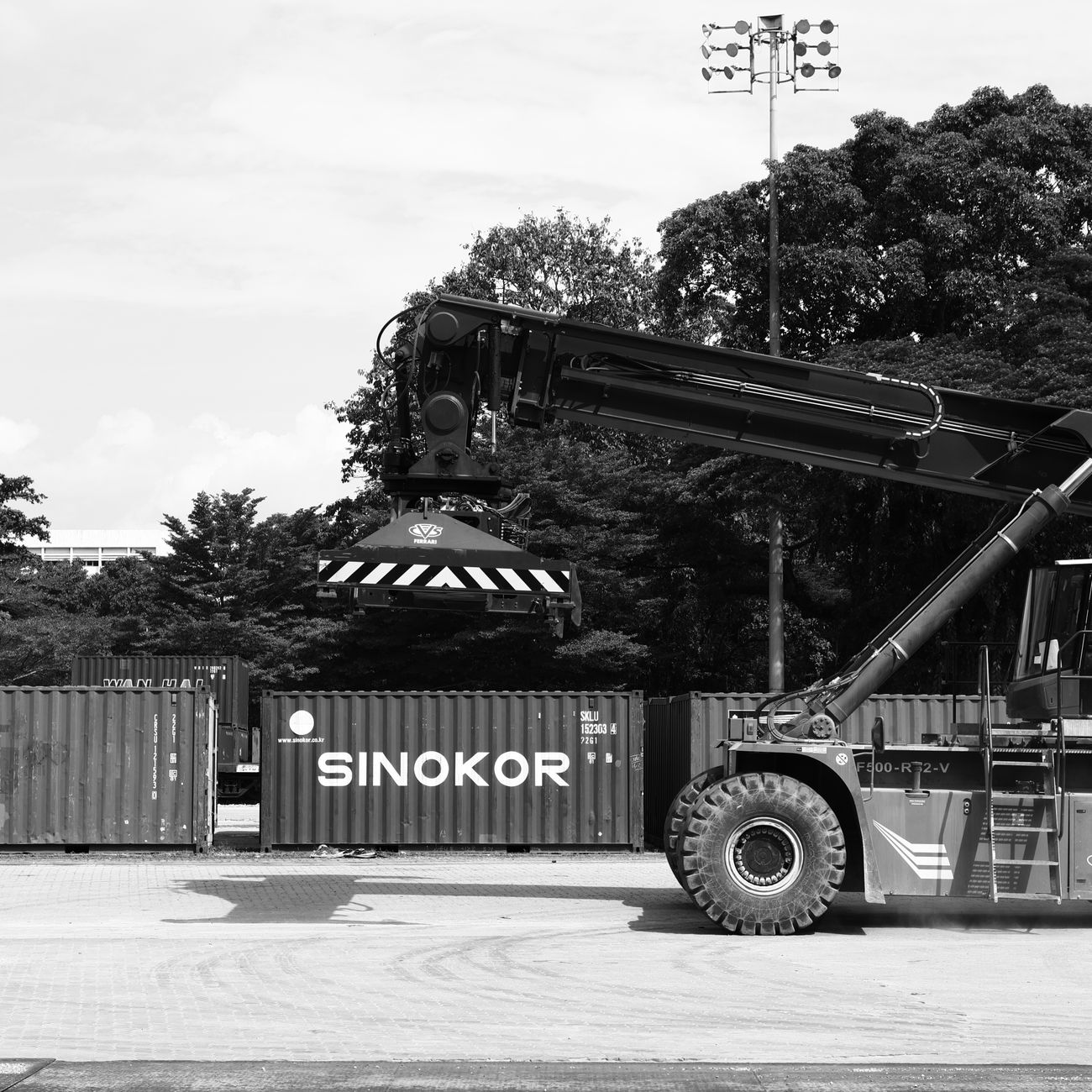
Photo from Pexels
Welcome to this episode of the Professional Certificate in International Logistics and Transportation podcast, brought to you by the London School of International Business, or LSIB. I'm your host, and I'm excited to dive into the fascinating world of International Trade And Transport. This unit is a crucial part of our course, and I'm sure you'll find it both informative and engaging.
As we explore the realm of International Trade And Transport, let's take a step back and look at how it has evolved over time. From the ancient Silk Road to the modern-day container ships, the way we trade and transport goods has undergone a significant transformation. The Industrial Revolution brought about mass production, and with it, the need for efficient and cost-effective transportation methods. Fast forward to today, and we have a complex network of global supply chains, with goods being transported across continents in a matter of days.
But why is International Trade And Transport so important? Well, it's quite simple really. Without it, we wouldn't have access to the vast array of products we enjoy today. From the coffee you drink in the morning to the smartphone you use to stay connected, international trade and transport play a vital role in bringing these goods to our doorstep. And it's not just about consumer goods; international trade and transport also facilitate the exchange of raw materials, machinery, and even services.
Now, let's talk about the practical applications of International Trade And Transport. As a professional in this field, you'll need to navigate the complexities of customs regulations, shipping logistics, and supply chain management. One actionable strategy you can use is to diversify your transportation modes. For example, instead of relying solely on road or air transport, consider using a combination of sea, rail, and road to reduce costs and increase efficiency. Another tip is to invest in technology, such as transportation management systems, to streamline your operations and gain real-time visibility into your supply chain.
However, there are also common pitfalls to avoid. One of the biggest mistakes companies make is underestimating the complexity of international trade and transport. They may not account for factors like language barriers, cultural differences, and local regulations, which can lead to delays, fines, and even reputational damage. To avoid this, it's essential to conduct thorough research, build relationships with local partners, and stay up-to-date with changing regulations and laws.
From the coffee you drink in the morning to the smartphone you use to stay connected, international trade and transport play a vital role in bringing these goods to our doorstep.
Let me share an example with you. A company I worked with was trying to export goods to a new market in Asia. They had done their research, but they didn't account for the local customs regulations. As a result, their shipment was delayed, and they incurred significant costs. But they learned from their mistake and adjusted their strategy. They worked with a local partner to navigate the customs process and even invested in training their staff on international trade and transport regulations.
As we conclude this episode, I want to leave you with an inspiring message. International Trade And Transport is a fascinating field that offers countless opportunities for growth and development. By applying the strategies and tips we've discussed, you can take your career to the next level and make a real impact in the world of global trade. So, I encourage you to continue your journey of growth, to stay curious, and to keep learning.
If you've enjoyed this episode, please subscribe to our podcast, share it with your friends and colleagues, and engage with us on social media. We'd love to hear your thoughts, questions, and feedback. And if you're interested in learning more about the Professional Certificate in International Logistics and Transportation, visit the London School of International Business, or LSIB, website to explore our courses and programs. Thank you for tuning in, and we look forward to connecting with you again soon.
Key takeaways
- Welcome to this episode of the Professional Certificate in International Logistics and Transportation podcast, brought to you by the London School of International Business, or LSIB.
- Fast forward to today, and we have a complex network of global supply chains, with goods being transported across continents in a matter of days.
- From the coffee you drink in the morning to the smartphone you use to stay connected, international trade and transport play a vital role in bringing these goods to our doorstep.
- Another tip is to invest in technology, such as transportation management systems, to streamline your operations and gain real-time visibility into your supply chain.
- They may not account for factors like language barriers, cultural differences, and local regulations, which can lead to delays, fines, and even reputational damage.
- They worked with a local partner to navigate the customs process and even invested in training their staff on international trade and transport regulations.
- By applying the strategies and tips we've discussed, you can take your career to the next level and make a real impact in the world of global trade.