
Transportation Economics And Policy
Welcome to the London School of International Business podcast, where we explore the fascinating world of international logistics and transportation. I'm your host, and today we're going to dive into the captivating realm of Transportation …
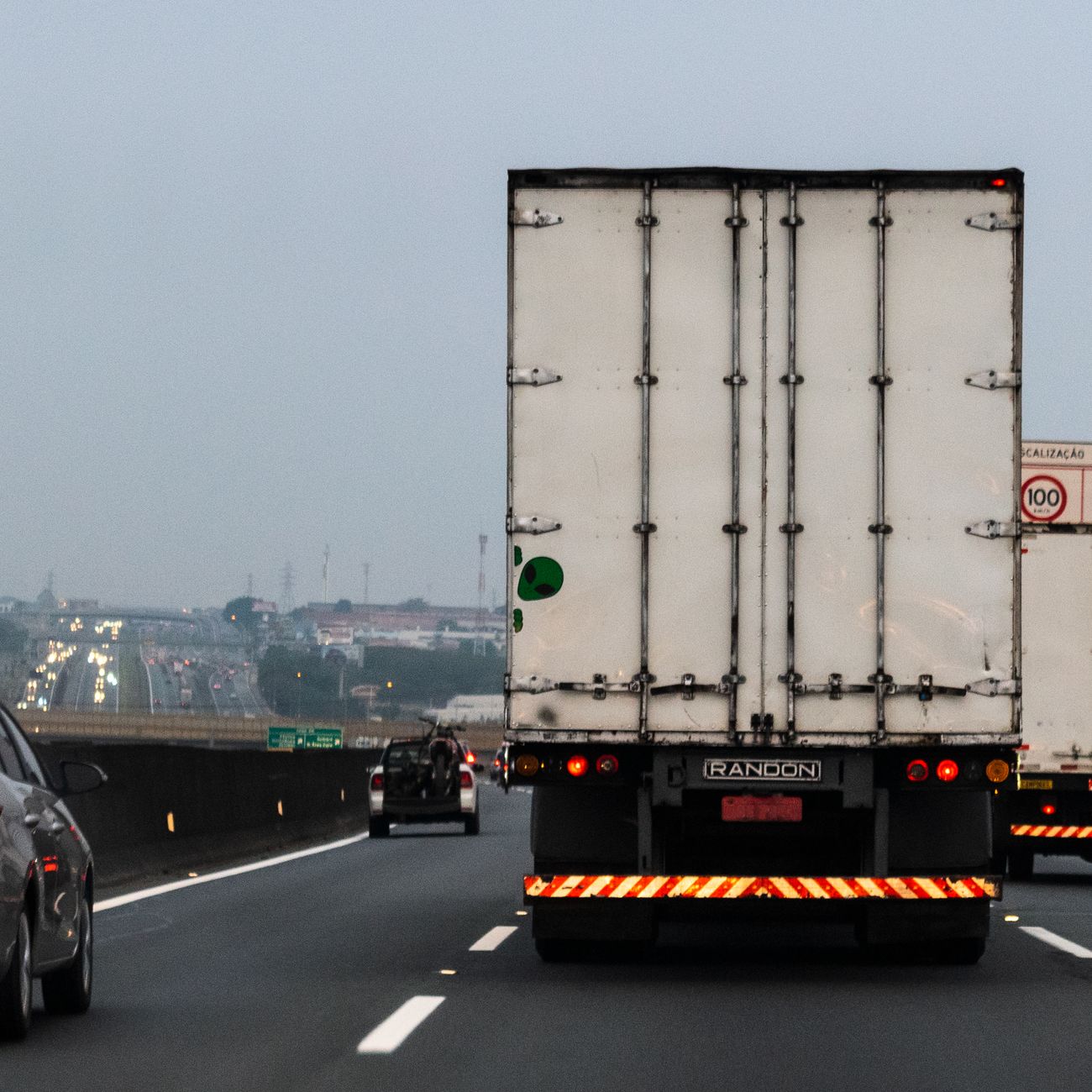
Photo from Pexels
Welcome to the London School of International Business podcast, where we explore the fascinating world of international logistics and transportation. I'm your host, and today we're going to dive into the captivating realm of Transportation Economics And Policy. This unit is a crucial component of our Professional Certificate in International Logistics and Transportation, and for good reason. The way we move goods, services, and people around the world has a profound impact on our economies, environments, and societies.
As we delve into the world of transportation economics and policy, let's take a step back and look at how we got here. The history of transportation is a rich and varied one, with ancient civilizations building elaborate networks of roads, canals, and trade routes. Fast forward to the present day, and we see a complex web of global supply chains, with goods and services moving across borders at an unprecedented scale. But with this increased complexity comes a host of challenges, from congestion and pollution to inequality and injustice.
So, what can we do to address these challenges and create a more sustainable, equitable, and efficient transportation system? This is where transportation economics and policy come in. By understanding the economic principles that govern the movement of goods and people, we can develop policies and strategies that promote prosperity, protect the environment, and improve the human experience. For example, consider the concept of externalities, where the social and environmental costs of transportation are not reflected in the market price. By internalizing these externalities, we can create incentives for more sustainable transportation modes, such as electric or hybrid vehicles, and reduce our reliance on fossil fuels.
But how can we apply these principles in practice? Let's take the example of a company that wants to reduce its carbon footprint by switching to more sustainable transportation modes. By conducting a cost-benefit analysis, they can weigh the costs of investing in new technologies against the benefits of reduced emissions and improved brand reputation. They can also explore alternative modes of transportation, such as rail or sea freight, which may offer significant reductions in greenhouse gas emissions. And by engaging with policymakers and industry stakeholders, they can help shape the regulatory environment and create a level playing field for sustainable transportation.
By understanding the economic principles that govern the movement of goods and people, we can develop policies and strategies that promote prosperity, protect the environment, and improve the human experience.
Of course, there are also common pitfalls to avoid. One of the biggest mistakes companies make is to focus solely on short-term cost savings, without considering the long-term consequences of their transportation choices. By taking a more holistic approach, they can avoid the hidden costs of congestion, pollution, and social unrest, and create a more resilient and sustainable supply chain. Another pitfall is to underestimate the importance of stakeholder engagement, from employees and customers to policymakers and local communities. By building strong relationships and communicating effectively, companies can build trust, manage risk, and create a positive impact on the communities they serve.
As we conclude this episode, I want to leave you with a challenge. What can you do, in your own life or work, to promote more sustainable and equitable transportation practices? Perhaps you can explore alternative modes of transportation, such as cycling or carpooling, or advocate for policies that support sustainable transportation infrastructure. Whatever you choose, remember that every small action counts, and collective action can lead to profound change. So, I encourage you to join the conversation, share your ideas and experiences, and subscribe to our podcast for more insights and inspiration.
At the London School of International Business, we're committed to empowering professionals like you with the knowledge, skills, and networks you need to succeed in the fast-paced world of international logistics and transportation. So, join us on this journey of growth and discovery, and let's work together to create a better future for all. Thanks for tuning in, and we'll catch you in the next episode!
Key takeaways
- Welcome to the London School of International Business podcast, where we explore the fascinating world of international logistics and transportation.
- Fast forward to the present day, and we see a complex web of global supply chains, with goods and services moving across borders at an unprecedented scale.
- By understanding the economic principles that govern the movement of goods and people, we can develop policies and strategies that promote prosperity, protect the environment, and improve the human experience.
- And by engaging with policymakers and industry stakeholders, they can help shape the regulatory environment and create a level playing field for sustainable transportation.
- By taking a more holistic approach, they can avoid the hidden costs of congestion, pollution, and social unrest, and create a more resilient and sustainable supply chain.
- Perhaps you can explore alternative modes of transportation, such as cycling or carpooling, or advocate for policies that support sustainable transportation infrastructure.
- At the London School of International Business, we're committed to empowering professionals like you with the knowledge, skills, and networks you need to succeed in the fast-paced world of international logistics and transportation.