
Freight Forwarding And Customs Clearance
Welcome to the Professional Certificate in International Logistics and Transportation podcast, brought to you by London School of International Business, or LSIB. I'm your host, and I'm excited to dive into one of the most critical componen…
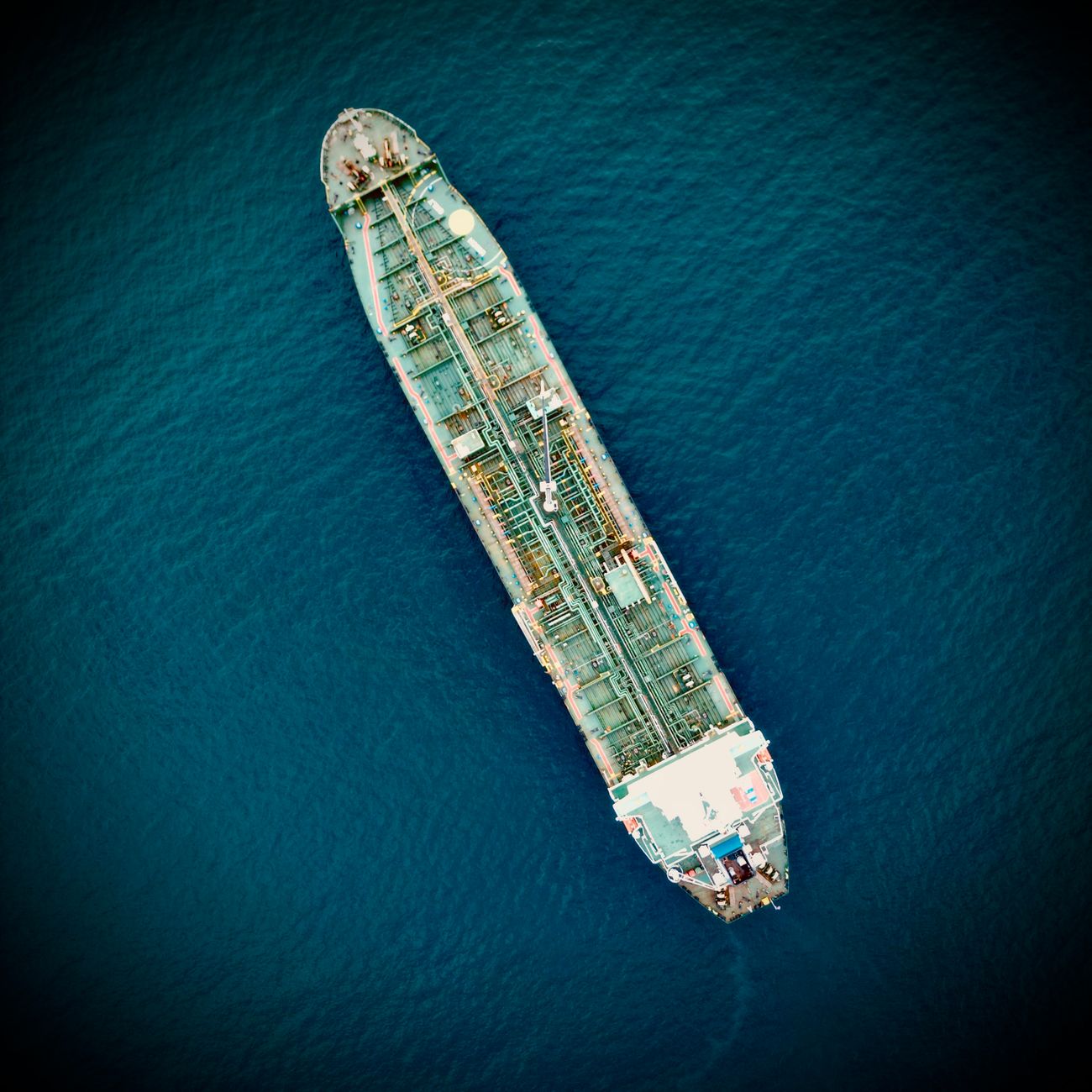
Photo from Pexels
Welcome to the Professional Certificate in International Logistics and Transportation podcast, brought to you by London School of International Business, or LSIB. I'm your host, and I'm excited to dive into one of the most critical components of global trade: Freight Forwarding And Customs Clearance. This topic is the backbone of international logistics, and understanding its intricacies can make all the difference in getting your goods from point A to point B efficiently and cost-effectively.
As we explore the world of freight forwarding and customs clearance, let's take a step back and appreciate the rich history behind it. The concept of freight forwarding dates back to the 18th century, when merchants and traders needed reliable ways to transport their goods across borders. Over time, the industry has evolved to accommodate changing global trade patterns, advances in technology, and increasingly complex regulatory requirements. Today, freight forwarding and customs clearance are more critical than ever, with the rise of e-commerce, globalization, and just-in-time supply chains.
So, what exactly is freight forwarding, and how does it work? In simple terms, freight forwarding is the process of arranging the transportation of goods from one place to another, often involving multiple modes of transport, such as air, sea, and land. Customs clearance, on the other hand, refers to the process of complying with all relevant regulations, duties, and taxes when importing or exporting goods. It's a complex dance between logistics providers, customs brokers, and government agencies, requiring meticulous attention to detail and a deep understanding of regulatory requirements.
Now, let's talk about the practical applications of freight forwarding and customs clearance. Imagine you're a business owner looking to export products to a new market. You've got a great product, a solid marketing strategy, and a eager customer base, but you're not sure how to get your goods to their destination quickly and efficiently. That's where a good freight forwarder comes in – they can help you navigate the complex web of transportation options, customs regulations, and logistics providers to ensure your goods arrive on time and in good condition.
But, as with any complex process, there are pitfalls to avoid. One common mistake businesses make is underestimating the importance of customs compliance. Failing to comply with regulations can result in costly delays, fines, and even damage to your reputation. Another pitfall is choosing the wrong logistics provider – one that doesn't have the expertise or resources to handle your specific needs. To avoid these pitfalls, it's essential to do your research, work with reputable providers, and stay up-to-date with changing regulations and industry trends.
In simple terms, freight forwarding is the process of arranging the transportation of goods from one place to another, often involving multiple modes of transport, such as air, sea, and land.
So, what can you do to ensure smooth freight forwarding and customs clearance? First, develop a deep understanding of your supply chain and the regulations that apply to your specific industry. Second, work with a reputable freight forwarder who has expertise in your market and can provide personalized support. Third, invest in technology and automation to streamline your logistics processes and reduce errors. And finally, stay agile and adaptable – be prepared to adjust your strategies as market conditions, regulations, and customer needs evolve.
As we conclude this episode, I want to leave you with a message of inspiration and encouragement. Mastering the art of freight forwarding and customs clearance takes time, effort, and practice, but the rewards are well worth it. By applying the strategies and tips we've discussed, you can unlock new markets, improve your bottom line, and build a reputation as a reliable and efficient logistics provider. So, I encourage you to continue your journey of growth and learning, and to join us on this podcast for more insights, stories, and expertise from the world of international logistics and transportation.
If you've enjoyed this episode, please subscribe to our podcast, share it with your network, and engage with us on social media. We'd love to hear your feedback, questions, and stories, and we're always looking for ways to improve and expand our content. Thanks for tuning in, and we look forward to connecting with you again soon. Remember, at London School of International Business, or LSIB, we're committed to helping you achieve your goals and succeed in the world of international business.
Key takeaways
- This topic is the backbone of international logistics, and understanding its intricacies can make all the difference in getting your goods from point A to point B efficiently and cost-effectively.
- Over time, the industry has evolved to accommodate changing global trade patterns, advances in technology, and increasingly complex regulatory requirements.
- In simple terms, freight forwarding is the process of arranging the transportation of goods from one place to another, often involving multiple modes of transport, such as air, sea, and land.
- That's where a good freight forwarder comes in – they can help you navigate the complex web of transportation options, customs regulations, and logistics providers to ensure your goods arrive on time and in good condition.
- To avoid these pitfalls, it's essential to do your research, work with reputable providers, and stay up-to-date with changing regulations and industry trends.
- And finally, stay agile and adaptable – be prepared to adjust your strategies as market conditions, regulations, and customer needs evolve.
- So, I encourage you to continue your journey of growth and learning, and to join us on this podcast for more insights, stories, and expertise from the world of international logistics and transportation.