
Warehouse And Inventory Management
Welcome to this episode of the Professional Certificate in International Logistics and Transportation podcast, brought to you by London School of International Business, or LSIB. I'm your host, and I'm excited to dive into one of the most c…
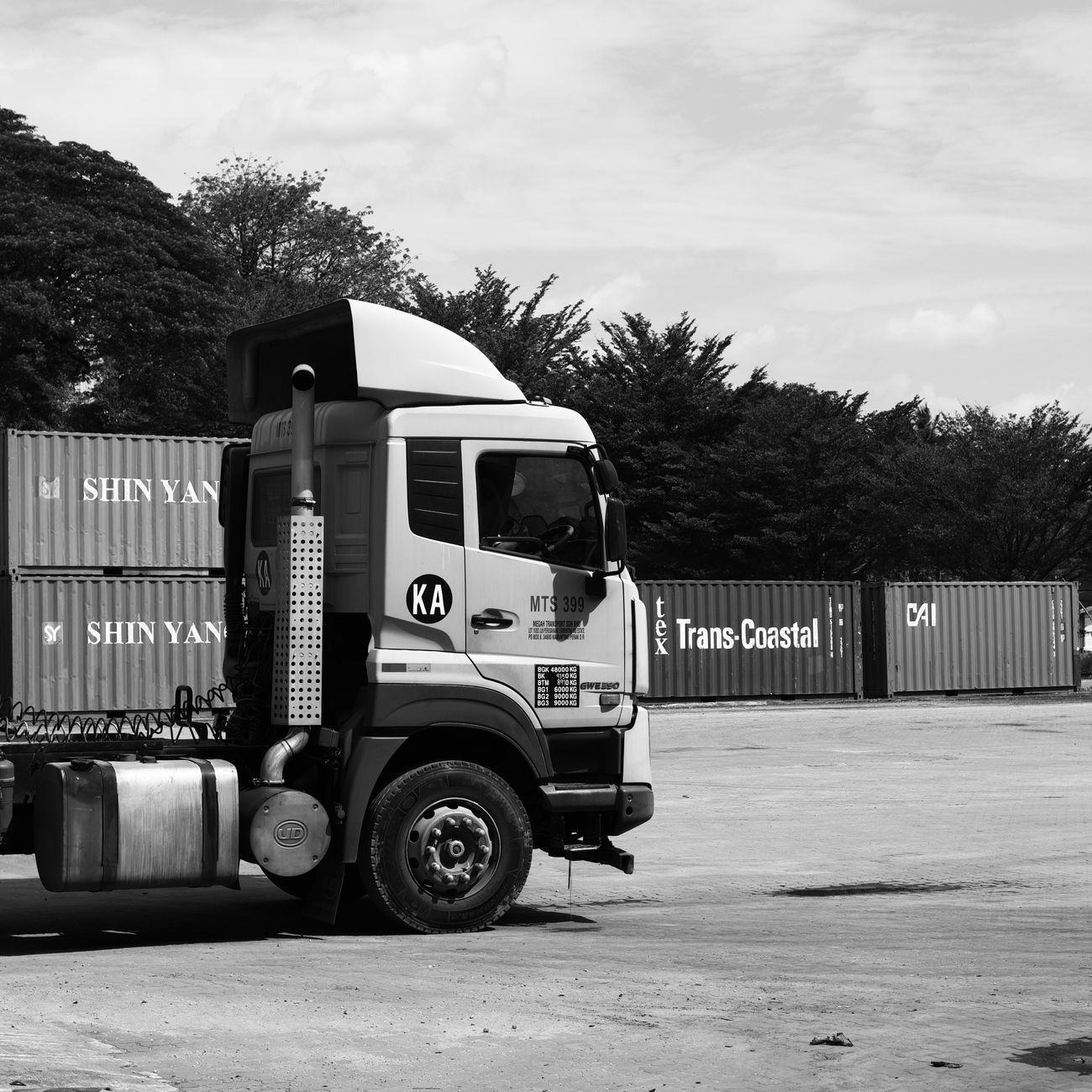
Photo from Pexels
Welcome to this episode of the Professional Certificate in International Logistics and Transportation podcast, brought to you by London School of International Business, or LSIB. I'm your host, and I'm excited to dive into one of the most critical components of logistics: Warehouse And Inventory Management. This topic is often the backbone of any successful supply chain, and yet, it's frequently overlooked. But not today. Today, we're going to explore the fascinating world of warehouses and inventory, and I promise you, it's going to be a wild ride.
Let's start with a brief history lesson. Did you know that the concept of warehouses dates back to ancient civilizations? The Egyptians, for example, built massive storage facilities to hold grain and other essential goods. Fast forward to the Industrial Revolution, and warehouses became the hubs of industrial activity, storing raw materials, work-in-progress, and finished goods. Today, warehouses are more than just storage facilities; they're dynamic, technology-driven ecosystems that enable businesses to respond quickly to changing market demands.
So, why is Warehouse And Inventory Management so important? Well, think of it like this: your warehouse is the heart of your supply chain, pumping life into your business by ensuring that the right products are in the right place at the right time. Effective inventory management is the key to unlocking this process, enabling you to minimize costs, maximize efficiency, and deliver exceptional customer service. But, it's not just about storing products; it's about creating a seamless, integrated system that connects your suppliers, manufacturers, distributors, and customers.
Now, let's get practical. So, what are some actionable strategies you can use to optimize your warehouse and inventory operations? First, it's essential to implement a robust inventory management system that provides real-time visibility into your stock levels, locations, and movements. This can be achieved through the use of technologies like RFID, barcode scanning, or even artificial intelligence. Second, consider adopting a just-in-time inventory approach, which enables you to maintain minimal stock levels while still meeting customer demand. And third, don't underestimate the power of data analytics; by analyzing your inventory trends, you can identify areas of inefficiency and make data-driven decisions to improve your operations.
And third, don't underestimate the power of data analytics; by analyzing your inventory trends, you can identify areas of inefficiency and make data-driven decisions to improve your operations.
But, beware of common pitfalls. One of the biggest mistakes businesses make is failing to optimize their warehouse layout, leading to inefficient use of space and labor. Another pitfall is not implementing effective inventory tracking and reporting, which can result in stockouts, overstocking, or even theft. To avoid these mistakes, it's crucial to invest in ongoing training and education for your warehouse staff, ensuring they have the skills and knowledge to operate effectively in a fast-paced, technology-driven environment.
As we conclude this episode, I want to leave you with a challenge. Whether you're a seasoned logistics professional or just starting your journey, I encourage you to apply the principles of Warehouse And Inventory Management to your own work or business. Remember, the key to success lies in creating a harmonious balance between people, processes, and technology. By doing so, you'll be able to streamline your operations, reduce costs, and deliver exceptional customer experiences.
If you've enjoyed this episode, please subscribe to our podcast, share it with your friends and colleagues, and join the conversation on social media. At London School of International Business, or LSIB, we're committed to providing you with the knowledge, skills, and expertise you need to succeed in the world of international logistics and transportation. So, stay tuned for more exciting episodes, and let's continue to explore the fascinating world of logistics together. Thanks for listening, and we'll catch you in the next episode.
Key takeaways
- Welcome to this episode of the Professional Certificate in International Logistics and Transportation podcast, brought to you by London School of International Business, or LSIB.
- Today, warehouses are more than just storage facilities; they're dynamic, technology-driven ecosystems that enable businesses to respond quickly to changing market demands.
- Well, think of it like this: your warehouse is the heart of your supply chain, pumping life into your business by ensuring that the right products are in the right place at the right time.
- And third, don't underestimate the power of data analytics; by analyzing your inventory trends, you can identify areas of inefficiency and make data-driven decisions to improve your operations.
- To avoid these mistakes, it's crucial to invest in ongoing training and education for your warehouse staff, ensuring they have the skills and knowledge to operate effectively in a fast-paced, technology-driven environment.
- Whether you're a seasoned logistics professional or just starting your journey, I encourage you to apply the principles of Warehouse And Inventory Management to your own work or business.
- At London School of International Business, or LSIB, we're committed to providing you with the knowledge, skills, and expertise you need to succeed in the world of international logistics and transportation.