
Cultural Uses of Plants
Cultural Uses of Plants
Cultural Uses of Plants
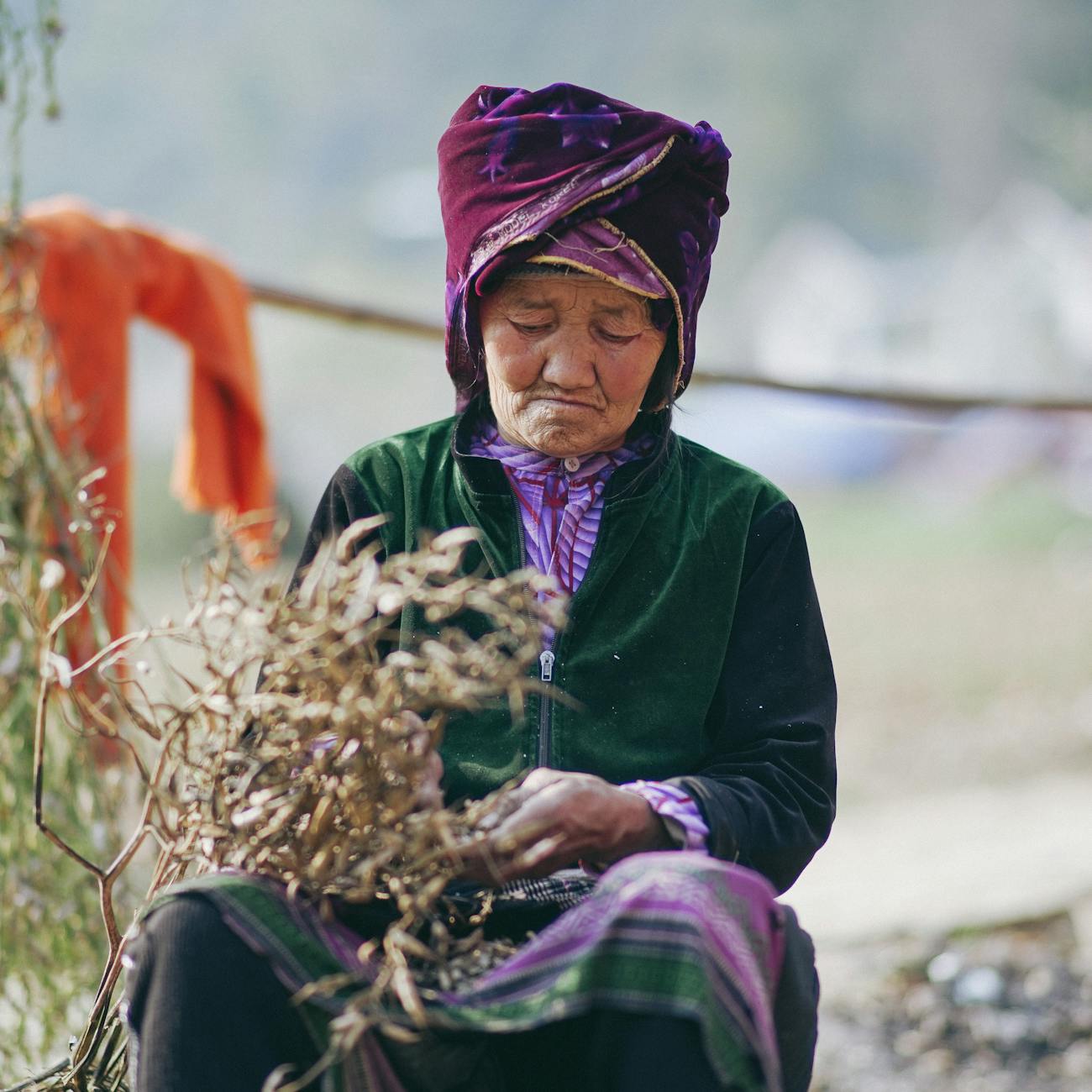
Plants have been an essential part of human culture since ancient times. The diverse ways in which plants are used in different cultures around the world reflect the deep connection between humans and the plant world. In the course Postgraduate Certificate in Ethnobotany and Ethnoecology, students explore the cultural significance of plants and their uses in various societies.
Key Terms and Vocabulary
1. Ethnobotany: Ethnobotany is the study of how people of a particular culture and region use plants for food, medicine, rituals, and other purposes. It involves understanding the relationships between people and plants in different societies.
2. Ethnoecology: Ethnoecology is the study of how different cultures perceive, manage, and interact with their environments, including plants. It focuses on traditional ecological knowledge and practices related to plants.
3. Traditional Knowledge: Traditional knowledge refers to the knowledge, practices, and beliefs passed down through generations within a particular culture. It often includes information about the uses of plants for various purposes.
4. Cultural Heritage: Cultural heritage encompasses the traditions, customs, beliefs, and practices that are passed down from generation to generation within a society. Plants play a significant role in cultural heritage through their use in rituals, ceremonies, and everyday life.
5. Medicinal Plants: Medicinal plants are plants that are used for their therapeutic properties in traditional or modern medicine. Many cultures have a long history of using medicinal plants to treat various ailments and promote health.
6. Sacred Plants: Sacred plants are plants that hold spiritual or religious significance in a particular culture. They are often used in rituals, ceremonies, and other sacred practices to connect with the divine or spiritual realm.
7. Food Plants: Food plants are plants that are cultivated or gathered for consumption as food. Different cultures have unique diets based on the availability of food plants in their environments.
8. Ritual Plants: Ritual plants are plants that are used in religious or ceremonial practices. They play a crucial role in connecting people with their spiritual beliefs and cultural traditions.
9. Plant Domestication: Plant domestication is the process of selecting and breeding plants for specific traits, such as increased yield, taste, or resistance to pests. It has been a fundamental aspect of human agriculture for thousands of years.
10. Biocultural Diversity: Biocultural diversity refers to the interconnectedness of biological diversity (plants, animals, ecosystems) and cultural diversity (languages, traditions, knowledge systems). It highlights the importance of preserving both biological and cultural diversity for sustainable development.
11. Traditional Ecological Knowledge (TEK): Traditional ecological knowledge is the cumulative knowledge and practices of indigenous and local communities about their environments. It includes information about plants, animals, landscapes, and ecosystems.
12. Ethnopharmacology: Ethnopharmacology is the study of traditional medicinal practices and the use of plants for healing in different cultures. It involves investigating the pharmacological properties of medicinal plants and their potential for modern medicine.
13. Plant Symbolism: Plant symbolism refers to the cultural meanings and associations attributed to plants in different societies. Plants often have symbolic significance in art, literature, religion, and other aspects of culture.
14. Plant Conservation: Plant conservation involves efforts to protect and preserve plant species, habitats, and genetic diversity. It is essential for maintaining the cultural uses of plants and ensuring their availability for future generations.
15. Biopiracy: Biopiracy is the unauthorized appropriation of traditional knowledge, genetic resources, or cultural practices by individuals or organizations for commercial gain. It poses a threat to indigenous communities and their traditional plant uses.
Cultural Uses of Plants in Different Societies
Plants have played a vital role in the cultural practices of diverse societies around the world. The following examples illustrate the diverse cultural uses of plants:
1. Amazon Rainforest Tribes: Indigenous tribes in the Amazon rainforest have extensive knowledge of medicinal plants that are used to treat a wide range of health conditions. Plants like ayahuasca are used in shamanic rituals for spiritual healing and communication with the spirit world.
2. Chinese Traditional Medicine: Traditional Chinese medicine (TCM) relies on a vast array of medicinal plants, such as ginseng, ginger, and goji berries, for treating various ailments. TCM emphasizes the holistic approach to health and the balance of yin and yang.
3. Maori Culture in New Zealand: The Maori people of New Zealand have a strong cultural connection to native plants like the kauri tree and the ponga fern. These plants are used in rituals, art, and storytelling to preserve Maori cultural heritage.
4. Indigenous Agriculture in the Andes: Indigenous communities in the Andes mountains practice traditional agriculture techniques, such as terracing and crop rotation, to cultivate native plants like quinoa and potatoes. These plants are essential for food security and cultural identity.
5. Native American Rituals: Native American tribes use sacred plants like sage, sweetgrass, and tobacco in ceremonies and healing rituals. These plants are believed to have spiritual powers and are used to purify the mind, body, and spirit.
6. African Ethnomedicine: African traditional healers use a variety of medicinal plants, such as neem, moringa, and baobab, to treat diseases and maintain health. Plant-based remedies are an integral part of African ethnomedicine and are passed down through oral traditions.
7. Australian Aboriginal Dreaming: Australian Aboriginal culture is deeply intertwined with the land and its native plants. Dreamtime stories and songs tell of the creation of the landscape and the significance of plants like the eucalyptus tree and the kangaroo apple.
8. Hawaiian Plant Lore: Native Hawaiians have a rich tradition of plant lore, with plants like taro, ti leaves, and kukui nuts playing important roles in cultural practices. These plants are used in rituals, ceremonies, and everyday life to honor ancestors and connect with nature.
Challenges and Opportunities
While the cultural uses of plants are a valuable part of human heritage, they face various challenges in the modern world. Some of the key challenges and opportunities include:
1. Loss of Traditional Knowledge: The rapid globalization and urbanization are leading to the loss of traditional knowledge about plants and their uses. Efforts are needed to document and preserve this knowledge before it disappears.
2. Bioprospecting and Biopiracy: The commercial exploitation of plant resources for pharmaceuticals and other industries raises concerns about biopiracy and the equitable sharing of benefits with indigenous communities. Ethical guidelines and legal frameworks are essential to address these issues.
3. Climate Change and Plant Diversity: Climate change is affecting plant diversity and distribution, threatening the availability of culturally significant plants. Conservation efforts, sustainable management practices, and community engagement are critical for protecting plant diversity.
4. Revitalization of Traditional Practices: There is a growing interest in revitalizing traditional plant uses and promoting cultural heritage conservation. Initiatives such as community-based resource management and indigenous-led research are helping to preserve and promote traditional plant knowledge.
5. Education and Awareness: Educating the public about the cultural importance of plants and the need for their conservation is essential for promoting sustainable practices and preserving biocultural diversity. Public awareness campaigns, educational programs, and community workshops can help raise awareness about the value of traditional plant knowledge.
6. Collaboration and Partnership: Collaboration between researchers, policymakers, indigenous communities, and other stakeholders is crucial for addressing the challenges faced by the cultural uses of plants. By working together, we can develop innovative solutions and ensure the sustainable management of plant resources.
In conclusion, the cultural uses of plants reflect the deep connection between humans and the natural world. By studying ethnobotany and ethnoecology, we can gain a better understanding of the diverse ways in which plants are used in different cultures and the importance of preserving traditional plant knowledge for future generations. Through collaboration, education, and conservation efforts, we can promote the sustainable use of plants and protect the cultural heritage associated with them.
Key takeaways
- In the course Postgraduate Certificate in Ethnobotany and Ethnoecology, students explore the cultural significance of plants and their uses in various societies.
- Ethnobotany: Ethnobotany is the study of how people of a particular culture and region use plants for food, medicine, rituals, and other purposes.
- Ethnoecology: Ethnoecology is the study of how different cultures perceive, manage, and interact with their environments, including plants.
- Traditional Knowledge: Traditional knowledge refers to the knowledge, practices, and beliefs passed down through generations within a particular culture.
- Cultural Heritage: Cultural heritage encompasses the traditions, customs, beliefs, and practices that are passed down from generation to generation within a society.
- Medicinal Plants: Medicinal plants are plants that are used for their therapeutic properties in traditional or modern medicine.
- Sacred Plants: Sacred plants are plants that hold spiritual or religious significance in a particular culture.