
Community Engagement and Collaboration
Community Engagement and Collaboration are essential components of the Postgraduate Certificate in Ethnobotany and Ethnoecology. These concepts play a crucial role in research, conservation, and sustainable development by involving local co…
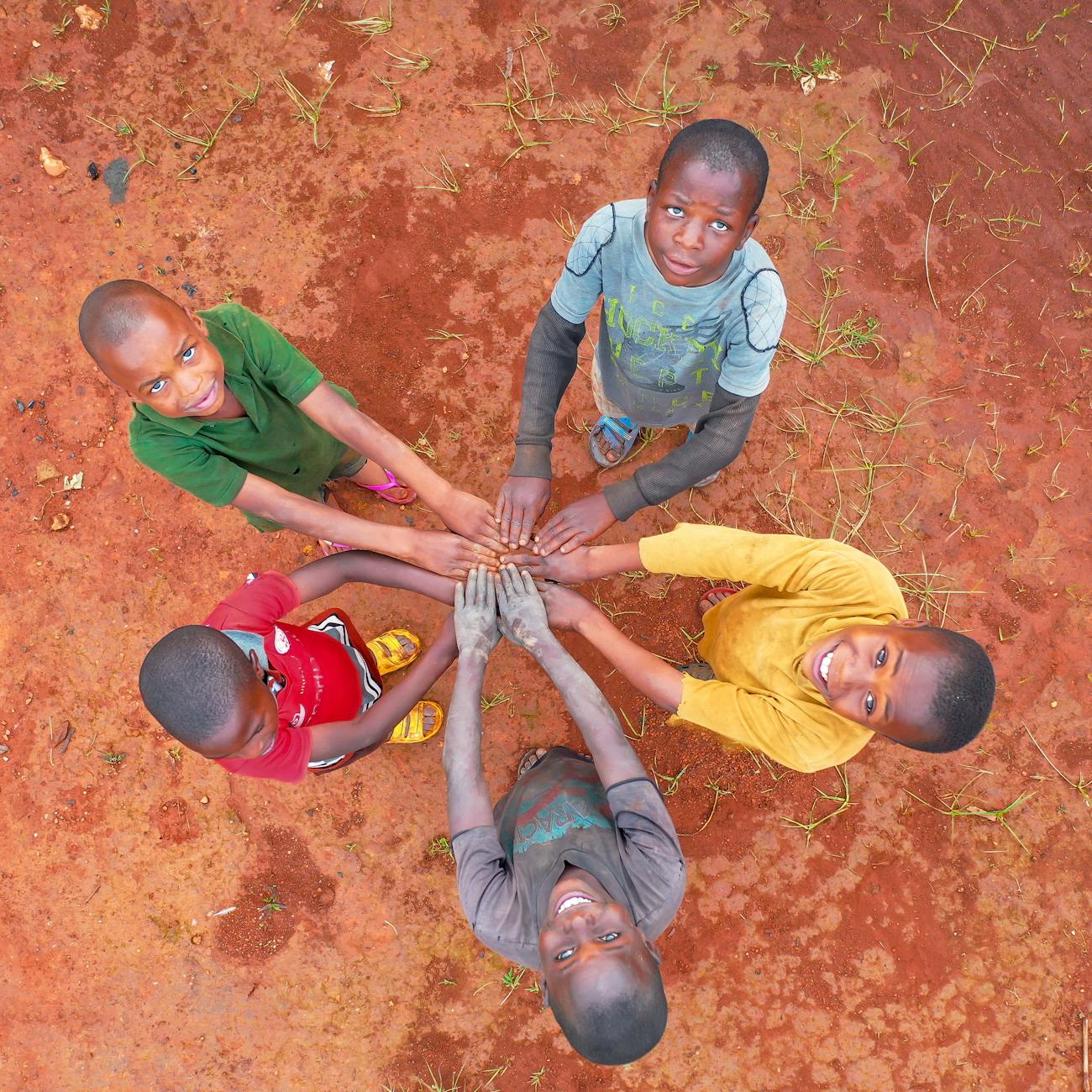
Community Engagement and Collaboration are essential components of the Postgraduate Certificate in Ethnobotany and Ethnoecology. These concepts play a crucial role in research, conservation, and sustainable development by involving local communities in decision-making processes related to natural resources and biodiversity. Let's explore some key terms and vocabulary that are fundamental to understanding Community Engagement and Collaboration in the context of ethnobotany and ethnoecology.
1. **Community Engagement**: Community Engagement refers to the process of building relationships with communities to address issues that impact them directly. It involves listening to community members, understanding their needs and concerns, and involving them in decision-making processes. Community Engagement is a two-way communication process that aims to empower communities and build trust between researchers and local stakeholders.
2. **Collaboration**: Collaboration is the act of working together with others towards a common goal. In the context of ethnobotany and ethnoecology, collaboration often involves researchers, local communities, government agencies, NGOs, and other stakeholders coming together to share knowledge, resources, and expertise to address complex environmental challenges.
3. **Ethnobotany**: Ethnobotany is the study of how people use plants for food, medicine, shelter, and other purposes. It involves understanding the cultural, ecological, and economic significance of plants within different societies. Ethnobotany plays a crucial role in documenting traditional knowledge and practices related to plant use, conservation, and sustainable resource management.
4. **Ethnoecology**: Ethnoecology is the study of how different cultures perceive, use, and manage their natural environment. It focuses on the relationship between people and their ecosystems, including traditional ecological knowledge, resource management practices, and cultural beliefs related to nature. Ethnoecology helps researchers understand the complex interactions between humans and the environment.
5. **Traditional Ecological Knowledge (TEK)**: Traditional Ecological Knowledge refers to the knowledge, practices, and beliefs that indigenous and local communities have developed over generations about their environment. TEK encompasses a wide range of topics, including plant uses, conservation techniques, ecosystem management, and adaptation to environmental change. It is a valuable source of information for researchers in ethnobotany and ethnoecology.
6. **Participatory Research**: Participatory Research is an approach that involves collaborating with local communities throughout the research process. It emphasizes the active involvement of community members in defining research questions, collecting data, analyzing results, and implementing solutions. Participatory Research aims to empower communities, build capacity, and create more equitable partnerships between researchers and local stakeholders.
7. **Community-Based Conservation**: Community-Based Conservation is an approach that involves engaging local communities in the management and protection of natural resources. It recognizes the importance of incorporating traditional knowledge, cultural values, and community priorities into conservation strategies. Community-Based Conservation aims to foster stewardship, promote sustainable livelihoods, and enhance biodiversity conservation.
8. **Indigenous Peoples**: Indigenous Peoples are distinct ethnic groups with a deep connection to their traditional lands, cultures, and ways of life. They often have unique knowledge systems, languages, and spiritual beliefs that are closely tied to their environment. Indigenous Peoples play a critical role in conservation efforts, as they possess valuable traditional knowledge and practices for sustainable resource management.
9. **Biocultural Diversity**: Biocultural Diversity refers to the interconnectedness of biological diversity and cultural diversity. It recognizes that diverse ecosystems support diverse cultures, languages, and knowledge systems. Biocultural Diversity highlights the importance of preserving both biological and cultural heritage to ensure the resilience of ecosystems and communities in the face of environmental change.
10. **Conservation Ethnobotany**: Conservation Ethnobotany is a subfield of ethnobotany that focuses on the conservation of plant species and their habitats. It involves studying the use of plants by local communities, identifying threatened species, promoting sustainable harvesting practices, and supporting conservation initiatives. Conservation Ethnobotany aims to protect plant biodiversity while respecting the cultural significance of traditional plant knowledge.
11. **Cultural Appropriation**: Cultural Appropriation refers to the unauthorized or inappropriate adoption of elements from another culture, often without proper acknowledgment or respect. In the context of ethnobotany and ethnoecology, cultural appropriation can occur when researchers exploit traditional knowledge or resources without consulting or compensating the communities that hold this knowledge. It is essential to approach research with cultural sensitivity and ethical considerations to avoid perpetuating harmful practices.
12. **Power Dynamics**: Power Dynamics refer to the unequal distribution of power and influence within relationships between researchers and communities. In collaborative projects, power dynamics can impact decision-making processes, resource allocation, and the overall success of the partnership. It is crucial to address power imbalances, promote inclusivity, and prioritize community perspectives to ensure equitable and respectful collaborations.
13. **Informed Consent**: Informed Consent is a principle that requires researchers to obtain permission from participants before conducting research or using their data. In the context of ethnobotany and ethnoecology, obtaining informed consent is essential when working with communities to collect traditional knowledge, conduct interviews, or engage in collaborative projects. Informed Consent ensures that participants are aware of the research goals, procedures, and potential outcomes and have the right to withdraw their participation at any time.
14. **Benefit Sharing**: Benefit Sharing refers to the fair and equitable distribution of benefits derived from research or conservation initiatives among all stakeholders, including local communities. It recognizes that communities who contribute traditional knowledge, resources, or labor to a project should receive tangible benefits in return, such as financial compensation, capacity-building opportunities, or access to new resources. Benefit Sharing promotes reciprocity, trust, and long-term sustainability in collaborative partnerships.
15. **Environmental Justice**: Environmental Justice is the principle that all people, regardless of their race, ethnicity, or socio-economic status, have the right to a clean and healthy environment. It addresses the unequal distribution of environmental risks and benefits, as well as the disproportionate impacts of environmental degradation on marginalized communities. Environmental Justice advocates for inclusive decision-making processes, community empowerment, and social equity in environmental management.
16. **Adaptive Management**: Adaptive Management is an iterative approach to decision-making that involves learning from experience, adjusting strategies based on new information, and responding to changing conditions. In the context of ethnobotany and ethnoecology, Adaptive Management is essential for navigating complex environmental challenges, addressing uncertainty, and promoting resilience. It allows researchers and communities to experiment with different approaches, monitor outcomes, and adapt their practices over time.
17. **Stakeholder Engagement**: Stakeholder Engagement involves involving individuals, groups, or organizations that have a vested interest in a particular issue or project. In the context of ethnobotany and ethnoecology, stakeholders can include local communities, government agencies, NGOs, businesses, researchers, and policymakers. Stakeholder Engagement aims to foster collaboration, build consensus, and ensure that diverse perspectives are considered in decision-making processes.
18. **Traditional Resource Management**: Traditional Resource Management refers to the practices, rules, and institutions that indigenous and local communities use to sustainably manage natural resources. It often involves traditional knowledge, customary laws, and community-based governance systems that have been developed over generations. Traditional Resource Management plays a crucial role in promoting biodiversity conservation, ecosystem resilience, and cultural continuity.
19. **Knowledge Co-production**: Knowledge Co-production is a collaborative process in which researchers and community members work together to generate new knowledge, insights, or solutions. It involves combining scientific expertise with local knowledge, values, and priorities to address complex environmental challenges. Knowledge Co-production promotes mutual learning, builds trust, and fosters innovative approaches to research and conservation.
20. **Community Empowerment**: Community Empowerment refers to the process of enabling communities to take control of their own development, make decisions about their future, and advocate for their rights. In the context of ethnobotany and ethnoecology, Community Empowerment involves building capacity, fostering leadership, and promoting self-determination among local communities. Empowered communities are better equipped to address environmental threats, preserve traditional knowledge, and promote sustainable practices.
21. **Inclusive Decision-Making**: Inclusive Decision-Making involves ensuring that all relevant stakeholders have a voice in the decision-making process. It requires creating opportunities for diverse perspectives, values, and interests to be considered when developing policies, strategies, or projects. Inclusive Decision-Making promotes transparency, equity, and accountability in collaborative efforts, leading to more effective and sustainable outcomes.
22. **Cross-Cultural Communication**: Cross-Cultural Communication refers to the exchange of information, ideas, and values between people from different cultural backgrounds. In the context of ethnobotany and ethnoecology, effective Cross-Cultural Communication is essential for building trust, resolving conflicts, and promoting mutual understanding among researchers and local communities. It involves being sensitive to cultural differences, using clear and respectful language, and actively listening to diverse viewpoints.
23. **Sustainable Development**: Sustainable Development is a holistic approach to meeting the needs of current and future generations while preserving environmental quality, social equity, and economic prosperity. In the context of ethnobotany and ethnoecology, Sustainable Development involves integrating environmental conservation, cultural preservation, and community well-being into development strategies. It aims to promote resilience, equity, and long-term sustainability in all aspects of human life.
24. **Citizen Science**: Citizen Science is a collaborative approach to scientific research that involves engaging members of the public in data collection, analysis, or interpretation. In ethnobotany and ethnoecology, Citizen Science projects can involve community members in monitoring plant populations, documenting traditional knowledge, or mapping biodiversity hotspots. Citizen Science promotes public engagement, scientific literacy, and the democratization of knowledge production.
25. **Decolonizing Research**: Decolonizing Research is a critical examination of the historical and ongoing impacts of colonialism on research practices, knowledge production, and power dynamics. In the context of ethnobotany and ethnoecology, Decolonizing Research involves challenging Eurocentric perspectives, centering indigenous voices, and promoting equity, reciprocity, and respect in research partnerships. Decolonizing Research aims to decolonize methodologies, narratives, and outcomes to create more just and inclusive research practices.
In conclusion, understanding key terms and vocabulary related to Community Engagement and Collaboration in ethnobotany and ethnoecology is essential for promoting respectful, equitable, and effective relationships between researchers and local communities. By incorporating principles of participatory research, benefit sharing, and cultural sensitivity, researchers can work collaboratively with communities to address environmental challenges, conserve biodiversity, and support sustainable development. Embracing diverse perspectives, fostering inclusive decision-making, and building trust are crucial for building strong partnerships that empower communities, preserve traditional knowledge, and promote environmental justice.
Key takeaways
- These concepts play a crucial role in research, conservation, and sustainable development by involving local communities in decision-making processes related to natural resources and biodiversity.
- **Community Engagement**: Community Engagement refers to the process of building relationships with communities to address issues that impact them directly.
- **Collaboration**: Collaboration is the act of working together with others towards a common goal.
- Ethnobotany plays a crucial role in documenting traditional knowledge and practices related to plant use, conservation, and sustainable resource management.
- It focuses on the relationship between people and their ecosystems, including traditional ecological knowledge, resource management practices, and cultural beliefs related to nature.
- **Traditional Ecological Knowledge (TEK)**: Traditional Ecological Knowledge refers to the knowledge, practices, and beliefs that indigenous and local communities have developed over generations about their environment.
- It emphasizes the active involvement of community members in defining research questions, collecting data, analyzing results, and implementing solutions.