
Traditional Ecological Knowledge
Traditional Ecological Knowledge (TEK) refers to the collective body of knowledge, practices, and beliefs that indigenous and local communities have developed over generations in order to interact sustainably with their environment. This kn…
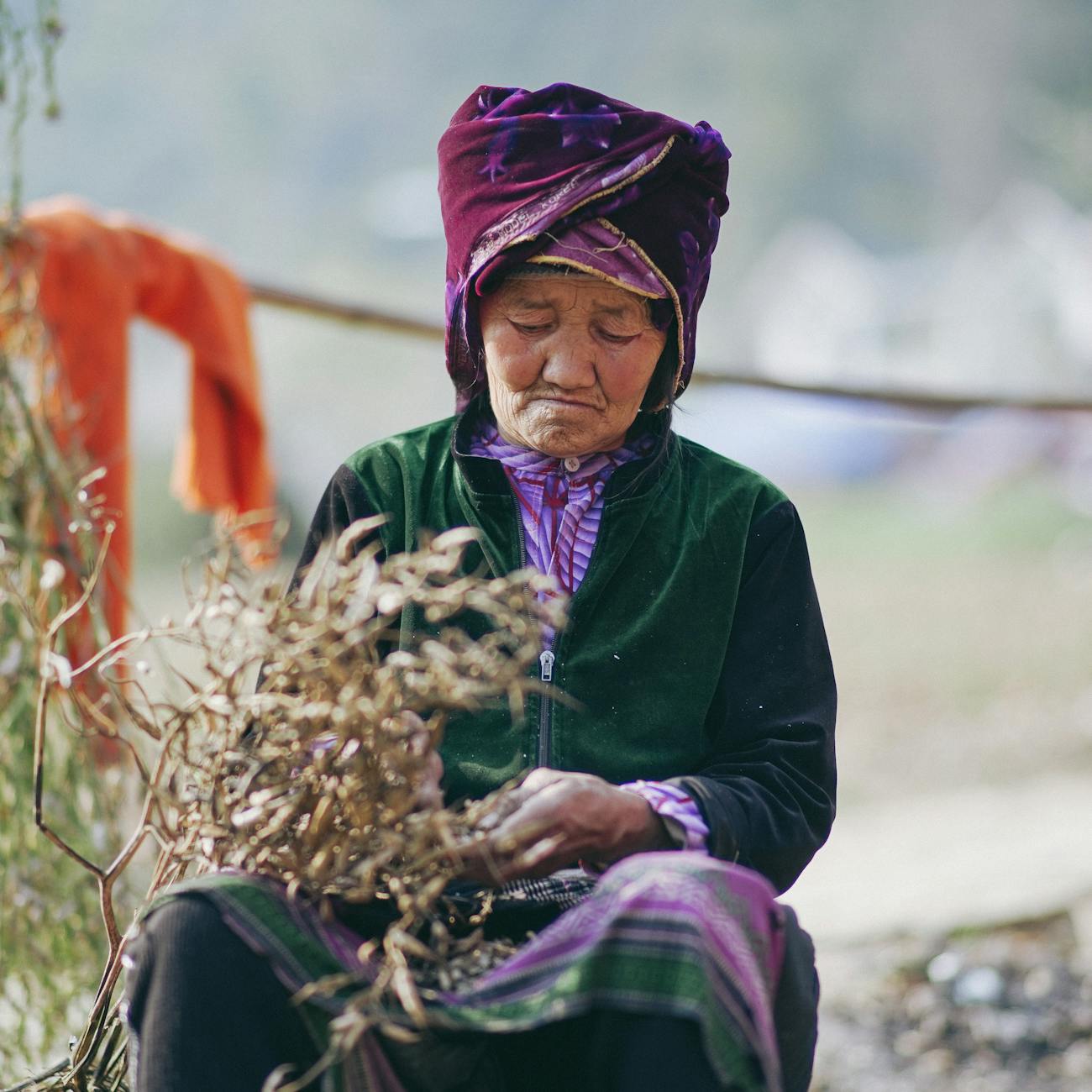
Traditional Ecological Knowledge (TEK) refers to the collective body of knowledge, practices, and beliefs that indigenous and local communities have developed over generations in order to interact sustainably with their environment. This knowledge is crucial for understanding the intricate relationships between humans and their surroundings, and it offers valuable insights into conservation, resource management, and adaptation to environmental changes. In the course of studying Ethnobotany and Ethnoecology, it is essential to grasp the key terms and vocabulary associated with TEK to appreciate its significance and application in contemporary conservation efforts.
1. **Indigenous Peoples**: Indigenous peoples are defined as distinct cultural groups that have a historical connection to a particular region and often have their own languages, traditions, and social structures. They play a vital role in preserving TEK and maintaining biodiversity through their deep understanding of local ecosystems.
2. **Local Communities**: Local communities refer to groups of people living in a specific area who share common interests, cultural practices, and environmental knowledge. These communities are often the custodians of TEK and are essential partners in conservation initiatives.
3. **Ethnobotany**: Ethnobotany is the interdisciplinary study of the relationships between plants and people. It encompasses the traditional knowledge of how plants are used for food, medicine, materials, and cultural practices by different societies around the world.
4. **Ethnoecology**: Ethnoecology focuses on the ways in which different cultures perceive, understand, and interact with their environments. It explores the ecological knowledge systems of indigenous and local communities and their implications for conservation and sustainable development.
5. **Biodiversity**: Biodiversity refers to the variety of life forms, including plants, animals, and microorganisms, in a given ecosystem. TEK often plays a crucial role in conserving biodiversity by promoting sustainable resource use and habitat protection.
6. **Sacred Sites**: Sacred sites are locations that hold spiritual or cultural significance for indigenous and local communities. These sites are often protected through traditional practices and taboos, contributing to the conservation of biodiversity and ecosystem services.
7. **Traditional Ecological Calendar**: Many indigenous cultures have developed ecological calendars based on natural phenomena such as seasonal changes, animal migrations, and plant flowering times. These calendars guide traditional practices such as planting and harvesting, reflecting a deep understanding of local environments.
8. **Ethnopharmacology**: Ethnopharmacology is the study of traditional medicinal practices and the use of plant-based remedies by indigenous and local communities. TEK contributes valuable information about the efficacy and safety of medicinal plants, leading to the discovery of new drugs and treatments.
9. **Agroforestry**: Agroforestry is a sustainable land-use system that integrates trees and shrubs with crops and livestock. Traditional agroforestry practices, informed by TEK, enhance soil fertility, water retention, and biodiversity conservation while providing food, medicine, and other resources.
10. **Seed Saving**: Seed saving is the practice of collecting, storing, and exchanging seeds from traditional crop varieties. Indigenous farmers have preserved diverse seed banks for centuries, maintaining genetic diversity and resilience in the face of environmental challenges.
11. **Fire Management**: Indigenous communities use controlled burning techniques to maintain healthy ecosystems, prevent wildfires, and promote the growth of useful plants. Traditional fire management practices based on TEK are now recognized as effective conservation strategies.
12. **Invasive Species**: Invasive species are non-native plants, animals, or microorganisms that disrupt local ecosystems and threaten biodiversity. Indigenous and local knowledge can provide valuable insights into controlling invasive species through traditional management practices.
13. **Climate Change Adaptation**: Indigenous peoples have long adapted to changing environmental conditions through their knowledge of local ecosystems and traditional practices. TEK offers innovative solutions for climate change adaptation, such as crop diversification, water management, and community-based resilience strategies.
14. **Community-Based Conservation**: Community-based conservation initiatives empower indigenous and local communities to manage natural resources sustainably while preserving their cultural heritage. TEK serves as the foundation for collaborative conservation efforts that benefit both people and the environment.
15. **Biocultural Heritage**: Biocultural heritage refers to the interconnectedness of biological diversity and cultural diversity within indigenous and local communities. It acknowledges the intrinsic value of traditional knowledge systems in conserving biodiversity and promoting sustainable development.
16. **Participatory Research**: Participatory research involves engaging indigenous and local communities as equal partners in scientific studies and conservation projects. This approach values TEK as a legitimate source of knowledge and fosters mutual learning and respect between researchers and communities.
17. **Policy Advocacy**: Indigenous peoples and local communities advocate for the recognition and protection of their traditional knowledge rights in national and international policies. Ensuring the legal and ethical recognition of TEK is essential for safeguarding cultural heritage and promoting environmental sustainability.
18. **Challenges and Opportunities**: The integration of Traditional Ecological Knowledge into mainstream conservation and development practices faces various challenges, including cultural appropriation, intellectual property rights, and marginalization of indigenous voices. However, there are also opportunities to build partnerships, enhance biodiversity conservation, and promote social justice through the respectful engagement with TEK.
In conclusion, Traditional Ecological Knowledge is a valuable source of wisdom and innovation that enriches our understanding of human-environment relationships. By learning the key terms and vocabulary associated with TEK, students of Ethnobotany and Ethnoecology can appreciate the diverse ways in which indigenous and local communities interact with and steward their natural surroundings. This knowledge is essential for promoting sustainable practices, conserving biodiversity, and fostering resilience in the face of global environmental challenges.
Key takeaways
- Traditional Ecological Knowledge (TEK) refers to the collective body of knowledge, practices, and beliefs that indigenous and local communities have developed over generations in order to interact sustainably with their environment.
- **Indigenous Peoples**: Indigenous peoples are defined as distinct cultural groups that have a historical connection to a particular region and often have their own languages, traditions, and social structures.
- **Local Communities**: Local communities refer to groups of people living in a specific area who share common interests, cultural practices, and environmental knowledge.
- It encompasses the traditional knowledge of how plants are used for food, medicine, materials, and cultural practices by different societies around the world.
- It explores the ecological knowledge systems of indigenous and local communities and their implications for conservation and sustainable development.
- **Biodiversity**: Biodiversity refers to the variety of life forms, including plants, animals, and microorganisms, in a given ecosystem.
- These sites are often protected through traditional practices and taboos, contributing to the conservation of biodiversity and ecosystem services.