
Conservation Strategies
Conservation Strategies in Ethnobotany and Ethnoecology involve a range of approaches aimed at preserving the knowledge and biodiversity of traditional cultures and ecosystems. These strategies are crucial for maintaining the balance betwee…
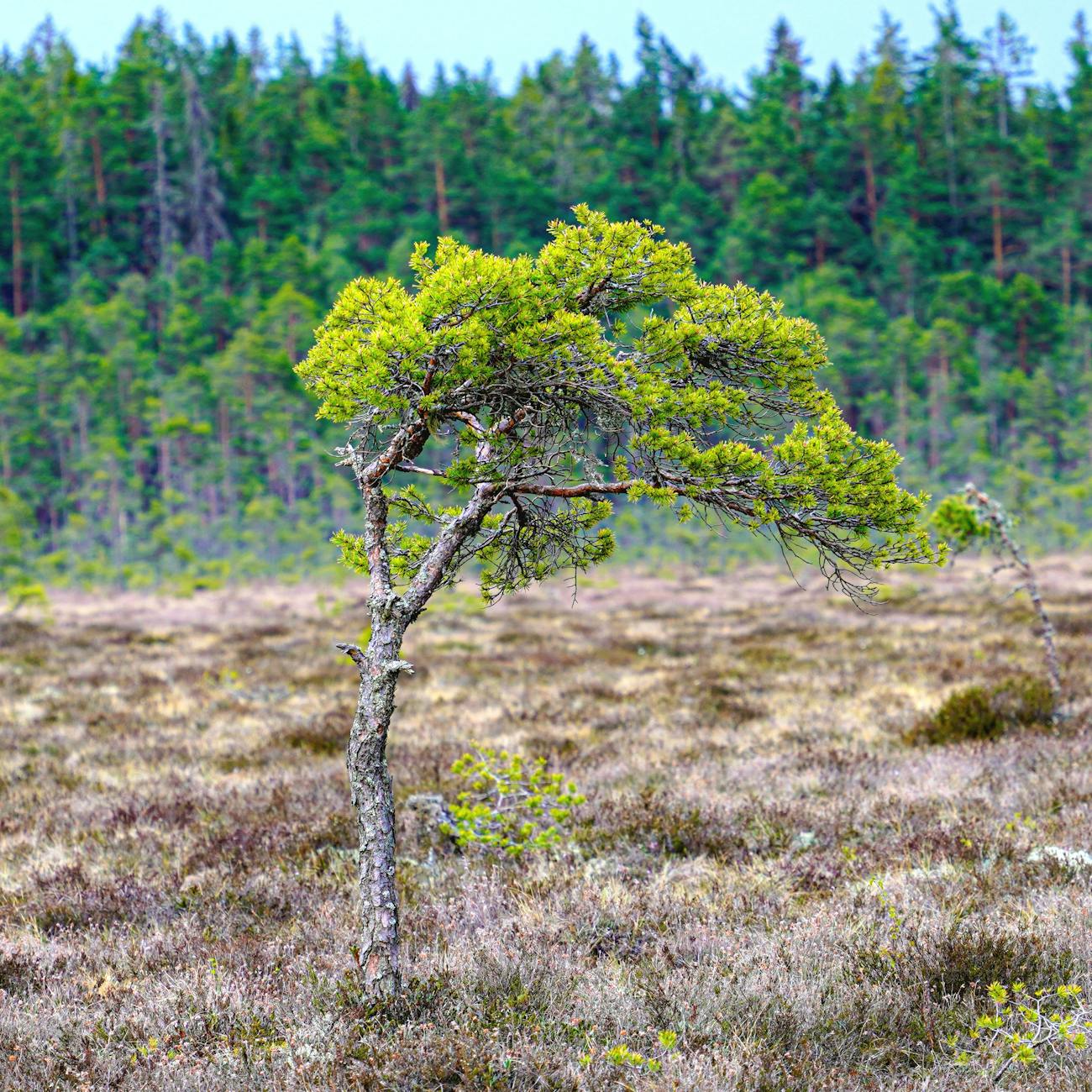
Conservation Strategies in Ethnobotany and Ethnoecology involve a range of approaches aimed at preserving the knowledge and biodiversity of traditional cultures and ecosystems. These strategies are crucial for maintaining the balance between human activities and the environment, as well as for safeguarding the cultural heritage of indigenous communities. In this course, students will explore various conservation strategies that have been developed to address the challenges facing ethnobotanical and ethnoecological systems.
**Ethnobotany** is the study of the relationship between people and plants, focusing on how different cultures use and perceive plants for food, medicine, ritual, and other purposes. Ethnobotanists work closely with indigenous communities to document and preserve traditional knowledge about plants and their uses. By understanding the cultural significance of plants, ethnobotanists can help facilitate conservation efforts that respect and support local traditions.
**Ethnoecology**, on the other hand, is the study of how different cultures perceive and interact with their environment. Ethnoecologists examine the traditional ecological knowledge of indigenous peoples and local communities to better understand sustainable resource management practices. By integrating local knowledge with scientific research, ethnoecologists can develop conservation strategies that are culturally appropriate and environmentally sound.
One key term in Conservation Strategies is **Traditional Ecological Knowledge (TEK)**, which refers to the accumulated knowledge and practices of indigenous peoples regarding the environment and natural resources. TEK encompasses a wide range of information, including ecological observations, resource management techniques, and cultural beliefs related to nature. This knowledge is often passed down through generations orally and is essential for maintaining biodiversity and ecosystem health.
Another important concept is **Biocultural Conservation**, which recognizes the interconnectedness of biological diversity and cultural diversity. Biocultural conservation aims to protect both biological and cultural heritage by promoting sustainable practices that respect traditional knowledge and values. By linking biodiversity conservation with cultural preservation, biocultural conservation can help strengthen the resilience of ecosystems and communities facing environmental challenges.
**Community-Based Conservation** is a conservation approach that involves local communities in the management and protection of natural resources. By empowering communities to take ownership of conservation efforts, this approach can lead to more effective and sustainable outcomes. Community-based conservation recognizes the importance of involving stakeholders in decision-making processes and tailoring conservation strategies to local needs and priorities.
**Participatory Research** is another key strategy that involves collaboration between researchers and local communities in the design and implementation of conservation projects. By engaging community members as active participants in the research process, participatory research can ensure that conservation efforts are culturally appropriate and relevant. This approach also helps build trust and foster partnerships between researchers and communities, leading to more successful conservation outcomes.
**In-situ Conservation** is the conservation of biodiversity within its natural habitat. This approach involves protecting ecosystems and species in their original environment, where they have evolved and adapted over time. In-situ conservation strategies may include establishing protected areas, such as national parks or reserves, and implementing sustainable resource management practices to preserve biodiversity.
**Ex-situ Conservation**, on the other hand, involves the conservation of biodiversity outside of its natural habitat. This can include the establishment of seed banks, botanical gardens, and captive breeding programs to safeguard endangered species and genetic diversity. Ex-situ conservation plays a critical role in complementing in-situ conservation efforts and providing a safety net for species at risk of extinction.
**Sacred Groves** are another traditional conservation practice found in many cultures around the world. Sacred groves are areas of land that are protected by local communities for religious or cultural reasons. These sites often contain significant biodiversity and are considered sacred or taboo to disturb. By preserving sacred groves, communities can maintain important ecological hotspots and protect rare species from habitat destruction.
**Bioprospecting** is the exploration of biodiversity for potential commercial uses, such as the development of new drugs, agricultural products, or biotechnological innovations. Bioprospecting can provide economic incentives for conservation by valuing the biological resources found in natural ecosystems. However, it is essential to ensure that bioprospecting activities are conducted ethically and in partnership with local communities to prevent exploitation and promote fair benefit-sharing.
**Ethical Considerations** are critical in conservation strategies to ensure that the rights and interests of indigenous peoples and local communities are respected. Ethical considerations include issues such as informed consent, intellectual property rights, cultural appropriation, and equitable benefit-sharing. Conservation practitioners must navigate complex ethical dilemmas to develop inclusive and socially just conservation strategies that uphold human rights and environmental sustainability.
**Challenges** in Conservation Strategies include balancing the needs of conservation with the needs of local communities, addressing power imbalances, incorporating diverse perspectives and worldviews, and adapting to changing environmental conditions. Conservation initiatives must be flexible, adaptive, and responsive to the dynamic nature of ecosystems and societies. Overcoming these challenges requires collaboration, innovation, and a holistic approach that integrates scientific knowledge with traditional wisdom.
In conclusion, Conservation Strategies in Ethnobotany and Ethnoecology play a crucial role in preserving biodiversity, traditional knowledge, and cultural diversity. By combining scientific research with traditional ecological knowledge, community engagement, and ethical considerations, conservation practitioners can develop effective strategies that protect both ecosystems and human well-being. Through a holistic and inclusive approach, conservation efforts can contribute to sustainable development, resilience, and social justice for present and future generations.
Key takeaways
- These strategies are crucial for maintaining the balance between human activities and the environment, as well as for safeguarding the cultural heritage of indigenous communities.
- **Ethnobotany** is the study of the relationship between people and plants, focusing on how different cultures use and perceive plants for food, medicine, ritual, and other purposes.
- Ethnoecologists examine the traditional ecological knowledge of indigenous peoples and local communities to better understand sustainable resource management practices.
- One key term in Conservation Strategies is **Traditional Ecological Knowledge (TEK)**, which refers to the accumulated knowledge and practices of indigenous peoples regarding the environment and natural resources.
- By linking biodiversity conservation with cultural preservation, biocultural conservation can help strengthen the resilience of ecosystems and communities facing environmental challenges.
- Community-based conservation recognizes the importance of involving stakeholders in decision-making processes and tailoring conservation strategies to local needs and priorities.
- **Participatory Research** is another key strategy that involves collaboration between researchers and local communities in the design and implementation of conservation projects.