
Muscles and Tendons
Muscles and tendons are crucial components of the musculoskeletal system that play a fundamental role in movement and stability. Understanding the key terms and vocabulary related to muscles and tendons is essential for dancers to prevent i…
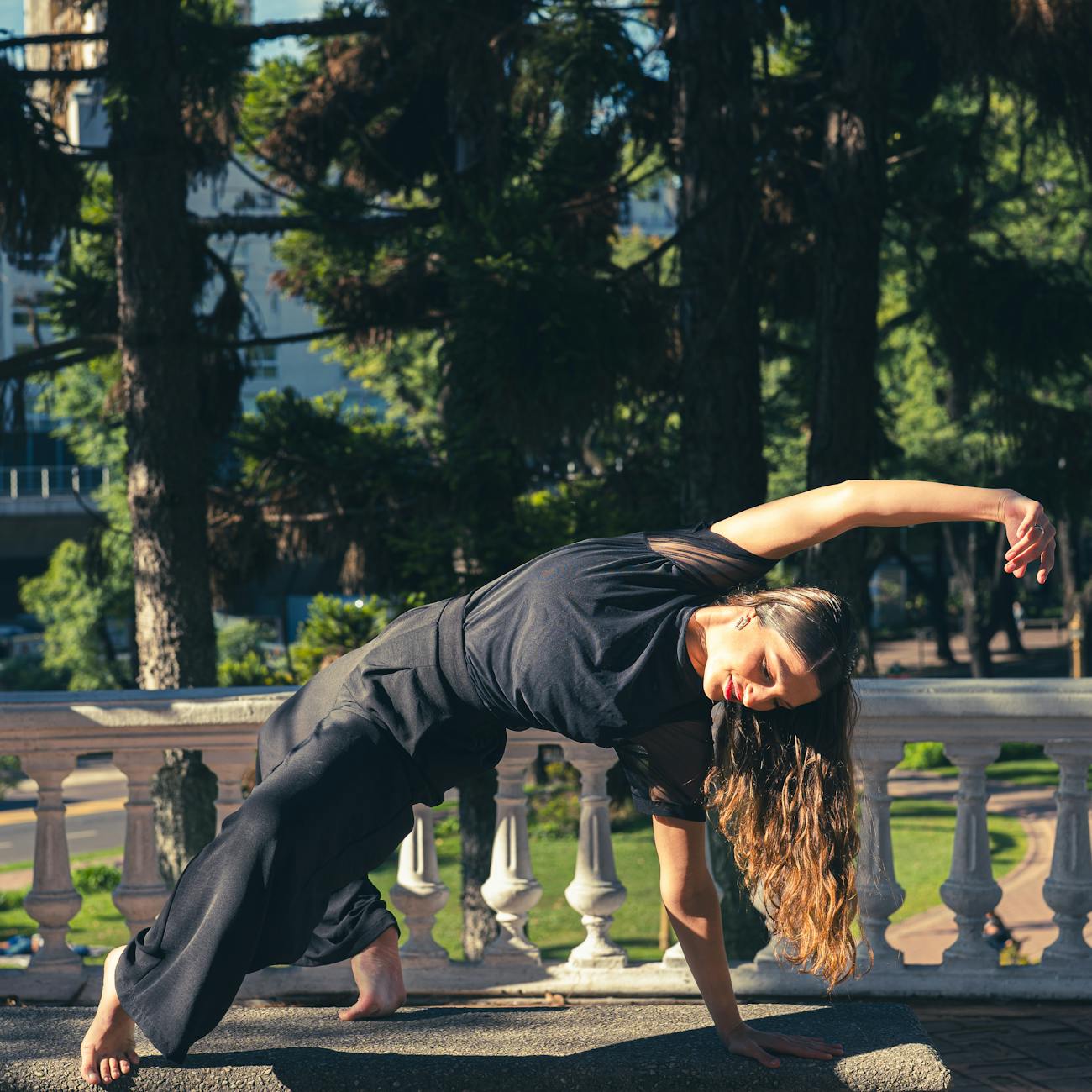
Muscles and tendons are crucial components of the musculoskeletal system that play a fundamental role in movement and stability. Understanding the key terms and vocabulary related to muscles and tendons is essential for dancers to prevent injuries, improve performance, and enhance their overall dance experience.
**Muscles**
Muscles are contractile tissues that enable movement by generating force through the interaction of actin and myosin proteins. They are classified into three main types: skeletal, smooth, and cardiac muscles. Skeletal muscles are attached to bones by tendons and are responsible for voluntary movement, such as dancing. Smooth muscles are found in organs like the digestive tract and blood vessels, while cardiac muscles are exclusive to the heart.
**Skeletal Muscles**
Skeletal muscles are the primary focus in dance anatomy as they are responsible for executing dance movements. These muscles are composed of muscle fibers that contract and relax to produce movement. Skeletal muscles are further categorized based on their function, shape, and location in the body.
1. **Agonist**: The primary muscle responsible for producing a specific movement. For example, the quadriceps are the agonists in knee extension during a grand battement.
2. **Antagonist**: The muscle that opposes the action of the agonist. In the example of knee extension, the hamstrings act as the antagonists.
3. **Synergist**: Muscles that assist the agonist in performing a movement. They help stabilize joints and provide additional support. The hip flexors can act as synergists during a développé.
4. **Fixator**: Muscles that stabilize the origin of the agonist to ensure efficient movement. For instance, the core muscles act as fixators during a pirouette to maintain balance and control.
**Muscle Actions**
Understanding the different actions that muscles can perform is crucial for dancers to execute movements accurately and efficiently. Common muscle actions include:
1. **Flexion**: Decreasing the angle between two bones, typically in the sagittal plane. For example, a plié involves flexion at the hip and knee joints.
2. **Extension**: Increasing the angle between two bones, often in the sagittal plane. A développé requires extension of the hip and knee joints.
3. **Abduction**: Moving a body part away from the midline of the body. A dancer performing a side leg lift is engaging in abduction.
4. **Adduction**: Moving a body part toward the midline of the body. Bringing the leg back to the center from a side leg lift involves adduction.
5. **Rotation**: Turning a body part around its axis. During a pirouette, the body undergoes rotation.
6. **Elevation**: Lifting a body part superiorly. Raising the arms overhead in a port de bras involves elevation.
7. **Depression**: Lowering a body part inferiorly. Dropping the shoulders down after raising them is an example of depression.
**Muscle Fiber Types**
Muscle fibers can be categorized into two main types based on their contraction speed and endurance capabilities:
1. **Fast-Twitch (Type II)**: Fast-twitch fibers generate quick, powerful contractions but fatigue rapidly. They are essential for explosive movements like jumps and leaps in dance.
2. **Slow-Twitch (Type I)**: Slow-twitch fibers contract more slowly but have greater endurance. These fibers are crucial for sustaining prolonged movements such as holding a balance or maintaining a plié position.
**Tendons**
Tendons are tough, fibrous connective tissues that connect muscles to bones, allowing the transfer of force generated by muscle contractions to produce movement. Tendons are composed of collagen fibers and are essential for stabilizing joints and maintaining proper alignment during dance movements.
**Tendon Functions**
Tendons serve several critical functions in the musculoskeletal system, including:
1. **Transmission of Force**: Tendons transmit the force generated by muscles to bones, enabling movement and supporting the body's weight during dance.
2. **Stabilization**: Tendons help stabilize joints by maintaining proper alignment and preventing excessive movement that could lead to injury.
3. **Energy Storage**: Tendons store and release energy during movement, allowing for efficient muscle contractions and dynamic performance.
4. **Shock Absorption**: Tendons absorb and distribute forces to protect muscles and bones from impact during high-intensity movements like jumps and landings.
**Tendon Injuries**
While tendons are essential for movement, they are also prone to injuries, especially in activities that involve repetitive or high-impact movements like dance. Common tendon injuries in dancers include:
1. **Tendonitis**: Inflammation of a tendon due to overuse or improper technique. Tendonitis can cause pain, swelling, and limited range of motion.
2. **Tendonosis**: Chronic degeneration of a tendon resulting from repetitive stress or poor biomechanics. Tendonosis can lead to tendon thickening, weakness, and increased risk of rupture.
3. **Tendon Rupture**: A severe injury where the tendon tears partially or completely, often requiring surgical intervention to repair.
4. **Tendon Sprain**: Stretching or tearing of a tendon due to sudden or excessive force. Tendon sprains can result in pain, instability, and loss of function.
**Preventing Tendon Injuries**
To minimize the risk of tendon injuries in dance, dancers should incorporate the following strategies into their training and practice:
1. **Proper Warm-up**: A thorough warm-up routine prepares muscles and tendons for activity by increasing blood flow and flexibility, reducing the risk of strain or injury.
2. **Cross-Training**: Engaging in a variety of physical activities can help prevent overuse injuries by distributing stress across different muscle groups and joints.
3. **Proper Technique**: Using correct alignment and form during dance movements can reduce strain on tendons and muscles, minimizing the risk of injury.
4. **Gradual Progression**: Gradually increasing the intensity and duration of dance training allows tendons to adapt and strengthen over time, reducing the likelihood of overuse injuries.
**Muscle Imbalances**
Muscle imbalances occur when certain muscles are stronger or tighter than their opposing muscles, leading to altered movement patterns and increased risk of injury. Common muscle imbalances in dancers include:
1. **Tight Hip Flexors**: Tight hip flexors can lead to an anterior pelvic tilt, affecting posture and alignment during dance movements.
2. **Weak Glutes**: Weak gluteal muscles can contribute to hip instability and poor turnout, impacting the execution of movements like développés and grand battements.
3. **Overactive Quadriceps**: Overactive quadriceps can overpower the hamstrings and glutes, leading to imbalances in the hip and knee joints and increasing the risk of injuries such as patellofemoral pain syndrome.
4. **Underactive Core**: A weak core can compromise stability and control during dynamic movements, increasing the risk of lower back pain and other injuries.
**Correcting Muscle Imbalances**
Addressing muscle imbalances is essential for dancers to optimize performance and prevent injuries. Strategies to correct muscle imbalances include:
1. **Stretching**: Targeted stretching exercises can help lengthen tight muscles and improve flexibility, restoring balance to the musculoskeletal system.
2. **Strength Training**: Strengthening weak muscles through resistance training can rebalance muscle groups and enhance overall stability and control.
3. **Proprioceptive Training**: Proprioception exercises focus on improving body awareness and control, helping dancers correct movement patterns and prevent injury.
4. **Postural Alignment**: Emphasizing proper alignment and posture in dance technique can help correct muscle imbalances and support optimal movement mechanics.
**Challenges in Muscle and Tendon Health**
Dancers face unique challenges related to muscle and tendon health due to the demands of their art form, including:
1. **Repetitive Movements**: The repetitive nature of dance movements can place excessive strain on muscles and tendons, increasing the risk of overuse injuries.
2. **High-Impact Landings**: Jumps and landings in dance require significant force absorption by muscles and tendons, making dancers susceptible to injuries like shin splints or stress fractures.
3. **Extreme Range of Motion**: Many dance movements require dancers to perform in extreme ranges of motion, challenging the flexibility and strength of muscles and tendons.
4. **Performance Pressure**: The pressure to excel in performances and competitions can lead dancers to push their bodies beyond their limits, increasing the risk of muscle and tendon injuries.
**Conclusion**
In conclusion, a comprehensive understanding of key terms and vocabulary related to muscles and tendons is essential for dancers to optimize their performance, prevent injuries, and enhance their overall dance experience. By familiarizing themselves with the functions, actions, and common injuries associated with muscles and tendons, dancers can take proactive steps to maintain optimal musculoskeletal health and support their longevity in the dance industry. Incorporating strategies to prevent injuries, correct muscle imbalances, and address the challenges unique to dance can help dancers achieve their full potential and enjoy a fulfilling and sustainable dance career.
Key takeaways
- Understanding the key terms and vocabulary related to muscles and tendons is essential for dancers to prevent injuries, improve performance, and enhance their overall dance experience.
- Smooth muscles are found in organs like the digestive tract and blood vessels, while cardiac muscles are exclusive to the heart.
- Skeletal muscles are the primary focus in dance anatomy as they are responsible for executing dance movements.
- For example, the quadriceps are the agonists in knee extension during a grand battement.
- In the example of knee extension, the hamstrings act as the antagonists.
- **Synergist**: Muscles that assist the agonist in performing a movement.
- For instance, the core muscles act as fixators during a pirouette to maintain balance and control.