
Anatomy of Movement
Anatomy of Movement is a crucial aspect of understanding how the body works in the context of dance. In the Certificate in Dance Anatomy course, you will encounter a variety of key terms and vocabulary that are essential for grasping the me…
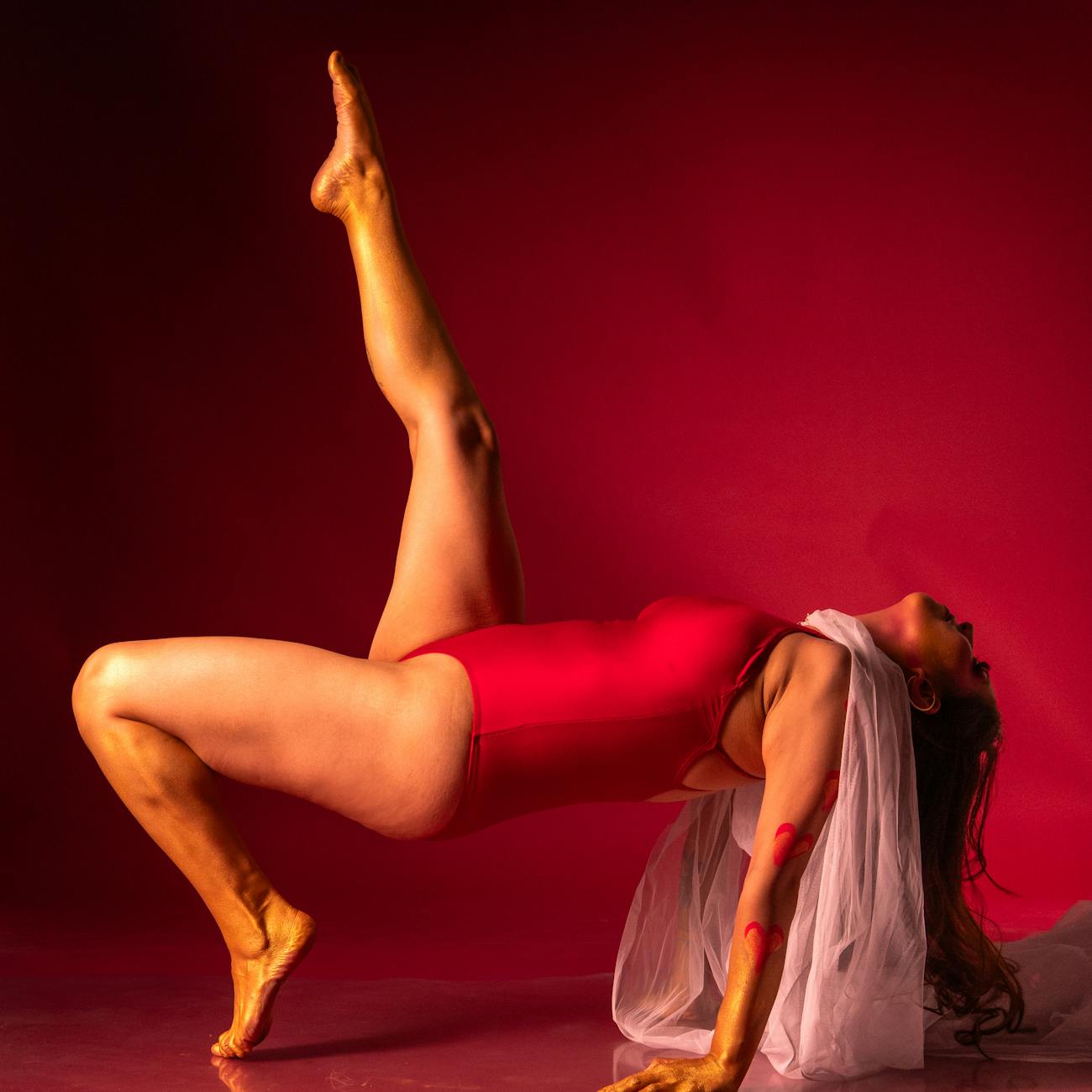
Anatomy of Movement is a crucial aspect of understanding how the body works in the context of dance. In the Certificate in Dance Anatomy course, you will encounter a variety of key terms and vocabulary that are essential for grasping the mechanics of movement and the importance of proper alignment and technique. Let's delve into some of these terms in detail:
**1. **Anatomy: Anatomy refers to the study of the structure of the body and its parts. In the context of movement, understanding the anatomy of muscles, bones, and joints is essential for dancers to execute movements efficiently and prevent injuries.
**2. Movement: Movement is the act of changing physical location or position. In dance, movement refers to the coordinated motion of the body in space, often in response to music or other stimuli.
**3. Muscles: Muscles are tissues in the body that contract and relax to produce movement. There are three types of muscles: skeletal muscles (responsible for voluntary movement), smooth muscles (found in organs and blood vessels), and cardiac muscles (found in the heart).
**4. Skeletal System: The skeletal system is the framework of bones that supports the body and protects internal organs. In dance, a strong skeletal system is essential for proper alignment and stability.
**5. Joints: Joints are where two or more bones meet. There are different types of joints in the body, including ball-and-socket joints (e.g., hip joint), hinge joints (e.g., knee joint), and pivot joints (e.g., neck joint). Joints allow for movement and flexibility in the body.
**6. Flexibility: Flexibility refers to the range of motion in a joint or group of joints. Dancers require a high level of flexibility to perform various movements and poses with ease.
**7. Range of Motion (ROM): Range of motion is the extent to which a joint can move in various directions. Improving and maintaining a healthy range of motion is crucial for dancers to execute movements effectively and avoid injuries.
**8. Alignment: Alignment refers to the proper positioning of the body parts in relation to each other. Good alignment is essential for optimal movement efficiency and injury prevention in dance.
**9. Posture: Posture is the position of the body while standing, sitting, or moving. Maintaining good posture is important for dancers to support the spine, engage core muscles, and achieve proper alignment.
**10. Core Stability: Core stability refers to the strength and control of the muscles in the abdomen, pelvis, and lower back. A strong core is essential for maintaining balance, stability, and control in dance movements.
**11. Balance: Balance is the ability to maintain the body's center of gravity over its base of support. Dancers rely on balance to execute movements on one leg, perform turns, and control transitions between movements.
**12. Coordination: Coordination is the ability to move different body parts smoothly and efficiently. Dancers need good coordination to execute complex movements that involve multiple body parts working together.
**13. Proprioception: Proprioception is the body's ability to sense the position, movement, and orientation of body parts without relying on vision. Developing proprioception is crucial for dancers to move with precision and control.
**14. Kinesthetic Awareness: Kinesthetic awareness is the perception of body position and movement in space. Dancers with a high level of kinesthetic awareness can make adjustments to their movements to improve technique and performance.
**15. Endurance: Endurance is the ability to sustain physical activity over an extended period. Dancers need good endurance to perform long routines, multiple repetitions, and high-intensity movements without fatigue.
**16. Strength: Strength is the ability of muscles to exert force against resistance. Building strength is important for dancers to support movements, maintain proper alignment, and prevent injuries.
**17. Cardiovascular Fitness: Cardiovascular fitness refers to the efficiency of the heart, lungs, and blood vessels in delivering oxygen to the muscles during sustained physical activity. Improving cardiovascular fitness can enhance stamina and endurance in dancers.
**18. Warm-up: A warm-up is a series of exercises performed before a dance practice or performance to prepare the body for movement. A proper warm-up increases blood flow to the muscles, improves flexibility, and reduces the risk of injury.
**19. Cool-down: A cool-down is a series of exercises performed after a dance practice or performance to gradually bring the body back to a resting state. A cool-down helps reduce muscle soreness, prevent stiffness, and promote recovery.
**20. Injury Prevention: Injury prevention involves taking steps to reduce the risk of injuries during dance practice or performance. Proper alignment, technique, conditioning, and rest are essential for preventing common dance injuries.
**21. Cross-Training: Cross-training involves incorporating a variety of exercises and activities into a dancer's training regimen to improve overall fitness, prevent overuse injuries, and enhance performance. Examples of cross-training activities include swimming, yoga, Pilates, and strength training.
**22. Stretching: Stretching is the practice of elongating muscles to improve flexibility and range of motion. Dancers often incorporate stretching exercises into their warm-up and cool-down routines to prepare the body for movement and prevent stiffness.
**23. Dynamic Stretching: Dynamic stretching involves moving the body through a full range of motion to warm up the muscles and increase flexibility. Dynamic stretching is effective for preparing the body for dynamic movements in dance.
**24. Static Stretching: Static stretching involves holding a stretch position for a period of time to lengthen muscles and improve flexibility. Static stretching is commonly used during cool-down routines to relax muscles and improve range of motion.
**25. Proprioceptive Neuromuscular Facilitation (PNF): PNF is a stretching technique that involves a combination of stretching and contracting muscles to improve flexibility. PNF stretching is often used by dancers to increase range of motion and enhance performance.
**26. Pilates: Pilates is a form of exercise that focuses on core strength, flexibility, and body awareness. Pilates exercises are beneficial for dancers to improve posture, alignment, and stability in movement.
**27. Yoga: Yoga is a mind-body practice that combines physical postures, breath control, and meditation. Yoga can help dancers improve flexibility, strength, balance, and mental focus.
**28. Nutrition: Nutrition plays a crucial role in supporting a dancer's overall health, energy levels, and performance. A well-balanced diet rich in nutrients, hydration, and proper fueling before and after dance activities are essential for optimal performance.
**29. Hydration: Hydration is the process of consuming an adequate amount of fluids to maintain proper body function and performance. Dancers need to stay hydrated before, during, and after rehearsals or performances to prevent fatigue and dehydration.
**30. Rest and Recovery: Rest and recovery are essential components of a dancer's training program to allow the body to repair and rebuild muscles, prevent overtraining, and reduce the risk of injuries. Proper sleep, rest days, and recovery strategies are important for maintaining overall health and performance.
**31. Performance Enhancement: Performance enhancement involves strategies to improve a dancer's technical skills, artistry, and overall performance quality. Mental preparation, visualization, goal setting, and feedback are key aspects of enhancing performance in dance.
**32. Body Awareness: Body awareness is the ability to recognize and understand how the body moves and feels in space. Developing body awareness helps dancers improve technique, alignment, and movement quality.
**33. Feedback: Feedback is information provided to dancers about their performance, technique, and progress. Constructive feedback from teachers, coaches, peers, or video recordings can help dancers identify areas for improvement and make adjustments to enhance their skills.
**34. Mind-Body Connection: The mind-body connection refers to the link between mental processes and physical movements. Dancers who cultivate a strong mind-body connection can improve focus, concentration, and emotional expression in their performances.
**35. Performance Anxiety: Performance anxiety is the feeling of nervousness or stress before or during a dance performance. Managing performance anxiety through relaxation techniques, positive self-talk, and mental preparation can help dancers perform at their best.
**36. Choreography: Choreography is the art of creating dance sequences or routines. Choreographers use movement, music, space, and storytelling to create expressive and engaging dance performances.
**37. Improvisation: Improvisation is the spontaneous creation of movement without pre-planned choreography. Improvisation allows dancers to explore creativity, musicality, and personal expression in the moment.
**38. Artistry: Artistry in dance refers to the ability to express emotions, stories, and ideas through movement. Developing artistry involves connecting with the music, conveying emotions, and engaging the audience with dynamic performances.
**39. Cross-cultural Influences: Cross-cultural influences in dance refer to the blending of different dance styles, traditions, and cultural elements from diverse regions or communities. Exploring cross-cultural influences can enrich dancers' creativity, movement vocabulary, and understanding of global dance practices.
**40. Professional Development: Professional development in dance involves pursuing opportunities to enhance technical skills, performance quality, and career opportunities. Continuing education, workshops, auditions, and networking are important aspects of professional development for dancers.
**41. Ethical Practices: Ethical practices in dance involve upholding principles of fairness, respect, integrity, and professionalism in all aspects of dance training, performance, and collaboration. Dancers are encouraged to adhere to ethical standards, treat others with respect, and contribute positively to the dance community.
**42. Inclusivity: Inclusivity in dance promotes diversity, equity, and accessibility for dancers of all backgrounds, abilities, and identities. Creating an inclusive dance environment fosters a sense of belonging, respect, and empowerment for all individuals to participate and thrive in dance.
**43. Injury Management: Injury management involves strategies to address and recover from dance-related injuries. Seeking professional medical advice, following recommended treatment plans, and incorporating rehabilitation exercises are essential for dancers to recover safely and return to dance activities.
**44. Performance Etiquette: Performance etiquette refers to the rules and behaviors that dancers should follow during rehearsals, auditions, classes, and performances. Showing respect for teachers, colleagues, audiences, and performance spaces is important for maintaining a positive and professional dance environment.
**45. Time Management: Time management skills are essential for dancers to balance training, rehearsals, performances, school or work commitments, and personal responsibilities. Effective time management techniques, prioritizing tasks, and setting realistic goals can help dancers optimize their schedules and achieve success in their dance pursuits.
**46. Self-care: Self-care in dance involves taking care of one's physical, mental, and emotional well-being to maintain health, prevent burnout, and sustain long-term performance. Self-care practices may include rest, relaxation, mindfulness, seeking support, and setting boundaries to prioritize self-health and wellness.
**47. Mentorship: Mentorship in dance involves forming relationships with experienced dancers, teachers, or professionals who provide guidance, support, and career advice. Mentors can offer valuable insights, encouragement, and opportunities for growth and development in the dance field.
**48. Lifelong Learning: Lifelong learning in dance emphasizes the importance of continuous education, exploration, and growth in one's dance practice and career. Embracing a mindset of curiosity, openness, and adaptability can help dancers evolve, improve skills, and stay engaged in the ever-changing dance landscape.
**49. Community Engagement: Community engagement in dance involves participating in outreach programs, collaborations, performances, or initiatives that benefit and connect dancers with broader communities. Engaging with diverse audiences, sharing dance experiences, and contributing to social impact projects can enrich dancers' experiences and make a positive difference in society.
**50. Reflective Practice: Reflective practice in dance involves self-assessment, feedback analysis, and critical reflection on one's performances, progress, and learning experiences. Reflecting on strengths, areas for improvement, and growth opportunities can help dancers enhance their skills, artistic expression, and personal development in dance.
These key terms and vocabulary provide a foundation for understanding the essential elements of Anatomy of Movement in the context of dance. By familiarizing yourself with these concepts and applying them to your dance practice, you can deepen your knowledge, improve your technique, and enhance your performance as a dancer.
Key takeaways
- In the Certificate in Dance Anatomy course, you will encounter a variety of key terms and vocabulary that are essential for grasping the mechanics of movement and the importance of proper alignment and technique.
- In the context of movement, understanding the anatomy of muscles, bones, and joints is essential for dancers to execute movements efficiently and prevent injuries.
- In dance, movement refers to the coordinated motion of the body in space, often in response to music or other stimuli.
- There are three types of muscles: skeletal muscles (responsible for voluntary movement), smooth muscles (found in organs and blood vessels), and cardiac muscles (found in the heart).
- Skeletal System: The skeletal system is the framework of bones that supports the body and protects internal organs.
- There are different types of joints in the body, including ball-and-socket joints (e.
- Dancers require a high level of flexibility to perform various movements and poses with ease.