
Breath and Relaxation
Breath and Relaxation are crucial components in dance anatomy as they play a significant role in the overall performance and well-being of dancers. Understanding how breath and relaxation affect the body can help dancers enhance their techn…
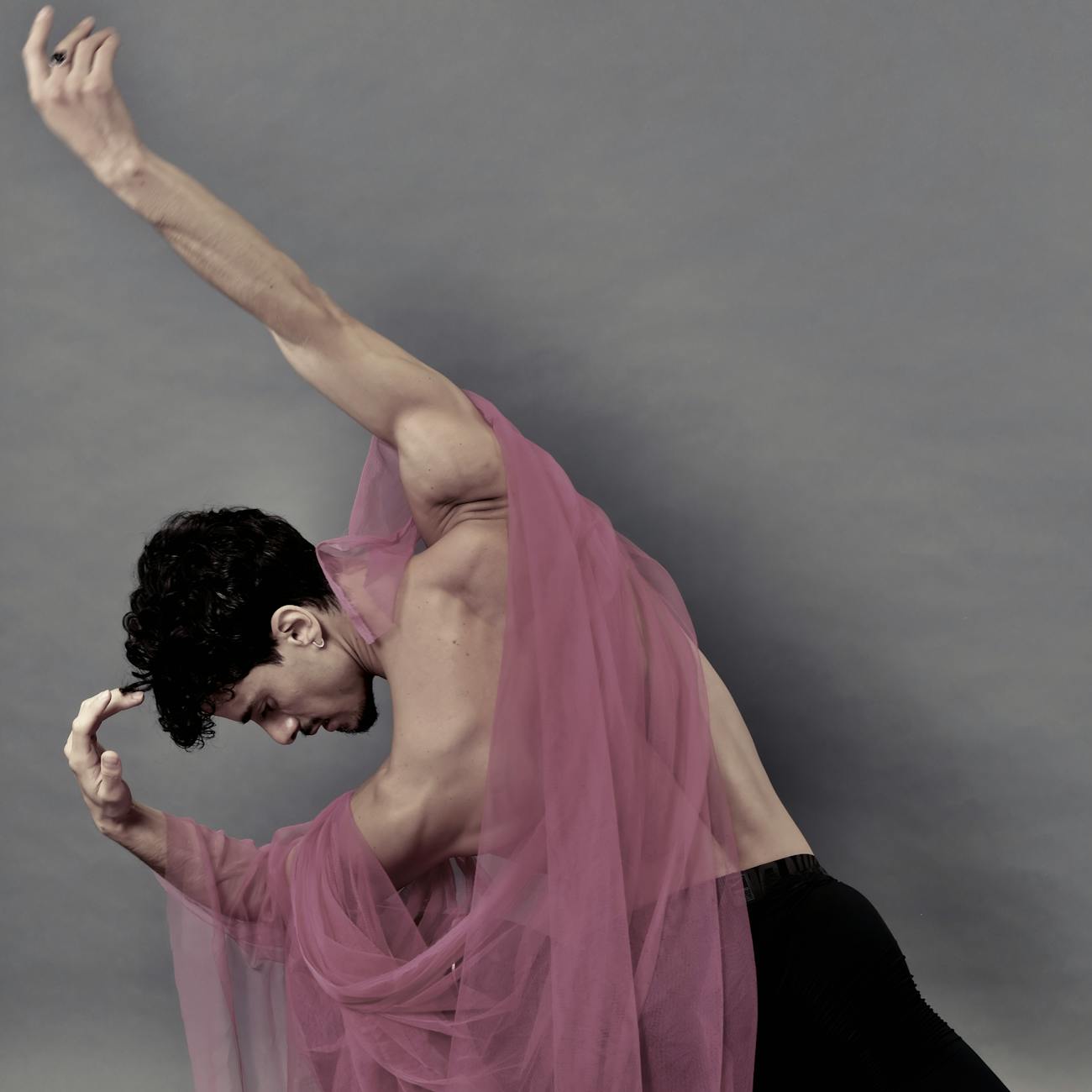
Breath and Relaxation are crucial components in dance anatomy as they play a significant role in the overall performance and well-being of dancers. Understanding how breath and relaxation affect the body can help dancers enhance their technique, prevent injuries, and improve their overall dance experience. In this course, we will delve into the key terms and vocabulary related to breath and relaxation in dance anatomy.
1. **Breath**: - **Diaphragm**: The primary muscle involved in breathing, located at the base of the lungs. When the diaphragm contracts, it increases the volume of the thoracic cavity, allowing air to enter the lungs. - **Inhalation**: The process of breathing in air, which involves the diaphragm contracting and moving downward. - **Exhalation**: The process of breathing out air, which involves the diaphragm relaxing and moving upward. - **Ribcage**: The structure formed by the ribs that protects the lungs and heart. The ribcage expands during inhalation and contracts during exhalation. - **Lung capacity**: The maximum amount of air the lungs can hold. Dancers can improve their lung capacity through specific breathing exercises.
2. **Relaxation**: - **Muscle tension**: The state of muscle contraction or tightness. Relaxation techniques help dancers release muscle tension to prevent injuries and improve flexibility. - **Mind-body connection**: The relationship between mental and physical relaxation. Dancers can use mindfulness techniques to connect with their bodies and achieve relaxation. - **Somatic awareness**: The ability to sense and control movement within the body. Developing somatic awareness can help dancers relax and move more efficiently. - **Proprioception**: The sense of the body's position in space. Improving proprioception can enhance relaxation and body awareness in dancers.
3. **Breath and Relaxation Techniques**: - **Deep breathing**: Involves breathing deeply into the abdomen to increase oxygen intake and promote relaxation. Dancers can use deep breathing before performances or during stressful situations. - **Breath control**: Refers to the ability to regulate the pace and depth of breathing. Dancers can practice breath control to improve endurance and stamina. - **Progressive muscle relaxation**: A technique that involves tensing and relaxing different muscle groups to release tension and promote relaxation. - **Visualization**: Using mental imagery to create a sense of relaxation and calm. Dancers can visualize peaceful scenes or positive outcomes to reduce performance anxiety. - **Meditation**: A practice that involves focusing the mind and calming the body. Dancers can incorporate meditation into their routine to improve concentration and relaxation.
4. **Benefits of Breath and Relaxation in Dance**: - **Improved performance**: Proper breathing and relaxation techniques can enhance stamina, endurance, and overall performance quality. - **Injury prevention**: Relaxing tense muscles and improving body awareness can help prevent injuries caused by overuse or poor technique. - **Stress reduction**: Breath and relaxation techniques can reduce stress levels, promote mental clarity, and enhance emotional well-being. - **Enhanced focus**: By incorporating breath and relaxation practices, dancers can improve their concentration and focus during performances and rehearsals. - **Body awareness**: Developing a strong mind-body connection through breath and relaxation can improve proprioception and movement quality.
5. **Challenges and Tips**: - **Consistency**: Developing a regular practice of breath and relaxation techniques can be challenging. Dancers should set aside time each day to work on these skills. - **Patience**: It may take time to see the benefits of breath and relaxation practices. Dancers should be patient and persistent in their efforts. - **Seek guidance**: Dancers can seek guidance from dance instructors, yoga teachers, or meditation experts to learn proper breath and relaxation techniques. - **Listen to your body**: Each dancer's body is unique, so it's essential to listen to your body's signals and adjust breath and relaxation practices accordingly. - **Incorporate into routine**: Integrating breath and relaxation techniques into daily warm-ups or cool-downs can help make them a natural part of your dance practice.
In conclusion, understanding the key terms and vocabulary related to breath and relaxation in dance anatomy is essential for dancers looking to improve their performance, prevent injuries, and enhance their overall dance experience. By incorporating breath and relaxation techniques into their practice, dancers can achieve greater body awareness, mental clarity, and emotional well-being.
Key takeaways
- Understanding how breath and relaxation affect the body can help dancers enhance their technique, prevent injuries, and improve their overall dance experience.
- - **Inhalation**: The process of breathing in air, which involves the diaphragm contracting and moving downward.
- Relaxation techniques help dancers release muscle tension to prevent injuries and improve flexibility.
- **Breath and Relaxation Techniques**: - **Deep breathing**: Involves breathing deeply into the abdomen to increase oxygen intake and promote relaxation.
- **Benefits of Breath and Relaxation in Dance**: - **Improved performance**: Proper breathing and relaxation techniques can enhance stamina, endurance, and overall performance quality.
- - **Incorporate into routine**: Integrating breath and relaxation techniques into daily warm-ups or cool-downs can help make them a natural part of your dance practice.
- In conclusion, understanding the key terms and vocabulary related to breath and relaxation in dance anatomy is essential for dancers looking to improve their performance, prevent injuries, and enhance their overall dance experience.