
Muscle Activation
Muscle Activation is a crucial concept in dance anatomy, as it directly impacts a dancer's performance, technique, and overall ability to execute movements effectively. Understanding how muscles activate, engage, and work together is essent…
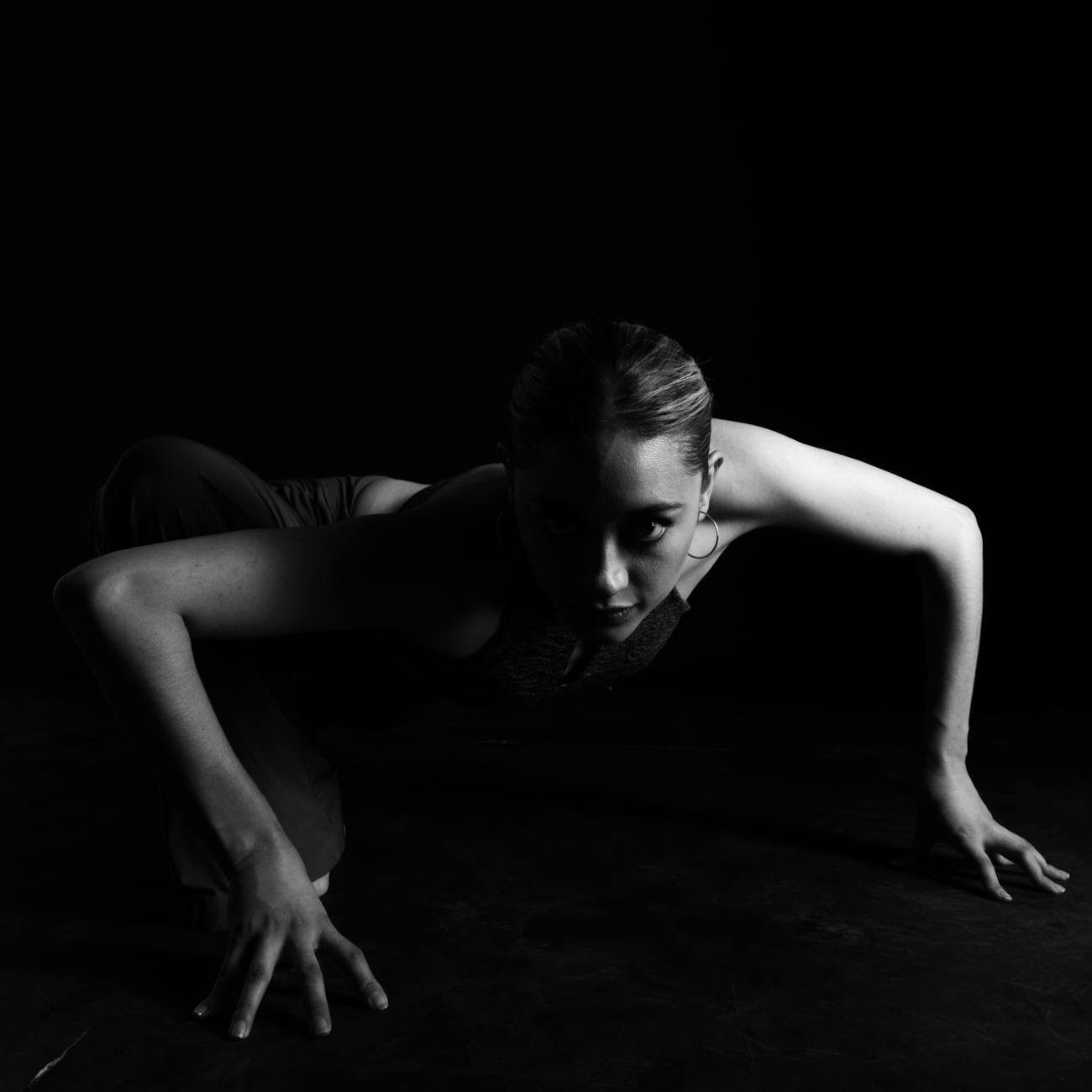
Muscle Activation is a crucial concept in dance anatomy, as it directly impacts a dancer's performance, technique, and overall ability to execute movements effectively. Understanding how muscles activate, engage, and work together is essential for dancers to optimize their training, prevent injuries, and enhance their dance skills. In this section, we will explore key terms and vocabulary related to muscle activation in dance anatomy.
1. **Muscle Contraction**: Muscle contraction is the process in which a muscle generates tension and shortens, resulting in movement. There are three types of muscle contractions: concentric, eccentric, and isometric.
2. **Concentric Contraction**: This type of muscle contraction occurs when a muscle shortens as it generates force against resistance. For example, during a bicep curl, the bicep muscle undergoes concentric contraction as it lifts the weight.
3. **Eccentric Contraction**: Eccentric contraction happens when a muscle lengthens as it contracts against resistance. An example of eccentric contraction is the downward phase of a squat when the quadriceps lengthen while controlling the descent.
4. **Isometric Contraction**: Isometric contraction is when a muscle contracts without changing length. This type of contraction helps stabilize the body during static movements like holding a balance or a plank position.
5. **Agonist**: The agonist muscle is the primary muscle responsible for creating a movement. For instance, during a grand battement in ballet, the hip flexors are the agonist muscles responsible for lifting the leg.
6. **Antagonist**: The antagonist muscle is the muscle that opposes the action of the agonist. In the grand battement example, the hamstrings act as antagonists, lengthening to allow the hip flexors to lift the leg.
7. **Synergist**: Synergist muscles assist the agonist muscle in performing a movement. They help stabilize joints, control movement, and provide additional force. In a pirouette, the core muscles act as synergists to help maintain balance and control rotation.
8. **Stabilizer**: Stabilizer muscles support the body and maintain proper alignment during movements. They help prevent excessive movement in joints and contribute to overall stability. The muscles of the rotator cuff in the shoulder are essential stabilizers during arm movements in dance.
9. **Recruitment**: Muscle recruitment refers to the activation of motor units within a muscle to produce movement. The nervous system recruits motor units based on the intensity and type of movement required.
10. **Motor Unit**: A motor unit consists of a motor neuron and the muscle fibers it innervates. When a motor neuron sends a signal to the muscle fibers, they contract simultaneously. Motor units vary in size and are recruited based on the demand of the movement.
11. **Neuromuscular Connection**: The neuromuscular connection is the communication pathway between the nervous system and muscles. It involves the transmission of signals from the brain to the muscles to initiate and control movement.
12. **Proprioception**: Proprioception is the body's ability to sense its position, movement, and spatial orientation. It plays a vital role in muscle activation, coordination, and balance during dance movements.
13. **Muscle Memory**: Muscle memory is the ability of muscles to repeat a specific movement pattern through repetitive practice. It allows dancers to perform movements automatically without conscious effort.
14. **Muscle Fatigue**: Muscle fatigue occurs when muscles are unable to generate or sustain the required force during prolonged or intense activity. It can affect performance, coordination, and increase the risk of injury.
15. **Reciprocal Inhibition**: Reciprocal inhibition is a neuromuscular phenomenon where the antagonist muscle relaxes to allow the agonist muscle to contract effectively. This mechanism ensures smooth and coordinated movement.
16. **Stretch Reflex**: The stretch reflex is a protective mechanism that responds to a sudden stretch in a muscle by causing it to contract reflexively. This reflex helps maintain muscle tone and prevent overstretching.
17. **Muscle Imbalance**: Muscle imbalance occurs when there is a disproportionate strength or flexibility between agonist and antagonist muscles. It can lead to poor posture, inefficient movement patterns, and increased risk of injury.
18. **Alignment**: Alignment refers to the optimal positioning of body segments in relation to each other. Proper alignment is essential for efficient muscle activation, joint stability, and injury prevention during dance movements.
19. **Core Stability**: Core stability is the ability of the muscles in the trunk and pelvis to support and control movement in the extremities. A strong core is essential for balance, control, and power in dance.
20. **Dynamic Stability**: Dynamic stability involves maintaining balance and control during dynamic movements such as jumps, turns, and leaps. It requires coordinated muscle activation, proprioception, and core strength.
21. **Muscle Endurance**: Muscle endurance is the ability of muscles to sustain repeated contractions over an extended period. It is crucial for dancers to maintain performance quality throughout a dance routine.
22. **Motor Control**: Motor control is the ability to coordinate and execute movements effectively through the integration of sensory information, muscle activation, and neuromuscular coordination.
23. **Feedback Mechanism**: The feedback mechanism involves receiving sensory information about movement and adjusting muscle activation accordingly. Feedback helps dancers make corrections, improve technique, and prevent injuries.
24. **Kinetic Chain**: The kinetic chain is the interconnected system of joints, muscles, and nerves that work together to produce movement. A well-functioning kinetic chain is essential for efficient muscle activation and movement quality.
25. **Muscle Tension**: Muscle tension is the force generated by muscles during contraction. Proper muscle tension is necessary for generating power, controlling movement, and executing precise dance techniques.
26. **Motor Learning**: Motor learning is the process of acquiring and refining motor skills through practice, feedback, and repetition. It involves improving muscle activation patterns, coordination, and movement efficiency.
27. **Biomechanics**: Biomechanics is the study of the mechanical principles that govern human movement. Understanding biomechanics helps dancers optimize muscle activation, improve technique, and prevent injuries.
28. **Motor Development**: Motor development refers to the progression of motor skills from simple to complex movements over time. It involves the maturation of neuromuscular connections, muscle activation patterns, and coordination.
29. **Neuromuscular Adaptations**: Neuromuscular adaptations are changes in the nervous system and muscles in response to training stimuli. These adaptations can include increased muscle recruitment, improved coordination, and enhanced performance.
30. **Cross-training**: Cross-training involves incorporating different types of exercises and activities into a training regimen to improve overall fitness, prevent overuse injuries, and enhance muscle activation patterns.
31. **Periodization**: Periodization is a training strategy that involves dividing the training program into specific phases to optimize performance, prevent plateaus, and manage fatigue. It helps dancers improve muscle activation, strength, and endurance progressively.
32. **Overload Principle**: The overload principle states that to see improvements in muscle activation and performance, the body must be exposed to a workload greater than what it is accustomed to. Gradually increasing the intensity of training stimulates muscle growth and development.
33. **Recovery**: Recovery is the process of allowing the body to rest and repair itself after intense physical activity. Adequate rest, nutrition, and recovery strategies are essential for muscle recovery, adaptation, and overall performance.
34. **Hydration**: Hydration is crucial for muscle function, performance, and recovery. Proper hydration ensures optimal muscle activation, joint lubrication, and temperature regulation during dance training and performance.
35. **Nutrition**: Nutrition plays a significant role in muscle activation, energy production, and overall performance. A balanced diet rich in macronutrients, micronutrients, and hydration supports muscle health and recovery in dancers.
36. **Flexibility**: Flexibility is the range of motion around a joint. Maintaining adequate flexibility through stretching helps prevent muscle imbalances, improve muscle activation, and reduce the risk of injuries in dance.
37. **Strength Training**: Strength training involves exercises that target specific muscle groups to improve strength, power, and muscle activation. Incorporating strength training into a dance regimen enhances performance, stability, and injury prevention.
38. **Plyometrics**: Plyometrics are explosive exercises that involve rapid stretching and contracting of muscles to improve power, speed, and muscle activation. Plyometric training benefits dancers by enhancing jump height, quickness, and dynamic stability.
39. **Mobility**: Mobility refers to the ability to move a joint through its full range of motion. Improving joint mobility through dynamic stretching and mobility exercises enhances muscle activation, movement quality, and performance in dance.
40. **Rehabilitation**: Rehabilitation is the process of restoring function, strength, and flexibility in injured muscles or joints. Proper rehabilitation protocols help dancers recover from injuries, regain muscle activation, and prevent re-injury.
41. **Prehabilitation**: Prehabilitation involves proactively addressing muscle imbalances, weaknesses, and movement dysfunctions to prevent injuries before they occur. Prehab exercises focus on improving muscle activation, stability, and mobility to support optimal performance.
42. **Cross-fiber Massage**: Cross-fiber massage is a technique that involves applying pressure across the muscle fibers to release tension, improve circulation, and enhance muscle activation. It helps reduce muscle tightness, soreness, and improve recovery in dancers.
43. **Foam Rolling**: Foam rolling is a self-myofascial release technique that involves using a foam roller to massage and release tight muscles. Foam rolling improves muscle activation, flexibility, and recovery by breaking up adhesions and increasing blood flow.
44. **Trigger Points**: Trigger points are localized areas of muscle tightness and tenderness that can cause pain and restrict movement. Releasing trigger points through massage, stretching, or trigger point therapy helps improve muscle activation and reduce pain in dancers.
45. **Active Stretching**: Active stretching involves using the muscles themselves to stretch and lengthen. It helps improve muscle activation, flexibility, and joint mobility by engaging the muscles in the stretching process.
46. **Passive Stretching**: Passive stretching is when an external force, such as a partner or prop, assists in stretching the muscles. It helps improve flexibility, muscle relaxation, and joint mobility in dancers.
47. **Dynamic Stretching**: Dynamic stretching involves moving joints through a full range of motion in a controlled manner. It helps improve muscle activation, warm-up the body, and prepare muscles for dance movements.
48. **Static Stretching**: Static stretching involves holding a stretch position for a set period without movement. It helps improve flexibility, reduce muscle tension, and enhance muscle activation when done after physical activity.
49. **Balanced Muscle Development**: Balanced muscle development is the goal of achieving symmetry and proportion in muscle strength and flexibility throughout the body. It helps prevent muscle imbalances, improve muscle activation, and support optimal performance in dance.
50. **Motor Control Exercises**: Motor control exercises focus on improving coordination, muscle activation patterns, and movement quality. These exercises help dancers develop neuromuscular control, stability, and efficiency in performing dance movements.
In conclusion, understanding the key terms and vocabulary related to muscle activation in dance anatomy is essential for dancers to optimize their training, enhance performance, and prevent injuries. By incorporating concepts such as muscle contraction, agonist-antagonist relationships, neuromuscular connections, and biomechanics into their training, dancers can improve muscle activation patterns, movement quality, and overall dance proficiency. Developing a strong foundation in muscle activation not only benefits dancers in their technical execution but also contributes to their overall health, well-being, and longevity in the dance profession.
Key takeaways
- Muscle Activation is a crucial concept in dance anatomy, as it directly impacts a dancer's performance, technique, and overall ability to execute movements effectively.
- **Muscle Contraction**: Muscle contraction is the process in which a muscle generates tension and shortens, resulting in movement.
- **Concentric Contraction**: This type of muscle contraction occurs when a muscle shortens as it generates force against resistance.
- An example of eccentric contraction is the downward phase of a squat when the quadriceps lengthen while controlling the descent.
- This type of contraction helps stabilize the body during static movements like holding a balance or a plank position.
- For instance, during a grand battement in ballet, the hip flexors are the agonist muscles responsible for lifting the leg.
- In the grand battement example, the hamstrings act as antagonists, lengthening to allow the hip flexors to lift the leg.