
Drone Maintenance Fundamentals
Drone Maintenance Fundamentals
Drone Maintenance Fundamentals
Introduction Drone maintenance is a critical aspect of ensuring the safe and efficient operation of unmanned aerial vehicles (UAVs). Proper maintenance procedures help prevent accidents, extend the lifespan of drones, and reduce overall operating costs. In this course, we will cover the key terms and vocabulary essential for understanding drone maintenance fundamentals.
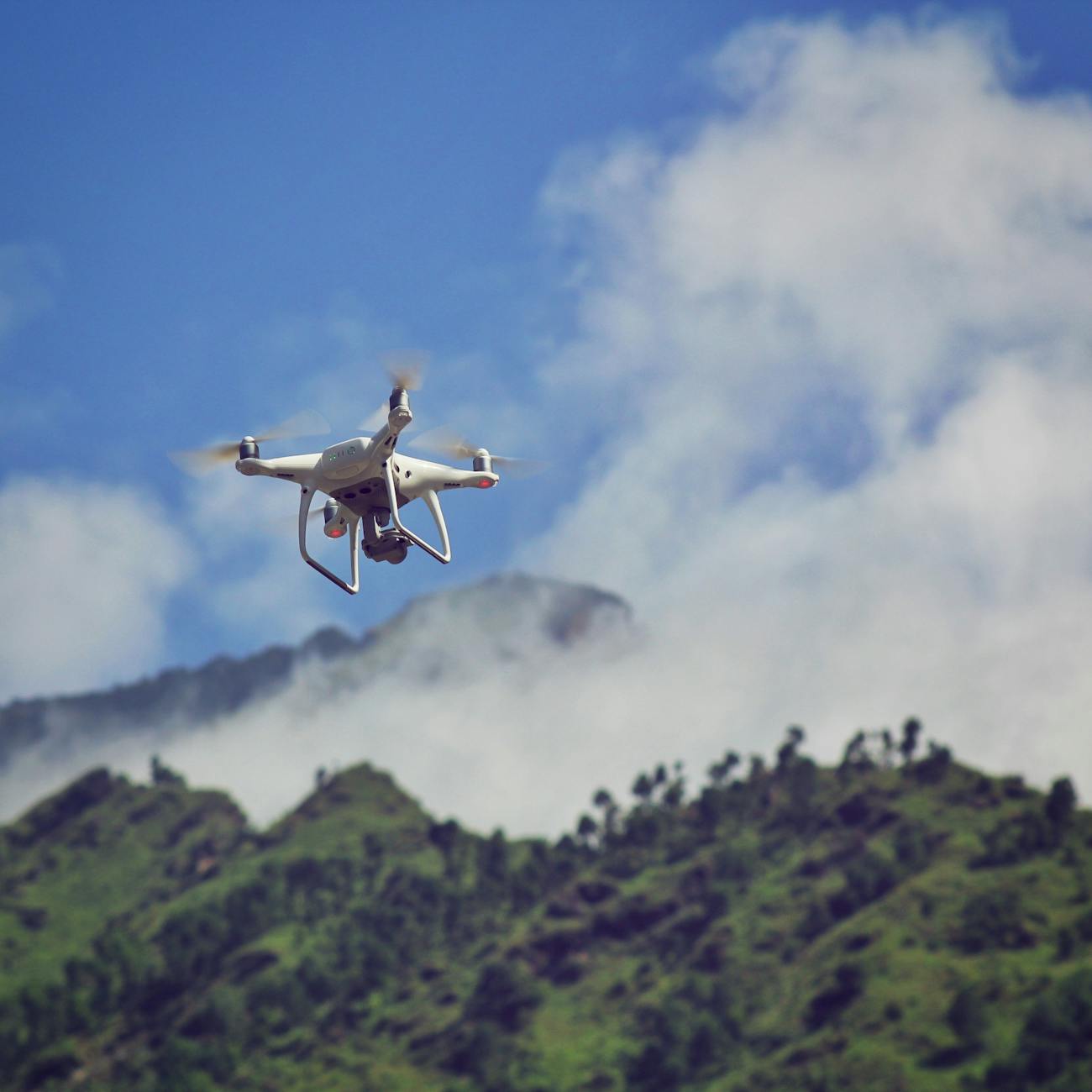
1. Drone A drone, also known as an unmanned aerial vehicle (UAV), is an aircraft operated without a human pilot on board. Drones come in various shapes and sizes, ranging from small consumer quadcopters to large military surveillance drones.
2. Maintenance Maintenance refers to the process of keeping a drone in good working condition through regular inspections, repairs, and upgrades. Proper maintenance helps prevent mechanical failures and ensures the drone's continued airworthiness.
3. Repair Repair involves fixing any damage or malfunction in a drone to restore it to operational status. Repairs can range from minor adjustments to major component replacements, depending on the extent of the damage.
4. Certified Specialist Programme The Certified Specialist Programme in Drone Maintenance and Repair is a comprehensive training program designed to equip individuals with the skills and knowledge needed to maintain and repair drones effectively. Participants will learn about drone systems, troubleshooting techniques, and best practices in maintenance.
5. Component A component is a part or element of a drone that contributes to its overall functionality. Common drone components include motors, propellers, batteries, flight controllers, and cameras.
6. Routine Maintenance Routine maintenance involves regular inspections and preventive measures to ensure that a drone is in optimal condition. This includes checking for wear and tear, cleaning the drone, and calibrating sensors.
7. Scheduled Maintenance Scheduled maintenance refers to planned maintenance activities performed at specific intervals to prevent unexpected failures. This may include replacing components, updating software, and conducting performance tests.
8. Preventive Maintenance Preventive maintenance aims to anticipate and address potential issues before they lead to downtime or accidents. By conducting regular inspections and servicing, preventive maintenance helps extend the lifespan of a drone.
9. Corrective Maintenance Corrective maintenance involves repairing a drone after a malfunction or breakdown has occurred. This type of maintenance is reactive and aims to restore the drone to operational status as quickly as possible.
10. Troubleshooting Troubleshooting is the process of identifying and resolving issues in a drone. This involves diagnosing problems, analyzing symptoms, and implementing solutions to restore the drone's functionality.
11. Calibration Calibration is the process of adjusting sensors, controllers, and other components to ensure accurate and precise operation. Proper calibration is essential for maintaining flight stability and accuracy.
12. Firmware Firmware is the software embedded in a drone's hardware that controls its operation. Updating firmware regularly is crucial for improving performance, fixing bugs, and ensuring compatibility with other components.
13. Ground Control Station A ground control station is a system used to communicate with and control a drone during flight. It provides real-time data, telemetry, and commands to the drone pilot.
14. Battery Management Battery management involves monitoring, charging, and maintaining the batteries used in a drone. Proper battery management is crucial for ensuring flight safety and maximizing the drone's endurance.
15. Flight Log Analysis Flight log analysis is the process of reviewing and analyzing data recorded during drone flights. This helps identify trends, performance issues, and potential areas for improvement in maintenance practices.
16. Safety Procedures Safety procedures are protocols and guidelines designed to minimize risks and prevent accidents during drone maintenance activities. Following safety procedures is essential for protecting personnel and equipment.
17. Environmental Factors Environmental factors such as temperature, humidity, and wind conditions can impact the performance and operation of a drone. Understanding how these factors affect drones is crucial for safe and efficient maintenance.
18. Quality Assurance Quality assurance involves ensuring that maintenance and repair activities meet established standards and specifications. Quality assurance processes help maintain consistency and reliability in drone operations.
19. Regulatory Compliance Regulatory compliance refers to adhering to laws, regulations, and industry standards governing drone operations. Compliance ensures that drones are operated safely and responsibly within legal frameworks.
20. Risk Assessment Risk assessment involves evaluating potential hazards and risks associated with drone maintenance activities. By identifying and mitigating risks, maintenance personnel can prevent accidents and ensure workplace safety.
21. Documentation Documentation is the process of recording maintenance activities, inspections, repairs, and other relevant information. Accurate documentation is essential for tracking maintenance histories and compliance with regulations.
22. Remote Sensing Remote sensing is the use of sensors and imaging technologies on drones to collect data from a distance. Remote sensing applications include aerial photography, mapping, and environmental monitoring.
23. Payload A payload is any additional equipment or sensors carried by a drone for specific purposes. Common payloads include cameras, sensors, and delivery mechanisms used for various applications.
24. Software Updates Software updates involve installing the latest firmware, software patches, and enhancements to improve the performance and functionality of a drone. Regular software updates are essential for staying current with technology advancements.
25. Data Security Data security refers to protecting sensitive information collected and stored by drones during operations. Implementing data encryption, access controls, and secure storage practices is crucial for safeguarding data integrity.
26. Emergency Procedures Emergency procedures are protocols and actions to be taken in case of unexpected incidents or accidents during drone maintenance. Being prepared for emergencies helps minimize downtime and ensure swift responses to critical situations.
27. Maintenance Checklist A maintenance checklist is a detailed list of tasks and inspections to be performed during routine maintenance activities. Following a checklist helps ensure thorough and consistent maintenance practices.
28. Endurance Testing Endurance testing involves subjecting a drone to extended flight operations to evaluate its reliability and performance under various conditions. Endurance testing helps identify potential weaknesses and improve overall durability.
29. Compliance Audits Compliance audits are formal assessments of maintenance procedures and practices to ensure adherence to regulations and standards. Conducting regular audits helps identify areas for improvement and maintain compliance.
30. Remote Maintenance Remote maintenance involves diagnosing and repairing drones from a distance using telemetry data, remote access tools, and communication technologies. Remote maintenance capabilities are essential for managing drones in remote locations.
31. Failure Analysis Failure analysis is the process of investigating and determining the root causes of drone malfunctions or breakdowns. Understanding failure modes helps prevent similar issues in the future through targeted maintenance actions.
32. Data Logging Data logging involves recording and storing operational data from drones for analysis and troubleshooting purposes. Data logging helps track performance metrics, identify trends, and optimize maintenance strategies.
33. Component Replacement Component replacement involves removing and installing new parts or components in a drone to address wear and damage. Proper component replacement is essential for maintaining the reliability and safety of drones.
34. System Integration System integration refers to the process of combining different components and subsystems in a drone to work together seamlessly. Effective system integration ensures compatibility, performance, and reliability in drone operations.
35. Performance Testing Performance testing involves evaluating the operational capabilities and limits of a drone under controlled conditions. Conducting performance tests helps verify functionality, identify issues, and optimize performance parameters.
36. Risk Management Risk management involves identifying, assessing, and mitigating risks associated with drone maintenance activities. Implementing risk management strategies helps minimize potential threats and ensure safe operations.
37. Maintenance Records Maintenance records are detailed logs and documentation of all maintenance activities performed on a drone. Keeping accurate maintenance records is essential for tracking maintenance histories, compliance, and warranty claims.
38. Sensor Calibration Sensor calibration is the process of adjusting and aligning sensors in a drone to ensure accurate data collection and processing. Proper sensor calibration is crucial for maintaining precision and reliability in drone operations.
39. Operational Readiness Operational readiness refers to the state of readiness and preparedness of a drone for deployment. Ensuring operational readiness involves conducting pre-flight checks, maintenance inspections, and system tests.
40. Remote Monitoring Remote monitoring involves tracking and analyzing real-time data from drones during operations. Remote monitoring capabilities enable operators to monitor performance, detect issues, and make informed decisions remotely.
41. Fleet Management Fleet management involves overseeing and coordinating multiple drones within an organization. Effective fleet management includes maintenance scheduling, performance tracking, and resource allocation for optimal operations.
42. Compliance Reporting Compliance reporting involves documenting and reporting maintenance activities to regulatory authorities to demonstrate adherence to standards and regulations. Compliance reporting is essential for maintaining legal compliance and accountability.
43. Predictive Maintenance Predictive maintenance uses data analytics and monitoring technologies to predict and prevent potential failures in drones. By analyzing performance trends and data patterns, predictive maintenance helps optimize maintenance schedules and reduce downtime.
44. Component Testing Component testing involves assessing the functionality and performance of individual components in a drone. Conducting component tests helps identify faulty parts, verify specifications, and ensure overall system integrity.
45. Hazard Analysis Hazard analysis is the process of identifying and evaluating potential hazards and risks in drone maintenance activities. By conducting hazard analyses, maintenance personnel can implement controls and measures to mitigate risks effectively.
46. Performance Metrics Performance metrics are quantitative measures used to assess the performance and efficiency of drones. Monitoring performance metrics helps track key indicators, identify trends, and make data-driven decisions for maintenance optimization.
47. Remote Diagnostics Remote diagnostics involve troubleshooting and diagnosing drone issues from a distance using telemetry data and remote access tools. Remote diagnostics capabilities enable quick problem resolution without physical access to the drone.
48. Maintenance Planning Maintenance planning involves developing schedules, procedures, and resource allocations for effective drone maintenance. Proper maintenance planning helps optimize maintenance activities, reduce downtime, and ensure operational reliability.
49. Compliance Management Compliance management involves overseeing and ensuring adherence to regulations, standards, and procedures in drone maintenance operations. Effective compliance management is essential for maintaining legal compliance and operational integrity.
50. Training and Certification Training and certification programs provide individuals with the knowledge and skills required to perform drone maintenance tasks effectively. Completing training and certification enhances competency, professionalism, and safety in maintenance practices.
Conclusion Understanding the key terms and vocabulary related to drone maintenance fundamentals is essential for individuals looking to pursue a career in drone maintenance and repair. By mastering these concepts, participants in the Certified Specialist Programme in Drone Maintenance and Repair will be equipped to maintain drones safely, efficiently, and in compliance with industry standards.
Drone Maintenance Fundamentals:
Drone A drone, also known as an unmanned aerial vehicle (UAV), is an aircraft without a human pilot on board. Drones can be remotely controlled or fly autonomously through software-controlled flight plans.
Maintenance Maintenance refers to the process of ensuring that a drone is in optimal operating condition. Regular maintenance is crucial to prevent malfunctions and ensure safe and efficient operation.
Repair Repair involves fixing any issues or damages that occur with a drone. It is essential to have the necessary skills and knowledge to conduct repairs safely and effectively.
Certified Specialist Programme The Certified Specialist Programme in Drone Maintenance and Repair is a comprehensive training program designed to equip individuals with the skills and knowledge needed to maintain and repair drones effectively.
Key Terms and Vocabulary:
1. Propellers: Propellers are rotating blades that generate lift and thrust to keep a drone airborne. They are a critical component of a drone and must be regularly inspected for damage or wear.
2. Motors: Motors are the power source for propellers and are responsible for driving them to generate lift and thrust. Motors should be checked for proper functioning and any signs of overheating.
3. Batteries: Batteries provide power to the drone's electronics and motors. Proper battery maintenance, including charging and storage practices, is essential to ensure optimal performance and longevity.
4. Flight Controller: The flight controller is the brain of the drone, responsible for stabilizing and controlling its flight. It is essential to calibrate and update the flight controller regularly to ensure accurate flight performance.
5. GPS Module: The GPS module enables the drone to navigate and maintain position accurately. Regular calibration and testing of the GPS module are crucial to ensure precise flight operations.
6. ESC (Electronic Speed Controller): The ESC regulates the speed of the motors based on input from the flight controller. Proper calibration and maintenance of the ESC are essential to ensure smooth and stable flight performance.
7. Frame: The frame is the structure that holds all the components of the drone together. Regular inspection of the frame for cracks or damage is crucial to prevent structural failure during flight.
8. Camera/Gimbal: Many drones are equipped with cameras and gimbals for capturing aerial footage. Proper maintenance of the camera and gimbal, including lens cleaning and gimbal calibration, is essential for high-quality video and image capture.
9. Transmitter/Receiver: The transmitter is used to control the drone remotely, while the receiver receives the signals and translates them into commands for the drone. Regular testing and maintenance of the transmitter and receiver are crucial for safe and effective drone operation.
10. Calibration: Calibration involves adjusting and aligning various components of the drone to ensure accurate and stable flight performance. Calibration should be done regularly to maintain optimal operation.
11. Firmware Updates: Firmware updates are software updates that improve the performance and functionality of the drone. Regularly updating the firmware of the drone and its components is essential to ensure compatibility and stability.
12. Pre-flight Checks: Pre-flight checks are a series of inspections and tests conducted before each flight to ensure that the drone is in proper working condition. Pre-flight checks help prevent accidents and malfunctions during flight.
13. Troubleshooting: Troubleshooting involves identifying and fixing issues that arise during drone operation. Effective troubleshooting skills are essential for diagnosing and resolving problems quickly and efficiently.
14. Safety Procedures: Safety procedures are guidelines and protocols designed to ensure the safe operation of drones. Adhering to safety procedures is crucial to prevent accidents and injuries during drone maintenance and repair.
15. Risk Assessment: Risk assessment involves identifying potential risks and hazards associated with drone maintenance and repair activities. Conducting a risk assessment helps mitigate risks and ensure a safe working environment.
16. Tool Identification and Proper Use: Knowing how to identify and use the right tools for drone maintenance and repair is essential. Using tools correctly helps prevent damage to the drone and ensures efficient work.
17. Storage and Transport: Proper storage and transport practices are essential to protect the drone from damage and ensure its longevity. Storing the drone in a cool, dry place and using a protective case during transport can prevent accidents and wear.
18. Environmental Factors: Environmental factors such as wind, rain, temperature, and humidity can affect drone performance. Understanding how these factors impact drone operation is crucial for safe and effective flying.
19. Regulations and Compliance: Drone operation is subject to regulations and compliance requirements set by aviation authorities. Understanding and adhering to these regulations is essential to avoid legal issues and ensure safe drone operation.
20. Data Management: Data management involves storing and organizing flight data and logs. Proper data management practices help track maintenance activities, flight history, and performance metrics for the drone.
21. Software Tools and Applications: Software tools and applications are used for drone maintenance, repair, and flight planning. Understanding how to use these tools effectively can streamline operations and improve efficiency.
22. Remote Pilot Certification: Remote pilot certification is required in many countries to operate drones commercially. Obtaining a remote pilot certification demonstrates proficiency in drone operation and safety protocols.
23. Preventive Maintenance: Preventive maintenance involves regularly inspecting and servicing the drone to prevent potential issues from arising. Following a preventive maintenance schedule can help prolong the drone's lifespan and ensure reliable performance.
24. Component Replacement: Component replacement involves replacing damaged or worn-out parts of the drone with new ones. Knowing how to identify and replace components correctly is essential for maintaining the drone's functionality.
25. Quality Control: Quality control involves ensuring that all maintenance and repair work meets the highest standards of quality. Implementing quality control measures helps maintain the drone's performance and reliability.
26. Documentation and Record-keeping: Documentation and record-keeping involve maintaining detailed records of maintenance activities, repairs, and flight operations. Keeping accurate records can help track the drone's maintenance history and identify trends or issues.
27. Continuing Education and Training: Continuing education and training are essential for staying updated on the latest developments in drone technology and maintenance practices. Engaging in ongoing training helps improve skills and knowledge in the field.
Practical Applications:
Example 1: During a pre-flight check, a drone operator notices that one of the propellers is damaged. The operator must replace the damaged propeller before the flight to ensure safe operation.
Example 2: After a flight, a drone's battery is showing signs of swelling, indicating a potential defect. The operator should safely dispose of the damaged battery and replace it with a new one to prevent safety risks.
Example 3: A drone maintenance technician performs a firmware update on the flight controller to improve stability and performance. The technician ensures that the update is successful before conducting a test flight.
Challenges:
Challenge 1: Identifying and troubleshooting intermittent issues that only occur during flight can be challenging. Proper data collection and analysis are essential to diagnose and resolve such problems effectively.
Challenge 2: Keeping up with the rapidly evolving drone technology and software updates can be challenging for maintenance professionals. Continuous learning and training are necessary to stay current with industry advancements.
Challenge 3: Adhering to strict regulations and compliance requirements while conducting maintenance and repair activities is crucial. Failure to comply with regulations can result in legal consequences and safety risks.
Challenge 4: Balancing preventive maintenance tasks with reactive repairs can be challenging, especially in fast-paced environments. Prioritizing maintenance activities based on criticality and impact on drone performance is essential.
Conclusion:
Mastering drone maintenance fundamentals is essential for ensuring the safe and efficient operation of drones. By understanding key terms and vocabulary, practicing practical applications, and addressing challenges effectively, drone maintenance professionals can maintain drones effectively and prolong their lifespan. Continuing education, adherence to safety procedures, and quality control measures are crucial for maintaining high standards in drone maintenance and repair.
Drone Maintenance Fundamentals
Welcome to the Certified Specialist Programme in Drone Maintenance and Repair. In this course, you will learn essential concepts, techniques, and best practices for maintaining and repairing drones. Let's dive into the key terms and vocabulary you need to know to excel in this field.
1. Drone
A drone is an unmanned aerial vehicle (UAV) that is typically controlled remotely or autonomously. Drones are used for various purposes, including aerial photography, surveillance, delivery, and more.
2. Maintenance
Maintenance refers to the process of ensuring that a drone is in optimal working condition. It involves regular inspections, repairs, and upkeep to prevent malfunctions and ensure safe operation.
3. Repair
Repair involves fixing any issues or damages that may occur during the operation of a drone. This can include replacing parts, troubleshooting electrical systems, or addressing physical damage.
4. Components
The components of a drone are the individual parts that make up the aircraft. This includes the frame, motors, propellers, flight controller, battery, camera, and other electronic and mechanical parts.
5. Battery
The battery is a crucial component of a drone that provides power for flight. Proper battery maintenance is essential for ensuring the drone's performance and longevity.
6. Propellers
Propellers are the rotating blades that generate thrust to propel the drone forward or upward. Inspecting and replacing damaged propellers is key to maintaining flight stability and efficiency.
7. Flight Controller
The flight controller is the electronic device that manages the drone's flight dynamics, stability, and navigation. Calibrating and updating the flight controller software is important for safe and accurate flight.
8. Firmware
Firmware is the software that controls the operation of the drone's hardware components. Regularly updating the firmware ensures that the drone functions correctly and may include performance improvements or bug fixes.
9. Calibration
Calibration is the process of adjusting and aligning various components of the drone to ensure accurate operation. This includes calibrating sensors, compasses, and other critical systems.
10. Diagnostics
Diagnostics involve identifying and troubleshooting issues with the drone's hardware or software. Conducting thorough diagnostics can help pinpoint problems and determine the appropriate repairs or maintenance tasks.
11. Pre-flight Inspection
A pre-flight inspection is a checklist of tasks performed before each flight to ensure that the drone is in proper working order. This includes checking for loose screws, damaged propellers, and adequate battery power.
12. Post-flight Inspection
A post-flight inspection is conducted after each flight to assess any wear and tear, damage, or issues that may have occurred during operation. This helps identify maintenance needs and prevent future problems.
13. Torque
Torque is the rotational force produced by the motors to spin the propellers and generate lift. Understanding torque is essential for balancing the drone's propellers and ensuring stable flight.
14. ESC (Electronic Speed Controller)
The ESC is a component that regulates the speed of the motors by adjusting the voltage and current. Proper ESC calibration and maintenance are crucial for controlling the drone's speed and responsiveness.
15. Motor Maintenance
Regular motor maintenance involves cleaning, lubricating, and inspecting the motors for wear and tear. This ensures optimal performance and prevents motor failure during flight.
16. Gimbal
A gimbal is a device that stabilizes and supports the camera on the drone to capture smooth and steady footage. Maintaining the gimbal's balance and functionality is essential for high-quality aerial photography.
17. GPS (Global Positioning System)
The GPS is a satellite-based navigation system that provides precise location information for the drone. Calibrating and ensuring the accuracy of the GPS is vital for safe and accurate flight.
18. Radio Transmitter and Receiver
The radio transmitter sends control signals to the drone, while the receiver receives and interprets these signals to control the aircraft. Maintaining a strong and reliable connection between the transmitter and receiver is crucial for safe flight.
19. Antenna
The antenna is a component that sends and receives radio signals between the drone and the remote controller. Proper antenna positioning and maintenance are essential for maintaining signal strength and range.
20. Payload
The payload is any additional equipment or cargo carried by the drone, such as cameras, sensors, or delivery packages. Ensuring that the drone can safely carry and operate with the payload is important for mission success.
21. Weather Conditions
Weather conditions can significantly impact the performance and safety of drone operations. Monitoring weather forecasts and understanding how wind, temperature, and precipitation affect flight is essential for safe operation.
22. Flight Modes
Flight modes are pre-set configurations that control the drone's behavior and performance during flight. Understanding and selecting the appropriate flight mode for the desired operation is critical for achieving optimal results.
23. Emergency Procedures
Having emergency procedures in place is essential for handling unexpected situations or malfunctions during flight. Knowing how to safely land the drone, activate return-to-home functions, or troubleshoot emergencies is crucial for preventing accidents.
24. Regulations and Compliance
Understanding and complying with regulations set by aviation authorities is crucial for operating drones legally and safely. Knowing airspace restrictions, registration requirements, and flight rules is essential for drone operators.
25. Data Management
Managing data collected by the drone, such as flight logs, images, and videos, is important for analyzing performance, documenting missions, and ensuring data security. Proper data storage and backup procedures are essential for preserving valuable information.
26. Training and Certification
Obtaining training and certification in drone maintenance and repair is essential for developing the skills and knowledge needed to perform maintenance tasks safely and effectively. Continuous learning and staying up-to-date with industry trends are crucial for success in this field.
Conclusion
Congratulations on completing this overview of key terms and vocabulary for Drone Maintenance Fundamentals. By understanding these essential concepts, you will be better prepared to maintain and repair drones effectively. Keep exploring and practicing these concepts to hone your skills and become a proficient drone maintenance specialist.
Key takeaways
- Introduction Drone maintenance is a critical aspect of ensuring the safe and efficient operation of unmanned aerial vehicles (UAVs).
- Drone A drone, also known as an unmanned aerial vehicle (UAV), is an aircraft operated without a human pilot on board.
- Maintenance Maintenance refers to the process of keeping a drone in good working condition through regular inspections, repairs, and upgrades.
- Repairs can range from minor adjustments to major component replacements, depending on the extent of the damage.
- Participants will learn about drone systems, troubleshooting techniques, and best practices in maintenance.
- Component A component is a part or element of a drone that contributes to its overall functionality.
- Routine Maintenance Routine maintenance involves regular inspections and preventive measures to ensure that a drone is in optimal condition.