
Drone Component Identification
Drone Component Identification
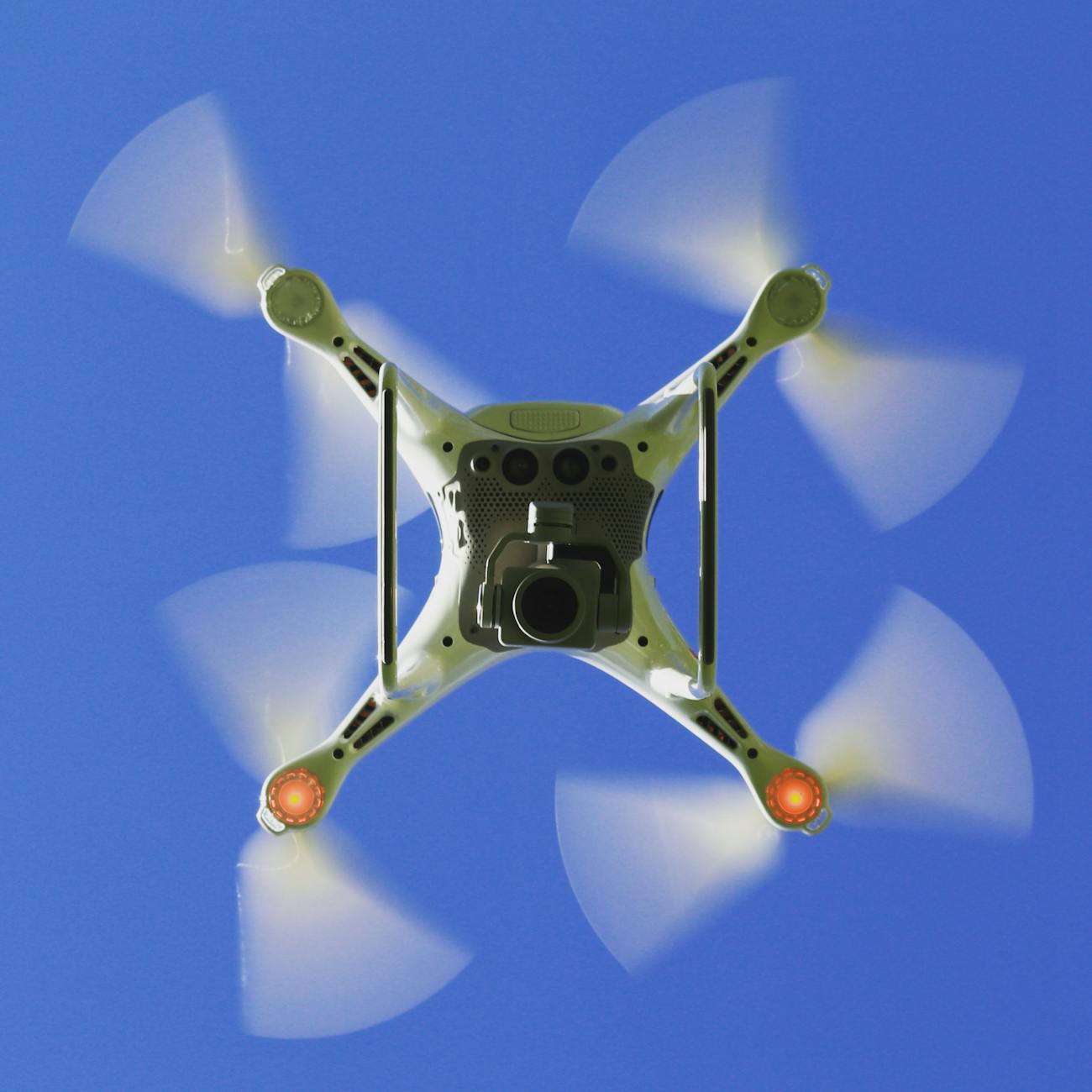
Drone Component Identification
Welcome to the Certified Specialist Programme in Drone Maintenance and Repair. In this course, you will learn about the various components that make up a drone and how to identify them. Understanding the different parts of a drone is crucial for maintenance, repair, and troubleshooting. Let's dive into the key terms and vocabulary related to drone component identification.
1. Frame The frame is the structure of the drone that holds all the components together. It provides the shape and support for the drone. Frames can be made of materials like carbon fiber, aluminum, or plastic. They come in different shapes and sizes, such as X-shaped, H-shaped, or octocopter frames.
2. Motors Motors are the components responsible for propelling the drone and keeping it airborne. They are usually brushless motors that provide the necessary power to turn the propellers. Motors are rated by size (e.g., 2204, 2206) and KV (RPM per volt). They come in different configurations, such as quadcopter, hexacopter, or octocopter motors.
3. Propellers Propellers are the blades that spin and create the thrust needed to lift the drone off the ground. They come in various sizes and pitches, depending on the drone's application. Propellers are usually labeled with numbers indicating their size (e.g., 5x4.5, 6x4.5), where the first number is the diameter in inches, and the second number is the pitch in inches.
4. Flight Controller The flight controller is the brain of the drone, responsible for stabilizing and controlling its flight. It processes data from sensors like accelerometers, gyroscopes, and barometers to make adjustments to keep the drone stable. Flight controllers can be standalone units or integrated into the drone's power distribution board.
5. Electronic Speed Controllers (ESCs) ESCs are devices that regulate the speed of the motors by controlling the amount of power they receive. They convert the signal from the flight controller into the appropriate voltage and current to adjust the motor's speed. ESCs come in different sizes and configurations, such as 20A, 30A, or 40A.
6. Battery The battery is the power source for the drone, providing the necessary electricity to run the motors and other components. Lithium Polymer (LiPo) batteries are commonly used in drones due to their high energy density and discharge rate. Batteries are rated by their voltage (e.g., 3.7V, 11.1V) and capacity (mAh).
7. Radio Transmitter and Receiver The radio transmitter is the handheld device used by the pilot to control the drone wirelessly. It sends commands to the drone via radio waves. The receiver on the drone picks up these signals and relays them to the flight controller for execution. Radio systems operate on different frequencies, such as 2.4GHz or 5.8GHz.
8. GPS Module The GPS module is a sensor that provides the drone with its location coordinates. It allows the drone to navigate and maintain position accurately using satellite signals. GPS modules are essential for features like return-to-home and waypoint navigation.
9. Camera and Gimbal Cameras and gimbals are components that allow the drone to capture photos and videos. The camera records the footage, while the gimbal stabilizes it by counteracting the drone's movements. Gimbals can be 2-axis or 3-axis, providing different levels of stabilization.
10. Telemetry System The telemetry system is a communication link between the drone and the ground station. It transmits data such as battery voltage, altitude, and GPS coordinates in real-time. Telemetry systems help the pilot monitor the drone's status and performance during flight.
11. Antennas Antennas are components that transmit and receive radio signals between the drone and the ground station. They come in different types, such as omni-directional and directional antennas, and operate on specific frequencies to ensure clear communication.
12. Power Distribution Board (PDB) The PDB is a circuit board that distributes power from the battery to the various components of the drone, such as the flight controller, ESCs, and motors. It ensures that each component receives the correct voltage and current to operate efficiently.
13. LED Lights LED lights are optional components that provide visual cues for orientation and visibility during flight. They can be mounted on the arms or body of the drone to help the pilot identify its direction and position in low-light conditions.
14. Landing Gear The landing gear is the structure that supports the drone when it lands on the ground. It helps protect the drone's components from damage and provides stability during takeoff and landing. Landing gear can be fixed or retractable, depending on the drone's design.
15. Sensors Sensors are devices that collect data about the drone's environment and performance. They include accelerometers, gyroscopes, barometers, and compasses. Sensors help the flight controller make adjustments to keep the drone stable and responsive to external conditions.
16. Telemetry Logs Telemetry logs are recordings of data collected during the drone's flight. They include information such as altitude, speed, battery voltage, and GPS coordinates. Telemetry logs are useful for analyzing the drone's performance, diagnosing issues, and improving flight capabilities.
17. Firmware Firmware is the software that controls the operation of the drone's hardware components. It includes the flight controller's operating system, motor control algorithms, and communication protocols. Firmware updates are essential to ensure the drone runs smoothly and efficiently.
18. Tool Kit A tool kit is a set of tools used for assembling, maintaining, and repairing the drone. It includes tools like screwdrivers, pliers, wrenches, and soldering equipment. A comprehensive tool kit is essential for performing various tasks on the drone.
19. Spare Parts Spare parts are components that are kept on hand to replace damaged or worn-out parts of the drone. Common spare parts include propellers, motors, ESCs, and batteries. Having a stock of spare parts ensures that the drone can be quickly repaired and back in the air.
20. Maintenance Schedule A maintenance schedule is a plan outlining the regular tasks needed to keep the drone in optimal condition. It includes activities like checking components for wear and damage, cleaning the drone, calibrating sensors, and updating firmware. Following a maintenance schedule prolongs the drone's lifespan and ensures safe operation.
21. Troubleshooting Guide A troubleshooting guide is a resource that helps identify and resolve issues with the drone. It includes common problems like motor failure, GPS signal loss, or flight instability, along with step-by-step instructions for diagnosing and fixing the issue. A well-structured troubleshooting guide is essential for resolving issues quickly and effectively.
22. Calibration Procedures Calibration procedures are steps to ensure that the drone's sensors and components are properly configured for accurate operation. Calibration may involve adjusting the accelerometer, gyroscope, compass, or radio system to ensure they are functioning correctly. Following calibration procedures is crucial for reliable flight performance.
23. Safety Protocols Safety protocols are guidelines for operating the drone safely and responsibly. They include practices like pre-flight checks, maintaining line of sight with the drone, avoiding obstacles and people, and complying with local regulations. Following safety protocols minimizes the risk of accidents and ensures a positive drone flying experience.
24. Flight Logs Flight logs are recordings of the drone's flights, including data like flight time, distance traveled, altitude, and GPS coordinates. Flight logs are useful for analyzing the drone's performance, tracking its movements, and identifying any issues that may arise during flight.
25. Regulatory Compliance Regulatory compliance refers to following laws and regulations related to drone operation. This includes registering the drone with the appropriate authorities, obtaining necessary permits for flying in restricted areas, and complying with airspace regulations. Adhering to regulatory compliance ensures legal and safe drone operation.
26. Data Security Data security is the protection of sensitive information collected by the drone, such as flight data, images, and videos. It includes measures like encrypting data transmissions, securing storage devices, and implementing access controls to prevent unauthorized access. Data security is essential for protecting privacy and preventing data breaches.
27. Environmental Impact Environmental impact refers to the effects of drone operation on the environment. This includes considerations like noise pollution, wildlife disturbance, and airspace congestion. Minimizing the environmental impact of drone operations through responsible flying practices is essential for sustainability and conservation.
28. Industry Trends Industry trends are developments and innovations in the drone industry that impact technology, regulations, and market trends. This includes advancements in drone design, new applications for drones, and changes in regulations that affect drone operations. Staying informed about industry trends is essential for staying competitive and adapting to changes in the drone industry.
29. Quality Assurance Quality assurance is a process for ensuring that the drone meets established standards of quality and performance. This includes testing components, conducting inspections, and verifying that the drone operates as intended. Quality assurance measures are essential for delivering reliable and safe drones to customers.
30. Customer Service Customer service is the provision of support and assistance to drone users before, during, and after purchase. This includes answering questions, providing technical support, and resolving issues with the drone. Excellent customer service is essential for building trust with customers and ensuring a positive user experience.
These key terms and vocabulary are essential for understanding drone component identification and maintenance in the Certified Specialist Programme in Drone Maintenance and Repair. By familiarizing yourself with these terms, you will be well-equipped to work with drones effectively and efficiently. Happy flying!
Drone Component Identification
Drone technology has rapidly advanced in recent years, leading to a surge in the use of drones for various applications such as aerial photography, surveillance, agriculture, and even package delivery. As drones become more prevalent, the need for skilled professionals who can maintain and repair these complex machines has also increased. This Certified Specialist Programme in Drone Maintenance and Repair aims to equip individuals with the knowledge and skills necessary to identify and work with different drone components effectively.
Key Terms and Vocabulary
1. Frame: The frame of a drone is the structure that holds all the components together. It is typically made of lightweight materials such as carbon fiber or aluminum to reduce weight and increase durability. The frame provides the drone with its shape and supports the motors, propellers, and other components.
2. Motors: Motors are essential components of a drone that provide the thrust needed for flight. There are various types of motors used in drones, including brushless DC motors and coreless motors. Motors are attached to the frame and connected to the propellers to generate lift.
3. Propellers: Propellers are rotating blades that create lift and thrust to propel the drone through the air. They come in different sizes and shapes, with the number of blades affecting the drone's performance. Propellers are attached to the motors and spin at high speeds to generate lift.
4. Flight Controller: The flight controller is like the brain of the drone, responsible for stabilizing the aircraft, controlling its movement, and executing commands from the pilot or autonomous software. It contains sensors such as accelerometers, gyroscopes, and barometers to gather data and make adjustments in real-time.
5. Electronic Speed Controllers (ESCs): ESCs are devices that regulate the speed of the motors by controlling the amount of power supplied to them. They interpret signals from the flight controller and adjust the motor speed accordingly. ESCs play a crucial role in maintaining stability and control during flight.
6. Battery: The battery is the power source for the drone, supplying electricity to the motors, flight controller, and other electronic components. Lithium-polymer (LiPo) batteries are commonly used in drones due to their high energy density and lightweight properties. Proper battery management is essential for safe and efficient drone operation.
7. Radio Transmitter: The radio transmitter is a handheld device used by the pilot to control the drone wirelessly. It sends signals to the drone's receiver, which interprets the commands and relays them to the flight controller. The radio transmitter allows the pilot to maneuver the drone, adjust its altitude, and perform various flight maneuvers.
8. Receiver: The receiver is a component installed in the drone that receives signals from the radio transmitter and forwards them to the flight controller. It plays a crucial role in ensuring real-time communication between the pilot and the drone, enabling precise control and responsiveness during flight.
9. GPS Module: The GPS module is a satellite-based navigation system that provides the drone with accurate positioning information. It allows the drone to maintain its position, follow predetermined flight paths, and return to a designated home point if necessary. GPS technology enhances the drone's autonomy and safety during flight.
10. Camera/Gimbal: Many drones are equipped with cameras and gimbals for capturing high-quality photos and videos. The camera records footage, while the gimbal stabilizes and adjusts the camera angle to ensure smooth and steady shots. Camera drones are widely used in aerial photography, videography, and surveying applications.
11. Telemetry System: The telemetry system is a communication system that transmits data between the drone and the ground station in real-time. It provides the pilot with vital information such as altitude, speed, battery level, and GPS coordinates. Telemetry systems help monitor the drone's performance and enable remote diagnostics and troubleshooting.
12. Obstacle Avoidance Sensors: Obstacle avoidance sensors are sensors installed on drones to detect and avoid obstacles in their flight path. These sensors use technologies such as ultrasonic, infrared, or LiDAR to sense obstacles and adjust the drone's trajectory to prevent collisions. Obstacle avoidance sensors enhance safety and navigation capabilities in drones.
13. LED Lights: LED lights are often incorporated into drones for visibility and orientation purposes. They provide illumination during low-light conditions, help distinguish the front and back of the drone, and indicate the drone's status (e.g., battery level, flight mode). LED lights contribute to safe and efficient drone operation, especially during night flights.
14. Propeller Guards: Propeller guards are protective covers that shield the propellers from damage and prevent injury to people or objects in case of a collision. They are commonly used in recreational drones and indoor flying to reduce the risk of accidents. Propeller guards can increase the drone's weight but offer added safety benefits.
15. Antennas: Antennas are components that transmit and receive radio signals between the drone and the radio transmitter/receiver. They play a critical role in establishing a stable and reliable communication link, especially in long-range or complex flight scenarios. Different types of antennas, such as omni-directional and directional antennas, are used in drones for varying communication needs.
16. Microcontroller: A microcontroller is a small computer embedded in the drone's electronic system to control specific functions or processes. It can execute commands, process data, and interact with other components to ensure proper operation. Microcontrollers are programmed to perform tasks such as stabilization, navigation, and data logging in drones.
17. IMU (Inertial Measurement Unit): The IMU is a sensor module that consists of accelerometers, gyroscopes, and sometimes magnetometers to measure the drone's orientation and movement. It provides essential data to the flight controller for stabilizing the aircraft, maintaining level flight, and compensating for external forces such as wind. IMUs are crucial for precise flight control and maneuverability.
18. Remote Identification System: A remote identification system is a technology mandated by regulatory authorities to broadcast identification and location information from drones during flight. It helps authorities and other airspace users identify and track drones for safety and security purposes. Remote identification systems promote responsible drone operation and integration into the airspace.
19. Thermal Imaging Camera: Some drones are equipped with thermal imaging cameras that detect heat signatures and capture thermal images of objects or environments. Thermal cameras are used in applications such as search and rescue, firefighting, and building inspections to identify heat sources, anomalies, or changes in temperature. Thermal imaging drones provide valuable data for various industries and missions.
20. Challenges in Drone Component Identification
Identifying and understanding drone components can be challenging, especially for individuals new to drone technology or maintenance and repair. Some common challenges include:
1. Complexity: Drones consist of numerous components that work together seamlessly to achieve flight. Understanding the interconnectivity and functionality of these components can be overwhelming for beginners. It requires a systematic approach to learning and hands-on experience to grasp the intricacies of drone systems.
2. Technical Jargon: The drone industry uses specialized terminology and acronyms to describe components, systems, and processes. Learning and memorizing these technical terms can be daunting, especially for non-technical individuals. It is essential to familiarize oneself with the key terms and vocabulary used in drone maintenance and repair to communicate effectively and troubleshoot issues efficiently.
3. Component Variability: Drones come in various sizes, types, and configurations, leading to differences in components and systems across different models. Identifying and working with diverse components require adaptability and a broad understanding of drone technology. Technicians must be prepared to encounter unique challenges and solutions based on the drone's design and specifications.
4. Integration and Compatibility: Drone components are designed to work together cohesively within a specific system. Ensuring compatibility between components, selecting the right parts, and integrating them correctly are crucial for optimal performance and safety. Technicians should follow manufacturer guidelines and best practices to prevent component mismatch or failure.
5. Regulatory Compliance: Drones are subject to regulations and standards set by aviation authorities to ensure safe and responsible operation. Understanding and adhering to regulatory requirements related to component identification, maintenance, and repair are essential for compliance and risk mitigation. Technicians must stay informed about evolving regulations and industry practices to operate within legal boundaries.
Practical Applications of Drone Component Identification
Proficiency in drone component identification is vital for various practical applications in drone maintenance and repair, including:
1. Diagnostic Troubleshooting: Identifying faulty or malfunctioning components is a critical aspect of drone maintenance. Technicians must be able to pinpoint the root cause of issues through component inspection, testing, and analysis. Accurate component identification facilitates efficient troubleshooting and repair processes, saving time and resources.
2. Component Replacement: Drones may require component replacement due to wear and tear, damage, or upgrades. Knowing how to identify and source compatible components is essential for maintaining the drone's performance and reliability. Technicians should be able to select, install, and calibrate new components according to manufacturer specifications.
3. Upgrades and Modifications: Drone enthusiasts often customize their drones with upgrades or modifications to enhance performance or functionality. Understanding drone components enables enthusiasts to select compatible parts, integrate new features, and optimize their drones for specific tasks or preferences. Upgrades and modifications can range from adding new sensors to upgrading propulsion systems.
4. Preventive Maintenance: Regular inspection and maintenance of drone components are essential for prolonging the drone's lifespan and ensuring safe operation. Identifying signs of wear, corrosion, or damage early on can prevent component failures and accidents during flight. Technicians should conduct routine checks and maintenance procedures to keep drones in optimal condition.
5. Training and Education: Educating aspiring drone technicians and enthusiasts on component identification is fundamental for building a skilled workforce and promoting safe drone practices. Training programs and courses that focus on drone components empower individuals to understand the technology, troubleshoot issues, and perform repairs confidently. Hands-on training enhances practical skills and prepares technicians for real-world scenarios.
Conclusion
Drone component identification is a crucial skill for individuals pursuing a career in drone maintenance and repair. Understanding the key terms, vocabulary, and practical applications of drone components is essential for diagnosing issues, performing repairs, and ensuring safe and efficient drone operation. By mastering component identification, technicians can effectively maintain drones, troubleshoot problems, and contribute to the advancement of drone technology across various industries. Continuous learning and hands-on experience are vital for staying current with evolving drone technology and industry practices.
Key takeaways
- In this course, you will learn about the various components that make up a drone and how to identify them.
- They come in different shapes and sizes, such as X-shaped, H-shaped, or octocopter frames.
- Motors Motors are the components responsible for propelling the drone and keeping it airborne.
- Propellers Propellers are the blades that spin and create the thrust needed to lift the drone off the ground.
- Flight Controller The flight controller is the brain of the drone, responsible for stabilizing and controlling its flight.
- Electronic Speed Controllers (ESCs) ESCs are devices that regulate the speed of the motors by controlling the amount of power they receive.
- Battery The battery is the power source for the drone, providing the necessary electricity to run the motors and other components.