
Canine Anatomy and Physiology
Canine Anatomy and Physiology: Key Terms and Vocabulary
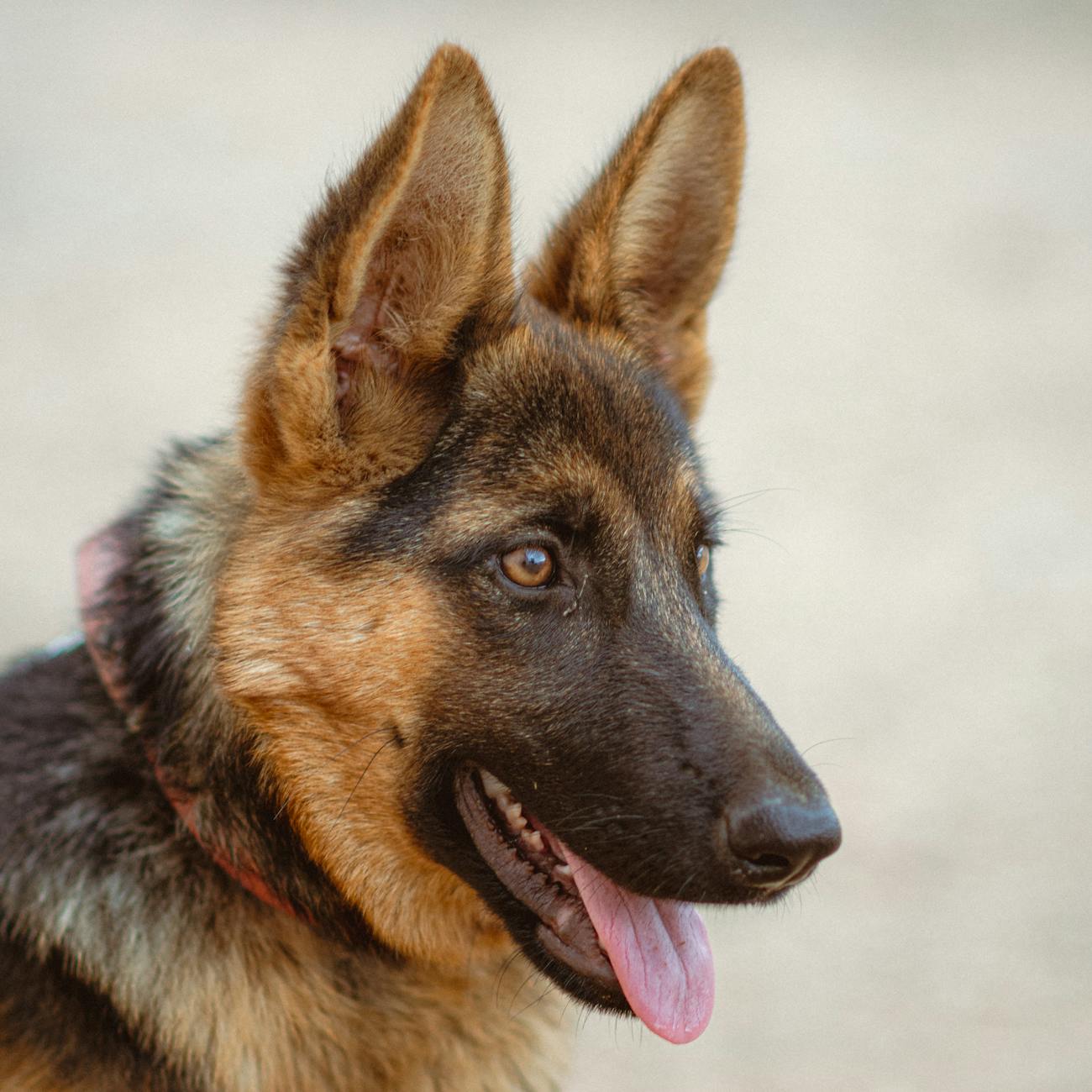
Canine Anatomy and Physiology: Key Terms and Vocabulary
1. Axial Skeleton: The axial skeleton of a dog includes the skull, vertebral column, ribcage, and sternum. It provides support and protection for the dog's vital organs, and allows for movement of the head and body. 2. Appendicular Skeleton: The appendicular skeleton includes all the bones of the limbs, including the forelimbs and hindlimbs. It is responsible for movement and weight-bearing. 3. Muscles: Muscles are responsible for producing movement and maintaining posture in dogs. There are three types of muscles: skeletal, cardiac, and smooth. Skeletal muscles are attached to bones and are under voluntary control. 4. Joints: Joints are the points where two or more bones come together. They allow for movement and flexibility in the body. 5. Ligaments: Ligaments are strong, fibrous bands of tissue that connect bones to each other and provide stability to joints. 6. Tendons: Tendons are strong, fibrous cords of tissue that connect muscles to bones. 7. Fascia: Fascia is a layer of connective tissue that surrounds and supports muscles, bones, and organs. 8. Cardiovascular System: The cardiovascular system includes the heart, blood vessels, and blood. It is responsible for transporting oxygen and nutrients to the body's cells and removing waste products. 9. Respiratory System: The respiratory system includes the lungs, airways, and respiratory muscles. It is responsible for the exchange of oxygen and carbon dioxide in the body. 10. Digestive System: The digestive system includes the mouth, esophagus, stomach, small intestine, large intestine, and anus. It is responsible for breaking down food, absorbing nutrients, and eliminating waste. 11. Nervous System: The nervous system includes the brain, spinal cord, and peripheral nerves. It is responsible for controlling and coordinating the body's functions. 12. Endocrine System: The endocrine system includes the pituitary gland, thyroid gland, adrenal gland, pancreas, and sex glands. It is responsible for producing and regulating hormones in the body. 13. Integumentary System: The integumentary system includes the skin, hair, and nails. It is responsible for protecting the body from external damage and maintaining body temperature. 14. Urinary System: The urinary system includes the kidneys, ureters, bladder, and urethra. It is responsible for filtering waste products from the blood and excreting them as urine. 15. Reproductive System: The reproductive system includes the ovaries, fallopian tubes, uterus, vagina, and mammary glands in females, and the testes, epididymis, vas deferens, seminal vesicles, prostate gland, and penis in males. It is responsible for the production and reproduction of offspring.
Practical Applications:
Understanding canine anatomy and physiology is essential for animal physical therapists, as it allows them to assess and treat injuries and conditions in dogs. For example, knowledge of the skeletal system can help a therapist identify areas of weakness or instability in a dog's limbs, while understanding the muscular system can help a therapist develop an exercise program to improve a dog's strength and mobility.
Challenges:
One challenge in canine anatomy and physiology is the vast diversity in breeds and sizes of dogs. Different breeds have different physical characteristics, such as long backs, short legs, or deep chests, which can affect their movement and health. Additionally, some breeds are prone to certain conditions, such as hip dysplasia or heart disease, which must be taken into account when developing a treatment plan.
Example:
For example, a physical therapist working with a Dachshund, a breed known for its long back and short legs, would need to be aware of the increased risk of intervertebral disc disease in this breed. This condition can cause pain, weakness, and paralysis in the hindlimbs, and may require surgery or physical therapy to treat. A physical therapist working with a Dachshund would need to focus on exercises that promote core strength and spinal stability, as well as exercises that improve hindlimb strength and mobility.
In conclusion, canine anatomy and physiology is a complex and fascinating field that is essential for animal physical therapists. Understanding the structure and function of the body's systems allows therapists to assess and treat injuries and conditions in dogs, and to develop exercise programs that promote overall health and well-being. With a solid understanding of canine anatomy and physiology, therapists can help dogs of all breeds and sizes live longer, healthier lives.
Key takeaways
- Reproductive System: The reproductive system includes the ovaries, fallopian tubes, uterus, vagina, and mammary glands in females, and the testes, epididymis, vas deferens, seminal vesicles, prostate gland, and penis in males.
- Understanding canine anatomy and physiology is essential for animal physical therapists, as it allows them to assess and treat injuries and conditions in dogs.
- Additionally, some breeds are prone to certain conditions, such as hip dysplasia or heart disease, which must be taken into account when developing a treatment plan.
- For example, a physical therapist working with a Dachshund, a breed known for its long back and short legs, would need to be aware of the increased risk of intervertebral disc disease in this breed.
- Understanding the structure and function of the body's systems allows therapists to assess and treat injuries and conditions in dogs, and to develop exercise programs that promote overall health and well-being.